Professional Glass Sandblasting Machine Solutions - Advanced Surface Treatment Equipment

All Categories

Get a Free Quote

Our representative will contact you soon.
Email
Name
Company Name
Message
0/1000

glass sandblasting machine

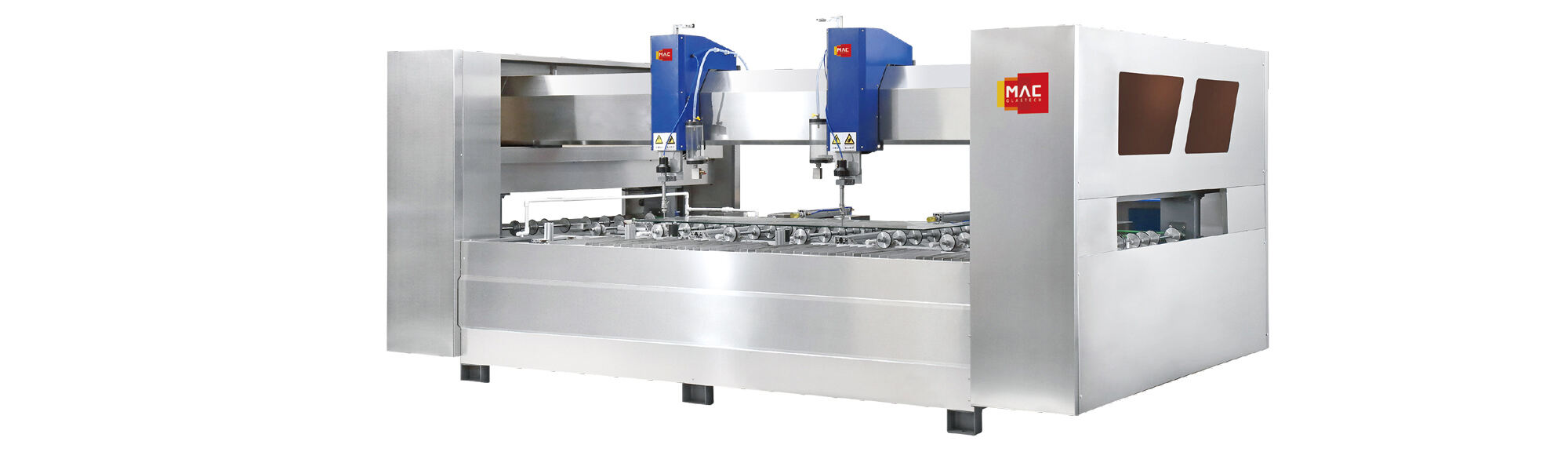
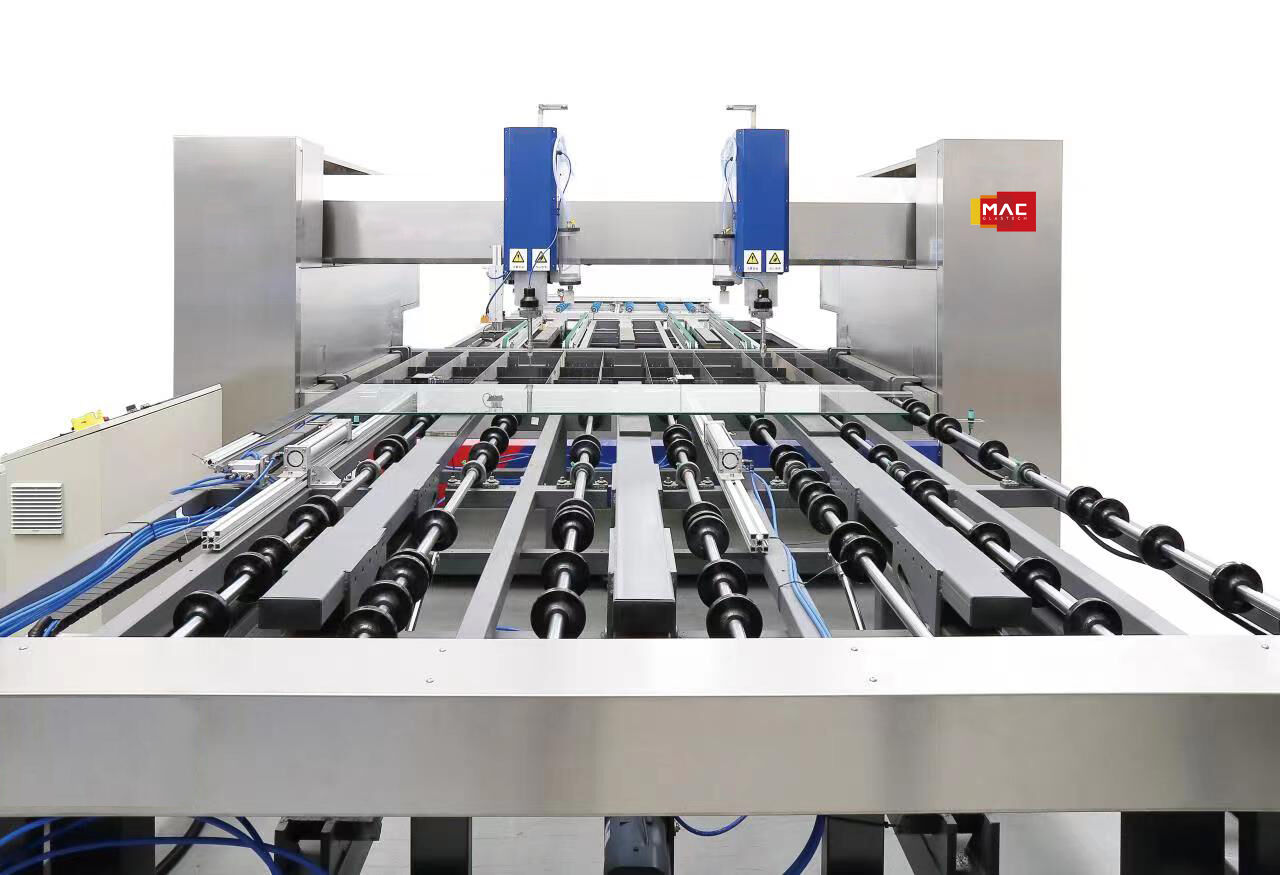
A glass sandblasting machine represents an essential industrial equipment designed to create decorative patterns, frosted finishes, and precise surface treatments on glass materials. This sophisticated machinery utilizes compressed air to propel abrasive particles at high velocity against glass surfaces, resulting in controlled erosion that produces desired aesthetic and functional effects. The fundamental operation involves loading glass panels into a secure chamber where operators can direct abrasive media through specialized nozzles to achieve uniform or patterned results. Modern glass sandblasting machine units incorporate advanced pressure regulation systems, ensuring consistent material removal rates across different glass thicknesses and compositions. The technological framework of these machines encompasses multiple integrated components including air compressors, abrasive delivery systems, dust collection mechanisms, and protective enclosures that safeguard operators while maintaining environmental compliance. Primary functions extend beyond simple surface frosting to include creating intricate artistic designs, removing coatings, preparing surfaces for bonding applications, and producing anti-slip textures on architectural glass elements. Glass sandblasting machine technology has evolved significantly with digital controls replacing manual operation methods, allowing programmers to input precise parameters for depth, pattern complexity, and coverage areas. Applications span numerous industries including architectural glazing, automotive glass manufacturing, decorative home furnishings, signage production, and artistic glass studios. The versatility of a glass sandblasting machine makes it indispensable for commercial operations requiring repeatable quality standards and customization capabilities. Whether processing flat panels, curved surfaces, or three-dimensional glass objects, these machines adapt to diverse project requirements through interchangeable nozzle configurations and adjustable pressure settings that accommodate everything from delicate etching to aggressive material removal.

New Products

Investing in a glass sandblasting machine delivers transformative benefits that directly impact production efficiency and product quality for businesses of all sizes. The primary advantage centers on exceptional precision control that allows operators to create consistent results across thousands of pieces without quality variation, eliminating the unpredictability associated with manual methods. This consistency translates into reduced waste rates and lower material costs since fewer pieces require rework or disposal due to processing errors. Speed improvements represent another compelling benefit, as automated glass sandblasting machine systems complete tasks in fractions of the time required by traditional hand techniques, enabling businesses to accept larger orders and shorten delivery timelines. The economic impact extends to labor efficiency, where a single trained operator can manage multiple production cycles simultaneously, optimizing workforce allocation and reducing per-unit labor expenses. Health and safety advantages cannot be overstated, as enclosed glass sandblasting machine chambers with integrated dust collection systems protect workers from silica exposure and airborne particulates that pose serious respiratory hazards in uncontrolled environments. Environmental responsibility becomes achievable through recyclable abrasive media and closed-loop systems that minimize waste generation while complying with increasingly stringent regulations. Versatility stands as a practical advantage that maximizes equipment return on investment, since the same glass sandblasting machine handles diverse projects ranging from subtle decorative touches to deep carving work without requiring separate specialized tools. Customization capabilities empower businesses to differentiate their offerings in competitive markets by producing unique designs that meet specific client requirements, opening revenue streams unavailable to operations relying on standard processing methods. Energy efficiency in modern glass sandblasting machine designs reduces operational costs through optimized air consumption and power management systems that lower utility expenses over equipment lifespans. Maintenance requirements remain minimal with proper care, as durable construction and readily available replacement components ensure long service life with predictable maintenance schedules that prevent unexpected downtime. The learning curve for operators proves surprisingly manageable, with intuitive controls and safety features that allow new employees to achieve competency quickly, reducing training time and accelerating productivity gains. Quality enhancement represents perhaps the most valuable advantage, as the controlled abrasion process improves glass surface properties including light diffusion characteristics, scratch resistance, and adhesion qualities for subsequent coating applications that expand product functionality and market appeal.

Practical Tips

What Are the Benefits of Using an Automated Glass Sorting System?

24

Sep

What Are the Benefits of Using an Automated Glass Sorting System?

Revolutionizing Glass Recycling Through Advanced Automation The glass recycling industry is undergoing a remarkable transformation with the integration of automated glass sorting systems. These sophisticated technologies are reshaping how recycling f...
View More
What Types of Coatings Are Applied in a Glass Coating Line?

24

Sep

What Types of Coatings Are Applied in a Glass Coating Line?

Understanding Modern Glass Coating Technologies Glass coating technology has revolutionized the way we enhance and protect glass surfaces across various industries. From architectural applications to automotive windshields, the glass coating line pro...
View More
What Factors Should You Consider When Choosing Automotive Glass Processing Methods?

28

Oct

What Factors Should You Consider When Choosing Automotive Glass Processing Methods?

The Complete Guide to Modern Automotive Glass Manufacturing The automotive glass processing industry has undergone significant transformation in recent years, driven by technological advancements and evolving vehicle design requirements. As manufactu...
View More
Why Is Automated Insulating Glass Production Increasing in Large Factories?

19

Dec

Why Is Automated Insulating Glass Production Increasing in Large Factories?

The construction and manufacturing industries are experiencing a significant shift toward automation, with automated insulating glass production leading this transformation in large-scale factories. This evolution represents more than just technologi...
View More

Get a Free Quote

Our representative will contact you soon.
Email
Name
Company Name
Message
0/1000

glass sandblasting machine

Advanced Pressure Control Technology for Superior Finish Quality

Advanced Pressure Control Technology for Superior Finish Quality

The sophisticated pressure control technology integrated into modern glass sandblasting machine systems represents a revolutionary advancement that fundamentally transforms surface treatment capabilities and output consistency. This technological feature operates through precision-engineered regulators that maintain exact pressure levels throughout processing cycles, eliminating the fluctuations that historically caused uneven etching depths and inconsistent frosting effects. The practical importance of this capability becomes evident when producing large architectural installations where multiple glass panels must exhibit identical appearance characteristics when installed together, as even minor pressure variations create visible differences that compromise aesthetic cohesion. Engineers have developed multi-stage regulation systems within glass sandblasting machine equipment that compensate for compressor output variations, ambient temperature changes, and abrasive flow rate differences, ensuring that the actual working pressure at the nozzle remains constant regardless of external factors. This reliability allows operators to establish standardized processing recipes for different glass types and desired effects, creating repeatable results that build customer confidence and reduce quality control rejections. The pressure control interface provides intuitive adjustment mechanisms where operators input desired parameters through digital displays rather than relying on analog gauges that introduce reading errors and interpretation inconsistencies. Advanced glass sandblasting machine models incorporate pressure ramping functions that gradually increase or decrease force application, preventing thermal shock damage to glass surfaces while enabling multi-depth etching effects within single processing runs. The economic value of superior pressure control manifests through material savings, as precise force application removes only necessary material without over-processing that weakens glass structural integrity or creates excessive waste. Production flexibility expands dramatically when pressure adjustments can be made instantly between jobs, allowing facilities to switch from delicate decorative work to aggressive coating removal without equipment changes or lengthy recalibration procedures. Safety benefits accompany technological advancement, as automated pressure monitoring systems prevent dangerous over-pressurization situations that could cause equipment failure or projectile hazards in work environments. The competitive advantage gained through consistent quality output enables businesses to command premium pricing for glass sandblasting machine processed products, as customers recognize superior craftsmanship and reliability that justifies higher investment in finished goods.
Integrated Dust Collection Systems for Health Protection and Clean Operations

Integrated Dust Collection Systems for Health Protection and Clean Operations

The comprehensive dust collection systems incorporated into professional glass sandblasting machine equipment address critical health concerns while dramatically improving workplace conditions and operational efficiency. These engineered solutions capture abrasive particles and glass dust at the generation source, preventing respiratory hazards associated with silica exposure that poses serious long-term health risks to workers in unprotected environments. The collection mechanism operates through powerful negative pressure systems that draw contaminated air away from the processing chamber immediately upon generation, channeling particles through filtration stages that remove particulates down to submicron sizes before returning cleaned air to the workspace. Modern glass sandblasting machine designs integrate cyclonic separation technology that removes heavy particles through centrifugal force before fine filtration stages, extending filter life and reducing maintenance frequency while maintaining consistent suction performance throughout extended production runs. The practical benefits extend beyond health protection to include significant improvements in visibility during operations, as effective dust removal allows operators to clearly monitor progress and make real-time adjustments without interrupting processing cycles to allow chamber clearing. Workplace cleanliness improvements reduce housekeeping labor requirements substantially, as captured particles never settle on surrounding surfaces, equipment, or floor areas that would otherwise require constant cleaning to maintain acceptable facility conditions. Environmental compliance becomes straightforward with properly functioning dust collection systems, as contained particulates can be disposed through approved methods rather than contributing to air quality violations that trigger regulatory penalties and operational restrictions. The economic advantages of integrated collection systems include abrasive media reclamation capabilities, where some glass sandblasting machine configurations separate reusable particles from waste materials, reducing consumable costs through extended media life cycles. Energy efficiency considerations influence modern system designs, with variable-speed fans that adjust collection power based on actual processing demands rather than operating at maximum capacity continuously, lowering electricity consumption without compromising protection effectiveness. Noise reduction represents an often-overlooked benefit, as enclosed glass sandblasting machine chambers with effective dust collection create quieter work environments that reduce operator fatigue and improve focus during precision tasks requiring sustained concentration. Installation flexibility accommodates various facility layouts through modular collection ductwork that routes to central filtration units or standalone collectors positioned adjacent to individual machines, optimizing space utilization in constrained manufacturing environments. The reliability improvements from dust collection extend equipment service life by preventing abrasive accumulation in mechanical components, bearings, and seals that would otherwise experience accelerated wear and premature failure, protecting capital investments while minimizing unexpected repair expenses.
Programmable Pattern Control for Unlimited Design Possibilities

Programmable Pattern Control for Unlimited Design Possibilities

The advanced programmable pattern control capabilities available in contemporary glass sandblasting machine technology unlock unprecedented creative freedom and production flexibility that revolutionizes decorative glass manufacturing. This sophisticated feature set allows operators to input complex designs through digital interfaces, translating artistic concepts into precise abrasive application patterns that create intricate imagery, text, gradients, and geometric compositions with accuracy unattainable through manual masking methods. The technical foundation relies on computer-controlled positioning systems that coordinate abrasive nozzle movement across multiple axes simultaneously, maintaining exact distances from glass surfaces while following programmed paths at consistent speeds that ensure uniform depth and texture characteristics. Storage capacity for design libraries enables glass sandblasting machine facilities to maintain extensive catalogs of proven patterns, allowing rapid project setup by recalling saved programs rather than creating new processing parameters for each job. The competitive differentiation potential proves substantial, as businesses equipped with programmable glass sandblasting machine technology offer customization services that attract premium clientele seeking unique architectural elements, personalized gifts, and branded corporate installations unavailable from operations limited to standard template selections. Revision capabilities streamline the design refinement process, where operators adjust parameters digitally and preview modifications before committing to actual glass processing, eliminating costly material waste associated with trial-and-error development approaches. The precision achievable through programmable control enables reproduction of photographic imagery and fine artistic detail that transforms glass surfaces into sophisticated visual statements, expanding market opportunities into high-end residential, hospitality, and commercial sectors demanding exceptional craftsmanship. Production efficiency gains materialize through reduced setup times, as programmed sequences eliminate manual masking application that consumes significant labor hours and introduces positioning inconsistencies that compromise final appearance. The scalability of programmable glass sandblasting machine systems supports business growth by enabling facilities to undertake complex projects previously beyond their capabilities, building reputation and expertise that generates referral business and repeat clientele. Training simplification occurs when operators work with visual programming interfaces rather than developing tacit skills through extended apprenticeship periods, accelerating workforce development and reducing vulnerability to key employee departures. Quality assurance improvements stem from digital documentation that records exact parameters used for each project, creating reference standards for future replication and enabling systematic troubleshooting when results deviate from expectations. The innovation potential expands continuously as software updates introduce new capabilities without hardware replacement, protecting equipment investments while maintaining technological competitiveness throughout extended glass sandblasting machine service lives.