Automatic Glass Storage Warehouse Systems - Advanced Automated Solutions for Glass Handling and Storage

All Categories

Get a Free Quote

Our representative will contact you soon.
Email
Name
Company Name
Message
0/1000

automatic glass storage warehouse

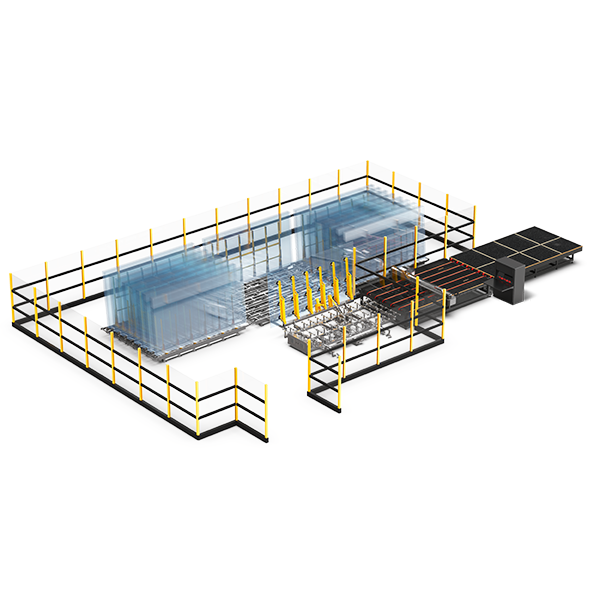
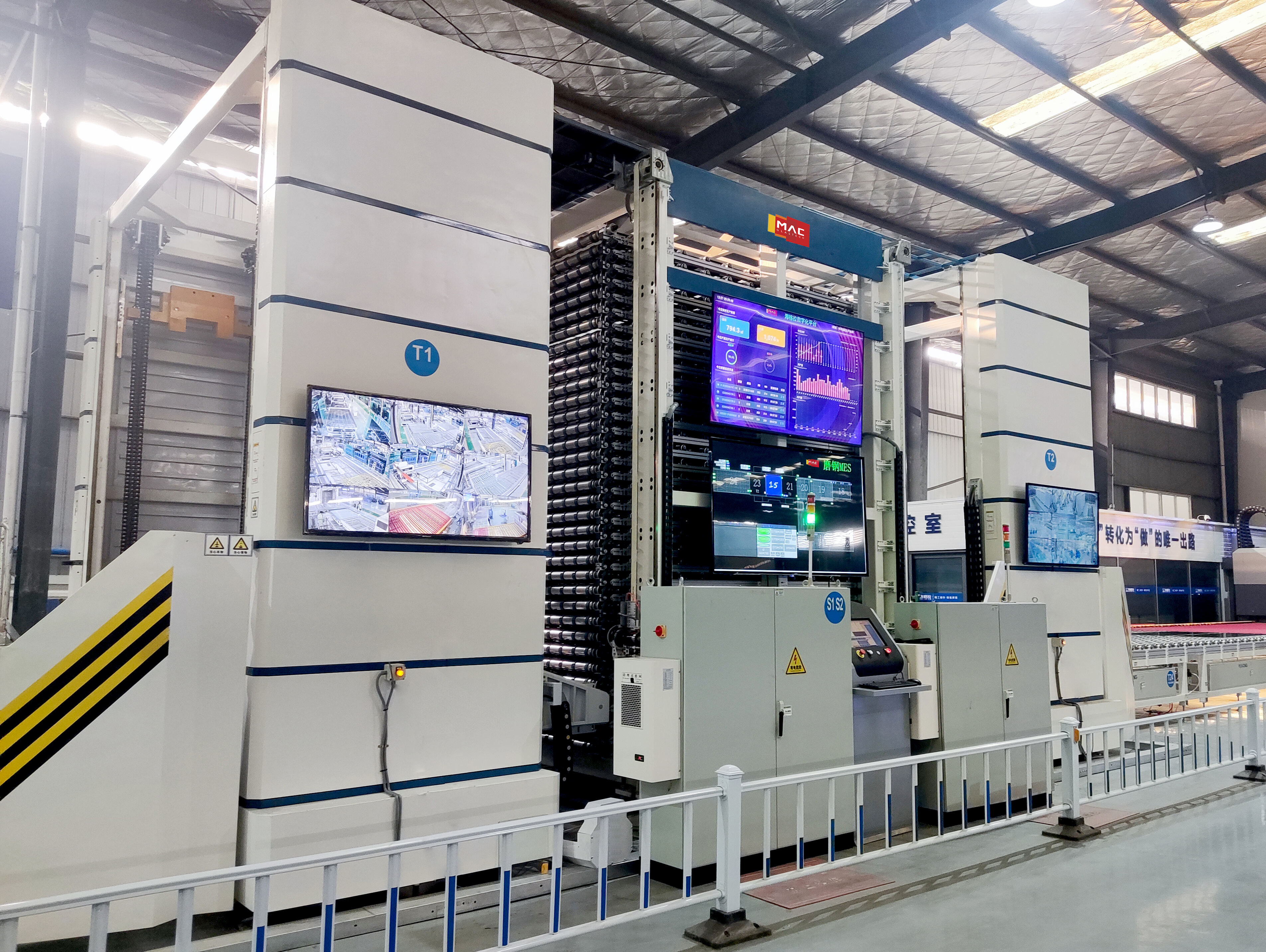
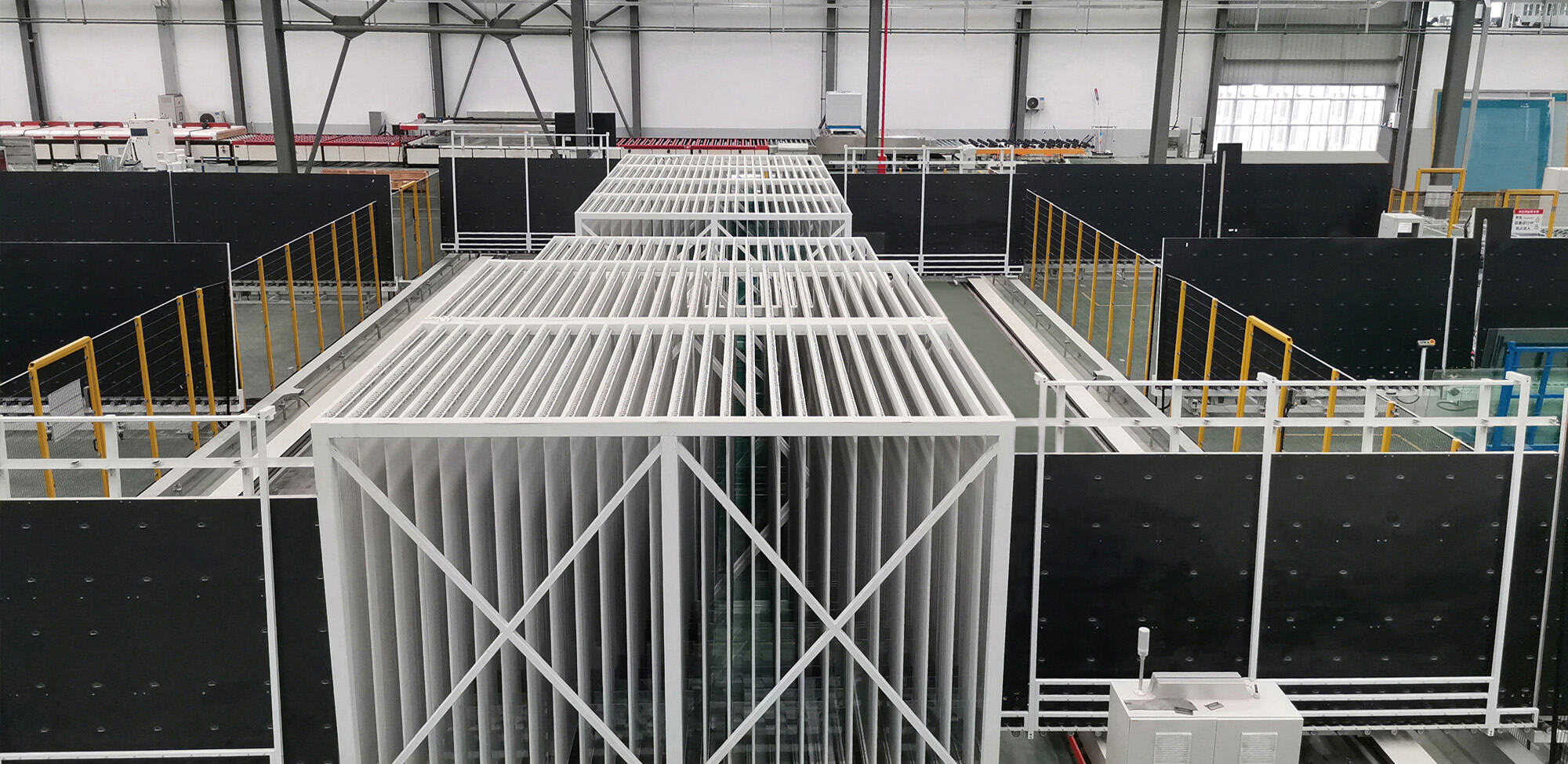
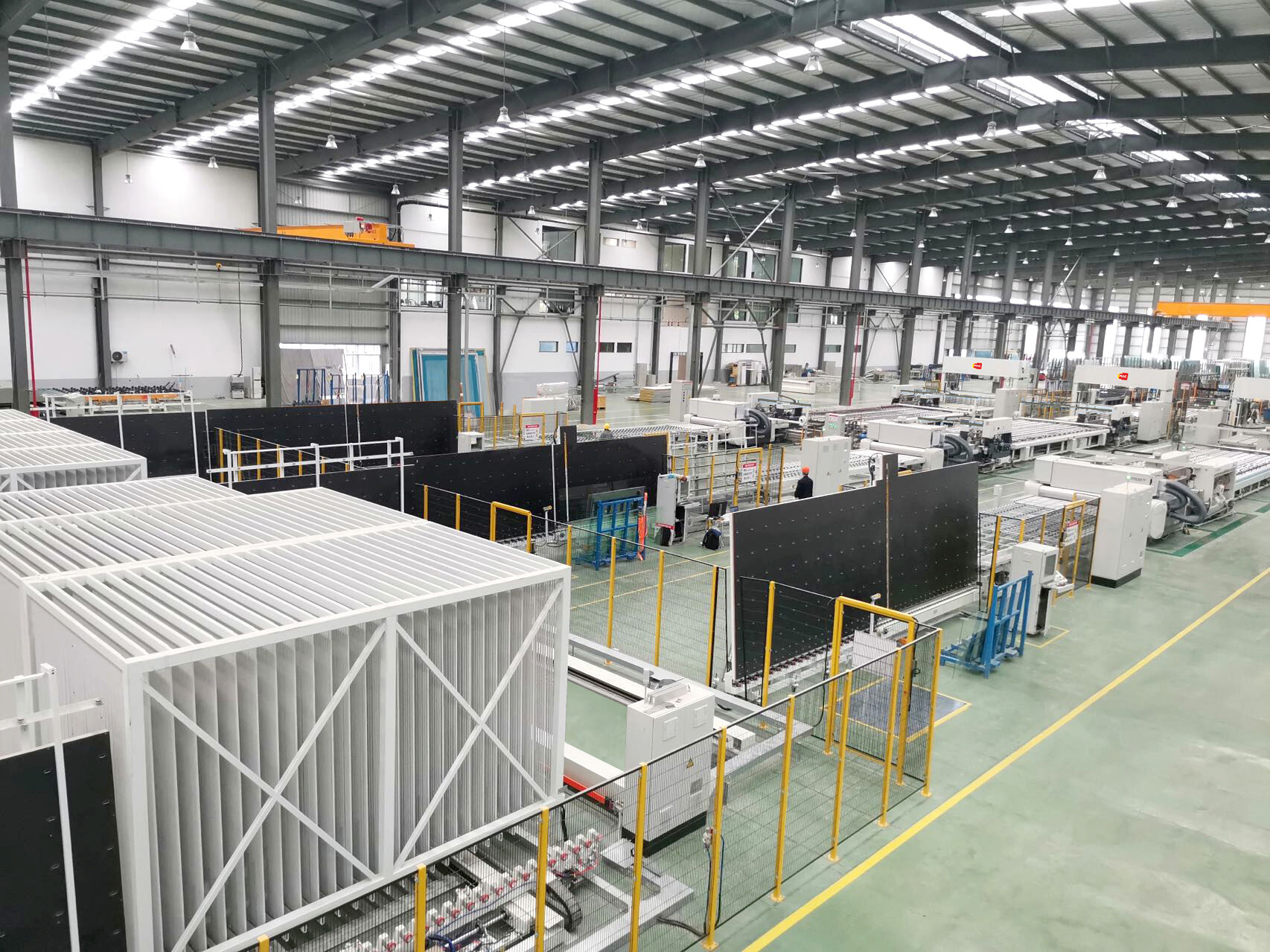
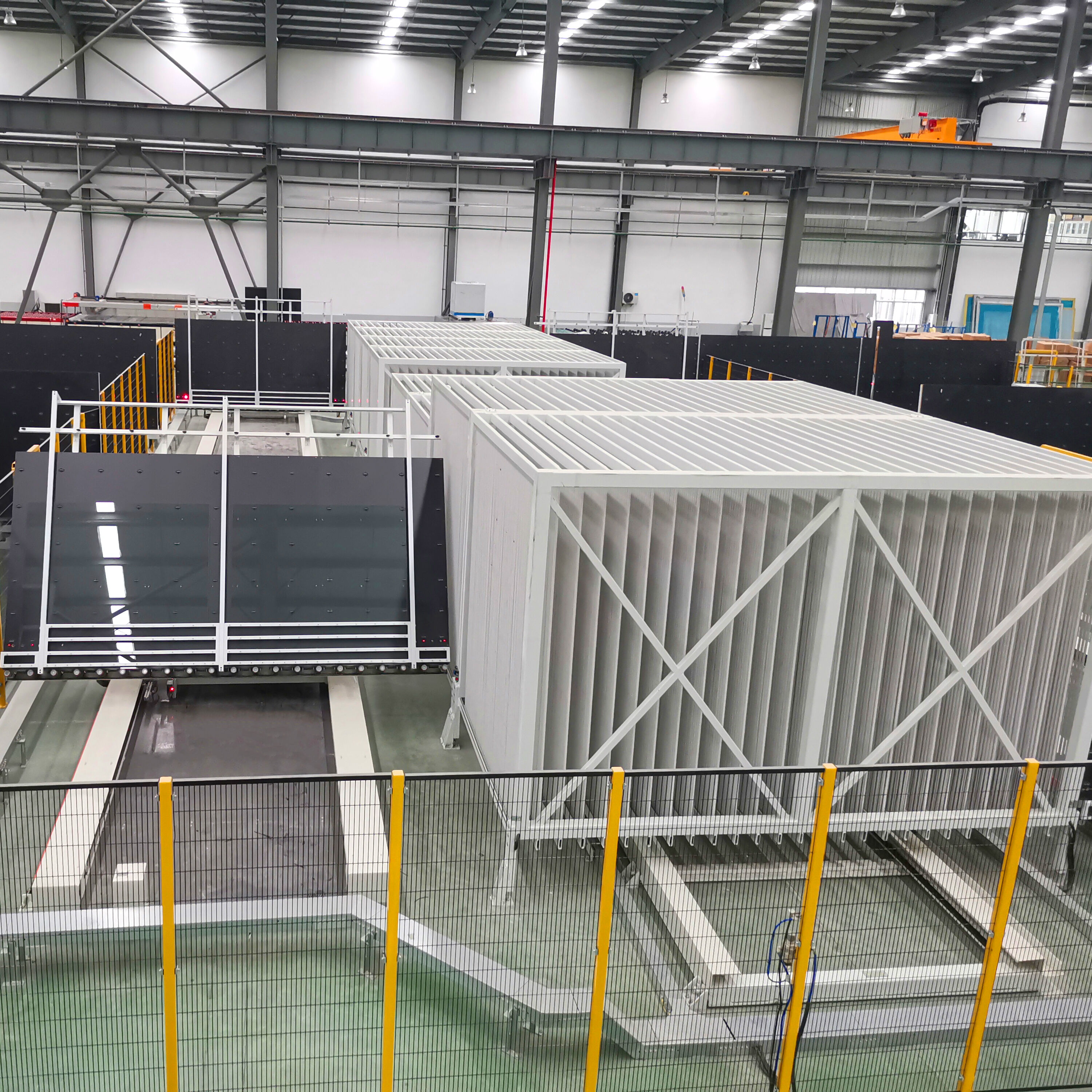
An automatic glass storage warehouse represents a cutting-edge solution designed specifically for the safe handling, organized storage, and efficient retrieval of glass sheets and panels in manufacturing and distribution facilities. This sophisticated system combines robotics, intelligent software management, and precision engineering to transform traditional glass storage methods into streamlined automated operations. The automatic glass storage warehouse utilizes vertical or horizontal racking configurations equipped with automated cranes or robotic arms that can precisely position and retrieve glass pieces of varying sizes and thicknesses. The main functions include automated loading and unloading of glass materials, systematic inventory tracking through integrated software platforms, optimized space utilization through high-density storage configurations, and real-time monitoring of stock levels and glass positioning. Technological features encompass advanced sensor systems that detect glass dimensions and quality, programmable logic controllers that coordinate movement patterns, safety mechanisms including laser detection and emergency stop protocols, climate control capabilities to maintain optimal storage conditions, and integration with enterprise resource planning systems for seamless workflow management. The system employs sophisticated algorithms to determine optimal storage locations based on factors such as glass type, dimensions, retrieval frequency, and production schedules. Applications span across architectural glass fabrication facilities, automotive glass manufacturing plants, furniture production companies, solar panel manufacturing operations, and glass distribution centers. These warehouses significantly enhance operational efficiency by reducing manual handling requirements, minimizing breakage rates, accelerating order fulfillment processes, and maximizing available floor space. The automatic glass storage warehouse serves as a critical component in modern glass processing operations, enabling businesses to maintain competitive advantages through improved productivity and reduced operational costs.

New Products

Implementing an automatic glass storage warehouse delivers transformative benefits that directly impact your bottom line and operational capabilities. First and foremost, safety improvements become immediately apparent as the system eliminates the need for workers to manually handle heavy and fragile glass sheets, drastically reducing workplace injuries and associated costs. The automated handling mechanisms ensure consistent, careful manipulation of materials, preventing the physical strain and accident risks that traditionally plague glass handling operations. Space optimization represents another substantial advantage, as these systems can store significantly more material within the same footprint compared to conventional methods. Vertical storage configurations can reach heights that would be impractical or unsafe for manual operations, effectively multiplying your storage capacity without expanding your facility. This efficiency translates directly into reduced real estate costs and better utilization of existing infrastructure. The automatic glass storage warehouse delivers remarkable speed improvements in material retrieval and storage operations. What might take workers several minutes to locate and retrieve manually can be accomplished in seconds through automated systems, dramatically accelerating production workflows and order fulfillment timelines. This velocity enhancement means you can process more orders, respond faster to customer demands, and maintain leaner inventory levels without sacrificing service quality. Accuracy and inventory control reach new levels of precision with automated tracking systems that monitor every piece of glass entering or leaving storage. The system maintains real-time records of material locations, quantities, and specifications, eliminating the inventory discrepancies and lost materials that commonly occur with manual tracking methods. This transparency enables better planning, reduces emergency ordering situations, and provides accurate data for business decision-making. Cost reduction manifests across multiple dimensions including decreased breakage rates through gentler automated handling, lower labor expenses as fewer workers are needed for storage operations, reduced insurance premiums due to improved safety records, and minimized waste from damaged materials. The system pays for itself over time through these cumulative savings. Quality preservation improves as the automatic glass storage warehouse maintains optimal environmental conditions and minimizes handling frequency, protecting materials from scratches, chips, and contamination. Scalability becomes effortless since you can expand system capacity by adding storage modules or upgrading software without redesigning your entire operation, allowing your storage infrastructure to grow alongside your business demands without major disruptions or capital expenditures.

Latest News

What Are the Benefits of Using an Automated Glass Sorting System?

24

Sep

What Are the Benefits of Using an Automated Glass Sorting System?

Revolutionizing Glass Recycling Through Advanced Automation The glass recycling industry is undergoing a remarkable transformation with the integration of automated glass sorting systems. These sophisticated technologies are reshaping how recycling f...
View More
How Do Glass Drilling Machines Achieve Precision and Accuracy?

28

Oct

How Do Glass Drilling Machines Achieve Precision and Accuracy?

The Engineering Marvel Behind Modern Glass Drilling Technology Glass drilling machines represent the pinnacle of precision engineering in today's manufacturing landscape. These sophisticated pieces of equipment combine advanced technology with mechan...
View More
What Maintenance Practices Keep Double Edgers Performing Optimally?

24

Nov

What Maintenance Practices Keep Double Edgers Performing Optimally?

Double edgers represent sophisticated industrial machinery that requires systematic maintenance protocols to ensure consistent performance and operational longevity. These precision instruments, commonly utilized in glass processing facilities and ma...
View More
What Should Manufacturers Consider When Selecting Equipment for Insulating Glass Production?

19

Dec

What Should Manufacturers Consider When Selecting Equipment for Insulating Glass Production?

Modern insulating glass manufacturing demands precision, efficiency, and cutting-edge technology to meet the growing requirements of energy-efficient building construction. Selecting the right equipment for insulating glass production involves carefu...
View More

Get a Free Quote

Our representative will contact you soon.
Email
Name
Company Name
Message
0/1000

automatic glass storage warehouse

Intelligent Material Management and Precision Tracking Capabilities

Intelligent Material Management and Precision Tracking Capabilities

The automatic glass storage warehouse revolutionizes how businesses manage their glass inventory through sophisticated intelligent material management systems that bring unprecedented visibility and control to storage operations. At the core of this capability lies advanced software that functions as the brain of the entire operation, continuously monitoring every glass sheet within the facility and maintaining detailed digital records of each item's specifications, location, and status. This intelligent system assigns unique identifiers to individual glass pieces or batches, tracking characteristics such as dimensions, thickness, coating types, quality grades, supplier information, and receipt dates. The precision tracking extends beyond simple location data to include complete material histories, documenting every movement, quality inspection result, and processing step each piece undergoes. When operators need specific glass materials for production or order fulfillment, the system instantly identifies the optimal pieces based on project requirements and retrieves them with pinpoint accuracy, eliminating the time-consuming search processes that plague manual warehouses. The intelligent management system interfaces seamlessly with production planning software, enabling just-in-time material delivery that synchronizes storage operations with manufacturing schedules. This integration prevents production delays caused by material unavailability while simultaneously reducing excess inventory accumulation. The automatic glass storage warehouse employs predictive analytics that examine usage patterns and forecast future material requirements, generating proactive alerts when stock levels approach reorder points and providing data-driven recommendations for purchasing decisions. Quality assurance benefits significantly from the tracking capabilities, as the system can implement first-in-first-out rotation protocols to ensure older materials are used before newer stock, preventing degradation issues. Batch tracing becomes effortless when quality issues arise, allowing rapid identification and isolation of affected materials without disrupting entire inventory sections. The system generates comprehensive reports detailing inventory turnover rates, storage duration statistics, retrieval frequency patterns, and space utilization metrics, empowering management with actionable intelligence for continuous operational improvement. Security features embedded within the intelligent management framework include access controls that restrict material handling permissions to authorized personnel, audit trails documenting every system interaction, and anomaly detection algorithms that flag unusual activities or discrepancies for investigation.
Enhanced Safety Protocols and Damage Prevention Mechanisms

Enhanced Safety Protocols and Damage Prevention Mechanisms

Safety stands as a paramount concern in glass handling operations, and the automatic glass storage warehouse addresses this critical need through comprehensive safety protocols and damage prevention mechanisms that protect both personnel and valuable materials. Traditional glass warehouses present numerous hazards including heavy lifting injuries, cuts from sharp edges, crushing risks from falling materials, and ergonomic problems from repetitive manual handling. The automated system eliminates direct worker exposure to these dangers by assuming responsibility for all material movement tasks. Advanced sensor arrays create protective zones around operational areas, immediately halting machinery movement when unauthorized personnel or obstacles enter danger zones. These safety sensors employ multiple detection technologies including laser scanning, infrared monitoring, and pressure-sensitive floor mats to ensure redundant protection layers that maintain safe working environments. The automatic glass storage warehouse incorporates gentle handling algorithms that control acceleration rates, movement speeds, and positioning forces to prevent shock loads that could crack or shatter glass materials. Specialized gripper mechanisms adapt to different glass thicknesses and surface treatments, applying precisely calibrated pressure that secures materials without causing stress concentrations or surface damage. Climate control systems maintain stable temperature and humidity levels within optimal ranges, preventing thermal stress, condensation formation, and environmental degradation that compromise glass integrity. Vibration isolation features protect stored materials from external disturbances caused by nearby machinery or traffic, while cushioned support surfaces distribute weight evenly to avoid pressure points that could initiate cracks. The system implements sophisticated collision avoidance programming that maps three-dimensional space within the warehouse and coordinates multiple robotic elements to prevent interference or contact during simultaneous operations. Emergency response capabilities include backup power systems ensuring controlled shutdown sequences during power failures, manual override controls allowing operators to intervene in emergency situations, and fire suppression systems designed specifically for automated warehouse environments. Regular diagnostic routines continuously monitor equipment condition, identifying wear patterns or performance degradation before they lead to failures that could endanger workers or damage inventory. The automatic glass storage warehouse maintains detailed incident logs documenting any safety system activations, near-miss events, or equipment malfunctions, providing valuable data for ongoing safety improvements and regulatory compliance documentation.
Operational Efficiency and Throughput Optimization Features

Operational Efficiency and Throughput Optimization Features

The automatic glass storage warehouse fundamentally transforms operational efficiency through throughput optimization features that maximize productivity while minimizing resource consumption and operational bottlenecks. Speed represents a critical advantage, with automated retrieval systems capable of locating and delivering requested materials in a fraction of the time required for manual operations. High-velocity cranes and robotic handlers travel at optimized speeds along precision rails, executing complex movement patterns that human workers simply cannot match. The system processes multiple retrieval or storage requests simultaneously through intelligent task scheduling algorithms that determine optimal execution sequences, minimizing travel distances and idle time. This parallel processing capability means production lines receive steady material flows without waiting periods that interrupt manufacturing rhythms. Space utilization reaches maximum efficiency as the automatic glass storage warehouse exploits vertical dimensions that manual operations cannot safely access, often doubling or tripling storage density within existing facilities. Narrow aisle configurations become practical when human workers no longer need passage space, allowing more aisles and storage positions within the same floor area. The system dynamically reorganizes stored materials based on access frequency patterns, positioning high-demand items in easily accessible locations while moving slower-moving inventory to deeper storage positions, continuously optimizing retrieval efficiency. Energy efficiency features including regenerative braking systems that capture movement energy, intelligent lighting that activates only in active zones, and optimized routing algorithms that minimize unnecessary machine movements reduce operational costs while supporting sustainability objectives. The automatic glass storage warehouse integrates with upstream and downstream processes through automated conveyor connections, robotic handoff stations, and digital communication protocols that create seamless material flows from receiving through storage to production deployment. Maintenance efficiency improves through predictive monitoring systems that schedule servicing based on actual equipment condition rather than arbitrary time intervals, reducing downtime and extending machinery lifespan. Scalability features allow capacity expansion through modular additions that integrate seamlessly with existing infrastructure, enabling businesses to grow storage capabilities incrementally as demand increases without wholesale system replacements. Performance analytics provide visibility into throughput rates, cycle times, equipment utilization percentages, and process bottlenecks, enabling continuous improvement initiatives that progressively enhance operational effectiveness and return on investment.