Ühtlane toote kvaliteet ja protsessi usaldusväärsus
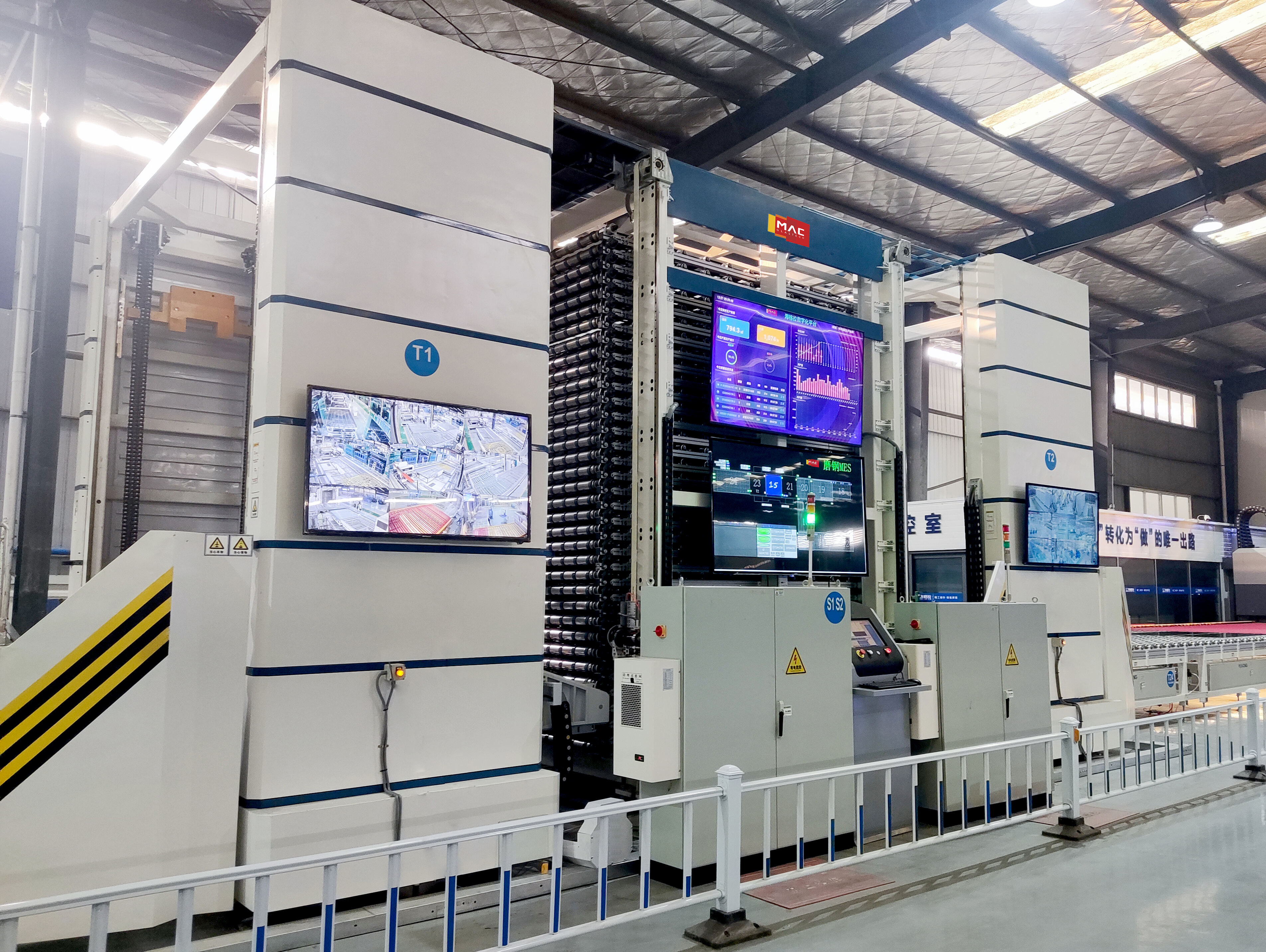
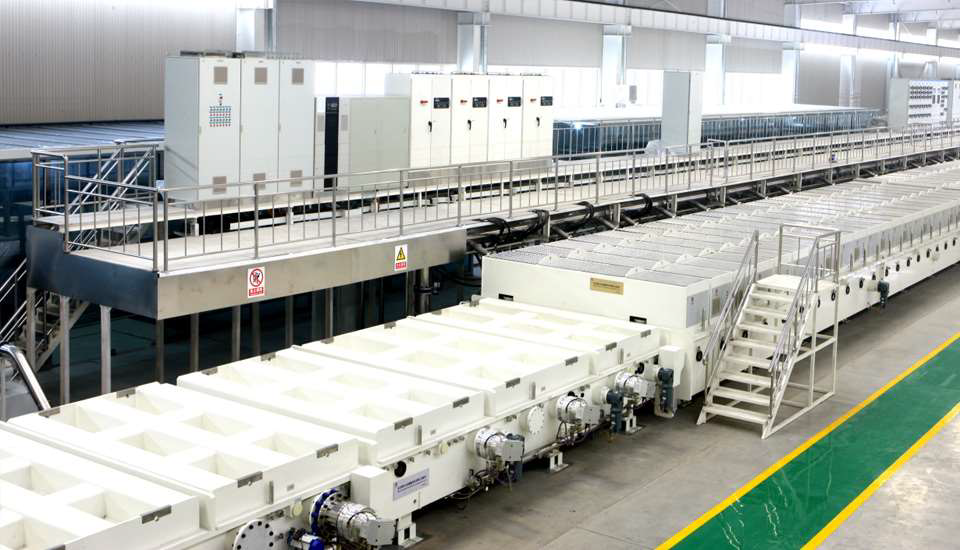
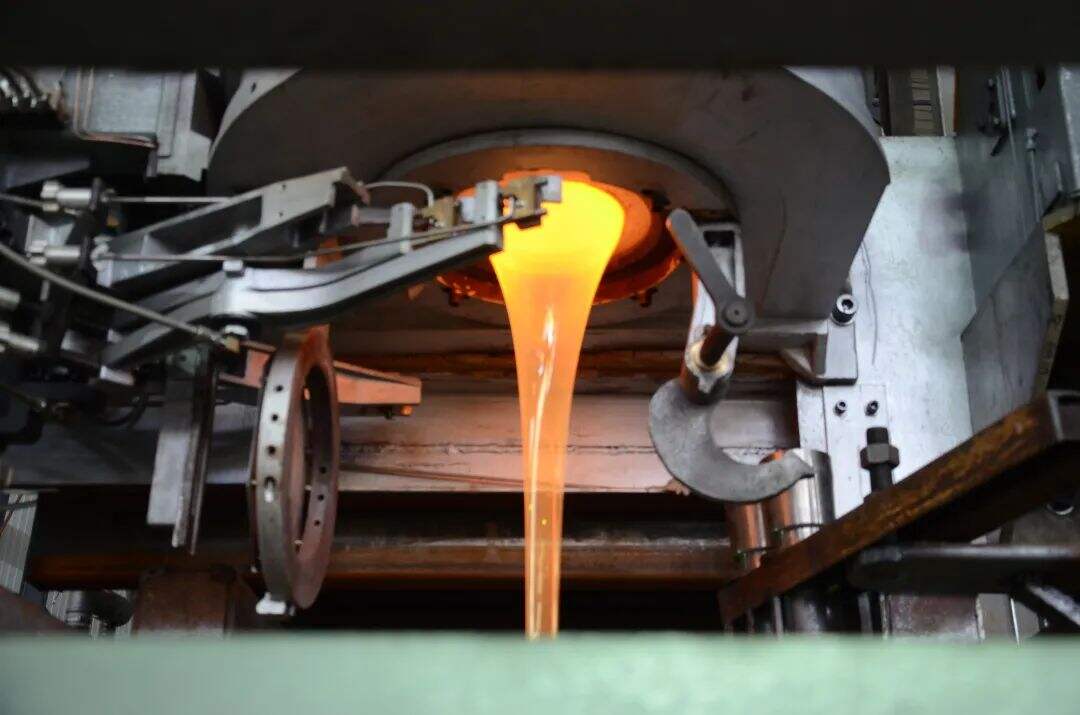
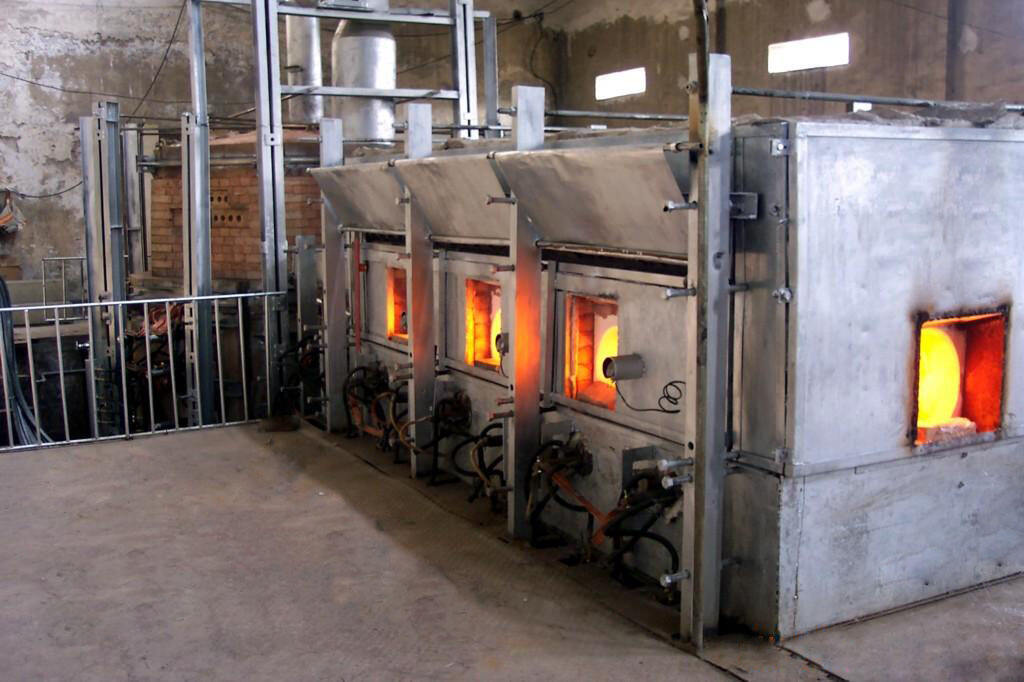
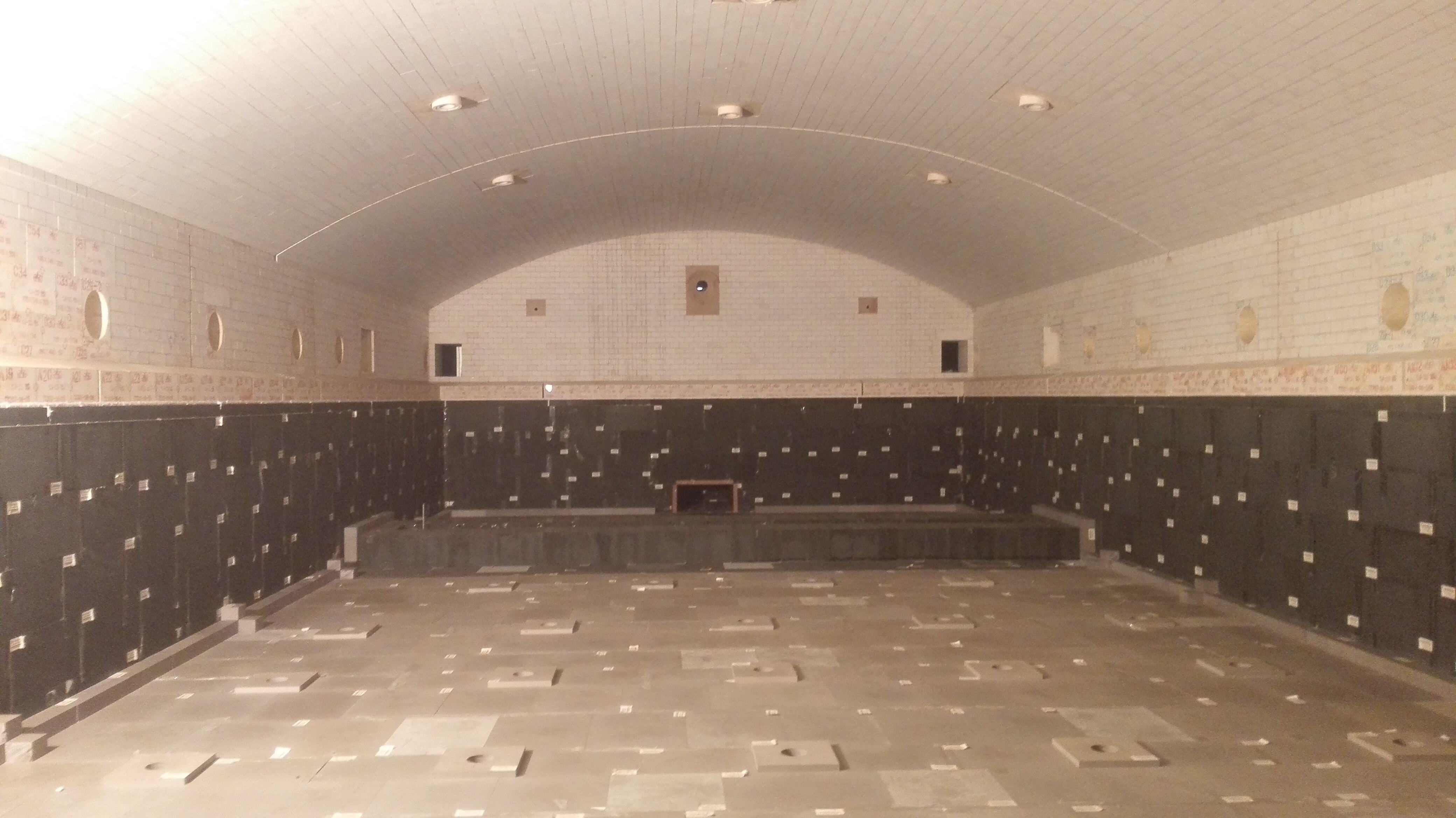
Tööstuslik klaasipõletusahjut, mille varustus sisaldab tänapäevast protsessijuhtimistehnoloogiat, tagab seni nägemata järjepidevuse klaasi koostises ja füüsikalisetes omadustes, lahendades otseselt kvaliteediga seotud probleemid, mis on ajaloos pidevalt häirinud klaasitootmise tootmistegevust. Arvutipõhised temperatuuri juhtimissüsteemid säilitavad sulatamiszooni temperatuuri väga kitsas tolerantsvahemikus, kõrvaldades soojuslikud kõikumised, mis põhjustavad koostise ühtlasust ja füüsikalisi puudusi valmis toodetes. Ahju kogu ulatuses paigutatud optilised andurid ja termopaarid annavad reaalajas tagasisidet juhtimisalgoritmidele, mis teevad hetkeks kohandusi põletite tule tugevusele, tagades ühtlase soojusjaotuse kogu klaasipinnal. See soojuslik stabiilsus on eriti oluline eriklaasitoodete tootmisel, kus isegi väikesed temperatuuri kõikumised võivad muuta terve tootmispargi kasutuskõlbmatuks. Täpselt projekteeritud tööstuslike klaasiahjute süsteemide tagatud pikendatud viibimisaeg võimaldab täielikke keemilisi reaktsioone lähtematerjalide komponentide vahel, tagades põhjaliku ühtlustamise, mis kõrvaldab seemned ja kivid, mis muul moel ohustaksid toote terviklikkust. Täppiselt kavandatud rafineerimiszoonides kasutatakse strateegiliselt paigutatud õhupuhujaid või segajaid, mis soodustavad konvektiivseid voolusid sulanud klaasis ja kiirendavad gaasikujuliste lisandite tõusu pinnale, kust nad saavad ohutult eemalduda. Kaasaegsete ahjude kontrollitud atmosfääri võimalused takistavad soovimatuid oksüdatsioon- või redutseerumisreaktsioone, mis muudaksid klaasi värvi ja läbipaistvusomadusi, säilitades seega kogu tootmispargi vältel ühtlased optilised omadused. Ahju juhtimissüsteemiga ühendatud automaatsed partii laadimissüsteemid tagavad täpse lähtematerjalide osakaalade järgimise, kõrvaldades inimlikud mõõtmisvigu, mis on ajaloos põhjustanud koostise muutlikkust. Tööstuslike klaasiahjute paigalduste pidev tootmisvõime kõrvaldab partii sulatamisprotsessides omanäolise soojusliku tsükli, eemaldades suureima stressiga seotud vigade allikat ning parandades samal ajal kogu energiatõhusust. Eeldava hoolduse algoritmid jälgivad tulekindlate materjalide kulutumismustreid ja süsteemi tööparameetreid ning hoiatavad operaatoreid potentsiaalsetest probleemidest enne, kui need põhjustavad kvaliteediprobleeme või ootamatuid seiskumisi. Hästi projekteeritud ahjusüsteemide loodud stabiilne soojuslik keskkond ulatub kaugemale kui sulatamiskamber, tagades ühtlase klaasi temperatuuri kujundusjaamas, mis parandab mõõtmete kontrolli ja vähendab tühistuste määra. Ahju juhtimissüsteemiga integreeritud dokumenteerimissüsteemid loovad põhjalikud tootmislogid, mis seovad protsessiparameetrid valmis toote omadustega, võimaldades kiiret juurte analüüsi siis, kui kvaliteediprobleemid tekivad, ning toetades pideva parandamise algatusi.
 EN
EN
 AR
AR
 BG
BG
 HR
HR
 CS
CS
 DA
DA
 NL
NL
 FI
FI
 FR
FR
 DE
DE
 EL
EL
 HI
HI
 IT
IT
 JA
JA
 KO
KO
 PL
PL
 PT
PT
 RO
RO
 RU
RU
 ES
ES
 SV
SV
 TL
TL
 IW
IW
 LV
LV
 LT
LT
 SK
SK
 SL
SL
 UK
UK
 VI
VI
 ET
ET
 HU
HU
 MT
MT
 TH
TH
 TR
TR
 FA
FA
 MS
MS
 SW
SW
 GA
GA
 AZ
AZ