Precision Water Jet Cutting Technology - Advanced Manufacturing Solutions for Multiple Industries

All Categories

Get a Free Quote

Our representative will contact you soon.
Email
Name
Company Name
Message
0/1000

precision water jet

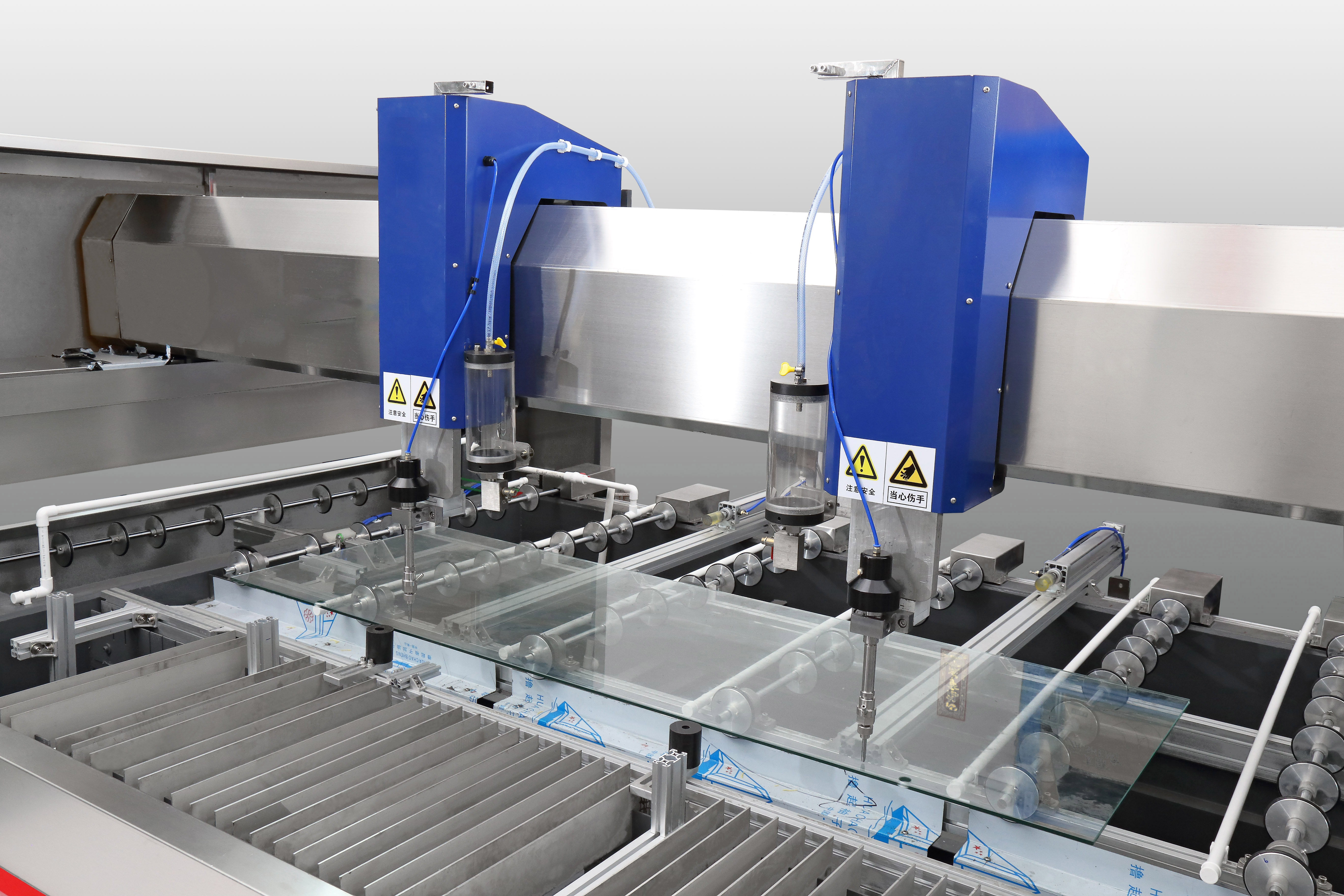
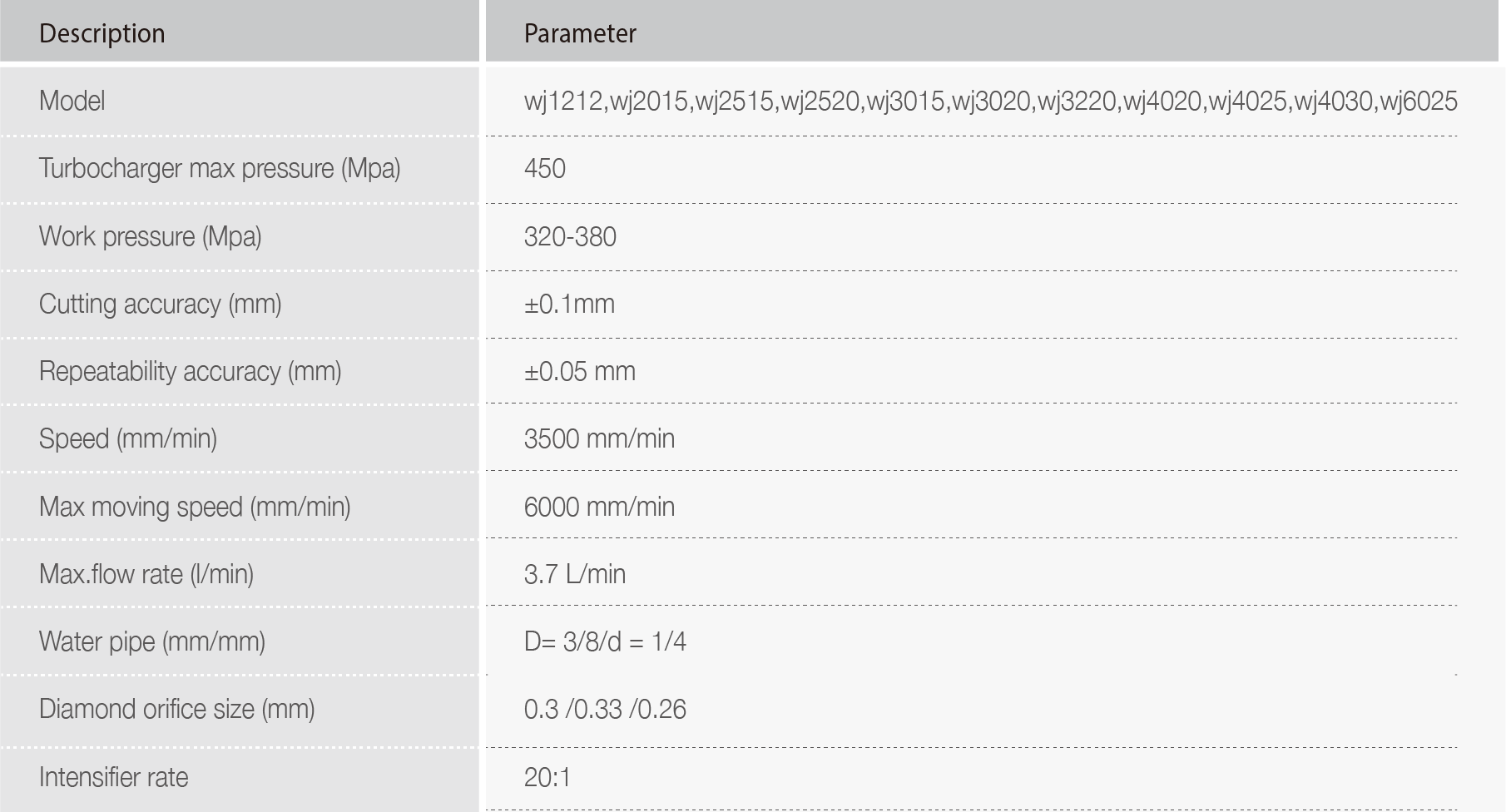
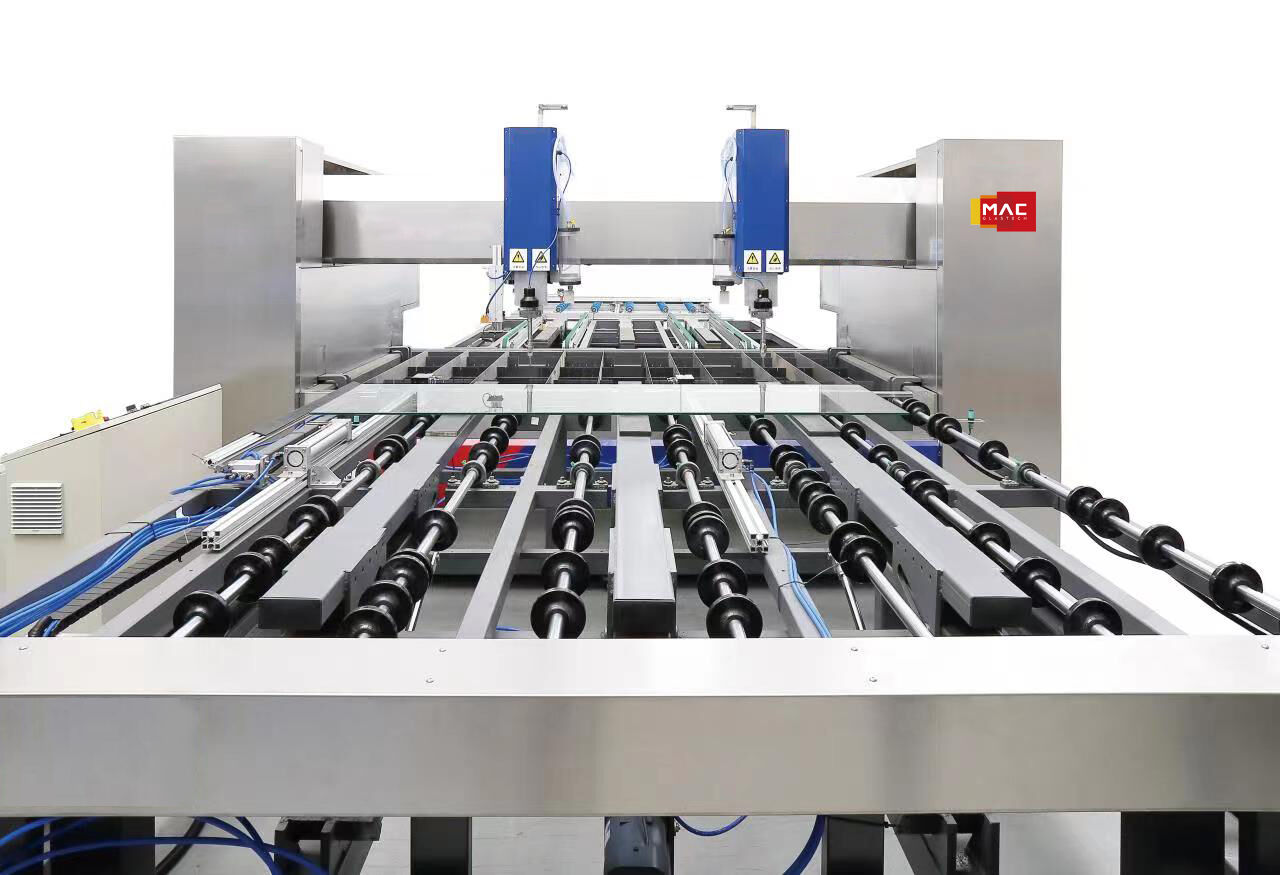
A precision water jet represents an advanced cutting technology that utilizes highly pressurized water, often mixed with abrasive particles, to slice through various materials with exceptional accuracy. This innovative manufacturing tool operates by forcing water through a narrow orifice at pressures reaching up to 90,000 pounds per square inch, creating a focused stream capable of cutting materials ranging from soft foam to hardened steel. The precision water jet system consists of several critical components including a high-pressure pump, cutting head assembly, motion control system, and abrasive delivery mechanism. Modern precision water jet machines integrate computer numerical control technology, enabling operators to execute complex cutting patterns with repeatability and minimal material waste. The cutting process generates no heat-affected zones, preserving the structural integrity and mechanical properties of base materials throughout fabrication. Industries worldwide have adopted precision water jet technology for applications requiring intricate geometries, tight tolerances, and clean edge finishes. Manufacturing facilities utilize these systems for prototyping, production runs, and custom fabrication projects across diverse sectors. The versatility of precision water jet cutting allows processors to handle multiple material types without changing tooling or reconfiguring equipment settings extensively. Operators can process metals, composites, glass, stone, ceramics, and plastics using the same machine platform. The technology eliminates mechanical stress on workpieces since the cutting force remains minimal compared to traditional machining methods. Environmental benefits include reduced hazardous waste generation and lower energy consumption relative to thermal cutting alternatives. Precision water jet systems accommodate materials in thicknesses from paper-thin sheets to plates exceeding six inches, providing exceptional flexibility for diverse manufacturing requirements. The cold-cutting nature of this technology prevents material warping, hardening, or distortion, making it ideal for heat-sensitive substrates and precision components requiring dimensional stability.

New Product Recommendations

Choosing a precision water jet for your manufacturing operations delivers numerous practical benefits that directly impact production efficiency and bottom-line results. The technology eliminates the need for secondary finishing operations in most applications, saving both time and labor costs associated with deburring, grinding, or polishing cut edges. You can achieve smooth, clean cuts that often meet final specifications immediately after processing, accelerating project timelines and reducing handling requirements. The absence of heat during cutting prevents material distortion, meaning you avoid costly rework and scrap associated with thermal expansion or metallurgical changes. Your production facility gains flexibility because precision water jet systems handle material changes quickly without expensive tooling investments or lengthy setup procedures. You can switch from cutting aluminum to titanium, then to glass or carbon fiber composites within minutes, maximizing equipment utilization and responding rapidly to changing customer demands. The precision water jet produces narrow kerf widths, typically between 0.020 and 0.050 inches, which translates to significant material savings over time, especially when processing expensive substrates like exotic alloys or engineered composites. You maintain tighter nesting patterns and extract more finished parts from each sheet, directly improving material yield rates and reducing raw material expenditures. Safety advantages become apparent since precision water jet operations eliminate sparks, fumes, and hazardous gases associated with plasma, laser, or oxy-fuel cutting methods, creating a healthier work environment and reducing ventilation system requirements. Your operators work with reduced exposure to harmful emissions while you minimize regulatory compliance burdens related to air quality management. The technology accommodates stack cutting, allowing you to process multiple layers simultaneously and multiply production output without additional machine investment. You achieve consistent quality across all layers since the precision water jet maintains cutting performance throughout the material stack. Maintenance requirements remain manageable with modern precision water jet systems, as consumable costs center primarily on abrasive media and orifice jewels rather than expensive laser optics or plasma consumables. Your facility benefits from predictable operating costs and straightforward maintenance schedules that minimize unexpected downtime. The precision water jet enables you to cut intricate internal features, sharp corners, and small-radius curves that challenge conventional machining methods, expanding your design capabilities and allowing you to accept more complex projects. You can produce parts with feature details down to a few thousandths of an inch, meeting demanding specifications across aerospace, medical device, and precision instrumentation applications.

Latest News

How Does a Glass Sorting System Integrate with Other Glass Lines?

24

Sep

How Does a Glass Sorting System Integrate with Other Glass Lines?

Seamless Integration of Modern Glass Sorting Technologies The integration of a glass sorting system into existing production lines represents a significant advancement in glass manufacturing and recycling operations. These sophisticated systems utili...
View More
Why Are Glass Drilling Machines Vital in Automotive and Construction Industries?

28

Oct

Why Are Glass Drilling Machines Vital in Automotive and Construction Industries?

The Evolution of Glass Processing Technology in Modern Industries The landscape of industrial manufacturing has been transformed by the advent of sophisticated glass drilling machines, revolutionizing how we process and manipulate glass materials. Th...
View More
How Do Glass Drilling Machines Handle Different Glass Thicknesses Safely?

28

Oct

How Do Glass Drilling Machines Handle Different Glass Thicknesses Safely?

Understanding Modern Glass Drilling Technology and Safety Mechanisms The world of glass fabrication has evolved significantly with the introduction of advanced glass drilling machines that can handle various glass thicknesses with remarkable precisio...
View More
Why Is Automated Insulating Glass Production Increasing in Large Factories?

19

Dec

Why Is Automated Insulating Glass Production Increasing in Large Factories?

The construction and manufacturing industries are experiencing a significant shift toward automation, with automated insulating glass production leading this transformation in large-scale factories. This evolution represents more than just technologi...
View More

Get a Free Quote

Our representative will contact you soon.
Email
Name
Company Name
Message
0/1000

precision water jet

Unmatched Material Versatility for Diverse Manufacturing Needs

Unmatched Material Versatility for Diverse Manufacturing Needs

The precision water jet stands out in modern manufacturing environments due to its remarkable ability to process virtually any material regardless of hardness, thickness, or composition. This universal cutting capability eliminates the need to maintain multiple specialized cutting systems, consolidating your equipment investment while expanding production capabilities. When you implement precision water jet technology, your facility gains the freedom to accept projects involving exotic materials that would prove challenging or impossible with conventional methods. The system cuts reflective metals like copper and brass without the beam reflection issues that plague laser systems, and it processes composites without delamination or fiber pullout common with mechanical cutting tools. You can work with brittle materials such as glass, ceramics, and stone that crack or shatter under mechanical stress, achieving clean edges and intricate patterns previously requiring specialized expertise. The precision water jet handles laminated materials and sandwich structures without separating layers, maintaining bonded integrity throughout the cutting process. Temperature-sensitive materials including certain plastics, rubber, and foam products retain their properties since the cutting stream remains at near-ambient temperature despite the extreme pressure involved. Your production team can cut hardened tool steels and abrasion-resistant materials without pre-softening treatments or concern about tool wear, since the precision water jet experiences no cutting edge degradation. This material flexibility extends to thickness ranges that span from delicate 0.005-inch foils to heavy 12-inch plates, with cutting quality remaining consistent across the spectrum. You eliminate the strategic planning typically required to match materials with appropriate cutting technologies, streamlining workflow and reducing production planning complexity. The precision water jet accommodates materials in their finished hardened state, removing the need for post-cut heat treatment that can introduce dimensional changes and necessitate additional grinding operations. Your quality control processes simplify since the precision water jet produces no metallurgical alterations, heat-affected zones, or mechanical work-hardening that could affect inspection results or part performance. The system cuts through coated or plated materials without damaging surface finishes, preserving expensive treatments and eliminating touch-up work. You gain competitive advantages when bidding on projects requiring mixed-material assemblies or prototype work involving material experimentation, as the precision water jet adapts instantly to specification changes without retooling delays or setup costs.
Exceptional Precision and Edge Quality for Critical Applications

Exceptional Precision and Edge Quality for Critical Applications

Manufacturing components for demanding industries requires cutting technology that delivers consistent accuracy and superior edge finishes, and the precision water jet excels in both areas through its unique cutting mechanism and advanced motion control systems. The focused stream diameter of a precision water jet enables cutting tolerances within plus or minus 0.003 inches on most materials, meeting specifications for precision mechanical assemblies, aerospace components, and medical devices where dimensional accuracy directly affects functionality and safety. You achieve this level of precision without the mechanical forces that cause deflection in traditional machining, ensuring parts maintain designed dimensions even when cutting thin, flexible materials prone to distortion under clamping or cutting pressure. The precision water jet produces square, perpendicular edges with minimal taper throughout the material thickness, eliminating the beveled edges common with angled cutting methods and reducing or eliminating secondary machining requirements. Your finished parts exhibit smooth edge conditions with surface finishes typically ranging from 125 to 250 microinches Ra, which proves acceptable for many assembly applications without additional finishing operations. The absence of burrs, dross, or recast layers means precision water jet parts often proceed directly to cleaning and assembly stages, compressing production schedules and reducing handling costs. You gain repeatability that ensures consistency across production runs, with the precision water jet reproducing complex geometries within tight tolerances part after part without tool wear degradation that necessitates constant adjustment. Computer numerical control integration allows programming of intricate tool paths that follow complex curves, create sharp internal corners down to the width of the cutting stream, and execute precision drilling operations for bolt holes and mounting features. The precision water jet maintains accuracy regardless of cutting direction or path complexity, unlike mechanical processes where tool deflection varies with cutting forces and direction changes. Your design engineers gain freedom to specify optimal part geometries without manufacturing constraints imposed by tooling limitations or concerns about achievable tolerances. The technology supports micro-machining applications where precision water jet systems equipped with specialized nozzles create features measuring just a few thousandths of an inch with clean, defined edges. You can produce parts with multiple features at different depths through controlled piercing and depth-limited cutting techniques, adding functionality without secondary operations. The precision water jet accommodates extremely complex nesting patterns where parts fit tightly together with minimal scrap, as the narrow kerf width and exceptional accuracy allow closer spacing than possible with wider-cutting technologies or those producing heat distortion zones around cuts.
Cost-Effective Operation with Minimal Environmental Impact

Cost-Effective Operation with Minimal Environmental Impact

Modern manufacturing facilities face increasing pressure to control operating costs while meeting stringent environmental regulations, and the precision water jet addresses both concerns through efficient operation and environmentally responsible processes. The system operates with remarkable energy efficiency compared to thermal cutting alternatives, as the precision water jet requires no preheating, material warm-up, or cooling cycles that consume energy without contributing to actual cutting production. You benefit from lower utility costs since the primary energy consumption centers on the high-pressure pump operation, which modern variable-frequency drive systems optimize based on actual cutting requirements rather than running continuously at maximum capacity. The precision water jet generates minimal waste compared to subtractive manufacturing methods, as the narrow kerf removes only the material necessary for separation rather than creating chips, swarf, or substantial waste volume requiring disposal. Your facility reduces waste management costs and landfill fees while potentially recovering more value from scrap materials since precision water jet waste consists of base material mixed with garnet or other recyclable abrasive rather than contaminated chips laden with cutting fluids. Water consumption remains modest through closed-loop filtration systems that continuously recirculate cutting water, requiring only periodic replacement rather than continuous fresh water supply. You minimize wastewater treatment requirements and discharge permit complications since the precision water jet uses only water and inert abrasive without chemical additives, solvents, or hazardous cutting compounds. The absence of combustion processes, electrical arcs, or high-temperature reactions means precision water jet operation produces no airborne emissions, fumes, or hazardous gases requiring expensive ventilation systems or air quality monitoring equipment. Your workplace environment improves significantly as operators work without exposure to metal fumes, ozone, nitrogen oxides, or particulate emissions associated with thermal cutting technologies. The precision water jet requires no consumable gases, eliminating cylinder storage areas, pressure regulation systems, and the ongoing expense of bottled gases or cryogenic liquid supplies. You avoid the safety concerns and regulatory requirements associated with compressed gas storage and handling while eliminating supply chain vulnerabilities related to gas availability or price fluctuations. Noise levels from precision water jet operation remain manageable, especially with systems incorporating underwater cutting tanks that muffle the sound of the high-velocity stream impacting material and the catcher tank below. Your facility maintains a more comfortable acoustic environment without the loud grinding, plasma arc hiss, or mechanical press noise that characterizes alternative cutting methods. The precision water jet operates safely with straightforward lockout procedures and minimal pinch points or mechanical hazards, simplifying safety training and reducing accident potential compared to equipment with multiple moving cutting heads, rotating tools, or high-temperature surfaces.