Float Glass Plant Manufacturing Solutions - Advanced Production Technology & Benefits

All Categories

Get a Free Quote

Our representative will contact you soon.
Email
Name
Company Name
Message
0/1000

float glass plant

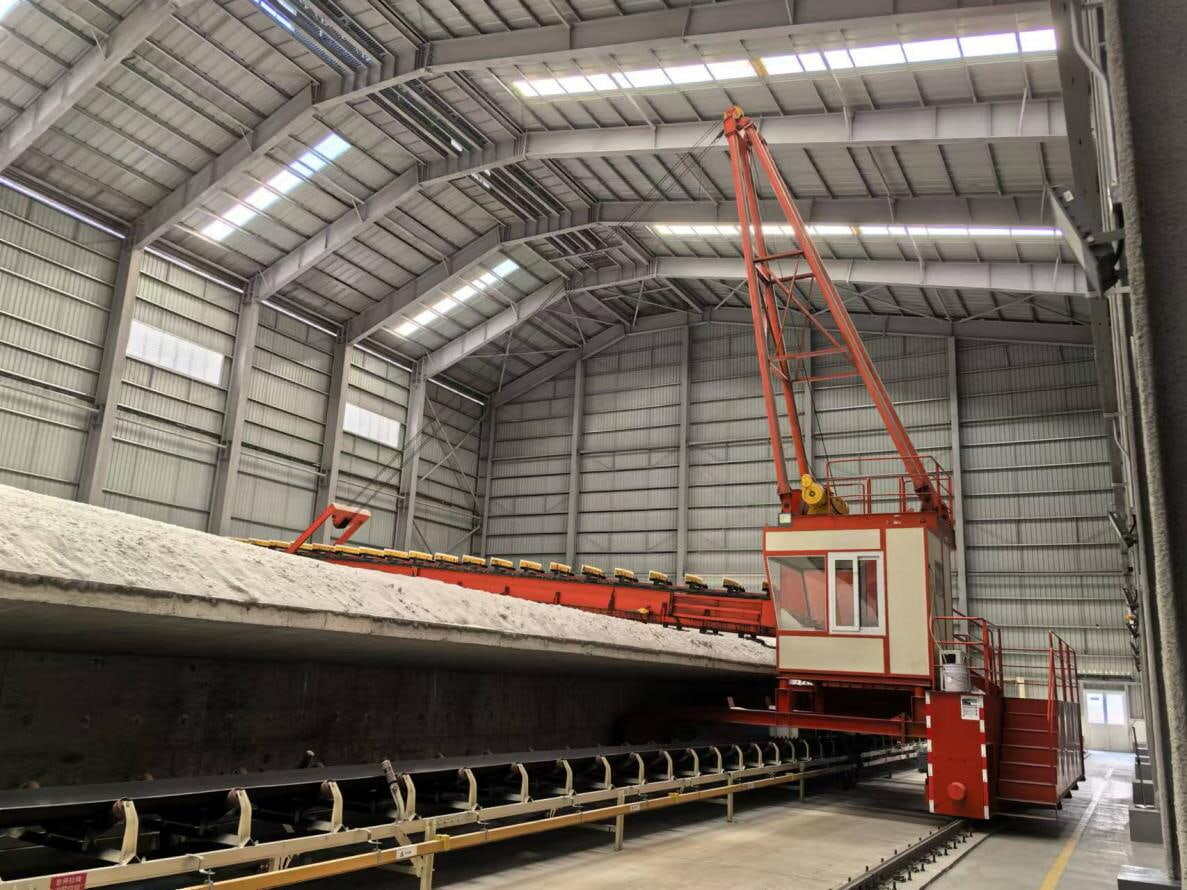
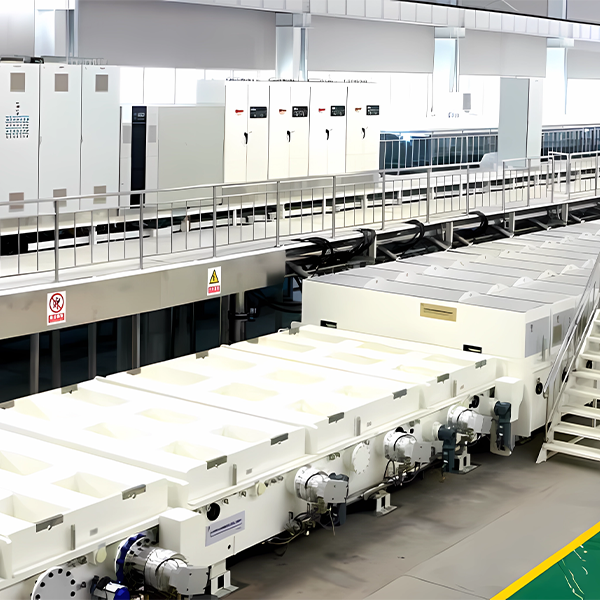
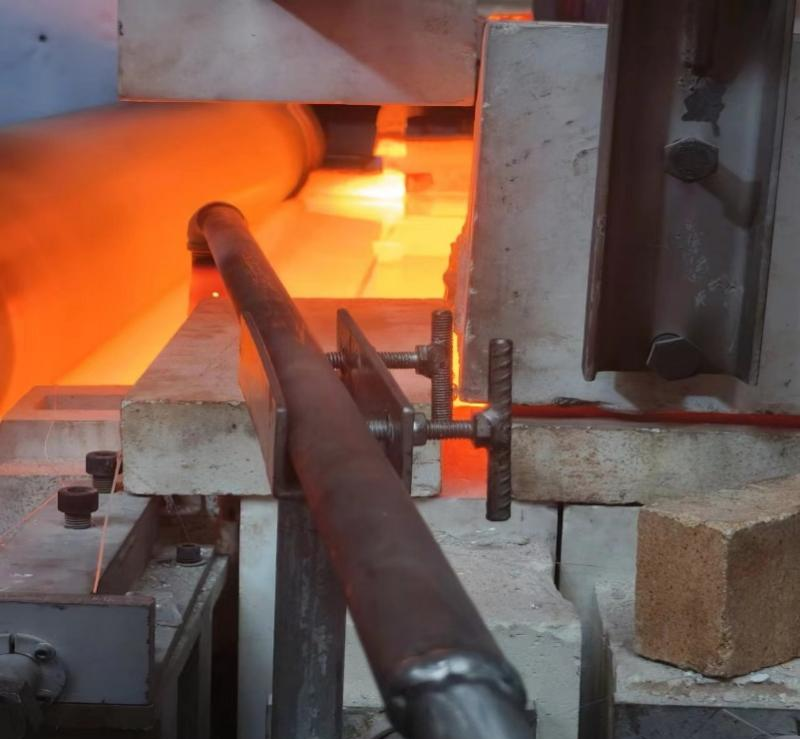
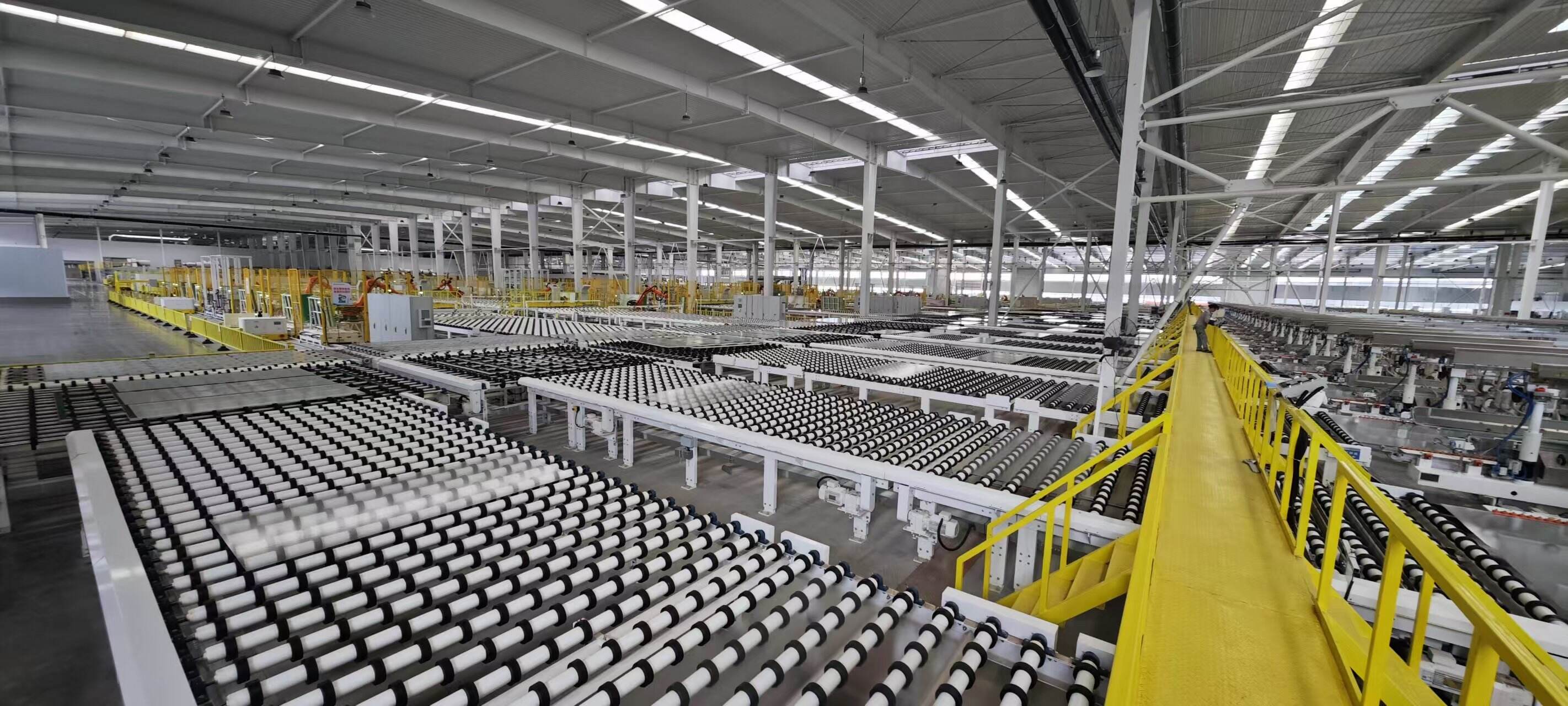
A float glass plant represents a sophisticated manufacturing facility that produces high-quality flat glass through the revolutionary float process. This industrial establishment serves as the backbone of modern glass production, creating transparent sheets used across construction, automotive, and various industrial sectors. The float glass plant operates by melting raw materials including silica sand, soda ash, limestone, and dolomite at temperatures exceeding 1500 degrees Celsius. The molten glass then flows continuously onto a bath of molten tin, where it spreads naturally to form a ribbon with uniform thickness and perfectly smooth surfaces. This technological breakthrough eliminates the need for grinding and polishing, delivering superior optical quality directly from the production line. The main functions of a float glass plant encompass raw material preparation, batch mixing, melting, forming on the tin bath, annealing in a controlled cooling chamber, and final cutting to required dimensions. Modern facilities incorporate advanced automation systems that monitor and control every production parameter, ensuring consistent quality output. The technological features include precisely controlled furnace temperatures, automated thickness adjustment mechanisms ranging from 2mm to 25mm, computerized cutting systems, and quality inspection stations using optical sensors. Environmental considerations have become integral, with contemporary plants featuring waste heat recovery systems, emission control technologies, and recycling capabilities for glass cullet. The applications of glass produced in these plants extend to architectural glazing for commercial and residential buildings, automotive windshields and windows, solar panels, mirrors, furniture, electronic displays, and specialty applications requiring precise optical properties. Production capacity typically ranges from 200 to 800 tons per day depending on plant size and configuration, operating continuously 24 hours daily to maintain optimal furnace conditions and maximize efficiency.

New Product Recommendations

Investing in a float glass plant brings numerous practical benefits that directly impact your bottom line and market competitiveness. First, the production process delivers exceptional surface quality without additional finishing steps, eliminating expensive grinding and polishing operations that traditional methods require. This streamlined approach reduces manufacturing costs significantly while maintaining premium quality standards. The continuous production nature means your facility operates around the clock, maximizing output and improving return on investment through higher productivity rates. You gain flexibility in thickness control, allowing production adjustments from thin 2mm sheets for electronics to thick 25mm panels for specialized applications, all from the same production line. This versatility enables you to respond quickly to changing market demands without requiring separate manufacturing equipment. Energy efficiency stands as a major advantage, with modern furnace designs recovering waste heat and reducing fuel consumption compared to older glass making technologies. Your operational costs decrease while environmental performance improves, meeting increasingly stringent regulations and customer expectations for sustainable manufacturing. The automated control systems minimize human error and ensure consistent product quality batch after batch, reducing waste and rejection rates that erode profitability. Quality consistency builds customer confidence and strengthens your brand reputation in competitive markets. The ability to incorporate recycled glass cullet into the raw material mix, sometimes up to 30 percent, further reduces material costs and demonstrates environmental responsibility. Market access expands significantly because float glass serves multiple industries simultaneously, from construction companies and automotive manufacturers to furniture makers and solar panel producers. This diversification protects your business from downturns in any single sector. Maintenance requirements, while specialized, follow predictable schedules allowing better planning and budget control. The technology has matured over decades, meaning reliable support networks, spare parts availability, and skilled technician pools exist globally. Starting a float glass plant positions you as a primary supplier rather than a secondary processor, capturing more value in the supply chain. Location advantages emerge when you establish production near major markets, reducing transportation costs and delivery times compared to imported glass. Your customers benefit from faster order fulfillment and reduced inventory carrying costs. Finally, the scalability of modern designs allows future capacity expansion as your business grows, protecting your initial investment while accommodating market development.

Latest News

How to Troubleshoot Common Issues in Double Edgers?

24

Nov

How to Troubleshoot Common Issues in Double Edgers?

Double edgers are essential machinery in glass processing facilities, responsible for delivering precise edge grinding and polishing operations. These sophisticated machines can encounter various operational challenges that impact productivity and pr...
View More
Why Are CNC Grinding Machines Preferred in Modern Production Lines?

19

Dec

Why Are CNC Grinding Machines Preferred in Modern Production Lines?

Modern manufacturing has undergone a revolutionary transformation with the integration of advanced grinding technologies. Among these innovations, specialized grinding equipment has become indispensable for achieving precision results in various indu...
View More
How Can Grinding Machines Enhance Surface Finish and Dimensional Accuracy?

19

Dec

How Can Grinding Machines Enhance Surface Finish and Dimensional Accuracy?

Manufacturing precision has reached unprecedented levels in modern industrial applications, where surface finish quality and dimensional accuracy determine product performance and market competitiveness. Advanced grinding machines represent the corne...
View More
Why Is Automated Insulating Glass Production Increasing in Large Factories?

19

Dec

Why Is Automated Insulating Glass Production Increasing in Large Factories?

The construction and manufacturing industries are experiencing a significant shift toward automation, with automated insulating glass production leading this transformation in large-scale factories. This evolution represents more than just technologi...
View More

Get a Free Quote

Our representative will contact you soon.
Email
Name
Company Name
Message
0/1000

float glass plant

Unmatched Surface Quality Through Revolutionary Float Process Technology

Unmatched Surface Quality Through Revolutionary Float Process Technology

The float glass plant achieves surface perfection through an ingenious manufacturing method that fundamentally transformed the glass industry. When molten glass flows onto a bath of molten tin maintained at precisely controlled temperatures, physics takes over to create naturally smooth surfaces on both sides simultaneously. The tin bath provides an ideally flat surface because molten tin, being denser than glass, supports the floating ribbon while remaining perfectly level due to gravity. This eliminates surface distortions and irregularities that plagued earlier glass making techniques. The glass ribbon spreads across the tin surface, reaching equilibrium thickness determined by surface tension and the controlled pull rate through the bath. Both surfaces achieve optical clarity and flatness impossible to replicate through mechanical polishing. Microscopic examination reveals surface smoothness measured in nanometers, creating the foundation for applications demanding precise optical properties. For architects and builders, this surface quality means windows and facades that offer undistorted views and maximum light transmission, enhancing building aesthetics and occupant comfort. Automotive manufacturers rely on this clarity for windshields that provide drivers with accurate visual information crucial for safety. The float glass plant eliminates the waves, seeds, and surface defects common in older production methods, delivering consistent quality that meets the most demanding specifications. Electronic display manufacturers particularly value this surface perfection because any imperfection multiplies through subsequent coating and lamination processes, potentially ruining expensive finished products. Solar panel producers require this optical precision to maximize light capture and energy conversion efficiency, where even minor surface irregularities reduce performance. The economic implications prove substantial because customers receive premium quality without premium processing costs. Traditional plate glass required extensive grinding and polishing, adding expense and time while never quite achieving the perfection that float technology delivers straight from production. Mirror manufacturers benefit because the pristine surface accepts reflective coatings uniformly, producing distortion-free reflections essential for decorative and functional applications. Quality control systems within the plant monitor surface characteristics continuously using laser scanning and optical sensors, immediately detecting any deviation from specifications. This real-time monitoring ensures that only glass meeting strict quality standards reaches customers, minimizing returns and building long-term business relationships based on reliability and consistency.
Exceptional Production Flexibility Addressing Diverse Market Requirements

Exceptional Production Flexibility Addressing Diverse Market Requirements

Modern float glass plants offer remarkable production flexibility that allows manufacturers to serve multiple markets and adapt quickly to changing customer demands. The ability to adjust glass thickness during production represents a significant competitive advantage, enabling the same facility to produce thin sheets for picture frames and electronics one day, then switch to thick panels for architectural or safety applications the next. This thickness control operates through precise adjustment of the line speed and temperature profile across the tin bath, with computerized systems maintaining exact parameters. Production teams can typically adjust thickness in increments of less than one millimeter, offering customers exactly what their applications require without compromising quality or forcing them to purchase non-optimal specifications. The float glass plant accommodates various glass compositions by modifying the raw material batch formula, producing clear glass for windows, tinted glass for solar control, low-iron glass for maximum clarity, or specialized formulations for particular applications. This compositional flexibility means you can respond to niche market opportunities without building separate production facilities. Capacity adjustments allow scaling production up or down based on market conditions, though practical considerations favor steady operation at optimal rates to maintain furnace health and maximize efficiency. When market research indicates growing demand for specific thicknesses or types, production schedules can be adjusted within days rather than months required for building new manufacturing capacity. The integration of recycled glass cullet into the batch mixture provides another dimension of flexibility, allowing adjustment of recycled content based on cullet availability and cost considerations while maintaining final product quality. Environmental regulations increasingly favor high recycled content, and the float glass plant accommodates this requirement without sacrificing output quality or quantity. Width adjustments, while less frequently changed than thickness, allow production of sheets matching customer requirements, reducing waste from edge trimming and improving material utilization. Coating compatibility represents another flexibility advantage, as glass produced in float plants accepts various post-production treatments including low-emissivity coatings, reflective films, and self-cleaning surfaces that expand market opportunities. The cutting section provides final dimensional flexibility, with computerized optimization software calculating cut patterns that maximize yield from each ribbon while producing the specific sizes customers ordered. This cutting intelligence reduces waste significantly compared to manual layout methods.
Superior Economic Performance Through Continuous Operation and Scale Efficiency

Superior Economic Performance Through Continuous Operation and Scale Efficiency

The economic advantages of operating a float glass plant stem from the continuous production model and inherent scale efficiencies built into the technology. Unlike batch manufacturing processes that start and stop, consuming energy and time while producing inconsistent quality, the float glass plant runs continuously for years between major maintenance shutdowns. This continuity maximizes asset utilization because the substantial capital investment in furnaces, tin baths, and annealing lehrs produces value every hour of every day. The furnace, representing the largest single investment component, requires continuous operation to maintain the refractory lining integrity, making 24-hour production not just economically preferable but technically necessary. Running at full capacity dramatically reduces the per-unit cost of production because fixed costs including equipment depreciation, facility expenses, and base staffing levels spread across maximum output volume. Energy efficiency improves at scale because larger furnaces maintain temperature more efficiently than smaller units, and heat recovery systems capture and reuse thermal energy that would otherwise escape. Modern plants recover waste heat from the annealing lehr and other hot zones, using it to preheat combustion air or raw materials, reducing overall fuel consumption substantially. The continuous ribbon production eliminates the material losses associated with batch processes where setup waste and edge effects consume significant raw materials without producing saleable product. In float glass manufacturing, once production stabilizes, virtually the entire ribbon becomes marketable product after edge trimming, achieving material utilization rates exceeding 90 percent. Labor efficiency benefits from continuous operation because the same core operational team manages production around the clock through shift rotations, avoiding the overhead multiplication of batch production requiring separate crews for each production run. Automated control systems reduce staffing requirements while improving quality consistency, with sensors and computer controls managing hundreds of parameters that would overwhelm human operators. Maintenance efficiency improves through predictable scheduling based on operating hours and performance monitoring, allowing planned interventions that minimize downtime and avoid catastrophic failures requiring extended shutdowns. Supply chain efficiencies emerge from steady raw material consumption allowing volume purchasing agreements with suppliers, securing favorable pricing and ensuring material availability. The large production volumes justify dedicated rail sidings or port facilities that reduce transportation costs for both incoming materials and outgoing products. Quality consistency across large production runs builds customer loyalty and reduces marketing costs because satisfied customers reorder regularly and recommend your products to others.