 EN
EN
 AR
AR
 BG
BG
 HR
HR
 CS
CS
 DA
DA
 NL
NL
 FI
FI
 FR
FR
 DE
DE
 EL
EL
 HI
HI
 IT
IT
 JA
JA
 KO
KO
 PL
PL
 PT
PT
 RO
RO
 RU
RU
 ES
ES
 SV
SV
 TL
TL
 IW
IW
 LV
LV
 LT
LT
 SK
SK
 SL
SL
 UK
UK
 VI
VI
 ET
ET
 HU
HU
 MT
MT
 TH
TH
 TR
TR
 FA
FA
 MS
MS
 SW
SW
 GA
GA
 AZ
AZ

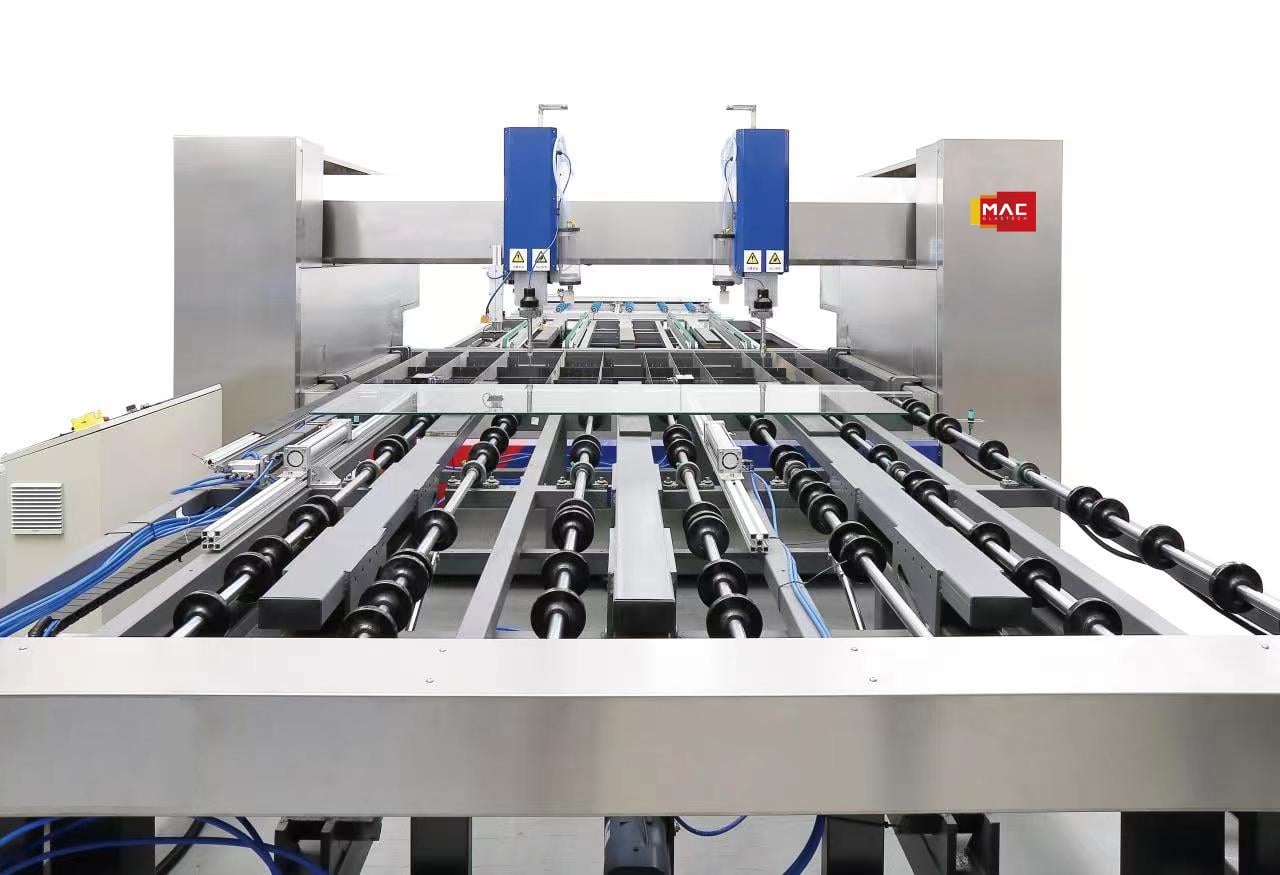
Modern industrial glass fabrication demands precision, speed, and consistency that manual processes simply cannot deliver. A cnc processing center has emerged as a transformative solution for glass fabrication plants seeking significant automation improvements. These advanced systems integrate computer-controlled machining with specialized glass-handling capabilities, enabling manufacturers to reduce labor dependency, minimize human error, and scale production without proportional cost increases. For plants operating in competitive markets where quality and throughput directly impact profitability, investing in CNC glass processing technology represents a strategic decision that extends beyond simple equipment replacement.
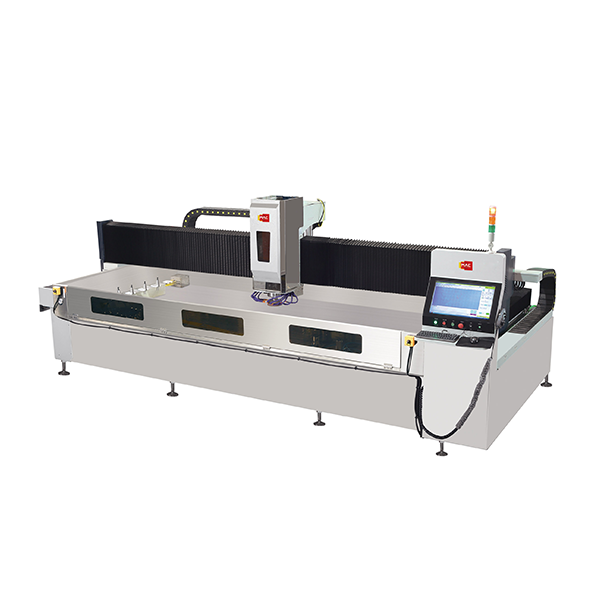
The integration of a glass CNC machine into existing production workflows addresses multiple operational pain points simultaneously. Traditional glass fabrication relies on skilled technicians performing time-intensive tasks like edge polishing, hole drilling, and beveling through semi-manual or fully manual methods. By automating these operations through a glass machining center, plants can operate continuously, reduce scrap rates, improve dimensional accuracy, and free experienced staff to focus on quality control and process optimization rather than repetitive physical work.
Understanding CNC Glass Processing Technology
Core Capabilities of Modern Glass CNC Machines
A CNC glass processing center operates through programmable instructions that control multi-axis machining heads, grinding systems, and precision positioning mechanisms. Unlike general-purpose CNC equipment, a glass CNC processing machine incorporates specialized cooling systems to prevent thermal stress on the glass, dust collection adapted to fine glass particles, and tool changers designed for the specific geometry requirements of glass work. The system can perform edge finishing, hole drilling, notching, and complex shaping operations on flat, curved, and laminated glass with tolerances measured in fractions of a millimeter.
Programming a glass machining center involves creating digital models of finished components, then translating those models into machine-readable toolpaths. Modern software integrates seamlessly with CAD designs, allowing engineers to visualize the machining sequence before production begins. This digital planning phase catches potential conflicts, material waste, and timing inefficiencies before they occur in the actual manufacturing environment.
Integration with Existing Plant Infrastructure
Installing a CNC glass processing center requires careful assessment of plant layout, electrical capacity, material handling systems, and quality verification workflows. Successful integration depends on coordinating the machine with upstream cutting operations and downstream finishing stations. Material flow must be optimized to prevent bottlenecks; a high-speed glass CNC machine will only generate returns if upstream cutting keeps pace and downstream inspection does not delay shipment. Many plants discover that CNC implementation drives improvements across the entire facility, encouraging upgrades in material transport, dust collection, and quality measurement systems.
Automation Benefits in Glass Fabrication Operations
Productivity and Throughput Improvements
Manual edge polishing of a single piece of flat glass can consume 15 to 30 minutes depending on edge complexity and surface quality requirements. A glass CNC processing machine executes the same operation in 3 to 8 minutes, delivering consistent results across every piece. This speed multiplication compounds across production volume; a single glass machining center operating across two shifts can replace four to six full-time polishing technicians while achieving superior quality and working beyond human fatigue limits.
Throughput gains translate directly to production capacity without facility expansion. Plants can fulfill larger orders, accept rush jobs, and respond to market demand fluctuations without capital investment in additional factory space. The flexibility to reprogram a CNC glass processing center for different glass sizes, edge profiles, and hole patterns means the same equipment handles diverse product specifications without physical reconfiguration or tool changeover delays.
Quality Consistency and Waste Reduction
Human operators introduce variability into edge quality, hole positioning, and surface finish standards. Environmental factors like hand fatigue, distraction, and individual skill levels create quality drift across production runs. A CNC glass machine executes identical programs with micron-level repeatability; the 100th piece matches the first piece in dimensional accuracy and surface finish. This consistency reduces customer complaints, improves first-pass acceptance rates, and strengthens market reputation for reliability.
Glass scrap from overcut edges, mispositioned holes, and poor surface finish represents wasted material and labor. Advanced glass CNC processing machines optimize toolpath efficiency, minimize edge chipping through precision cutting speeds, and eliminate over-machining through accurate depth control. Plants report scrap rate reductions of 15 to 40 percent after CNC implementation, recovering material costs while improving environmental sustainability metrics.
Labor Optimization and Workforce Planning
Automation does not eliminate the workforce; it redirects human effort toward higher-value activities. Rather than performing monotonous grinding and polishing, technicians program machines, monitor production, troubleshoot process variations, and manage quality assurance. The skill profile shifts from manual dexterity toward technical literacy and problem-solving capability. This transition improves job satisfaction, reduces employee turnover, and creates clearer career advancement paths within the organization.
Accurate labor forecasting becomes possible when production capacity is known and machine utilization is predictable. Managers can plan staffing for peak seasons with confidence, reduce overtime costs, and allocate budgets more precisely. The financial visibility improves decision-making around capacity expansion, market entry, and product portfolio diversification.
Strategic Considerations for Implementation
Assessing Readiness and Business Case Development
Not every glass fabrication operation requires a CNC glass machine immediately; readiness depends on production volume, product complexity, labor cost structure, and market competitiveness. Operations performing high-volume runs of standardized products gain maximum return; a glass CNC processing machine amortizes fastest when producing thousands of identical components. Conversely, custom job shops with extreme product variety may find manual methods adequate if part volumes remain small and changeover costs offset speed advantages.
Building a rigorous business case requires measuring current process costs accurately. Document labor hours for each operation, material waste percentages, defect rates, and customer quality complaints. Then model how a CNC glass processing center would change these metrics based on vendor performance data and facility constraints. Compare the investment cost against three to five year payback projections, factoring in residual equipment value and potential market growth.
Training and Change Management
Introducing a glass machining center disrupts established workflows and worker roles, requiring deliberate change management planning. Successful implementations include comprehensive operator training covering machine operation, program creation, maintenance, and troubleshooting. Vendors typically provide initial training; ongoing technical support contracts ensure problems receive prompt resolution when experienced staff encounter novel situations.
Communicating the rationale for automation to existing staff reduces resistance and builds confidence in the transition. Emphasizing how CNC glass processing technology creates new opportunities rather than eliminating jobs encourages workforce buy-in. Including experienced operators in machine setup and parameter tuning builds ownership and leverages their intimate knowledge of glass handling and quality standards.
FAQ
What is the typical investment cost for a CNC glass processing center?
A quality glass CNC machine ranges from $200,000 to $600,000 depending on size, capability, automation features, and included accessories. Installation, training, and software represent additional costs of 10 to 20 percent of equipment price. Financing options and lease arrangements spread capital expenditure across multiple years, making automation accessible to smaller fabricators. Precise quotes require vendor consultation based on your specific production requirements and facility constraints.
How long does it take to program a CNC glass processing machine for new products?
Programming a glass CNC processing machine typically requires four to eight hours for a new product design, depending on complexity. Simple flat glass with standard edges might program in two hours, while curved or multi-hole components require longer. Modern software significantly accelerates programming by automatically generating toolpaths from CAD models, reducing programmer errors and enabling rapid iteration. Once programmed, the same glass machining center switches between products in minutes, enabling flexible production scheduling.
What maintenance does a glass CNC processing center require?
A CNC glass processing machine requires scheduled maintenance including spindle cleaning, coolant system servicing, tool changer inspection, and dust collector filter replacement. Daily tasks include checking coolant levels and clearing debris; these take 15 to 30 minutes. Most vendors recommend professional maintenance quarterly or biannually depending on usage intensity. Maintaining a spare parts inventory for common wear components like grinding wheels and brushes minimizes unplanned downtime and ensures continuous production reliability.