 EN
EN
 AR
AR
 BG
BG
 HR
HR
 CS
CS
 DA
DA
 NL
NL
 FI
FI
 FR
FR
 DE
DE
 EL
EL
 HI
HI
 IT
IT
 JA
JA
 KO
KO
 PL
PL
 PT
PT
 RO
RO
 RU
RU
 ES
ES
 SV
SV
 TL
TL
 IW
IW
 LV
LV
 LT
LT
 SK
SK
 SL
SL
 UK
UK
 VI
VI
 ET
ET
 HU
HU
 MT
MT
 TH
TH
 TR
TR
 FA
FA
 MS
MS
 SW
SW
 GA
GA
 AZ
AZ

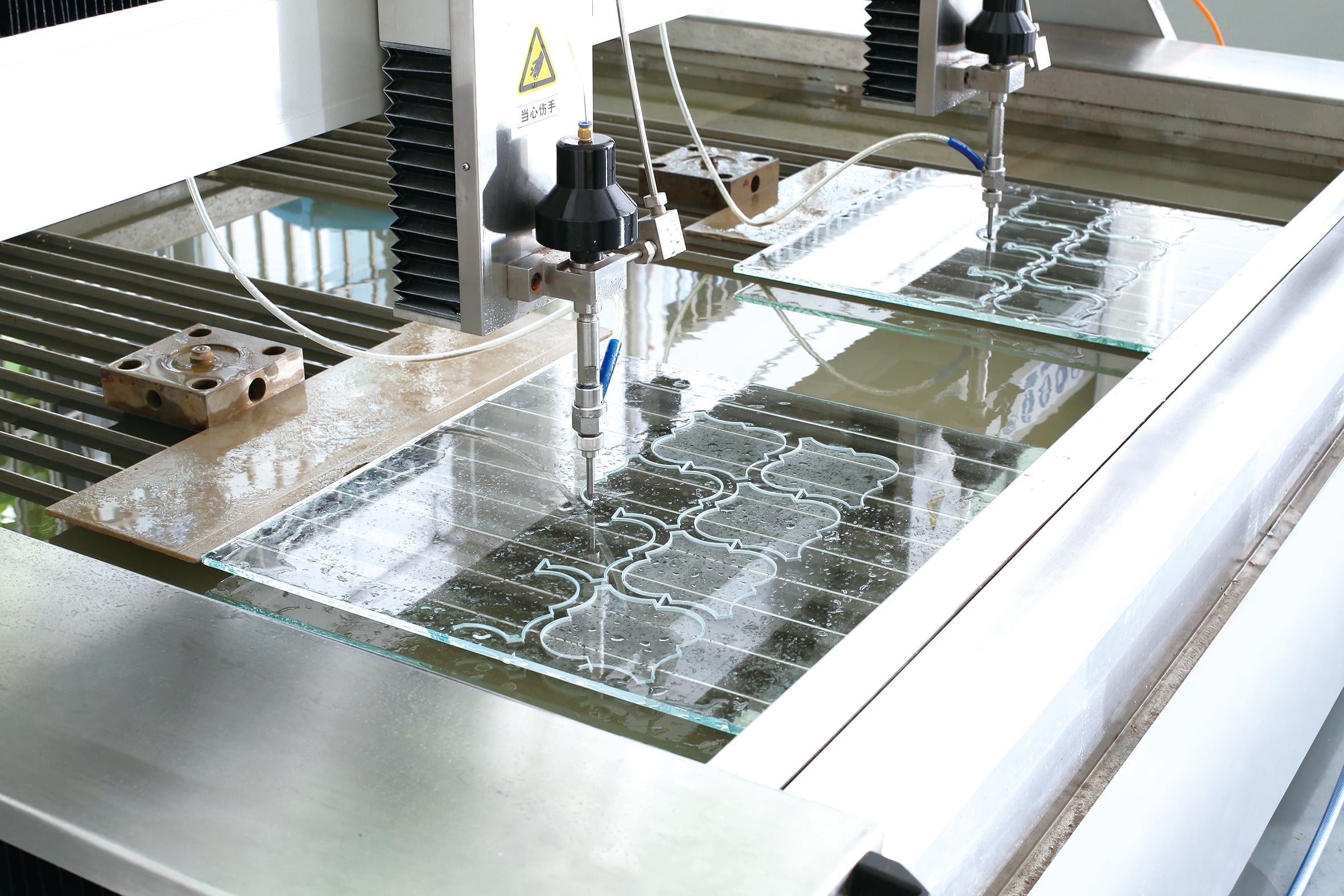
High-precision commercial glass applications demand equipment that can deliver consistent accuracy, repeatability, and reliability under demanding production conditions. The CNC processing center has become the industry standard for manufacturers who refuse to compromise on quality. Whether you're producing architectural glass components, automotive windshields, optical elements, or precision structural glazing, a CNC glass processing machine offers the technological capability to meet exacting tolerances while maintaining cost-effective production volumes.
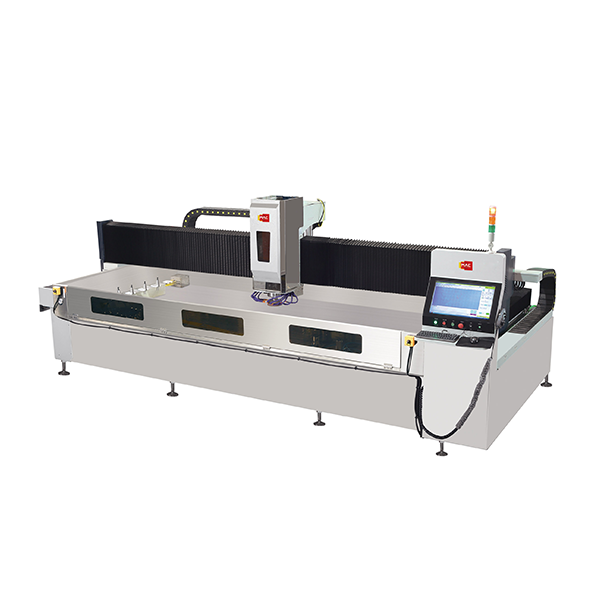
The shift toward automated CNC glass processing machines reflects a fundamental change in how industrial glass is manufactured. Traditional manual cutting and shaping methods introduce variability, waste, and labor dependency that modern commercial applications cannot tolerate. A glass machining center equipped with computer numerical control technology transforms raw glass into finished components with precision measured in fractions of millimeters. This technological shift is not merely about speed; it fundamentally improves product quality, reduces material waste, and enables production of geometries that would be impossible or economically unfeasible using conventional methods.
Precision and Accuracy in Glass Machining
Tolerance Control with Glass CNC Machines
The primary advantage of implementing a glass CNC processing machine lies in its ability to maintain tight dimensional tolerances consistently across production runs. Unlike manual cutting, where human skill variation introduces inevitable inconsistency, computer-controlled systems repeat the same cutting parameters with submillimeter accuracy. High-precision commercial glass applications such as architectural facades, optical components, and specialized glazing systems require tolerances often tighter than ±0.5 millimeters. A CNC glass processing center delivers this level of precision automatically, eliminating the quality variance that would otherwise require extensive manual inspection and rejection of out-of-spec parts.
Consistency across production batches represents a critical competitive advantage in industries where customer specifications demand conformity. When you use a CNC glass processing machine for high-precision applications, each component produced matches its predecessor in dimensional accuracy, edge quality, and surface finish. This consistency reduces assembly problems downstream, minimizes customer returns due to fit issues, and builds the reputation for reliability that drives repeat business in commercial glass markets.
Complex Geometry Capability
A glass machining center enables production of complex geometries that would be impractical or impossible using conventional cutting methods. Modern architectural glass applications increasingly require curved edges, angled cuts, specialized notches, and compound features that demand multi-axis positioning and simultaneous tool movement. The computer-controlled nature of a CNC glass processing machine allows engineers to program intricate cutting patterns directly from digital designs, then execute them repeatedly without manual intervention or custom tooling. This capability transforms design flexibility, enabling architects and product engineers to specify glass components optimized for function rather than limited by manufacturing constraints.
Industries serving automotive, aerospace, and advanced architectural markets benefit significantly from this geometric flexibility. A glass machining center equipped with appropriate tooling can produce beveled edges, spherical cuts, and complex notching patterns that add aesthetic value and functional performance to finished products. The ability to program and execute these complex profiles quickly adapts to changing customer requirements without extended setup times or tool changes.
Production Efficiency and Material Optimization
Waste Reduction and Material Utilization
Material waste represents a substantial cost factor in glass manufacturing, particularly when processing high-value specialty glasses or working with expensive raw materials. A CNC glass processing center optimizes cutting patterns through software algorithms that maximize usable material yield from each glass sheet or block. Precision cutting paths reduce unintended fractures, chipping, and damaged edges that would be scrap in manual operations. For commercial glass applications where material costs can exceed 40 percent of product cost, the waste reduction alone justifies investment in automated glass CNC processing equipment.
The software tools integrated into modern CNC glass processing machines include nesting algorithms that arrange multiple cutting patterns on a single glass sheet to minimize waste. This optimization happens before production begins, allowing manufacturers to calculate material requirements accurately and plan inventory more effectively. Over extended production runs, this waste reduction compounds into significant cost savings that improve profit margins on high-volume orders.
Throughput and Production Speed
Speed is another critical advantage of implementing a glass machining center in your production environment. Automated CNC processing eliminates the time required for manual positioning, measurement, and tool changes between cuts. A single operator can supervise multiple CNC glass processing machine units simultaneously, increasing overall facility throughput while reducing labor per component produced. For commercial applications with tight delivery schedules, the ability to complete complex glass components in hours rather than days provides meaningful competitive advantage in the marketplace.
Production speed improvement extends to setup time as well. Programming a new cutting pattern into a CNC glass processing center takes minutes rather than hours of manual template creation and fixture building. This rapid changeover capability enables small batch production and custom orders to be economically viable, opening market opportunities that would be unprofitable with traditional equipment.
Quality Assurance and Operational Reliability
Consistent Edge Quality and Surface Finish
Commercial glass applications are often visible to end users, making surface finish and edge quality visible quality markers. A glass CNC processing machine produces smooth, consistent edge quality that meets aesthetic and functional requirements for demanding applications. The precision cutting eliminates the microchipping and stress fractures that occur with manual scoring and breaking methods. High-precision commercial glass components cut with a CNC glass processing center maintain structural integrity and visual appeal that justify premium pricing in architectural and specialty markets.
Edge quality directly impacts both functional performance and customer perception. Smooth, evenly finished edges reduce the risk of stress concentration that leads to premature failure under thermal cycling or mechanical stress. The polished appearance of glass components processed by a glass machining center communicates quality and precision to end customers, supporting marketing positioning and brand reputation.
Repeatability and Process Control
Process repeatability creates the foundation for effective quality control systems. When a CNC glass processing center executes the same cutting program hundreds of times, the consistency enables statistical process control methods that prevent quality drift before it affects customer products. Real-time monitoring of cut parameters allows operators to detect tool wear, material variation, or setup issues early, triggering corrective action before scrap occurs. This proactive quality management reduces defect rates and builds confidence that products consistently meet specification.
Documentation and traceability become automatic with CNC glass processing machines. Each component's production parameters are recorded by the machine controller, creating an audit trail that satisfies customer quality requirements and regulatory compliance needs in regulated industries. This digital record-keeping provides evidence of process control and enables root cause analysis if issues do arise.
FAQ
What makes a CNC glass processing center superior to manual cutting for high-precision applications?
A CNC glass processing center delivers superior precision through automated, computer-controlled positioning and cutting that eliminates human skill variation. Manual cutting methods introduce inconsistency in dimensional accuracy, edge quality, and surface finish that manual glass processing cannot match. For high-precision commercial glass applications requiring tight tolerances and complex geometries, the consistency and accuracy of a glass CNC machine is essential for meeting customer specifications and maintaining quality standards. The glass machining center also enables production of geometries impossible to achieve manually, such as multi-axis cuts and compound curves, which increases design flexibility and product differentiation.
How does a glass machining center reduce material waste and improve cost efficiency?
A glass CNC processing machine optimizes material utilization through intelligent nesting algorithms that arrange multiple cutting patterns on each glass sheet to minimize waste. Precision cutting also reduces unintended fractures and damaged edges that would be scrap using manual methods. For high-value specialty glasses, this waste reduction directly improves profit margins. Additionally, the CNC glass processing center increases production throughput and reduces labor per component, lowering overall manufacturing costs. These efficiency gains compound over extended production runs, making the investment financially attractive for commercial glass manufacturers.
Can a CNC glass processing center handle complex geometric requirements in commercial applications?
Yes, a glass machining center excels at producing complex geometries that would be impractical or impossible with conventional methods. The CNC glass processing center allows engineers to program intricate cutting patterns directly from digital designs, including beveled edges, curved cuts, angled notches, and multi-axis features. Once programmed, these patterns repeat reliably across production runs without manual intervention. This geometric flexibility enables architects and product engineers to design glass components optimized for function and aesthetics rather than limited by manufacturing constraints, making the CNC glass processing machine ideal for automotive, aerospace, and advanced architectural applications requiring specialized glass components.