 EN
EN
 AR
AR
 BG
BG
 HR
HR
 CS
CS
 DA
DA
 NL
NL
 FI
FI
 FR
FR
 DE
DE
 EL
EL
 HI
HI
 IT
IT
 JA
JA
 KO
KO
 PL
PL
 PT
PT
 RO
RO
 RU
RU
 ES
ES
 SV
SV
 TL
TL
 IW
IW
 LV
LV
 LT
LT
 SK
SK
 SL
SL
 UK
UK
 VI
VI
 ET
ET
 HU
HU
 MT
MT
 TH
TH
 TR
TR
 FA
FA
 MS
MS
 SW
SW
 GA
GA
 AZ
AZ

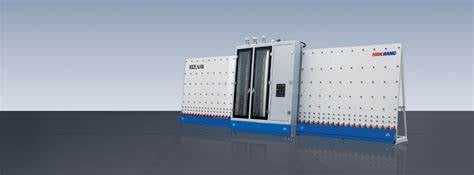
Yes, laminated glass production significantly improves impact resistance in architectural applications. Modern laminated glass manufacturing combines glass layers with interlayer materials to create barriers that absorb and dissipate impact energy rather than shattering immediately. This advanced approach to glass engineering has transformed how architects and building designers approach safety, security, and structural integrity in contemporary construction projects across commercial, institutional, and residential sectors.
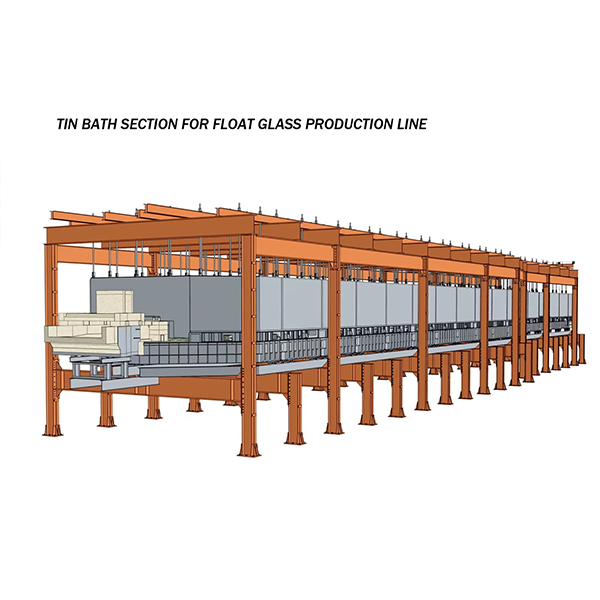
The laminated glass production line represents a critical investment for manufacturers seeking to meet escalating architectural performance demands. When engineered correctly through specialized laminated glass equipment and laminated glass machine systems, laminated glass manufacturing delivers superior crack resistance, reduced projectile penetration, and enhanced safety outcomes compared to monolithic or tempered alternatives. Understanding how production processes influence final performance characteristics is essential for architects, engineers, and facility managers responsible for specifying glass solutions that balance safety requirements with aesthetic and functional goals.
Impact Resistance Through Laminated Glass Equipment Design
How Production Line Technology Strengthens Glass Performance
Advanced laminated glass production equipment uses precision control systems to apply interlayer materials uniformly across glass substrates. The laminated glass machine systems manage temperature, pressure, and adhesion timing to create molecular bonds that prevent glass fragments from separating during impact events. Modern laminated glass equipment incorporates automated quality monitoring that verifies interlayer thickness, optical clarity, and adhesive distribution at every manufacturing stage, ensuring consistent impact resistance across production batches.
The laminated glass production process depends on specialized machinery that coordinates multiple glass sheets with polyvinyl butyral or ethylene vinyl acetate interlayers under controlled heating and pressure conditions. This laminated glass manufacturing approach transforms brittle glass materials into composite structures that behave elastically under sudden force, absorbing kinetic energy without fragmenting into dangerous shards. Production line engineers must balance speed, accuracy, and material utilization to maximize economic viability while maintaining the precise conditions required for superior impact performance.
Architectural Applications Where Impact Resistance Matters Most
High-security facilities, blast-resistant building envelopes, hurricane-prone coastal structures, and ground-level commercial storefronts all benefit from laminated glass production capabilities. When architectural safety codes require impact resistance, laminated glass manufacturing delivers solutions that satisfy strict performance certifications including impact testing standards. The laminated glass equipment used in modern production lines enables fabricators to customize interlayer thickness, glass substrate properties, and overall composite behavior to match specific architectural exposure conditions and risk profiles.
Performance Benefits of Modern Laminated Glass Manufacturing
Safety Enhancement and Fragment Control
Traditional glass breaks into sharp, potentially lethal fragments when impacted. Laminated glass production technology eliminates this hazard by holding fragments firmly to the interlayer even after complete glass breakage occurs. The laminated glass machine systems used in manufacturing bond materials so effectively that broken glass remains structurally coherent, preventing occupants from injury and maintaining the composite's ability to block penetration. This fragment retention capability makes laminated glass production essential for applications where human safety represents a non-negotiable architectural requirement.
The laminated glass equipment employed in production lines also enables manufacturers to optimize interlayer formulations for specific impact scenarios. Architectural laminated glass manufacturing addresses weapon-resistant glazing, forced-entry protection, and unintentional collision hazards through customized material specifications. Advanced laminated glass production techniques allow engineers to balance transparency, structural capability, and safety performance simultaneously, expanding architectural possibilities for exposed glass designs that maintain protective characteristics.
Energy Efficiency and Climate Control Performance
Beyond safety, laminated glass production improves thermal performance through interlayer compositions designed for temperature regulation. The laminated glass machine systems can incorporate low-emissivity coatings and specialized interlayer materials that reduce solar heat gain while maintaining visual access. Modern laminated glass equipment enables architectural specifications that optimize impact resistance alongside energy efficiency, addressing simultaneous building performance objectives without compromising either capability. This multifunctional approach reduces lifecycle costs while delivering measurable improvements in occupant comfort and facility operating expenses.
Selecting the Right Laminated Glass Equipment and Production Strategy
Production Line Specifications for Architectural Requirements
Manufacturers choosing laminated glass production systems must evaluate equipment capabilities against specific architectural performance demands. The laminated glass machine technology selected determines maximum glass dimensions, interlayer thickness ranges, production throughput, and customization flexibility. Laminated glass equipment investments should account for anticipated market demand, target building types, and regional safety code requirements that influence specification preferences and production volume forecasts.
Modern laminated glass production line configurations range from compact systems designed for regional fabricators to fully automated facilities serving continental markets. The laminated glass manufacturing equipment chosen must deliver consistent quality, reliable uptime, and operator efficiency while maintaining the precise control required for superior impact resistance performance. Production line managers must balance equipment capital cost, operating expense, maintenance demands, and throughput capacity when evaluating laminated glass machine alternatives.
Quality Assurance in Laminated Glass Manufacturing Processes
Laminated glass production quality depends on strict process monitoring throughout every manufacturing stage. Advanced laminated glass equipment incorporates sensors that track interlayer temperature, pressure profiles, cure time, and layer alignment to ensure impact resistance specifications are consistently achieved. The laminated glass machine systems used in production integrate data analytics that identify process variations before they affect product performance, enabling predictive maintenance and continuous improvement across manufacturing operations.
FAQ
How does interlayer thickness in laminated glass production affect impact resistance?
Thicker interlayers in laminated glass production provide greater energy absorption and fragment retention when glass substrates break under impact. The laminated glass equipment used in manufacturing can precisely control interlayer thickness to match specific architectural impact requirements, balancing protection level against cost and optical clarity. Architectural specifications typically define minimum interlayer thickness requirements based on exposure conditions and performance testing standards.
What safety certifications does laminated glass production meet?
Laminated glass manufacturing facilities employ production lines and equipment designed to achieve impact resistance certifications including ANSI Z97.1, EN 12600, and blast-resistant standards required by high-security applications. The laminated glass machine systems used verify test compliance through impact simulation testing, documenting fragment retention, penetration resistance, and load capacity. Manufacturers maintain certification documentation confirming that laminated glass production processes consistently deliver specified performance levels.
Can laminated glass production be customized for specific architectural aesthetic requirements?
Modern laminated glass equipment enables extensive customization including acoustic interlayers, color-tinted materials, and patterned glass combinations while maintaining impact resistance capabilities. The laminated glass production line technology allows architects to specify custom configurations that balance safety performance with visual design preferences. Advanced laminated glass manufacturing offers creative possibilities for integrating protective features into contemporary architectural expressions.