 EN
EN
 AR
AR
 BG
BG
 HR
HR
 CS
CS
 DA
DA
 NL
NL
 FI
FI
 FR
FR
 DE
DE
 EL
EL
 HI
HI
 IT
IT
 JA
JA
 KO
KO
 PL
PL
 PT
PT
 RO
RO
 RU
RU
 ES
ES
 SV
SV
 TL
TL
 IW
IW
 LV
LV
 LT
LT
 SK
SK
 SL
SL
 UK
UK
 VI
VI
 ET
ET
 HU
HU
 MT
MT
 TH
TH
 TR
TR
 FA
FA
 MS
MS
 SW
SW
 GA
GA
 AZ
AZ

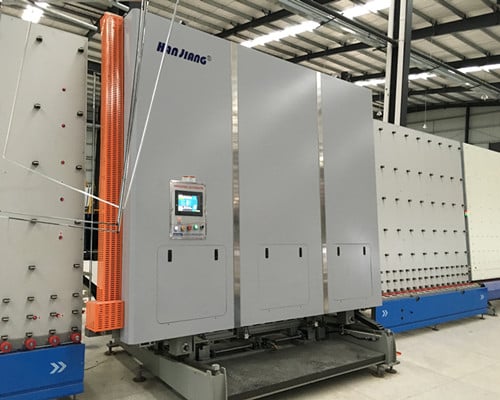
High-security building projects demand materials that combine strength, durability, and advanced safety features. Laminated glass production has become essential for architects and facility managers seeking to protect occupants and assets while maintaining aesthetic appeal. Modern laminated glass production processes deliver glass that resists impact, prevents shattering, and provides ballistic protection when properly engineered and manufactured. Understanding how laminated glass production supports these critical applications helps building professionals make informed decisions about security glazing specifications.
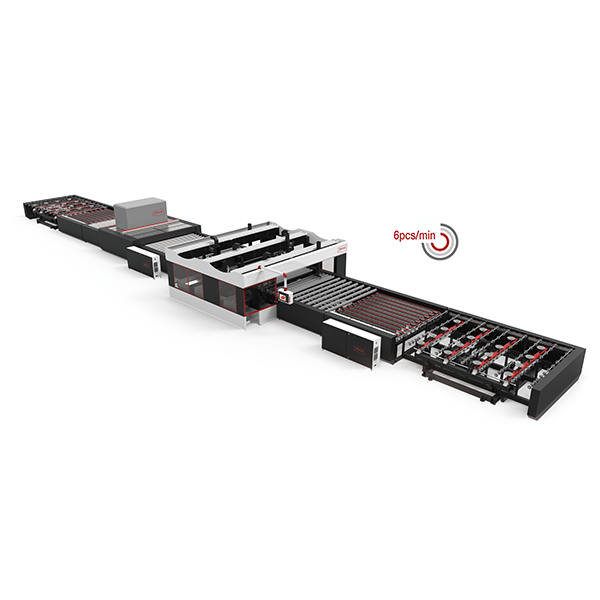
The foundation of any successful high-security glazing installation lies in the quality and precision of the manufacturing process. Laminated glass production facilities use specialized laminated glass production lines that control every stage from material selection through final quality assurance. This systematic approach ensures that each glass panel meets stringent security standards and performs reliably under extreme stress conditions, making it the preferred choice for government buildings, financial institutions, and critical infrastructure.
Understanding Laminated Glass Production Fundamentals
Core Manufacturing Principles
Laminated glass production begins with selecting premium-grade glass sheets that have been thoroughly inspected for defects. These sheets are then paired with polyvinyl butyral (PVB) interlayers, which serve as the bonding medium that holds glass fragments together if breakage occurs. The laminated glass machine applies precise heat and pressure to fuse these layers into a single, cohesive unit. This bonding process is critical because the interlayer's thickness and composition directly influence the final panel's resistance to impact, blast forces, and ballistic threats.
Advanced Equipment Standards
Modern laminated glass equipment incorporates automated systems that maintain consistent temperature, pressure, and timing throughout the production cycle. Laminated glass manufacturing facilities invest in state-of-the-art equipment because precision directly translates to performance reliability. Quality control sensors monitor each stage, detecting variations that could compromise security ratings. High-performance laminated glass equipment enables manufacturers to produce panels that exceed industry safety certifications, providing building owners confidence in their security infrastructure.
High-Security Applications and Performance Requirements
Ballistic and Impact Resistance
High-security buildings require glazing that withstands ballistic impact, forced entry attempts, and blast pressure waves. Laminated glass production processes create panels engineered to absorb and dissipate energy from gunfire, explosions, and severe weather events. The interlayer composition and glass thickness ratios are calculated precisely during laminated glass manufacturing to meet specific threat levels. Security consultants working with architects specify laminated glass production parameters based on detailed threat assessments and compliance requirements for each project.
Compliance and Testing Protocols
Laminated glass equipment must produce panels that pass rigorous certification testing, including UL 752 ballistic resistance ratings and ASTM safety standards. Manufacturers maintain detailed documentation proving that their laminated glass production line consistently delivers compliant products. Each batch undergoes destructive and non-destructive testing to verify interlayer adhesion, glass integrity, and performance under controlled conditions. This testing framework ensures that every panel leaving the facility meets the highest security standards demanded by critical infrastructure projects.
Production Efficiency and Customization Capacity
Scalable Manufacturing Solutions
Large-scale high-security building projects require laminated glass production facilities capable of delivering high volumes without compromising quality. Modern laminated glass production lines can be configured for different glass thicknesses, interlayer types, and panel dimensions to match project specifications precisely. Production scheduling flexibility allows manufacturers to accommodate tight project timelines while maintaining strict quality protocols. Facilities with diverse laminated glass equipment portfolios can address specialized requirements such as tinted glass, fire-rated interlayers, or acoustic damping properties required by specific building designs.
Custom Engineering and Support
Architects and security engineers benefit from partnering with laminated glass manufacturing operations that offer technical consultation alongside production services. These partnerships enable custom laminated glass production configurations that balance security performance with other building requirements such as natural light transmission, thermal efficiency, and aesthetic preferences. Advanced laminated glass equipment allows manufacturers to produce specialty panels including curved glass, laminated glass with embedded sensors, and multi-layer systems combining security with sound insulation, fire protection, or UV blocking capabilities.
FAQ
What interlayer types are used in laminated glass production for security applications?
High-security laminated glass production typically uses polyvinyl butyral (PVB), acoustic polyurethane (PU), or ionoplast interlayers. PVB remains the most common choice for standard security applications because it provides excellent adhesion, optical clarity, and cost-effectiveness. Ionoplast interlayers offer superior impact resistance and are preferred for extreme threat environments. Laminated glass equipment can work with multiple interlayer types, allowing manufacturers to customize panels based on specific security ratings, climate conditions, and building performance requirements.
How does laminated glass equipment ensure consistent quality across production batches?
Modern laminated glass production lines incorporate automated monitoring systems that track temperature, pressure, and bonding time throughout every cycle. These systems maintain precise control parameters that ensure consistent interlayer adhesion and glass integrity across all panels produced. Laminated glass machine operators verify equipment calibration daily, and quality assurance technicians conduct random sampling and destructive testing on finished panels. This multi-layered quality approach means that laminated glass equipment delivers predictable, reliable performance that meets or exceeds security specifications for every batch delivered to high-security building projects.
What lead times should high-security building projects expect from laminated glass production facilities?
Laminated glass production lead times depend on panel specifications, order volume, and current facility utilization. Standard panel configurations may be produced within two to four weeks, while custom or large-volume orders may require six to twelve weeks. Laminated glass manufacturing scheduling coordinates with project timelines to ensure panels arrive ready for installation. Experienced manufacturers communicate transparently about realistic timelines and can sometimes accommodate expedited laminated glass equipment runs for time-critical security projects, provided advance notice and premium scheduling are arranged.