 EN
EN
 AR
AR
 BG
BG
 HR
HR
 CS
CS
 DA
DA
 NL
NL
 FI
FI
 FR
FR
 DE
DE
 EL
EL
 HI
HI
 IT
IT
 JA
JA
 KO
KO
 PL
PL
 PT
PT
 RO
RO
 RU
RU
 ES
ES
 SV
SV
 TL
TL
 IW
IW
 LV
LV
 LT
LT
 SK
SK
 SL
SL
 UK
UK
 VI
VI
 ET
ET
 HU
HU
 MT
MT
 TH
TH
 TR
TR
 FA
FA
 MS
MS
 SW
SW
 GA
GA
 AZ
AZ


Precision industrial glass edge processing demands specialized equipment capable of delivering consistent, high-quality finishes across complex geometries and demanding specifications. Grinding machines have become the backbone of modern glass fabrication facilities, enabling manufacturers to achieve edge tolerances, surface quality, and aesthetic standards that manual processing cannot replicate. These systems integrate advanced motion control, precision spindle technology, and intelligent material removal to transform raw glass edges into finished surfaces ready for assembly or end-use applications.
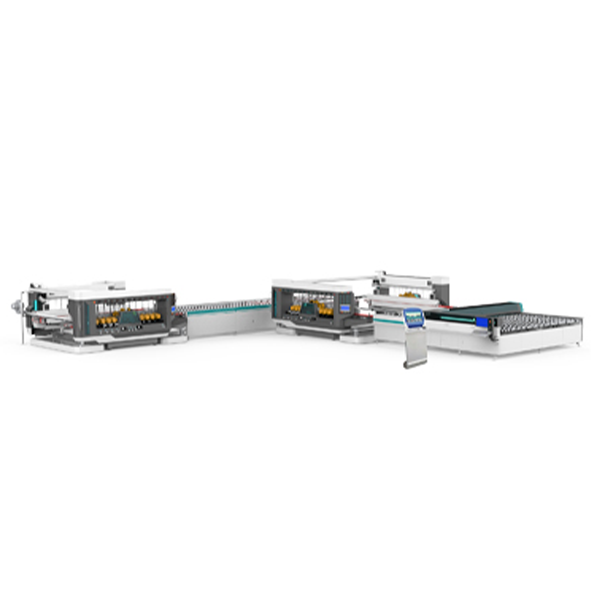
The evolution of glass grinding technology reflects decades of refinement in achieving edge profiles, dimensional accuracy, and surface finish quality essential for architectural glazing, automotive components, electronics displays, and specialized industrial applications. Modern glass edge grinding machines combine automated feeding systems with multi-axis motion control, allowing operators to process varying glass thicknesses, edge geometries, and material specifications without extensive manual intervention. Understanding how these systems function within precision glass fabrication workflows helps manufacturers optimize production efficiency, reduce material waste, and maintain competitive quality standards in demanding markets.
Core Functions of Glass Edge Grinding Equipment
Edge Profile Shaping and Dimensioning
Glass edge grinding machines perform primary shaping operations that establish dimensional specifications and edge geometry profiles critical to component functionality and aesthetic appearance. An automatic glass grinder uses rotating abrasive wheels positioned at precise angles to remove glass material in controlled increments, creating flat edges, bevels, ogees, and complex contours according to design specifications. The grinding process removes surface microcracks and stress concentrations created during cutting, strengthening edges and improving resistance to thermal shock and mechanical impact during subsequent processing stages.
Precision glass edge grinding machines maintain tight dimensional control through calibrated wheel positioning and material feed rates synchronized to spindle speed and grinding force. Operator input of target edge dimensions directly controls wheel offset and pass sequencing, allowing the automatic glass grinder to produce consistent edge widths and geometries across entire production batches. This repeatability reduces scrap rates caused by out-of-specification edges and minimizes manual intervention during fabrication workflows.
Surface Finish Refinement
The glass edge grinding machine generates initial surface finishes through progressive abrasive removal stages, with coarser wheels removing material rapidly and finer wheels polishing surfaces to optical quality. Multi-stage grinding operations reduce surface roughness from raw-cut edges to finishes suitable for tempered glass processes, insulating glass unit assembly, and applications where edge transparency or light transmittance matters. Sequential grinding wheel stages within single-pass operations eliminate production time penalties associated with manual edge polishing and multiple equipment transfers.
Operational Integration Within Glass Fabrication Workflows
Automated Feed Systems and Production Capacity
Modern glass grinding equipment incorporates automated infeed systems that transport individual glass pieces or grouped sheets through grinding stations with minimal operator intervention. Automatic glass grinder systems detect glass thickness variation and adjust wheel offset and spindle speed automatically, maintaining consistent grinding force across different material specifications without setup delays. This automation reduces labor requirements, increases production throughput, and enables continuous operation schedules that fully utilize facility capacity during high-demand production periods.
The glass edge grinding machine integrates with upstream cutting operations and downstream processing stages through automated material handling and positioning. Vision systems monitor glass edges in real time, detecting dimensional drift and triggering wheel dressing cycles or spindle speed adjustments before out-of-spec parts enter downstream operations. This closed-loop quality control reduces rework requirements and the production delays caused by discovering edge defects during tempering or insulating glass assembly.
Quality Assurance and Precision Maintenance
Glass edge grinding machines maintain edge quality through predictive maintenance scheduling that tracks grinding wheel wear, spindle bearing condition, and dimensional accuracy of finished edges. Periodic wheel dressing reshapes abrasive surfaces to restore cutting efficiency and preserve target edge geometries, preventing the quality degradation that occurs with worn grinding wheels. Automatic glass grinder systems with onboard measurement systems continuously verify edge dimensions and surface finish, providing real-time data for process optimization and operator alerts when parameters drift outside specifications.
Operator training programs emphasize proper glass edge grinding machine setup, abrasive wheel selection based on glass type and target edge profile, and coolant system management to ensure consistent surface quality and component longevity. Safety interlocks prevent operator contact with rotating abrasive wheels during operation, while dust collection systems capture fine glass particles generated during grinding, protecting workplace air quality and equipment longevity.
Industry-Specific Applications of Grinding Machines
Architectural and Automotive Glass Processing
Architectural glazing fabrication relies heavily on glass grinding equipment to produce temper-ready edges, beveled profiles for aesthetic appeal, and polished edges required for frameless glass assemblies. The automatic glass grinder processes large architectural panes with consistent edge finish, enabling design flexibility for modern glass facades and specialty curtainwall systems. Automotive glass manufacturers use glass edge grinding machines to condition windshield and side-window edges, removing micro-fractures that compromise safety and thermal performance during vehicle assembly and environmental exposure.
Electronics and Specialty Glass Applications
Electronics manufacturers depend on glass edge grinding equipment to process display cover glass, touch panel substrates, and optical components where edge quality directly affects product yield and end-user experience. The glass edge grinding machine removes cutting damage that compromises optical transparency or creates localized stress points vulnerable to thermal cycling or mechanical vibration during device operation. Precision glass grinding equipment also supports emerging applications in renewable energy, medical devices, and laboratory instrumentation where edge integrity and surface optical properties determine component performance and manufacturing economics.
FAQ
How do automatic glass grinder systems maintain dimensional accuracy across production runs?
Automatic glass grinder systems use onboard measurement feedback and wheel position calibration to maintain dimensional accuracy throughout production. Operators input target edge dimensions into the grinding machine's control system, which automatically adjusts wheel offset and material feed rate for each glass piece. Periodic wheel dressing removes abrasive wear, restoring the machine's original cutting geometry and preventing dimensional drift caused by natural wheel erosion during extended operation.
What factors determine grinding wheel selection for different glass types and edge profiles?
Glass edge grinding machine operators select grinding wheels based on glass composition, target edge profile, desired surface finish, and production volume requirements. Diamond-impregnated wheels suit automotive and architectural glass processing, while ceramic abrasive wheels excel in high-volume edge finishing. The glass grinding equipment's spindle speed, grinding force parameters, and coolant system compatibility influence wheel selection and operational performance for achieving specified edge profiles and surface quality.
Can glass edge grinding machines process specialty glass materials like tempered or laminated glass?
Glass grinding equipment processes raw glass edges before tempering, though some advanced grinding machines handle pre-tempered glass with specialized wheel formulations and reduced grinding force to prevent edge fracturing. Laminated glass grinding presents challenges due to interlayer adhesion, and manufacturers typically grind component glass sheets individually before assembly. Consulting equipment manufacturers and material suppliers ensures glass edge grinding machine setup and parameter selection match specific material requirements and processing sequences within fabrication workflows.