 EN
EN
 AR
AR
 BG
BG
 HR
HR
 CS
CS
 DA
DA
 NL
NL
 FI
FI
 FR
FR
 DE
DE
 EL
EL
 HI
HI
 IT
IT
 JA
JA
 KO
KO
 PL
PL
 PT
PT
 RO
RO
 RU
RU
 ES
ES
 SV
SV
 TL
TL
 IW
IW
 LV
LV
 LT
LT
 SK
SK
 SL
SL
 UK
UK
 VI
VI
 ET
ET
 HU
HU
 MT
MT
 TH
TH
 TR
TR
 FA
FA
 MS
MS
 SW
SW
 GA
GA
 AZ
AZ

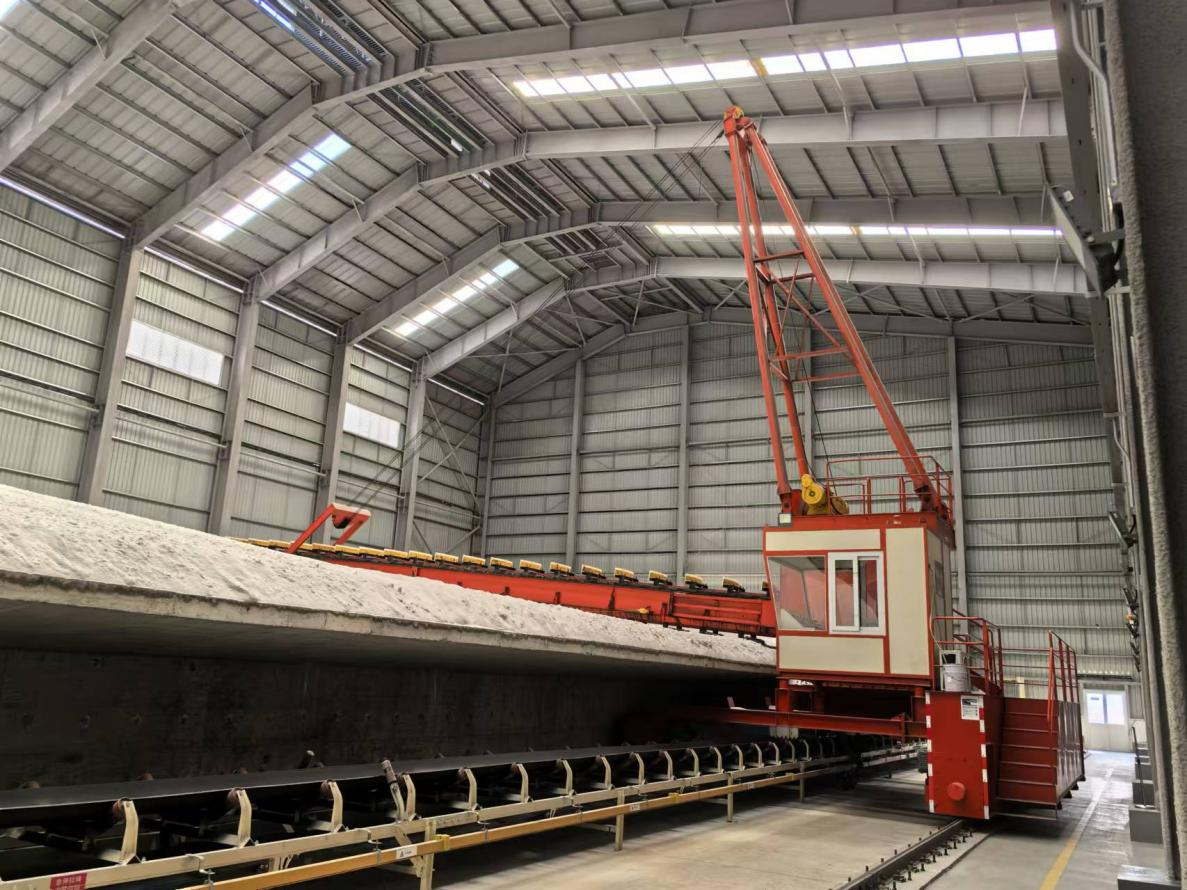
Tempering furnaces are critical equipment in glass manufacturing, and their efficiency directly impacts production costs and product quality. Whether you operate a single chamber, double chamber, or continuous furnace, understanding how to maximize efficiency requires knowledge of the entire thermal processing workflow, from initial material preparation through final cooling. The key to unlocking superior performance lies in optimizing your glass batching debatching systems and coordinating all downstream operations seamlessly.
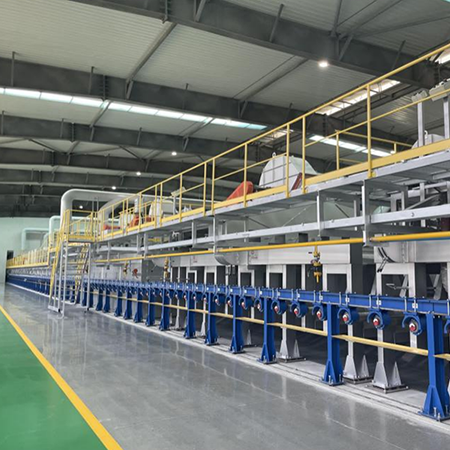
Achieving best efficiency across different tempering furnace configurations demands a strategic approach that considers design specifications, operational parameters, and material flow integration. A properly designed glass batch plant ensures consistent material delivery to the heating chamber, which directly influences residence time, temperature uniformity, and final glass quality. Understanding the specific advantages and operational demands of each furnace type enables manufacturers to implement targeted improvements that reduce energy consumption, minimize reject rates, and increase throughput without compromising the integrity of tempered glass.
Single Chamber Furnace Optimization
Understanding Single Chamber Dynamics
Single chamber furnaces heat glass pieces sequentially or in small batches through one integrated heating zone. This configuration offers simplicity and lower capital investment, making it ideal for smaller production runs or specialty glass applications. However, achieving efficiency in a single chamber furnace requires precise temperature control and careful management of loading patterns. The glass batch handling system must deliver material at consistent intervals to prevent thermal shock and ensure uniform heating throughout the chamber, which directly impacts temper strength and product consistency.
Energy efficiency in single chamber operations depends heavily on minimizing idle time and optimizing heat retention. Implementing an automatic glass batching system reduces material handling delays and ensures steady material flow, preventing temperature fluctuations that waste energy. Temperature profiling and strategic material spacing within the chamber allow operators to maintain optimal convection patterns, reducing the time glass spends in the furnace while maintaining proper tempering parameters. Regular maintenance of heating elements and insulation integrity further preserves thermal efficiency and extends equipment lifespan.
Single Chamber Best Practices
Maximize single chamber efficiency by calibrating thermocouple sensors and monitoring temperature gradients across all zones. Operators should establish standard loading protocols that match the glass batch plant capacity to furnace throughput, preventing bottlenecks upstream or downstream. A well-coordinated glass batching system with automated controls reduces human error and ensures consistent material delivery rates. Additionally, developing a preventive maintenance schedule that includes regular inspections of heating elements, air circulation systems, and insulation helps maintain peak thermal efficiency and prevents costly production interruptions.
Double Chamber and Continuous Furnace Advantages
Double Chamber Configuration Benefits
Double chamber furnaces feature two separate heating zones, enabling simultaneous processing of different glass sizes or types, which significantly increases production flexibility and throughput. This configuration allows one chamber to reach peak tempering temperature while the other begins preheating incoming material, creating a semi-continuous production workflow. The glass batch handling system in a double chamber setup must coordinate material flow between chambers precisely to maximize the advantage of parallel processing. Implementing an efficient automatic glass batching system ensures that both chambers maintain consistent material supply, preventing one chamber from cooling down due to inadequate incoming material.
The efficiency gains in double chamber furnaces stem from reduced overall cycle time and improved energy distribution. By staggering the heating profiles between chambers, operators can maintain higher average furnace temperatures with lower peak energy input. The glass batch plant design should incorporate staging buffers and synchronized debatching protocols to ensure smooth material transition between chambers. This setup minimizes waiting time between processing stages, directly improving production efficiency and reducing per-unit energy consumption compared to single chamber alternatives.
Continuous Furnace Operations
Continuous furnaces represent the highest efficiency option for high-volume glass manufacturing, operating with constant material flow through multiple heating zones arranged in sequence. This design creates true continuous processing where glass enters preheating zones, transitions through peak temperature zones, and progresses toward cooling sections without interruption. The glass batching system in continuous furnaces must deliver material at precisely controlled rates to maintain the stable thermal environment that these furnaces require. An optimized automatic glass batching system with real-time monitoring ensures consistent material feed, preventing temperature fluctuations that occur with irregular loading patterns.
Continuous furnace efficiency benefits from steady-state thermal conditions where heating elements operate at constant output levels, maximizing energy utilization. The glass batch handling system becomes the critical control point for maintaining furnace productivity and quality consistency. Advanced glass batch plants incorporate data logging and automated material flow management to ensure that residence times remain constant and temperature profiles stay within specifications. This continuous operation model reduces startup and shutdown energy losses and enables higher overall throughput with superior energy efficiency compared to batch processing methods.
Material Flow Integration and Control Systems
The Role of Advanced Glass Batching Systems
Modern glass batching systems form the foundation of furnace efficiency, serving as the interface between raw material storage and the heating equipment. A well-engineered glass batch plant incorporates precise weighing, automated material handling, and real-time process monitoring to ensure that the furnace receives consistent, accurately proportioned material at optimal rates. Automatic glass batching reduces variability in material composition and delivery timing, which translates directly into more uniform glass tempering and fewer rejected units. The glass batch handling system's performance determines whether furnace equipment can operate at designed efficiency levels or whether thermal variations reduce overall productivity.
Integrating the glass batching debatching process with furnace control systems creates a feedback loop that maintains optimal thermal conditions. When the batching system delivers material on schedule, the furnace maintains steady-state temperature profiles that minimize energy overcorrection and thermal cycling losses. Advanced automatic glass batching systems include sensors that communicate with furnace controllers, allowing real-time adjustments to heating parameters based on actual material flow rates. This integration ensures that furnace efficiency remains consistent throughout production runs, regardless of minor fluctuations in upstream processes.
Coordinating Loading and Unloading Operations
Efficient debatching protocols require careful timing to ensure that cooled tempered glass exits the furnace at rates matching production scheduling and downstream processing capacity. A glass batch handling system must balance material flow to prevent bottlenecks that force the furnace to reduce heating rates or pause operations. Synchronized loading and unloading reduce idle time and thermal losses associated with start-and-stop cycles. Implementing automated debatching mechanisms within your glass batch plant minimizes manual handling time and ensures that material moves smoothly from the cooling zone into final inspection and packaging stages, maintaining consistent throughput throughout the production line.
FAQ
What factors most significantly impact tempering furnace efficiency across all types?
Temperature uniformity, material flow consistency, and heat retention are the three primary factors affecting efficiency across single, double, and continuous furnaces. A well-designed glass batching system that maintains steady material delivery allows furnaces to operate at stable thermal conditions, directly reducing energy consumption per unit of glass processed. Additionally, proper insulation maintenance, accurate thermocouple calibration, and aligned loading protocols between the glass batch plant and furnace equipment ensure optimal performance.
How does automatic glass batching improve furnace efficiency compared to manual loading?
Automatic glass batching eliminates the variability and delays inherent in manual material handling, ensuring that the furnace receives consistent material flow at precisely controlled intervals. This consistency prevents thermal shock, reduces temperature compensation cycles that waste energy, and maintains optimal residence times within heating chambers. An automatic glass batching system also enables faster production rates by reducing downtime between loads and improving material utilization. The glass batching debatching process becomes more predictable and controllable, allowing furnace operators to fine-tune heating parameters for maximum efficiency.
Which furnace type should I choose for maximum efficiency in my specific production scenario?
Single chamber furnaces offer maximum efficiency for lower-volume production with tight budget constraints, while double chamber furnaces improve efficiency for medium-volume operations requiring production flexibility. Continuous furnaces deliver the highest efficiency for high-volume standardized production where material consistency and throughput are paramount. The optimal choice depends on your production volume, glass size variation, and investment capacity. Regardless of furnace type selected, investing in a high-performance glass batch handling system with automatic glass batching capabilities ensures that you maximize efficiency within your chosen equipment configuration.