 EN
EN
 AR
AR
 BG
BG
 HR
HR
 CS
CS
 DA
DA
 NL
NL
 FI
FI
 FR
FR
 DE
DE
 EL
EL
 HI
HI
 IT
IT
 JA
JA
 KO
KO
 PL
PL
 PT
PT
 RO
RO
 RU
RU
 ES
ES
 SV
SV
 TL
TL
 IW
IW
 LV
LV
 LT
LT
 SK
SK
 SL
SL
 UK
UK
 VI
VI
 ET
ET
 HU
HU
 MT
MT
 TH
TH
 TR
TR
 FA
FA
 MS
MS
 SW
SW
 GA
GA
 AZ
AZ


In modern automated glass logistics and storage facilities, efficiency directly impacts profitability and operational sustainability. A glass sorting system has become essential infrastructure for facilities handling high volumes of glass products. These systems automate the complex process of categorizing, inspecting, and directing glass items to appropriate destinations within the warehouse or distribution network. Without proper sorting mechanisms, manual labor costs escalate, processing times extend, and error rates increase significantly, compromising the entire supply chain reliability.
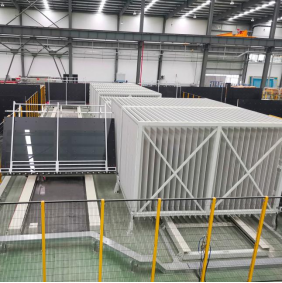
The implementation of a glass sorting system transforms facility operations by introducing precision, speed, and consistency to every handling process. Automated glass sorting reduces dependency on manual intervention, allowing staff to focus on higher-value tasks while maintaining strict quality standards. Facilities that deploy automatic glass sorting technology report measurable improvements in throughput, reduced product damage, and enhanced customer satisfaction through faster delivery cycles. Understanding why these systems matter is critical for facility managers seeking competitive advantage in demanding logistics environments.
Operational Efficiency and Cost Reduction
Streamlining High-Volume Processing
Automatic glass sorting enables facilities to process significantly larger quantities within fixed timeframes. Traditional manual sorting methods create bottlenecks, particularly during peak seasons or when handling diverse glass specifications. A glass sorting machine can categorize items by dimensions, thickness, color, and destination simultaneously, performing tasks that would require multiple staff members working extended shifts. This acceleration directly translates to reduced labor costs per unit processed and improved facility capacity utilization without requiring facility expansion.
Minimizing Product Loss and Damage
Glass products are inherently fragile, and manual handling introduces significant damage risk throughout the logistics chain. Glass sorting equipment uses precisely controlled conveyors, gentle transfer mechanisms, and optimized spacing to minimize impact and stress on items. The reduction in breakage directly improves profit margins, as damaged glass must often be written off entirely or reprocessed at additional cost. Facilities implementing automatic glass sorting report damage reductions ranging from thirty to fifty percent, a substantial improvement that compounds over operational timeframes.
Quality Assurance and Precision Control
Consistent Inspection Standards
Manual inspection introduces human variability, as fatigue, attention fluctuations, and inconsistent judgment affect sorting accuracy. A glass inspection sorting system maintains uniform standards across entire processing runs, ensuring every item meets specified criteria before reaching customers. Automated systems can detect defects, verify dimensions within tolerances measured in millimeters, identify discoloration, and spot structural weaknesses that human inspectors might overlook. This consistency strengthens brand reputation and reduces warranty claims and customer returns.
Traceability and Documentation
Modern glass sorting equipment integrates with facility management software, creating detailed records of every item processed. Each piece of glass can be tracked from receiving through dispatch, with timestamped documentation of sorting decisions and quality checks. This traceability supports regulatory compliance, enables root cause analysis when issues occur, and provides data for continuous improvement initiatives. Customers increasingly demand this level of documentation, making it a competitive differentiator in professional logistics markets.
Flexibility and Scalability Benefits
Adapting to Product Variety
Modern glass sorting machines accommodate diverse product specifications without extensive reconfiguration. Whether handling tempered glass, laminated glass, colored variants, or specialized architectural products, automatic glass sorting systems adjust parameters quickly to maintain processing efficiency. This flexibility allows facilities to serve multiple customer segments and market niches from a single location, expanding revenue opportunities. Facility managers can introduce new glass product lines without investing in entirely separate processing infrastructure.
Supporting Business Growth
As customer demand increases, facilities face choices between expanding workforce or investing in automation. Glass sorting equipment scales output without proportional increases in labor costs or facility footprint. Adding capacity through manual hiring becomes economically unfeasible at certain volume thresholds, but investing in automatic glass sorting extends facility capability indefinitely. This scalability allows facilities to capture growth opportunities without operational strain.
FAQ
How does a glass sorting system improve worker safety?
By automating repetitive handling tasks, glass sorting equipment reduces worker exposure to injury risks associated with manual lifting, cutting, and sorting. Employees work with machinery rather than directly handling fragile materials, decreasing back injuries and laceration incidents. Automated systems also minimize accumulation of broken glass fragments that create safety hazards on facility floors.
What types of glass can be processed by glass sorting machines?
Modern glass sorting equipment handles flat glass, tempered glass, laminated glass, tinted variants, and specialty architectural products. The glass inspection sorting system adjusts detection parameters based on material properties and customer specifications, making it suitable for diverse product categories within facilities. Some systems even accommodate curved or three-dimensional glass items.
Can glass sorting equipment integrate with existing facility systems?
Yes, contemporary automatic glass sorting systems connect seamlessly with warehouse management software, ERP platforms, and shipping systems. Integration enables real-time inventory updates, automatic dispatch directives, and performance analytics. Most vendors provide customized connectivity solutions to accommodate facility-specific infrastructure and workflows.