Automotive Glass Cutting Solutions - Precision Technology for Vehicle Glazing Manufacturing

All Categories

Get a Free Quote

Our representative will contact you soon.
Email
Name
Company Name
Message
0/1000

automotive glass cutting

Automotive glass cutting represents a specialized manufacturing process that shapes and sizes glass components used in vehicles with exceptional precision and efficiency. This critical operation involves advanced machinery and techniques designed to produce windshields, side windows, rear windows, and sunroofs that meet exact specifications for modern automobiles. The process encompasses multiple technological approaches including laser cutting, waterjet cutting, CNC-controlled cutting systems, and traditional diamond-tipped cutting methods. Each automotive glass cutting technique offers distinct advantages depending on the glass type, thickness, and required tolerances. Modern automotive glass cutting systems integrate computer-aided design software that ensures every piece meets stringent safety standards and fits perfectly within vehicle frameworks. The main functions of automotive glass cutting extend beyond simple size reduction. These systems perform complex operations such as edge grinding, drilling holes for mounting hardware, creating precise curves for aerodynamic designs, and producing intricate shapes that match contemporary vehicle aesthetics. The technological features incorporated into automotive glass cutting equipment include automated feeding mechanisms, real-time quality monitoring sensors, temperature control systems, and waste minimization protocols. These features work together to maintain consistency across production runs while reducing material waste and energy consumption. Applications for automotive glass cutting span the entire automotive industry from luxury vehicle manufacturers to commercial truck producers. Original equipment manufacturers rely on automotive glass cutting technology to produce components for new vehicles, while aftermarket suppliers use these systems to create replacement parts. The automotive glass cutting process also serves specialty vehicle manufacturers who require custom glass solutions for unique designs. Furthermore, restoration shops utilize automotive glass cutting services to recreate vintage vehicle windows that are no longer commercially available. The precision achieved through modern automotive glass cutting ensures proper sealing, optimal visibility, structural integrity, and compliance with international safety regulations governing automotive glazing products.

New Product Releases

The automotive glass cutting process delivers numerous practical benefits that directly impact manufacturers, installers, and vehicle owners. First and foremost, precision stands as the cornerstone advantage of modern automotive glass cutting technology. Advanced systems cut glass with tolerances measured in fractions of millimeters, ensuring each piece fits perfectly without gaps or misalignment. This precision eliminates the need for costly adjustments during installation and prevents air leaks, water infiltration, and wind noise that compromise vehicle comfort. The accuracy of automotive glass cutting also enhances vehicle safety by ensuring structural components bond correctly to the glass, maintaining the integrity of the passenger compartment during collisions. Speed represents another significant advantage of contemporary automotive glass cutting systems. Automated equipment processes glass components in minutes rather than hours, dramatically increasing production capacity. This efficiency translates to shorter lead times for customers, reduced inventory costs for manufacturers, and faster turnaround for replacement glass needs. The rapid processing capability of automotive glass cutting technology enables manufacturers to respond quickly to market demands and seasonal fluctuations without maintaining excessive stock levels. Cost effectiveness emerges as a major benefit when utilizing advanced automotive glass cutting methods. Modern systems maximize material utilization by optimizing cutting patterns and minimizing waste glass. The reduction in scrap material directly lowers raw material expenses while also decreasing disposal costs. Energy-efficient automotive glass cutting equipment consumes less power than older systems, further reducing operational expenses. The automation inherent in contemporary automotive glass cutting reduces labor costs by requiring fewer operators while simultaneously improving output quality. Consistency and repeatability provide additional advantages that ensure every glass piece meets identical specifications. Automotive glass cutting systems programmed with digital templates reproduce the same results thousands of times without variation. This consistency eliminates quality issues that arise from human error or equipment drift in manual operations. The reliability of automotive glass cutting technology reduces rejection rates, warranty claims, and customer complaints. Flexibility in handling various glass types and thicknesses makes automotive glass cutting systems valuable across diverse applications. The same equipment can process laminated safety glass, tempered glass, and specialty coatings without extensive reconfiguration. This versatility allows manufacturers to serve multiple market segments with a single production line. The adaptability of automotive glass cutting technology also accommodates design changes and new vehicle models without requiring substantial capital investments in dedicated equipment.

Latest News

What Are the Benefits of Using an Automated Glass Sorting System?

24

Sep

What Are the Benefits of Using an Automated Glass Sorting System?

Revolutionizing Glass Recycling Through Advanced Automation The glass recycling industry is undergoing a remarkable transformation with the integration of automated glass sorting systems. These sophisticated technologies are reshaping how recycling f...
View More
How Does a Glass Sorting System Integrate with Other Glass Lines?

24

Sep

How Does a Glass Sorting System Integrate with Other Glass Lines?

Seamless Integration of Modern Glass Sorting Technologies The integration of a glass sorting system into existing production lines represents a significant advancement in glass manufacturing and recycling operations. These sophisticated systems utili...
View More
How to Select the Right Hub Glass Furnace for Your Facility?

24

Nov

How to Select the Right Hub Glass Furnace for Your Facility?

Selecting the appropriate hub glass furnace for your manufacturing facility represents one of the most critical decisions that will impact your production efficiency, product quality, and long-term operational costs. A hub glass furnace serves as the...
View More
How Can Grinding Machines Enhance Surface Finish and Dimensional Accuracy?

19

Dec

How Can Grinding Machines Enhance Surface Finish and Dimensional Accuracy?

Manufacturing precision has reached unprecedented levels in modern industrial applications, where surface finish quality and dimensional accuracy determine product performance and market competitiveness. Advanced grinding machines represent the corne...
View More

Get a Free Quote

Our representative will contact you soon.
Email
Name
Company Name
Message
0/1000

automotive glass cutting

Laser Precision Technology in Automotive Glass Cutting

Laser Precision Technology in Automotive Glass Cutting

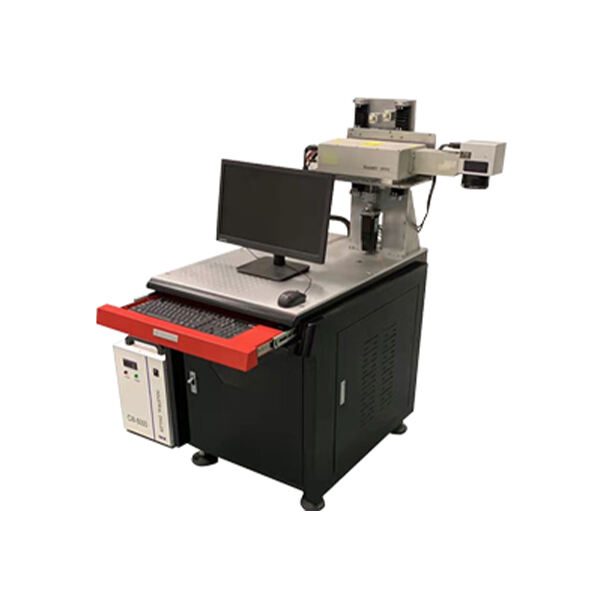
Laser-based automotive glass cutting represents the cutting edge of manufacturing technology, offering unparalleled precision and versatility that traditional methods cannot match. This advanced approach uses focused laser beams to score, cut, and shape automotive glass with microscopic accuracy, creating clean edges and complex geometries that were previously impossible to achieve. The laser automotive glass cutting process works by concentrating intense light energy onto a tiny point on the glass surface, causing localized heating that creates controlled fractures along predetermined paths. This non-contact method eliminates tool wear, reduces contamination risks, and allows for intricate designs including tight radius curves, sharp angles, and detailed patterns. The precision of laser automotive glass cutting enables manufacturers to produce components with tolerances within 0.1 millimeters, ensuring perfect fitment every time. This accuracy proves especially valuable for modern vehicles featuring flush-mounted glass, frameless windows, and panoramic roof systems where even minor dimensional variations cause significant installation problems. The speed advantage of laser automotive glass cutting surpasses conventional methods by factors of three to five times, depending on glass thickness and design complexity. The automated nature of laser systems allows continuous operation with minimal supervision, maximizing production efficiency during peak demand periods. Quality improvements achieved through laser automotive glass cutting include smoother edge finishes that require less secondary processing, reduced microcracking that could lead to premature failure, and superior optical clarity in the finished product. The flexibility of laser automotive glass cutting systems accommodates rapid design changes simply by updating software parameters rather than retooling mechanical systems. This adaptability proves invaluable for manufacturers serving multiple automotive brands or producing limited-edition vehicles with unique glass requirements. Environmental benefits associated with laser automotive glass cutting include reduced water consumption compared to waterjet systems, elimination of abrasive waste materials, and lower energy consumption per cut compared to traditional methods. The precision of laser automotive glass cutting also minimizes material waste by optimizing nesting patterns and reducing scrap generation, contributing to sustainability initiatives throughout the automotive supply chain.
Automated Quality Control in Automotive Glass Cutting Operations

Automated Quality Control in Automotive Glass Cutting Operations

Integrated quality control systems represent a transformative advancement in automotive glass cutting that ensures every component meets rigorous safety and performance standards before leaving the production line. These sophisticated monitoring systems combine optical sensors, dimensional measurement devices, and artificial intelligence algorithms to inspect glass pieces throughout the cutting process rather than relying solely on end-of-line checks. The real-time nature of quality control in automotive glass cutting operations detects defects immediately, allowing instant corrections that prevent waste and maintain consistent output quality. Modern automotive glass cutting equipment incorporates high-resolution cameras that capture detailed images of each cut edge, comparing actual results against digital specifications to identify deviations measured in micrometers. This visual inspection capability detects edge chips, surface scratches, inclusion defects, and dimensional variations that could compromise installation fit or long-term durability. The automated quality control integrated into automotive glass cutting systems also monitors process parameters including cutting speed, temperature, pressure, and tool condition, alerting operators to conditions that might affect quality before defects actually occur. This predictive approach to quality management in automotive glass cutting reduces scrap rates by identifying and correcting problems at their source rather than discovering issues after components are completed. The data collection capabilities of modern automotive glass cutting quality systems provide valuable insights into process optimization, equipment maintenance needs, and trending quality issues that require engineering attention. Manufacturers utilizing advanced quality control in their automotive glass cutting operations achieve remarkably low defect rates, often below 100 parts per million, which translates to exceptional customer satisfaction and reduced warranty costs. The traceability enabled by integrated quality systems in automotive glass cutting allows every component to be tracked from raw material through final installation, facilitating rapid response to any field issues and providing documentation for regulatory compliance. The consistency achieved through automated quality control in automotive glass cutting eliminates subjective human judgment from the inspection process, ensuring that acceptance criteria are applied uniformly across all shifts, operators, and production runs. This objectivity proves particularly important for automotive applications where safety regulations mandate specific performance characteristics that must be verified and documented for every component produced.
Versatile Material Handling in Automotive Glass Cutting Systems

Versatile Material Handling in Automotive Glass Cutting Systems

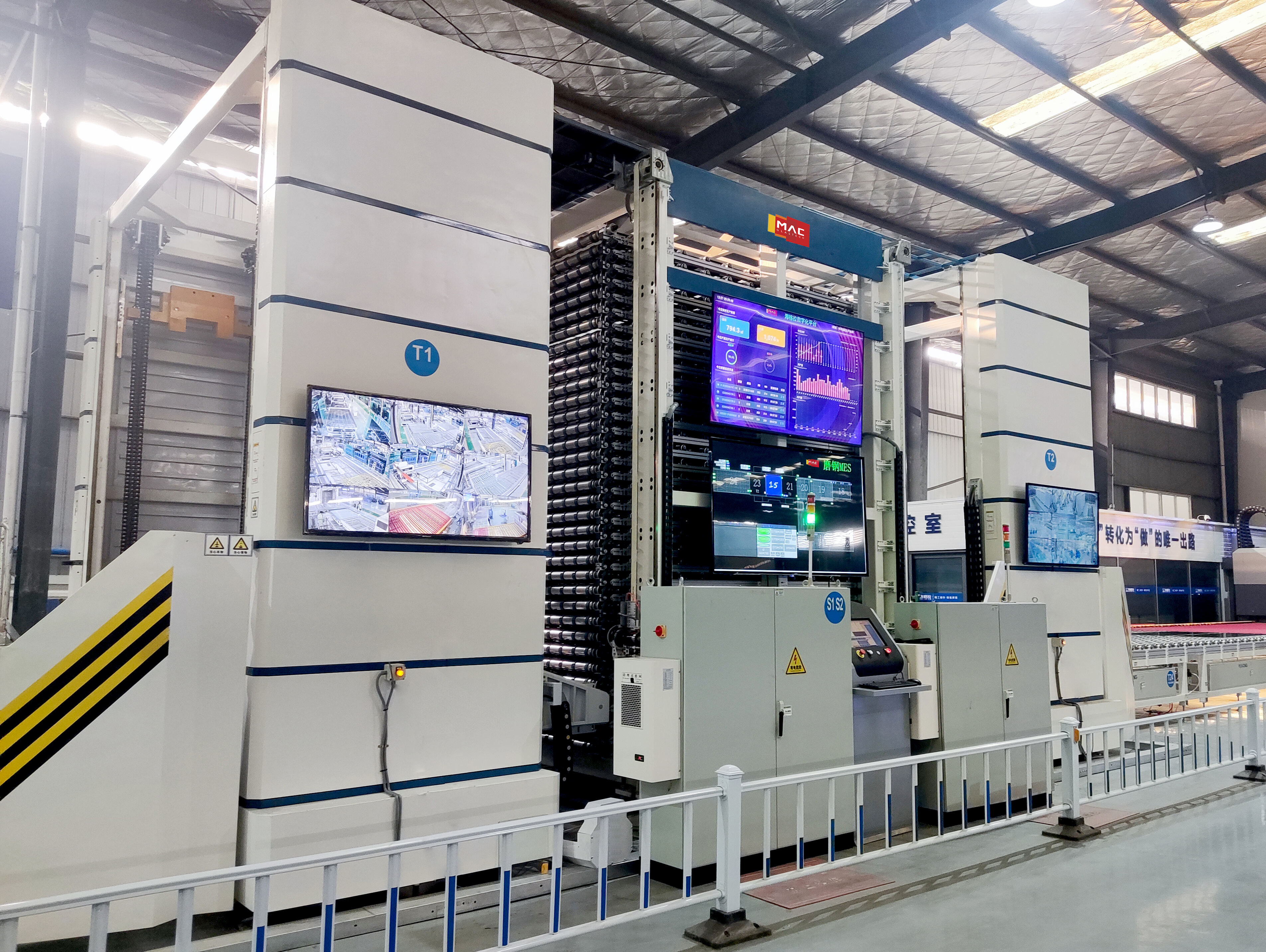
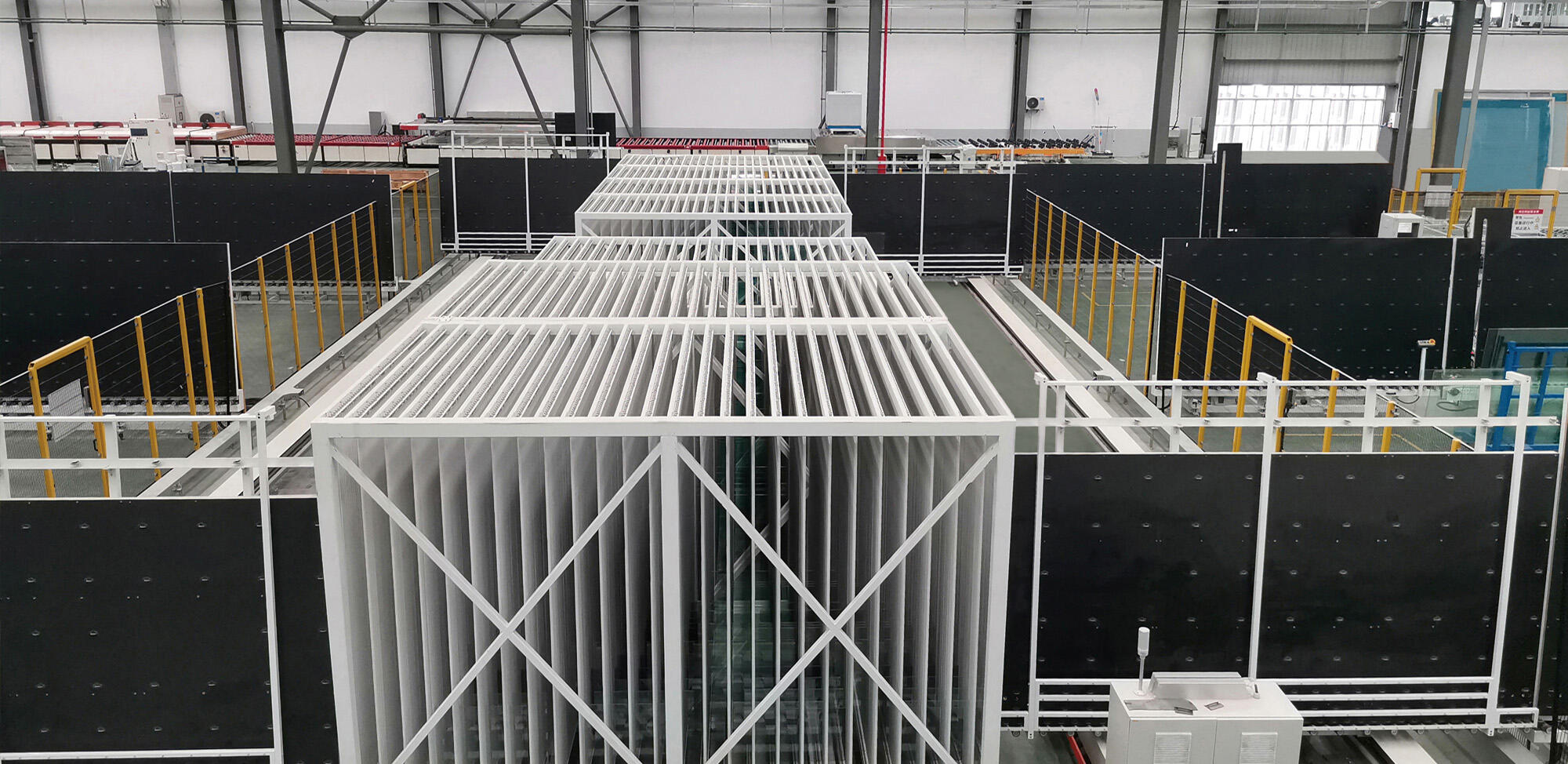
Advanced material handling capabilities integrated into modern automotive glass cutting systems revolutionize production efficiency and workplace safety by automating the movement, positioning, and support of large glass sheets throughout the cutting process. These sophisticated handling systems address the unique challenges presented by automotive glass, which combines substantial weight, fragile edges, and awkward dimensions that make manual manipulation difficult and dangerous. The automated material handling incorporated into automotive glass cutting equipment begins with raw material loading systems that safely retrieve full-size glass sheets from vertical storage racks and position them onto cutting tables with precise alignment. This automation eliminates the physical strain and injury risks associated with manually moving sheets that often weigh over 50 kilograms and measure several square meters in area. The vacuum-based support systems used in automotive glass cutting operations hold glass firmly during cutting while distributing pressure evenly to prevent stress concentrations that could cause spontaneous breakage. These support tables accommodate various glass sizes and shapes by incorporating adjustable zones that activate only where needed, optimizing energy consumption and enabling efficient nesting of multiple parts on a single sheet. The sophisticated positioning accuracy of material handling in automotive glass cutting systems ensures glass sheets align precisely with cutting patterns, eliminating the dimensional errors that occur when materials are manually positioned. Rotational capabilities integrated into advanced automotive glass cutting material handling allow automatic reorientation of glass sheets to optimize cutting paths and minimize waste, all without operator intervention. The gentle handling characteristics of modern automotive glass cutting systems protect glass surfaces from scratches and chips that could compromise optical quality or create stress points leading to future cracks. Automated unloading systems in automotive glass cutting operations safely remove completed parts from cutting tables and transfer them to edge finishing stations or packaging areas, maintaining production flow and reducing manual handling touchpoints. The integration of material handling with automotive glass cutting control systems enables lights-out manufacturing where production continues during unmanned shifts, dramatically increasing equipment utilization and return on investment. Safety improvements realized through automated material handling in automotive glass cutting include elimination of repetitive strain injuries, reduction in cuts from handling glass edges, and decreased risk of back injuries from lifting heavy materials. The scalability of material handling systems in automotive glass cutting allows manufacturers to start with basic automation and progressively add capabilities as production volumes increase, protecting initial equipment investments while providing a growth path for future expansion.