דיוק עליון ואיכות קצה ללא עיבוד משני
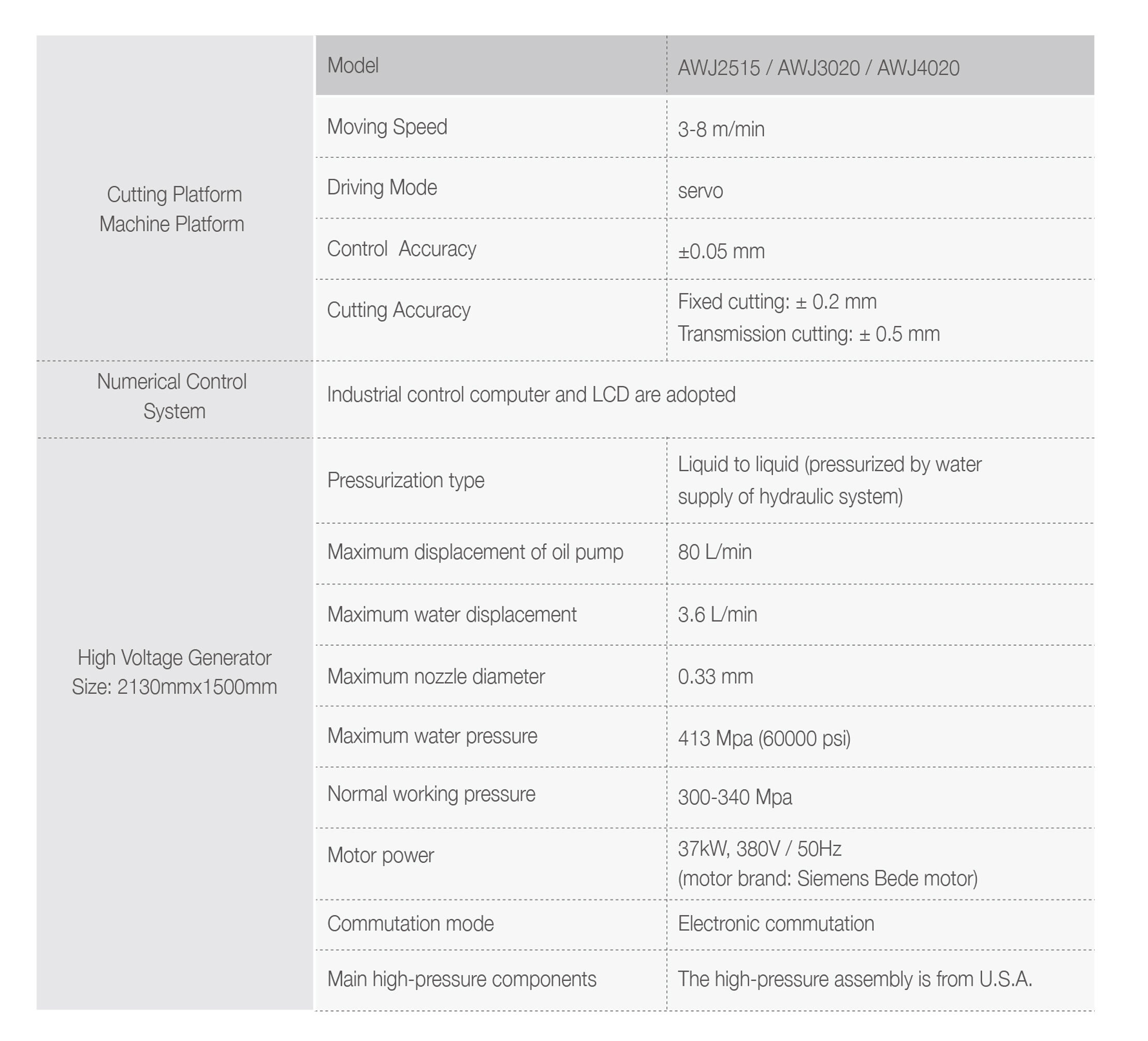
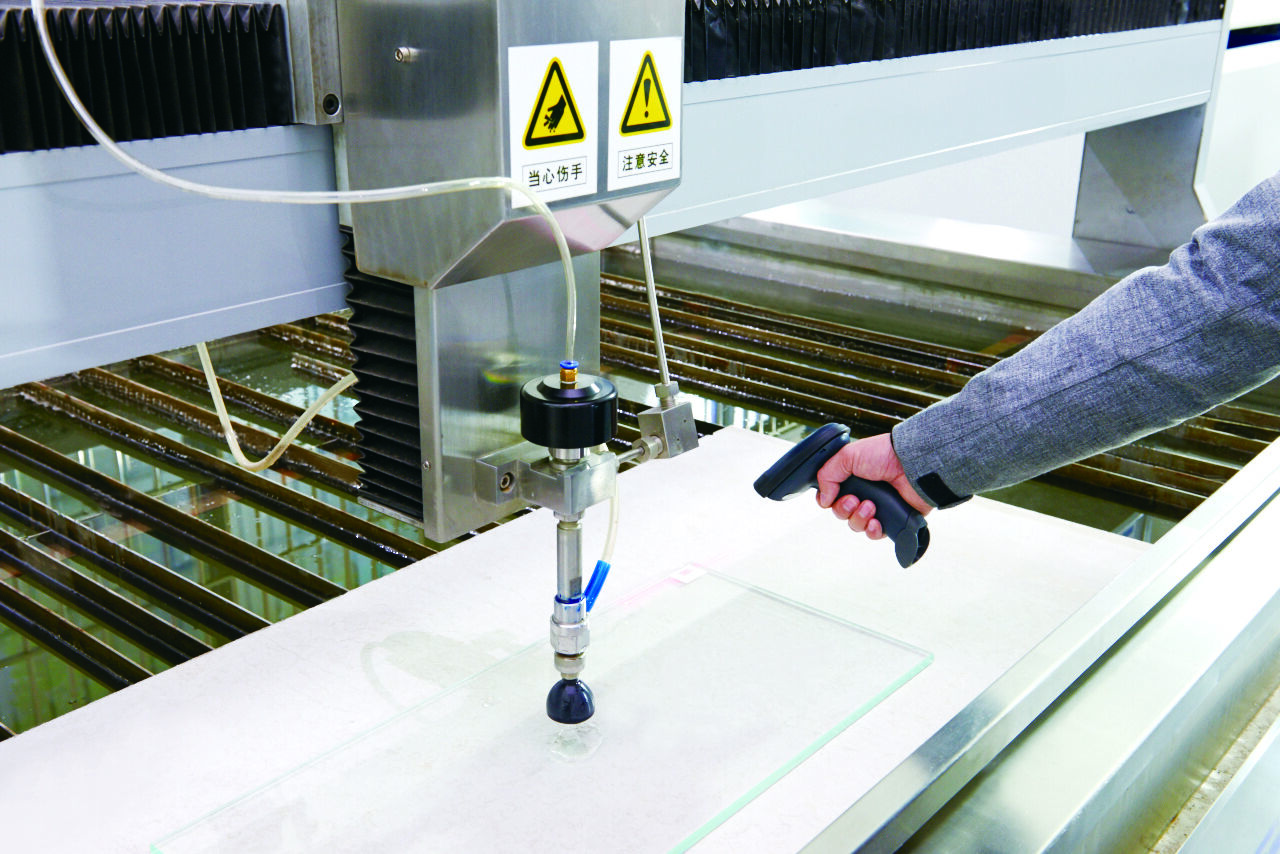
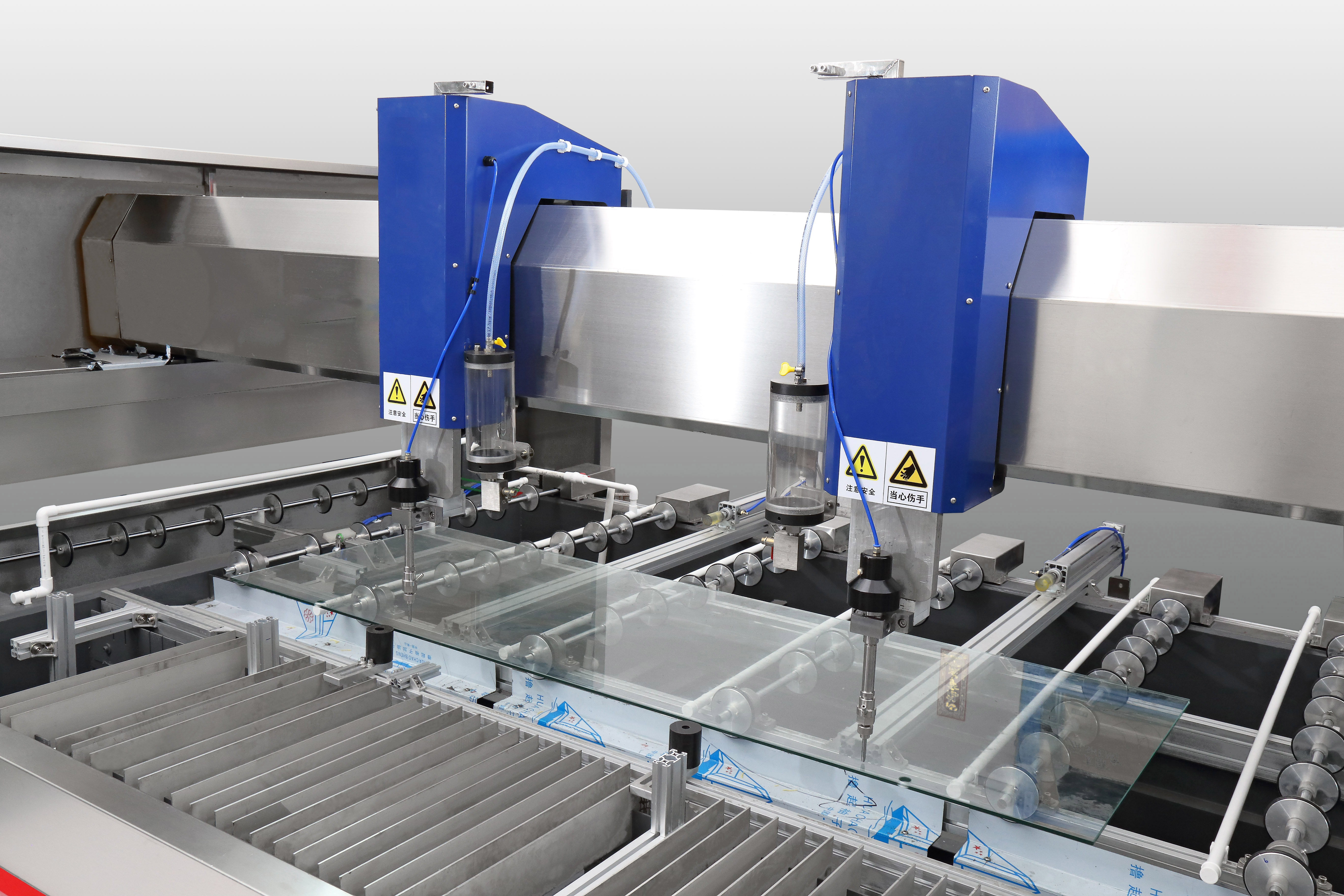
זרם המים התעשייתי מספק דיוק חיתוך שמתחרה או עולה על טכנולוגיות חיתוך אוטומטיות אחרות, תוך ייצור איכות קצה עליונה שמבטלת לעיתים קרובות לחלוטין את הצורך בפעולות גימור משניות. שילוב זה של דיוק ואיכות גימור משפיע ישירות על יעילות הייצור ועל מבנה העלות שלך, על ידי הפחתת צעדי עיבוד ושיפור היעילות בשימוש בחומר. מערכות זרם מים מודרניות, שמצוידות בשליטה מתקדמת בתנועה ובטכנולוגיית ראש חיתוך דינמי, מ logy דיוק מיקומי בתוך טווח של פלוס או מינוס 0.003 אינץ' — דיוק מספיק גבוה ליישומים דרמטיים בייצור רכיבי תעופה, ייצור מכשירי רפואה ויצירת כלים מדויקים. מידת הדיוק הזו נותרת קבועה ללא קשר לסוג החיתוך: קו ישר, עקומות ברדיוס קטן או צורות מעוצבות מורכבות, מה שנותן לך חופש עיצובי בלי להתפשר על דיוק ממדי. רוחב החריץ הצר של זרם המים התעשייתי, שכולל בדרך כלל טווח של 0.020–0.040 אינץ', תלוי בבחירת הנקב ובצינור הממקד, פירושו הסרה מינימלית של חומר במהלך החיתוך. נתיב החיתוך הצר הזה מתורגם ישירות לחסכון בחומר, במיוחד כשעובדים עם חומרים יקרים כמו טיטניום, אינקונל או קומפוזיטים מיוחדים, שבהם כל אינץ' ריבועי מייצג עלות משמעותית. ניתן לסדר חלקים בצורה יעילה יותר על לוחות החומר, להכניס יותר רכיבים לתוך השטח הזמין ולפחית את אחוז הפסולת שפוגע בהכנסות הרווח. בייצור כמויות גדולות, אפילו שיפורים קטנים בשימוש בחומר מצטברים לחסכונות גדולים מדי שנה, מה שמשפר את המיקום התחרותי ואת הרווחיות של הפרויקטים. איכות הקצה שנוצרת על ידי חיתוך זרם מים דורשת בדרך כלל גימור נוסף רק עבור יישומים מסוימים, בעוד שהחלק יוצא מההליך חלק ומלא בלא חריצים. פני השטח החתוך מציגים קושי מינימלי, ומדידה טיפוסית נע בין 125 ל-250 מיקרואינץ' Ra, בהתאם למהירות החיתוך ופרמטרי זרימת החומר הגס. איכות הגימור הזו מספיקה לרבים מהMontajes והיישומים ללא צורך בסנידור, הסרת חריצים או פעולות גימור משניות אחרות שמוסיפות זמן עיבוד ועלות יד-עבודה. כאשר מבטלים את צעדי הגימור האלה, מפחיתים את הטיפול הנוסף, מקצרים את זמני ההובלה, ומצמצמים את הסיכויים לפגיעות או לזיהום שיכולים להתרחש בשלב העיבוד הנוסף. היעדר אזורי השפעת החום הוא יתרון איכות נוסף בעל השלכות משמעותיות לביצועי החלק ולמשך חייו. שיטות חיתוך תרמיות משנות את מבנה החומר בצמוד לקצה החתוך, ויוצרות אזורים קשיחים או רכים, מחדדות מתחים שאריים ועשויים להשפיע על התנגדות לקלקול ועל מאפייני עייפות. זרם המים התעשייתי אינו יוצר שום השפעה תרמית, ומאפשר לשמור על מאפייני החומר כפי שהם, גם עד לקצה החתוך. מאפיין זה קריטי ליישומים שבהם יש לשמור על مواصفות ביצועי החומר לאורך כל הרכיב, כגון רכיבי תעופה מבניים, מיכלים תחת לחץ או רכיבי רכב קריטיים לביטחון, שבהם שינוי במאפייני החומר עלול לגרום לכשל מוקדם.
 EN
EN
 AR
AR
 BG
BG
 HR
HR
 CS
CS
 DA
DA
 NL
NL
 FI
FI
 FR
FR
 DE
DE
 EL
EL
 HI
HI
 IT
IT
 JA
JA
 KO
KO
 PL
PL
 PT
PT
 RO
RO
 RU
RU
 ES
ES
 SV
SV
 TL
TL
 IW
IW
 LV
LV
 LT
LT
 SK
SK
 SL
SL
 UK
UK
 VI
VI
 ET
ET
 HU
HU
 MT
MT
 TH
TH
 TR
TR
 FA
FA
 MS
MS
 SW
SW
 GA
GA
 AZ
AZ