Nozzle Water Jet Technology: Precision Cutting and Cleaning Solutions for Modern Manufacturing

All Categories

Get a Free Quote

Our representative will contact you soon.
Email
Name
Company Name
Message
0/1000

nozzle water jet

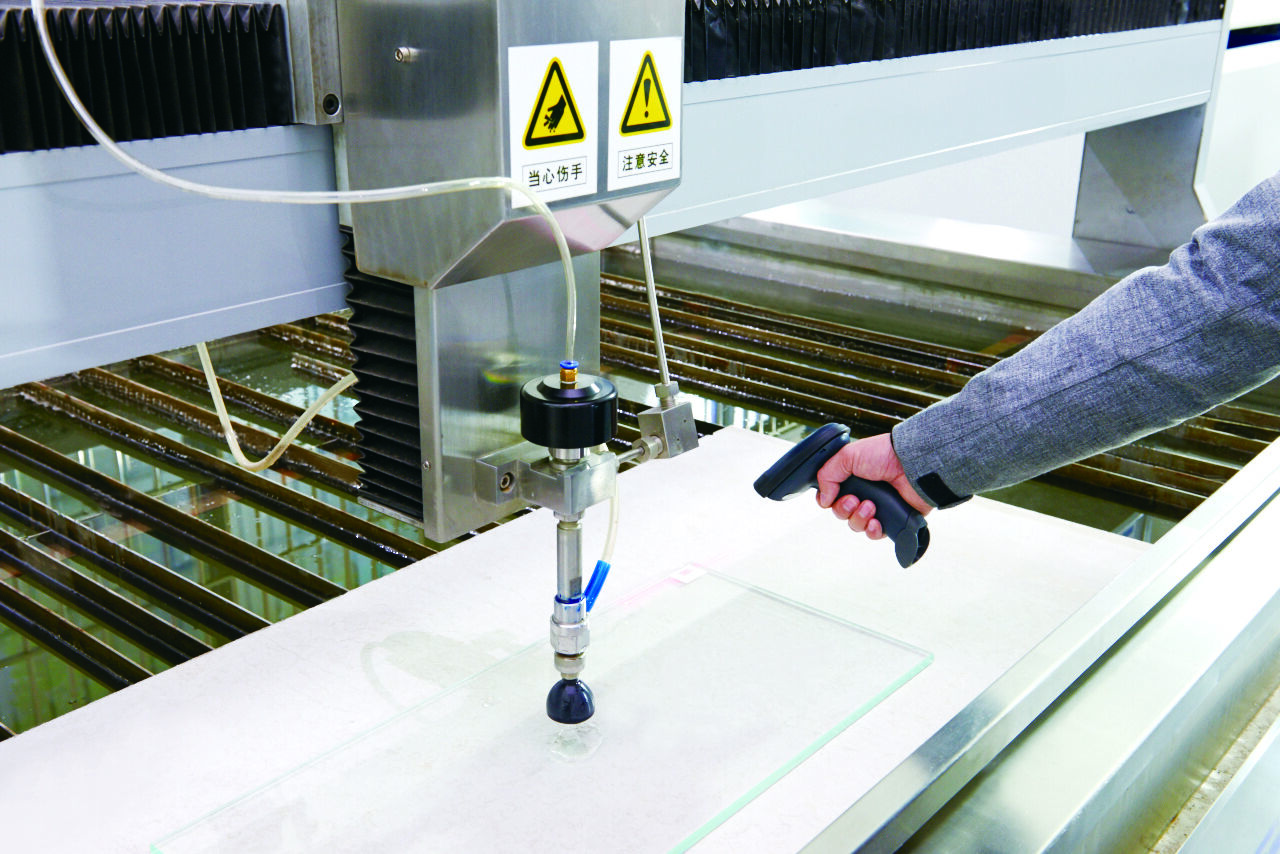
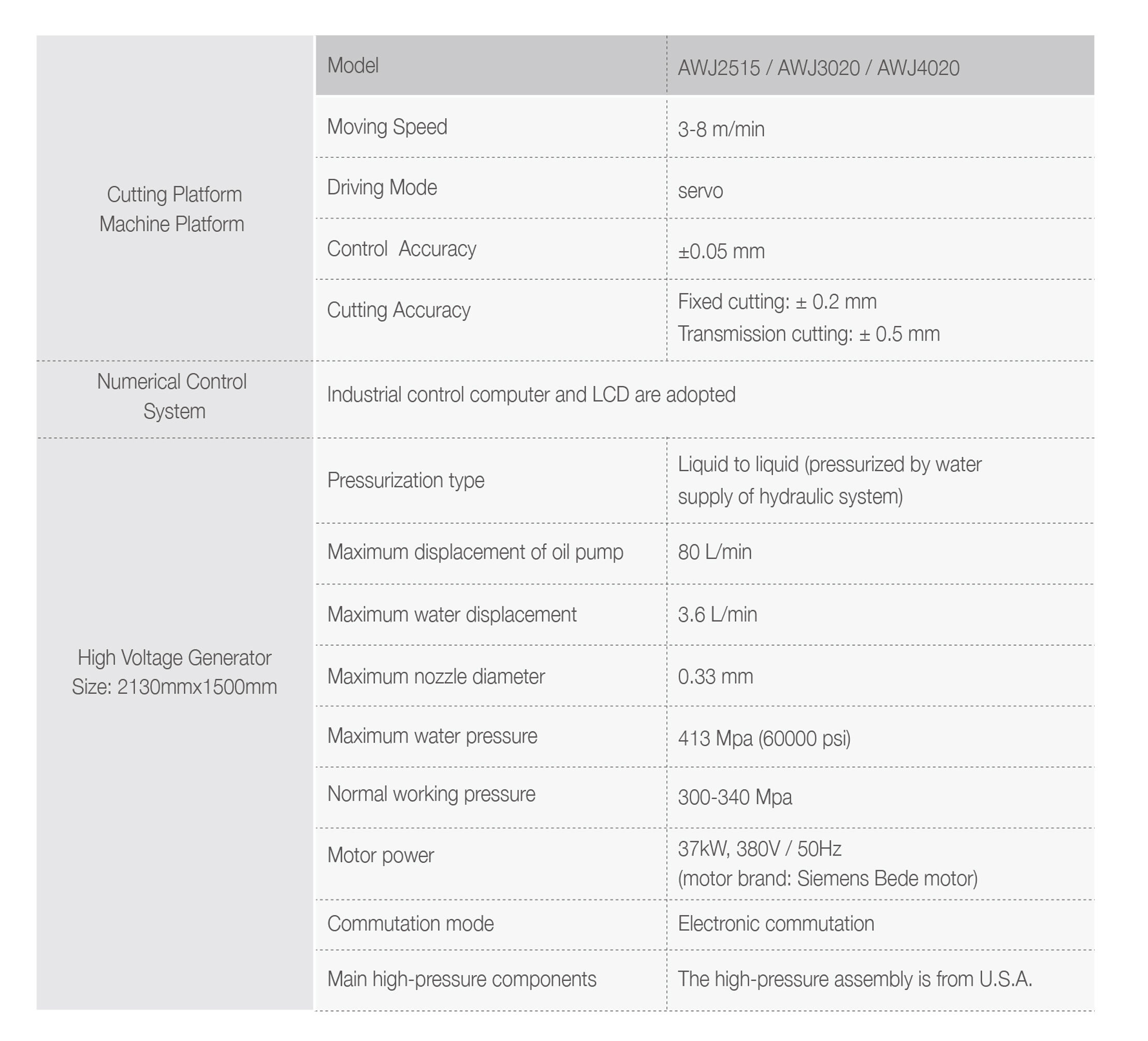
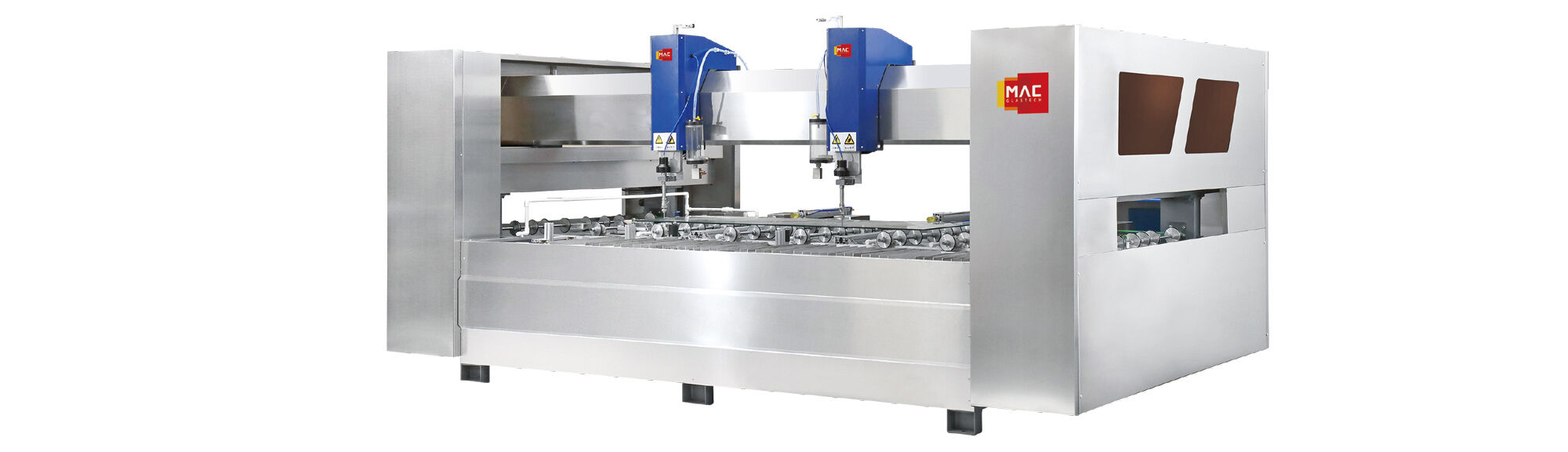
A nozzle water jet represents a sophisticated cutting and cleaning technology that harnesses the raw power of pressurized water to accomplish tasks ranging from precision manufacturing to industrial surface preparation. This remarkable device transforms ordinary water into a highly focused stream capable of cutting through materials, removing stubborn contaminants, and performing intricate operations with exceptional accuracy. The fundamental principle behind the nozzle water jet involves accelerating water through a specially engineered orifice, creating a concentrated beam that delivers kinetic energy precisely where needed. Modern nozzle water jet systems operate across a spectrum of pressure ranges, from moderate levels suitable for cleaning applications to ultra-high pressures exceeding 60,000 pounds per square inch for demanding cutting operations. The technological sophistication of these systems lies in their ability to maintain consistent flow characteristics while managing extreme pressures and velocities. Engineers have developed various nozzle configurations to optimize performance for specific applications, including fan patterns for broad coverage, pinpoint streams for detailed work, and rotating designs that enhance cleaning efficiency. The versatility of the nozzle water jet extends across numerous industries, including aerospace manufacturing where precision cutting of composite materials is essential, automotive production facilities requiring paint removal and surface preparation, food processing plants demanding sanitary cleaning solutions, and construction sites needing concrete surface treatment. The system typically comprises several key components: a high-pressure pump that generates the necessary force, filtration equipment to ensure water purity, pressure regulation mechanisms for consistent output, the nozzle assembly itself which shapes and directs the water stream, and safety systems that protect operators and equipment. Advanced nozzle water jet installations may incorporate abrasive injection capabilities, allowing the water stream to carry garnet or other cutting media for enhanced material removal rates. The environmental advantages of this technology have driven increased adoption, as the process generates minimal waste, eliminates chemical contamination risks, and often allows for water recycling. The precision achievable with nozzle water jet technology enables manufacturers to create intricate designs, maintain tight tolerances, and work with materials that would be difficult or impossible to process using traditional mechanical methods.

New Product Releases

The nozzle water jet delivers remarkable benefits that directly impact your operational efficiency and bottom line. First and foremost, this technology provides unmatched versatility in handling diverse materials without requiring tool changes or extensive setup modifications. Whether you need to cut titanium, aluminum, rubber, foam, glass, stone, or composites, the same nozzle water jet equipment accomplishes the task effectively. This flexibility eliminates the need to invest in multiple specialized machines, reducing capital expenditure and freeing up valuable floor space in your facility. The precision offered by nozzle water jet systems ensures that you achieve consistent results with minimal material waste. Unlike mechanical cutting methods that generate heat and potentially alter material properties, the cold cutting process preserves the integrity of your workpieces, preventing thermal distortion, hardening, or metallurgical changes. This characteristic proves especially valuable when working with heat-sensitive materials or maintaining strict quality standards. Your production efficiency increases substantially because the nozzle water jet operates continuously without dulling or wearing out cutting edges like traditional tools. This translates to reduced downtime, fewer tool replacement costs, and more predictable maintenance schedules. The environmental advantages extend beyond simple water usage. Since the nozzle water jet process typically requires no hazardous chemicals or produces toxic fumes, your workplace becomes safer and healthier for employees while reducing regulatory compliance burdens and disposal costs. Many operations can recycle and filter the water, further minimizing environmental impact and operational expenses. The technology excels at creating intricate shapes and complex geometries that would challenge conventional machining methods, opening new design possibilities for your products. You gain the ability to nest parts efficiently on material sheets, maximizing utilization rates and reducing scrap. The narrow kerf width of the water stream means less material removal and tighter spacing between cut parts. Safety improvements represent another significant advantage, as the nozzle water jet eliminates spark hazards, reduces dust generation, and operates without exposing workers to dangerous rotating blades or cutting tools. The automated nature of modern systems allows operators to program cutting paths and monitor progress from safe distances. Maintenance requirements remain relatively straightforward, with primary consumables being the nozzle orifice and, when used, abrasive media. Unlike complex mechanical systems with numerous wearing components, the nozzle water jet design minimizes breakdown risks and simplifies troubleshooting. The quick changeover capability between different jobs enhances your facility's agility, allowing you to respond rapidly to customer demands, accommodate small batch production economically, and maintain competitive delivery schedules. The clean edges produced by the nozzle water jet often eliminate or reduce secondary finishing operations, streamlining your workflow and reducing labor costs while improving overall product quality and customer satisfaction.

Tips And Tricks

What Are the Future Trends in Intelligent Glass Sorting Systems?

24

Sep

What Are the Future Trends in Intelligent Glass Sorting Systems?

The Evolution of Advanced Glass Sorting Technology The landscape of glass recycling and processing is undergoing a remarkable transformation through intelligent glass sorting systems. These sophisticated technologies are revolutionizing how we handle...
View More
Why Are Glass Drilling Machines Vital in Automotive and Construction Industries?

28

Oct

Why Are Glass Drilling Machines Vital in Automotive and Construction Industries?

The Evolution of Glass Processing Technology in Modern Industries The landscape of industrial manufacturing has been transformed by the advent of sophisticated glass drilling machines, revolutionizing how we process and manipulate glass materials. Th...
View More
How Do Glass Drilling Machines Handle Different Glass Thicknesses Safely?

28

Oct

How Do Glass Drilling Machines Handle Different Glass Thicknesses Safely?

Understanding Modern Glass Drilling Technology and Safety Mechanisms The world of glass fabrication has evolved significantly with the introduction of advanced glass drilling machines that can handle various glass thicknesses with remarkable precisio...
View More
What Should Manufacturers Consider When Selecting Equipment for Insulating Glass Production?

19

Dec

What Should Manufacturers Consider When Selecting Equipment for Insulating Glass Production?

Modern insulating glass manufacturing demands precision, efficiency, and cutting-edge technology to meet the growing requirements of energy-efficient building construction. Selecting the right equipment for insulating glass production involves carefu...
View More

Get a Free Quote

Our representative will contact you soon.
Email
Name
Company Name
Message
0/1000

nozzle water jet

Exceptional Material Versatility Without Compromise

Exceptional Material Versatility Without Compromise

The nozzle water jet stands out prominently in modern manufacturing due to its extraordinary ability to process virtually any material regardless of hardness, thickness, or composition without compromising cut quality or requiring specialized tooling adjustments. This universal capability stems from the fundamental physics of high-velocity water erosion, which operates independently of material properties like hardness scales or melting points that limit traditional cutting methods. When your production demands shift from cutting hardened tool steel to delicate foam or from thick titanium plate to brittle ceramics, the nozzle water jet accommodates these transitions seamlessly, requiring only pressure adjustments and feed rate modifications rather than complete equipment changes. This adaptability proves invaluable for job shops and manufacturers handling diverse product lines, eliminating the substantial capital investment traditionally required to equip facilities with multiple dedicated machines for different material types. The technology equally excels with reflective materials that pose challenges for laser cutting, conductive metals that resist electrical discharge machining, and layered composites where delamination concerns rule out mechanical sawing. Your design engineers gain creative freedom knowing that material selection decisions need not be constrained by manufacturing limitations, enabling optimization based purely on functional requirements and performance criteria. The nozzle water jet processes materials ranging from soft gasket materials measuring fractions of an inch to steel plates exceeding twelve inches thick, from aerospace-grade composites to natural stone slabs, from rubber and plastics to exotic alloys. This span of capability consolidates operations that would otherwise require routing work to specialized subcontractors or maintaining redundant equipment inventories. The economic implications extend beyond equipment costs to encompass reduced inventory complexity, simplified operator training programs, and streamlined production scheduling. Workers develop expertise on a single platform applicable across your entire material spectrum rather than fragmenting knowledge across multiple technologies. The consistency of process parameters and quality expectations across different materials simplifies quality control protocols and reduces inspection variables. Furthermore, the cold cutting nature of the nozzle water jet preserves material integrity regardless of type, preventing heat-affected zones in metals, avoiding melting in plastics, eliminating burning in wood products, and preventing thermal stress in glass or ceramics. This universal preservation of base material properties ensures that your finished parts maintain their engineered characteristics throughout the fabrication process, delivering reliability and performance in final applications.
Zero Mechanical Stress and Superior Edge Quality

Zero Mechanical Stress and Superior Edge Quality

Among the most compelling advantages distinguishing the nozzle water jet from conventional fabrication methods is its complete elimination of mechanical contact forces and thermal stresses during the cutting process, resulting in superior edge quality that frequently eliminates secondary finishing operations while preventing material distortion and property degradation. Traditional cutting approaches whether sawing, milling, or shearing impose substantial mechanical loads on workpieces, generating vibrations, deflections, and residual stresses that can compromise dimensional accuracy and induce micro-cracking in brittle materials. These mechanical stresses prove particularly problematic when processing thin-gauge materials prone to flexing, delicate components that cannot withstand clamping forces, or brittle substrates susceptible to edge chipping. The nozzle water jet circumvents these issues entirely by using water pressure rather than physical contact to separate material, allowing fixturing requirements to focus solely on positioning rather than resisting cutting forces. This gentle approach enables processing of fragile items, pre-stressed components, and assemblies that would fracture or deform under conventional machining loads. Similarly, heat-generating processes like laser cutting, plasma arc, and flame cutting introduce thermal energy that alters material properties within heat-affected zones, creating hardened edges in steels, melting and resolidifying plastics, inducing residual stresses that cause warping, and potentially compromising the structural integrity of heat-treated alloys. The nozzle water jet operates as a cold process, maintaining workpiece temperatures near ambient levels throughout cutting operations and preserving factory-applied heat treatments, tempers, and metallurgical conditions. This thermal neutrality proves essential when fabricating precision components where dimensional stability matters, processing materials with strict temperature limitations, or maintaining specific material properties required for end-use performance. The edge quality produced by a properly configured nozzle water jet rivals or exceeds that achieved through much more time-consuming finish machining operations. The clean, square edges emerge free from burrs, requiring minimal deburring labor compared to mechanical cutting methods that leave rough, torn edges demanding extensive hand finishing. The absence of heat-affected discoloration means parts often proceed directly to subsequent operations or final assembly without intermediate cleaning or surface treatment. For many applications, the as-cut surface finish from a nozzle water jet satisfies final specifications, compressing production workflows and reducing handling steps that introduce opportunities for damage or contamination. The stress-free cutting characteristic also prevents the spring-back and distortion common when releasing residual stresses through material removal, ensuring that cut parts maintain dimensional accuracy and fit properly in assemblies without requiring corrective straightening or adjustment procedures.
Environmental Responsibility and Workplace Safety

Environmental Responsibility and Workplace Safety

The nozzle water jet technology delivers substantial environmental and safety advantages that align with modern sustainability objectives while creating healthier working conditions and reducing regulatory compliance complexities associated with hazardous processes. Unlike cutting and cleaning methods that rely on harsh chemicals, produce toxic fumes, generate combustible dust, or create hazardous waste streams requiring special handling and disposal, the nozzle water jet accomplishes its work using plain water as the primary consumable. This fundamental simplicity eliminates entire categories of environmental concerns, workplace hazards, and regulatory requirements that burden facilities employing conventional technologies. The absence of chemical additives in most applications means no volatile organic compound emissions contributing to air quality problems, no hazardous substance exposure risks for operators, and no contaminated waste disposal challenges. When operations do incorporate abrasive media to enhance cutting performance, the selected materials typically consist of inert garnet or other naturally occurring minerals that present minimal environmental or health hazards and can often be disposed of as non-hazardous waste after appropriate dewatering. The closed-loop water systems available for nozzle water jet installations enable recycling and reuse, dramatically reducing water consumption compared to once-through configurations while incorporating filtration to remove suspended particles and maintain water quality. This conservation approach addresses growing concerns about industrial water usage and demonstrates environmental stewardship increasingly valued by customers, communities, and regulatory agencies. The elimination of combustion processes, electrical arcs, and friction heating removes fire and explosion hazards associated with spark generation near flammable materials, allowing safer operation in environments where traditional cutting methods would require extensive precautions or prove entirely unsuitable. The nozzle water jet produces no hazardous fumes or smoke requiring ventilation systems and air quality monitoring, simplifying facility design and reducing ongoing environmental control costs. Noise levels, while requiring appropriate hearing protection in immediate proximity to high-pressure systems, generally prove less problematic than many mechanical cutting operations, contributing to more comfortable working environments. The absence of airborne particulates and dust generation protects respiratory health and eliminates housekeeping burdens associated with managing combustible dust or controlling contamination in clean manufacturing environments. Operator safety benefits from the physical separation between workers and the cutting action, particularly in automated installations where programming and monitoring occur remotely from the actual processing area. The nozzle water jet introduces no sharp rotating blades, heated elements, or energized electrical components into the work zone, reducing accident risks and simplifying safety training. These environmental and safety characteristics increasingly influence technology selection decisions as manufacturers recognize that sustainable practices and worker wellbeing deliver tangible business value through reduced insurance costs, improved recruitment and retention, enhanced corporate reputation, and competitive advantages in markets where customers prioritize responsible sourcing.