Glass Extruder Systems - Precision Manufacturing Equipment for Quality Glass Products

All Categories

Get a Free Quote

Our representative will contact you soon.
Email
Name
Company Name
Message
0/1000

glass extruder

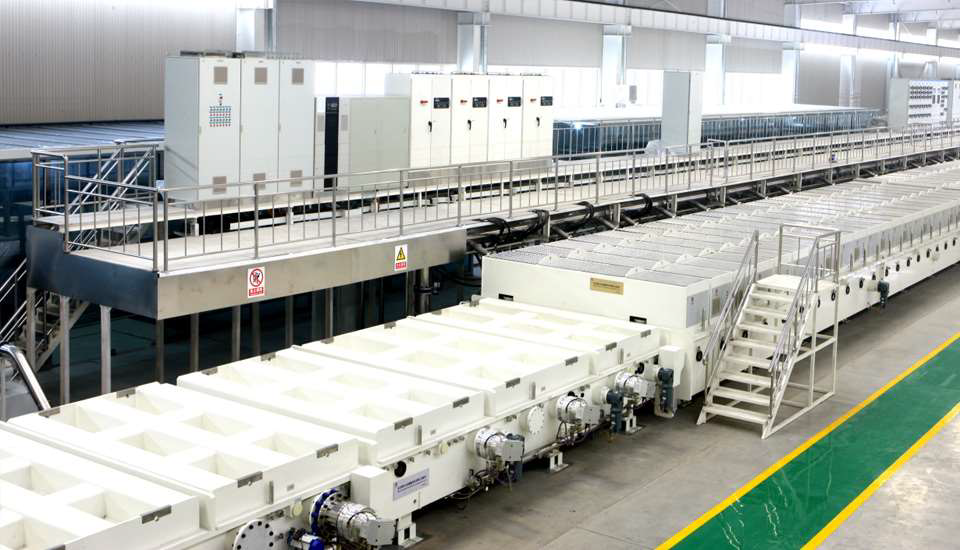
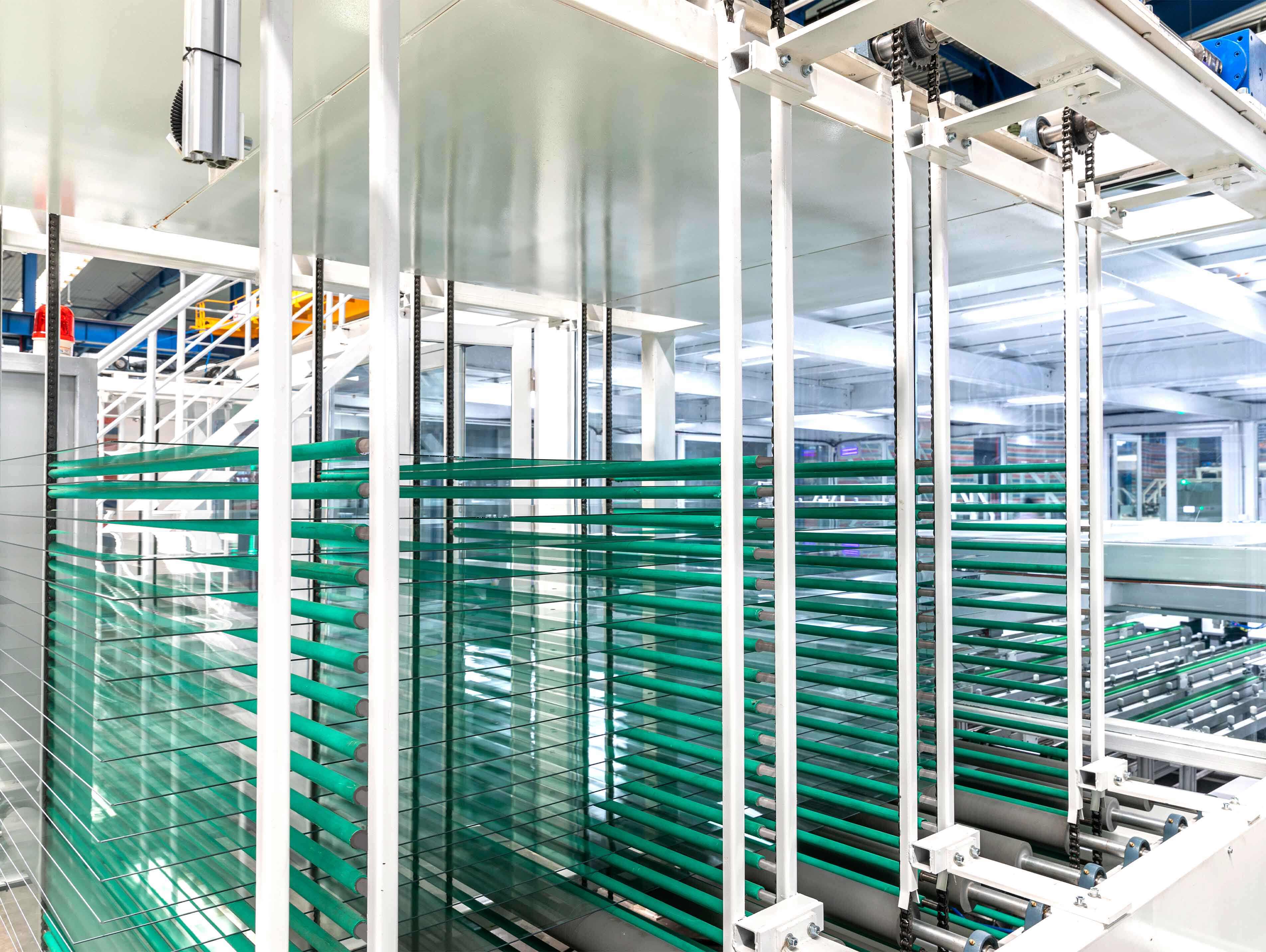
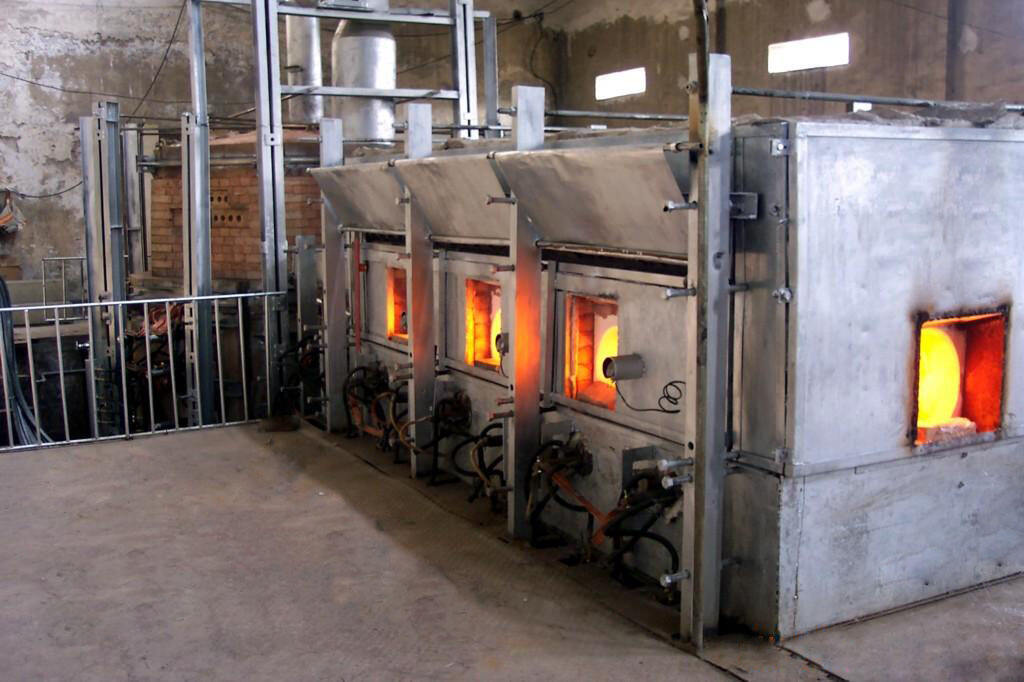
A glass extruder represents a sophisticated manufacturing apparatus designed to shape molten glass into continuous profiles with precise dimensions and consistent quality. This specialized equipment serves as the cornerstone of modern glass fabrication, enabling manufacturers to produce complex glass forms that meet stringent industrial and architectural requirements. The glass extruder operates by heating raw glass materials to their melting point, typically between 1000 to 1500 degrees Celsius, then forcing the molten substance through a carefully engineered die that determines the final cross-sectional shape. The primary function of a glass extruder involves transforming glass feedstock into uniform rods, tubes, sheets, or custom profiles through controlled extrusion processes. Advanced temperature regulation systems ensure the glass maintains optimal viscosity throughout the forming stage, while precision drive mechanisms control the extrusion speed to guarantee dimensional accuracy. Modern glass extruder systems incorporate sophisticated cooling chambers where the newly formed glass gradually reduces in temperature according to programmed annealing schedules, preventing thermal stress and ensuring structural integrity. The technological features distinguishing contemporary glass extruder equipment include programmable logic controllers that manage every aspect of the production cycle, real-time monitoring sensors that detect variations in temperature or pressure, and servo-driven pulling systems that maintain consistent output velocity. Many glass extruder models feature modular die assemblies allowing rapid changeover between different profile configurations, significantly reducing downtime during production transitions. Applications for glass extruder technology span numerous industries including scientific laboratory equipment manufacturing where precision glass tubing is essential, pharmaceutical packaging production requiring sterile glass containers, fiber optic cable manufacturing demanding ultra-pure glass fibers, architectural glazing systems utilizing custom glass profiles, lighting industry applications producing glass tubes for LED housings and traditional bulbs, and specialty industrial components where glass properties such as chemical resistance, thermal stability, and optical clarity prove invaluable. The glass extruder has revolutionized production capabilities by enabling continuous manufacturing processes that deliver superior consistency compared to traditional batch methods.

Popular Products

The glass extruder delivers remarkable production efficiency that directly translates to cost savings for manufacturers seeking competitive advantages in their respective markets. Unlike conventional glass forming methods requiring labor-intensive manual operations, a glass extruder automates the entire shaping process, allowing continuous operation with minimal supervision. This automation capability means your facility can maintain production during extended shifts without proportionally increasing labor costs, maximizing return on equipment investment. The consistency achieved through glass extruder technology ensures every meter of extruded product matches specifications precisely, eliminating the variation inherent in manual techniques. This uniformity reduces waste significantly because rejected pieces due to dimensional inconsistencies become rare occurrences rather than expected losses. Manufacturers benefit from predictable material usage, making inventory management simpler and reducing capital tied up in excess raw materials kept as buffers against quality issues. Energy efficiency represents another compelling advantage as modern glass extruder systems optimize thermal management throughout the production cycle. Advanced insulation materials and zone-controlled heating elements focus energy exactly where needed, avoiding the excessive heat loss characteristic of older furnace designs. This targeted heating approach reduces utility expenses substantially while maintaining the precise temperature control essential for quality output. The flexibility offered by glass extruder equipment allows manufacturers to respond quickly to changing market demands. Switching between different product profiles requires only die changes and parameter adjustments rather than complete process redesigns. This adaptability means you can serve diverse customer needs without investing in multiple specialized production lines. The glass extruder supports business growth by accommodating product line expansion within existing infrastructure. Quality improvements extend beyond dimensional consistency to include superior surface finish and optical clarity. The controlled environment within a glass extruder protects molten glass from contaminants that might compromise transparency or introduce defects. Products emerging from glass extruder processes typically require less secondary finishing work, shortening overall production timelines and reducing handling that might introduce damage. Safety enhancements constitute significant advantages as glass extruder systems enclose high-temperature operations within protective housings equipped with interlocks and automated controls. Operators interact with user-friendly interfaces rather than working directly near extreme heat sources, substantially reducing workplace injury risks. Modern glass extruder designs incorporate comprehensive monitoring systems that alert operators to potential problems before they escalate into dangerous situations or equipment damage. Maintenance requirements remain manageable because glass extruder construction emphasizes durable components engineered for thermal cycling and continuous operation. Scheduled maintenance intervals are clearly defined, and modular construction facilitates component replacement without extended downtime. Manufacturers appreciate that glass extruder reliability translates directly to predictable production schedules and dependable customer deliveries. The environmental benefits of glass extruder technology align with increasingly important sustainability goals, as efficient energy usage reduces carbon footprints and consistent quality minimizes material waste destined for landfills.

Latest News

What Types of Coatings Are Applied in a Glass Coating Line?

24

Sep

What Types of Coatings Are Applied in a Glass Coating Line?

Understanding Modern Glass Coating Technologies Glass coating technology has revolutionized the way we enhance and protect glass surfaces across various industries. From architectural applications to automotive windshields, the glass coating line pro...
View More
What Are the Future Trends in Intelligent Glass Sorting Systems?

24

Sep

What Are the Future Trends in Intelligent Glass Sorting Systems?

The Evolution of Advanced Glass Sorting Technology The landscape of glass recycling and processing is undergoing a remarkable transformation through intelligent glass sorting systems. These sophisticated technologies are revolutionizing how we handle...
View More
How to Optimize Production Settings in a Hub Glass Furnace?

24

Nov

How to Optimize Production Settings in a Hub Glass Furnace?

Glass manufacturing represents one of the most energy-intensive industrial processes, requiring precise control of temperature, atmosphere, and raw material flow to achieve optimal production efficiency. Modern hub glass furnace systems have evolved ...
View More
Why Is Automated Insulating Glass Production Increasing in Large Factories?

19

Dec

Why Is Automated Insulating Glass Production Increasing in Large Factories?

The construction and manufacturing industries are experiencing a significant shift toward automation, with automated insulating glass production leading this transformation in large-scale factories. This evolution represents more than just technologi...
View More

Get a Free Quote

Our representative will contact you soon.
Email
Name
Company Name
Message
0/1000

glass extruder

Precision Temperature Control Systems Ensuring Optimal Glass Viscosity

Precision Temperature Control Systems Ensuring Optimal Glass Viscosity

The advanced temperature control system integrated within modern glass extruder equipment represents a critical technological achievement that directly determines product quality and operational efficiency. This sophisticated system manages thermal conditions across multiple zones, each precisely calibrated to maintain glass at the exact viscosity required for optimal forming characteristics. The glass extruder employs an array of strategically positioned heating elements surrounding the melting chamber, each independently controlled through digital regulators that respond instantaneously to temperature fluctuations. These regulators receive continuous feedback from high-accuracy thermocouples embedded at critical points throughout the heating zones, creating a closed-loop control system that maintains temperature stability within remarkably narrow tolerances, typically plus or minus two degrees Celsius. This precision proves essential because glass viscosity changes dramatically with temperature variations, and even minor deviations can compromise dimensional accuracy or introduce surface defects. The multi-zone approach allows the glass extruder to establish ideal temperature gradients that progressively prepare glass for extrusion while preventing thermal shock that could cause cracking or structural weaknesses. Initial zones bring raw materials to melting temperature gradually, allowing complete fusion and bubble elimination. Intermediate zones maintain homogeneous melt conditions while downstream zones carefully regulate cooling rates during forming. The glass extruder control system incorporates sophisticated algorithms that anticipate thermal lag, adjusting heating inputs before sensors detect temperature drift, effectively eliminating the oscillations common in simpler control schemes. This predictive capability becomes particularly valuable during production rate changes when thermal demands shift substantially. Operators benefit from intuitive touchscreen interfaces displaying real-time thermal profiles graphically, making system monitoring straightforward even for personnel without extensive technical backgrounds. The glass extruder system stores temperature recipes for different product specifications, enabling quick changeovers with confidence that thermal conditions match requirements precisely. Energy efficiency improvements stem from intelligent zone management that applies heating power only where needed, avoiding the wasteful approach of maintaining entire furnaces at maximum temperature. Safety features include over-temperature protection that automatically reduces power or initiates controlled shutdowns if sensors detect dangerous conditions, protecting both equipment and personnel. The durability of heating elements extends operational life because precise control prevents excessive cycling and thermal stress. Maintenance teams appreciate diagnostic capabilities that identify failing components before complete failure occurs, allowing planned replacements during scheduled downtime rather than emergency repairs disrupting production. This temperature management excellence distinguishes quality glass extruder equipment from basic alternatives, providing the foundation for consistent output that meets demanding specifications across extended production runs.
Versatile Die Systems Enabling Rapid Product Changeovers

Versatile Die Systems Enabling Rapid Product Changeovers

The die system engineered into advanced glass extruder equipment provides manufacturers with exceptional flexibility to produce diverse product profiles without sacrificing the precision and consistency that define quality glass components. This critical subsystem determines the cross-sectional geometry of extruded products, and its design significantly impacts both product capabilities and operational efficiency. Modern glass extruder die assemblies employ modular construction principles that facilitate rapid exchanges between different profile configurations, transforming what once required hours of downtime into procedures completed in minutes. The glass extruder die holder mechanism incorporates quick-release clamping systems that secure dies firmly during operation while allowing tool-free removal when changeovers become necessary. This user-friendly approach eliminates the specialized skills formerly required for die changes, empowering production personnel to handle transitions independently without waiting for maintenance technicians. Each die undergoes precision machining to maintain exacting tolerances across the forming orifice, ensuring dimensional accuracy translates from die geometry to finished product. The materials selected for glass extruder die construction must withstand extreme temperatures while resisting chemical interaction with molten glass and maintaining dimensional stability through countless thermal cycles. Premium dies utilize exotic alloys or ceramic composites specifically formulated for glass forming applications, delivering longevity that justifies their initial investment through extended service life. The glass extruder system supports comprehensive die libraries where manufacturers maintain complete sets covering their product range, with each die precisely matched to specific profile requirements and stored ready for immediate deployment. This organized approach enables responsive manufacturing strategies where production schedules adapt quickly to order fluctuations or customer requests. Design flexibility extends to custom die creation, allowing glass extruder users to develop proprietary profiles that differentiate their products in competitive markets. Manufacturers collaborate with die specialists to translate conceptual designs into functional tooling, often iterating through prototypes until performance meets expectations. The glass extruder proves invaluable during this development phase, providing the consistent operating conditions necessary for accurate design validation. Flow simulation software integrated with advanced glass extruder systems predicts how molten glass will behave passing through proposed die geometries, identifying potential issues before expensive tooling gets manufactured. This predictive capability reduces development costs and accelerates time-to-market for innovative products. Temperature management around the die represents another sophisticated aspect, as the glass extruder maintains this critical zone within narrow thermal windows that prevent premature solidification while avoiding excessive fluidity. Heated die holders with independent temperature control ensure forming occurs under optimal conditions regardless of ambient conditions or production rates. Cleaning and maintenance procedures benefit from thoughtful die design that minimizes glass adhesion and facilitates residue removal during scheduled maintenance intervals. The glass extruder die system exemplifies how intelligent engineering transforms manufacturing capability, providing the versatility modern markets demand while maintaining the precision quality products require.
Automated Pulling and Cooling Systems Guaranteeing Dimensional Consistency

Automated Pulling and Cooling Systems Guaranteeing Dimensional Consistency

The pulling and cooling systems integrated within sophisticated glass extruder installations deliver the precise control necessary to transform molten glass emerging from forming dies into finished products with guaranteed dimensional accuracy and optimal material properties. This downstream processing capability distinguishes professional glass extruder equipment from basic alternatives, directly impacting product quality and production yield. The pulling mechanism employs servo-controlled drive systems that maintain exact linear velocity regardless of minor resistance variations, ensuring uniform wall thickness in hollow profiles and consistent diameter in solid rods. This glass extruder subsystem continuously monitors pulling force, automatically adjusting drive parameters to compensate for changes in glass viscosity or ambient conditions that might otherwise introduce dimensional variations. Precision encoders provide real-time feedback confirming actual movement matches programmed speeds, with any discrepancies triggering immediate corrections before defects develop. The pulling speed synchronization with extrusion rate represents a critical balance that the glass extruder control system manages automatically, calculating optimal parameters based on product specifications and material characteristics. Operators input desired dimensions through the interface, and sophisticated algorithms determine corresponding equipment settings, eliminating guesswork and reducing setup time substantially. The cooling system works in concert with pulling mechanisms to establish controlled temperature reduction that prevents thermal stress while solidifying glass into its final form. The glass extruder cooling chamber extends several meters downstream from the die, providing adequate distance for gradual temperature transitions. Multiple cooling zones within this chamber allow progressive heat removal, initially moderate to avoid thermal shock, then more aggressive as glass solidifies and stress sensitivity decreases. Air jets, water sprays, or radiant cooling panels positioned strategically throughout the glass extruder cooling system provide the heat removal capacity necessary for production speeds while maintaining the gentle gradients essential for quality. Temperature sensors monitor glass surface conditions throughout the cooling progression, feeding data back to control systems that adjust cooling intensity dynamically. This responsive approach accommodates variations in ambient conditions or production rates that might otherwise compromise annealing quality. The glass extruder incorporates programmable annealing schedules tailored to specific glass compositions and product geometries, ensuring internal stress remains within acceptable limits. Thick-walled products require extended annealing compared to thin sections, and different glass formulations exhibit varying stress sensitivity, factors the control system accounts for automatically. Dimensional measurement systems integrated into advanced glass extruder installations provide continuous verification that finished products meet specifications. Laser micrometers or vision systems scan extruded profiles, comparing actual dimensions against targets and alerting operators immediately if measurements drift outside tolerances. This real-time quality assurance enables prompt corrections, minimizing scrap production during any process disturbances. The pulling system also manages product handling downstream, either coiling flexible products onto spools or cutting rigid sections to specified lengths. This integrated approach streamlines material flow from the glass extruder through to finished goods packaging, reducing handling steps that might introduce damage. Maintenance accessibility receives careful attention in system design, with critical components positioned for convenient inspection and service without requiring extensive disassembly. The glass extruder pulling and cooling systems exemplify how comprehensive engineering addressing every production aspect delivers the reliable performance manufacturers require for competitive success in demanding markets where quality and consistency differentiate premium suppliers from commodity producers.