Operationele flexibiliteit en economische efficiëntie
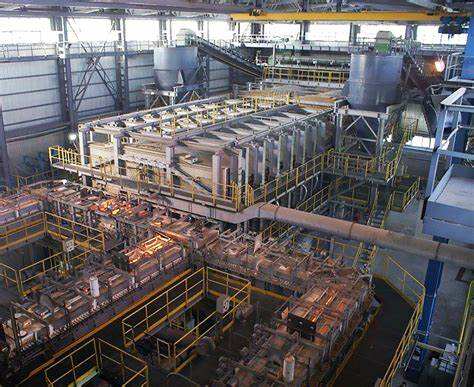
De operationele kenmerken van een elektrische glas-smeltoven bieden uitzonderlijke flexibiliteit en economische efficiëntie, die direct van invloed zijn op de winstgevendheid en het concurrentiepositie van een bedrijf. De mogelijkheid tot snelle opstart is een transformatieve voordelen voor fabrikanten die snel moeten kunnen reageren op veranderende marktvraag of die werken volgens onderbroken productieschema’s. In tegenstelling tot brandstofgestookte ovens, die vaak 24 tot 48 uur nodig hebben voor een juiste opstartprocedure en meestal continu moeten draaien om kostbare stilstand- en heropstartcycli te vermijden, kan een elektrische glas-smeltoven de bedrijfstemperatuur in aanzienlijk minder tijd bereiken — soms binnen slechts enkele uren, afhankelijk van de grootte en het ontwerp van de oven. Deze snelle-opstartmogelijkheid stelt fabrikanten in staat om hun productieschema nauw aan te passen aan de daadwerkelijke klantbestellingen, in plaats van continu te produceren om opstartkosten te vermijden. Voor bedrijven die speciaalglasproducten met wisselende vraagpatronen produceren, transformeert de economisch haalbare mogelijkheid om productie in- en uit te schakelen de operationele economie. Energiekosten tijdens stilstandperioden vervallen geheel, waardoor de aanzienlijke kosten van temperatuurbehoud in een oven die geen verkoopbare producten levert, worden geëlimineerd. De economische gevolgen strekken zich uit over het gehele bedrijfsmodel: de vereiste werkkapitaalvoorraden aan eindproducten nemen af, terwijl de klantenservice responsiever wordt door kortere levertijden. Onderhoudsplanning wordt flexibeler wanneer een elektrische glas-smeltoven zonder grote operationele nadelen kan worden stilgelegd en opnieuw in gebruik genomen, wat gepland onderhoud tijdens periodes van lage vraag mogelijk maakt, in plaats van productiestilstanden te dwingen tijdens piekperiodes van vraag. De modulaire aard van elektrische verwarmingssystemen ondersteunt stapsgewijze capaciteitsuitbreiding, zodat fabrikanten verwarmingscapaciteit kunnen toevoegen naarmate het bedrijf groeit, zonder dat de gehele oveninstallatie hoeft te worden vervangen. Deze schaalbaarheid vermindert het financiële risico voor groeiende bedrijven en maakt een nauwkeuriger afstemming van productiecapaciteit op de daadwerkelijke marktvraag mogelijk. Voorspelbaarheid van energiekosten vormt een ander economisch voordeel, aangezien elektriciteitsprijzen doorgaans minder volatiel zijn dan fossiele brandstofprijzen, wat begrotings- en financiële planning vereenvoudigt. De vereenvoudigde infrastructuurvereisten van een elektrische glas-smeltoven verlagen de faciliteitskosten, zowel bij nieuwe installaties als bij bedrijven die uitbreiden naar extra locaties. Door geen behoefte te hebben aan brandstofopslag, luchttoevoersystemen voor verbranding en uitgebreide afvoersystemen wordt de bouwvereiste minder complex en duur. Het compacte apparaatvoetafdruk maximaliseert de bruikbare productieruimte binnen bestaande faciliteiten, waardoor eventuele uitbreidingen van de gebouwen — die aanzienlijke kapitaalinvesteringen zouden vergen — mogelijk overbodig worden. Voor bedrijven die productielocatieopties beoordelen, breidt de minimale infrastructuurbehoefte van elektrische smelttechnologie het scala aan geschikte faciliteiten uit, waardoor bedrijfsvoering mogelijk wordt op locaties met voordelige arbeidskosten, nabijheid van de markt of logistieke voordelen — locaties die onhaalbaar zouden zijn met conventionele smeltsystemen die uitgebreide ondersteunende infrastructuur vereisen. Deze operationele en economische voordelen combineren zich tot een overtuigend zakelijk argument voor de elektrische glas-smeltoven, dat verder reikt dan een eenvoudige vergelijking van apparatuur en invloed heeft op de algemene bedrijfsstrategie, de marktpositie en de langetermijnconcurrentiekracht.
 EN
EN
 AR
AR
 BG
BG
 HR
HR
 CS
CS
 DA
DA
 NL
NL
 FI
FI
 FR
FR
 DE
DE
 EL
EL
 HI
HI
 IT
IT
 JA
JA
 KO
KO
 PL
PL
 PT
PT
 RO
RO
 RU
RU
 ES
ES
 SV
SV
 TL
TL
 IW
IW
 LV
LV
 LT
LT
 SK
SK
 SL
SL
 UK
UK
 VI
VI
 ET
ET
 HU
HU
 MT
MT
 TH
TH
 TR
TR
 FA
FA
 MS
MS
 SW
SW
 GA
GA
 AZ
AZ