Abrasive Water Jet Cutting Technology - Precision Material Processing Solutions

All Categories

Get a Free Quote

Our representative will contact you soon.
Email
Name
Company Name
Message
0/1000

abrasive water jet cutting

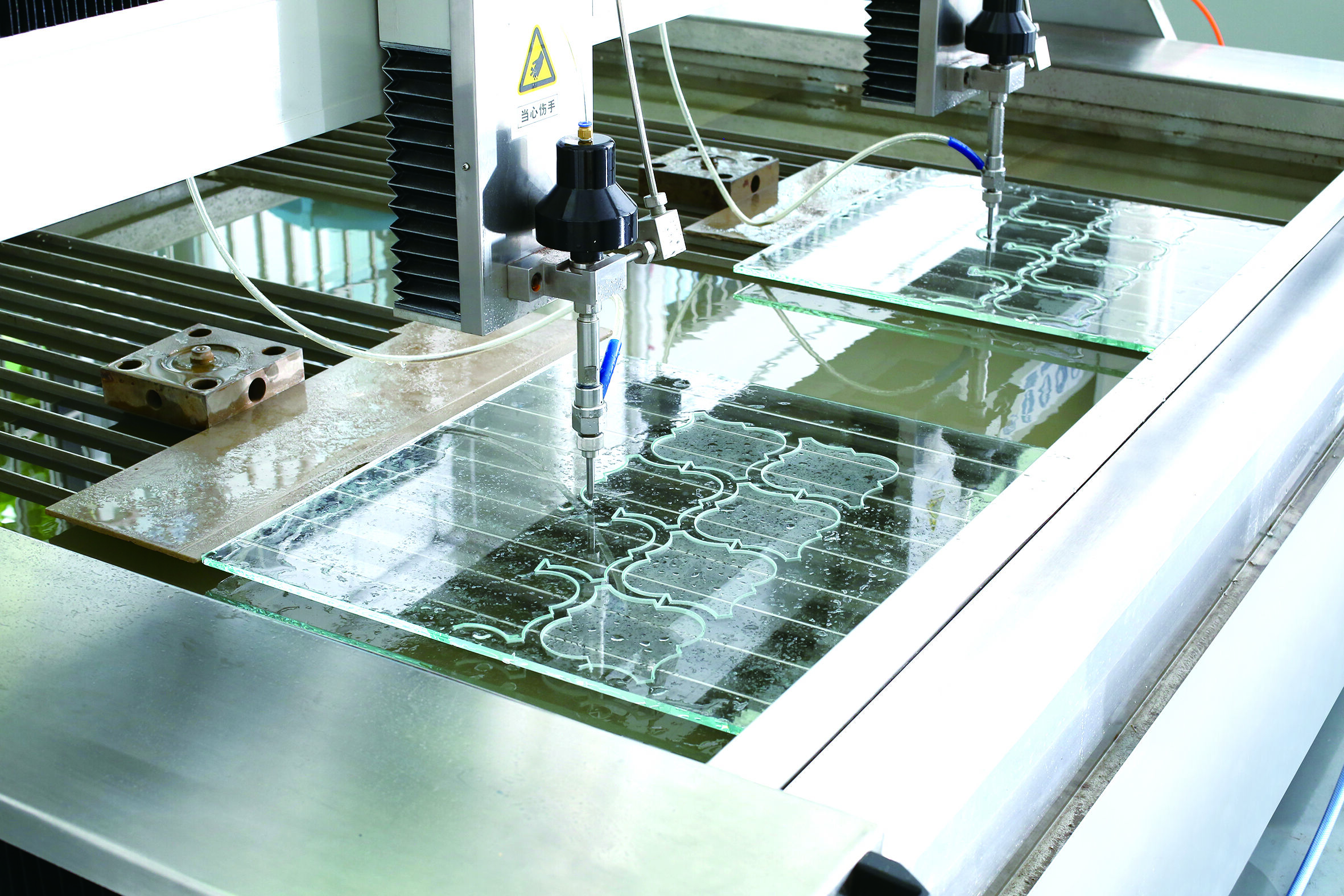
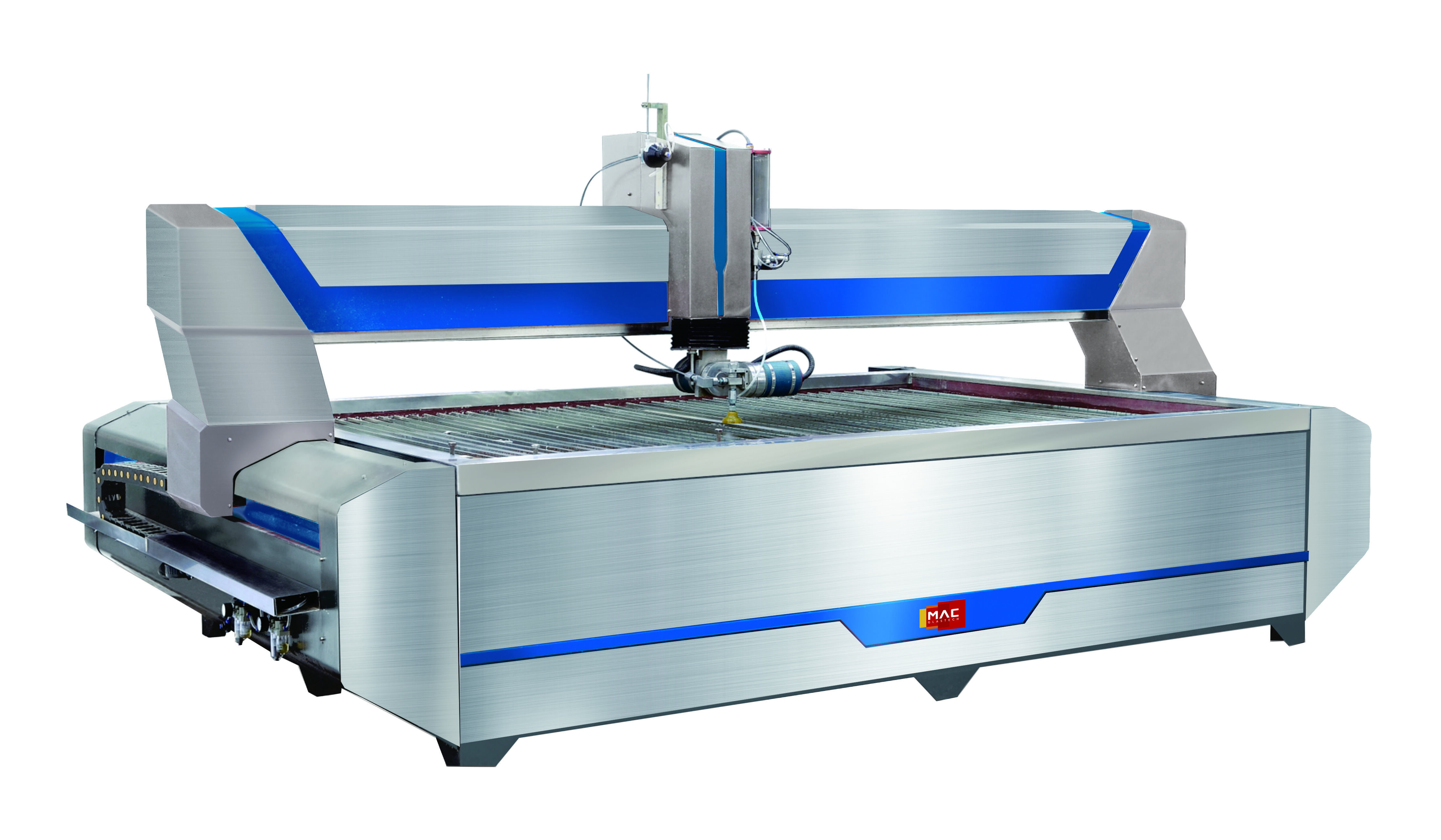
Abrasive water jet cutting represents an advanced industrial cutting technology that combines high-pressure water with abrasive particles to slice through virtually any material with remarkable precision. This sophisticated manufacturing process forces water through a small orifice at pressures exceeding 60,000 pounds per square inch, creating a focused stream that can cut materials ranging from soft foam to hardened steel. The addition of abrasive particles, typically garnet, transforms the water stream into a powerful cutting tool capable of penetrating thick materials while maintaining exceptional accuracy. The main function of abrasive water jet cutting involves material separation across diverse industries, including aerospace, automotive, architecture, and metal fabrication. This technology excels at creating intricate shapes, complex contours, and precise dimensional cuts without generating heat-affected zones or mechanical stress on workpieces. The technological features distinguishing this method include its cold-cutting capability, which prevents thermal distortion, material hardening, or structural changes that compromise material integrity. The system operates through a multi-stage process where pressurized water mixes with fine abrasive media in a mixing chamber before accelerating through a focusing tube toward the target material. Modern abrasive water jet cutting systems incorporate computer numerical control technology, enabling operators to program complex cutting paths with repeatable accuracy measured in thousandths of an inch. Applications span numerous sectors, from cutting titanium components for aircraft to shaping marble countertops for residential projects. Manufacturers utilize this technology for prototyping, small-batch production, and large-scale manufacturing operations. The versatility of abrasive water jet cutting extends to stack cutting multiple material layers simultaneously, reducing production time while maintaining consistent quality across all pieces. Environmental considerations favor this technology since it produces minimal waste, requires no hazardous chemicals, and generates recyclable cutting residue.

New Products

The primary advantage of abrasive water jet cutting centers on its universal material compatibility, allowing manufacturers to process metals, composites, glass, stone, ceramics, and plastics using a single machine without changing tools or setups. This versatility eliminates the need for multiple specialized cutting systems, reducing capital equipment investments and simplifying production workflows. Unlike thermal cutting methods that generate extreme temperatures, abrasive water jet cutting operates as a cold process that preserves material properties throughout the cutting operation. Materials remain free from heat-affected zones, warping, or hardening that typically require secondary finishing operations, saving both time and money while ensuring dimensional stability. The precision capabilities of this technology enable tight tolerances down to plus or minus 0.001 inches, meeting demanding specifications for critical components in aerospace and medical device manufacturing. Manufacturers appreciate that abrasive water jet cutting produces smooth edge finishes that often eliminate grinding, deburring, or additional machining steps, accelerating production cycles and reducing labor costs. The technology excels at cutting intricate patterns, sharp corners, and small holes that challenge conventional methods, opening design possibilities previously considered impractical or impossible. Environmental benefits distinguish abrasive water jet cutting from alternatives, as the process generates no toxic fumes, hazardous gases, or harmful emissions that endanger worker health or require expensive ventilation systems. The cutting residue consists of wet abrasive material and small particles easily collected and disposed of through standard industrial waste channels, with some operations recycling spent abrasive for non-critical applications. Operational flexibility allows cutting materials of varying thicknesses, from paper-thin sheets to steel plates exceeding twelve inches thick, without machine modifications or specialized tooling. The absence of tool wear concerns that plague mechanical cutting methods means consistent cut quality throughout production runs without mid-process adjustments or replacement delays. Setup times remain minimal compared to stamping dies or specialized cutting fixtures, making abrasive water jet cutting economically viable for both prototype development and production runs. The technology supports nesting software that optimizes material utilization by arranging cutting patterns to minimize waste, directly impacting material costs and sustainability goals. Manufacturers benefit from reduced secondary operations since cuts emerge clean with minimal burrs or rough edges, allowing immediate assembly or finishing. The quiet operation of abrasive water jet cutting systems creates safer, more comfortable working environments compared to noisy mechanical cutting or plasma systems that require hearing protection and isolation.

Tips And Tricks

What Types of Coatings Are Applied in a Glass Coating Line?

24

Sep

What Types of Coatings Are Applied in a Glass Coating Line?

Understanding Modern Glass Coating Technologies Glass coating technology has revolutionized the way we enhance and protect glass surfaces across various industries. From architectural applications to automotive windshields, the glass coating line pro...
View More
What Are the Future Trends in Intelligent Glass Sorting Systems?

24

Sep

What Are the Future Trends in Intelligent Glass Sorting Systems?

The Evolution of Advanced Glass Sorting Technology The landscape of glass recycling and processing is undergoing a remarkable transformation through intelligent glass sorting systems. These sophisticated technologies are revolutionizing how we handle...
View More
How to Troubleshoot Common Issues in Double Edgers?

24

Nov

How to Troubleshoot Common Issues in Double Edgers?

Double edgers are essential machinery in glass processing facilities, responsible for delivering precise edge grinding and polishing operations. These sophisticated machines can encounter various operational challenges that impact productivity and pr...
View More
What Should Manufacturers Consider When Selecting Equipment for Insulating Glass Production?

19

Dec

What Should Manufacturers Consider When Selecting Equipment for Insulating Glass Production?

Modern insulating glass manufacturing demands precision, efficiency, and cutting-edge technology to meet the growing requirements of energy-efficient building construction. Selecting the right equipment for insulating glass production involves carefu...
View More

Get a Free Quote

Our representative will contact you soon.
Email
Name
Company Name
Message
0/1000

abrasive water jet cutting

Zero Heat-Affected Zone Cutting for Superior Material Integrity

Zero Heat-Affected Zone Cutting for Superior Material Integrity

One of the most significant advantages that sets abrasive water jet cutting apart from competing technologies involves its complete elimination of heat-affected zones during the cutting process, preserving the fundamental structural and metallurgical properties of materials throughout fabrication. Traditional thermal cutting methods such as laser, plasma, or oxy-fuel systems generate intense localized heat that penetrates beyond the immediate cut line, creating zones where material properties change due to thermal exposure. These heat-affected areas experience grain structure alterations, hardness variations, residual stress accumulation, and potential micro-cracking that compromise component performance and longevity. Abrasive water jet cutting operates at ambient temperatures, with the water stream actually cooling the material during cutting, preventing any thermal influence on the workpiece. This cold-cutting characteristic proves invaluable when processing heat-sensitive materials like titanium, which can become brittle when exposed to high temperatures, or advanced composites that delaminate under thermal stress. Manufacturers working with hardened tool steels value this feature because the cutting process does not soften or alter the carefully controlled heat treatment that gives these materials their desired properties. The absence of heat-affected zones eliminates subsequent annealing or stress-relief operations that add cost and production time to thermally cut components. For precision applications in aerospace, medical devices, and defense industries, maintaining original material specifications throughout fabrication is not merely preferred but often mandated by stringent quality standards and safety certifications. The cold-cutting nature of abrasive water jet cutting extends component life by preventing the formation of micro-cracks that propagate under cyclic loading, a critical concern for parts subjected to fatigue conditions. Materials prone to warping from thermal gradients, such as thin sheets or complex geometries, maintain their flat profiles and dimensional accuracy when cut with abrasive water jets. This capability enables manufacturers to hold tighter tolerances without compensating for thermal distortion during programming or requiring post-cut flattening operations. The technology also eliminates oxidation and discoloration that occur along thermally cut edges, producing cleaner parts that require less finishing. For stacked cutting applications where multiple layers are processed simultaneously, the cold-cutting characteristic ensures uniform properties across all layers without differential heating effects.
Unmatched Material Versatility Across Industries

Unmatched Material Versatility Across Industries

Abrasive water jet cutting delivers extraordinary material versatility that enables a single machine to process an unprecedented range of materials without tool changes, specialized setups, or equipment modifications, providing manufacturers with exceptional operational flexibility and cost efficiency. This universal cutting capability spans the complete spectrum of engineering materials, from soft elastomers and foam rubber through exotic alloys and advanced ceramics, making it the most adaptable cutting technology available in modern manufacturing. The system cuts non-metallic materials including various plastics, rubber, leather, textiles, paper, and cardboard with clean edges free from melting or burning that plague thermal methods. Stone fabricators rely on abrasive water jet cutting to shape granite, marble, limestone, and engineered stone products for architectural applications, creating intricate inlays and complex edge profiles impossible with traditional stone-cutting methods. Glass manufacturers utilize this technology to cut tempered and laminated glass without inducing stress cracks or requiring subsequent edge grinding. The metalworking sector benefits from the ability to cut aluminum, stainless steel, carbon steel, copper, brass, titanium, and exotic alloys like Inconel without changing cutting parameters significantly between materials. Composite material fabrication, particularly carbon fiber and fiberglass components for aerospace and automotive applications, requires cutting methods that prevent delamination and fiber damage, making abrasive water jet cutting the preferred choice. Manufacturers processing dissimilar materials in sandwich constructions or bonded assemblies use this technology to cut through all layers simultaneously while maintaining adhesive integrity. The food processing industry employs abrasive water jet cutting for portion control and shaping products from frozen foods to confections, capitalizing on the sanitary nature of water-based cutting. The ability to process materials regardless of hardness, ductility, or thermal sensitivity eliminates the need for multiple specialized cutting systems, reducing capital equipment investments and facility space requirements. Prototyping operations particularly value this versatility, as designers can evaluate different materials for new products without investing in material-specific tooling or outsourcing specialized cutting operations. Production efficiency improves when job shops can accept orders for diverse materials, maximizing machine utilization and revenue opportunities. The technology handles material thickness variations seamlessly, cutting everything from thin foils to plates exceeding twelve inches thick without specialized equipment modifications.
Precision Complex Geometry Capabilities with Minimal Waste

Precision Complex Geometry Capabilities with Minimal Waste

The exceptional precision and complex geometry capabilities of abrasive water jet cutting empower manufacturers to create intricate designs, sharp internal corners, small radii, and complex contours that challenge or exceed the limitations of conventional cutting technologies while simultaneously minimizing material waste through advanced nesting optimization. Modern computer-controlled abrasive water jet systems achieve positioning accuracy measured in thousandths of an inch, enabling the production of components with tight dimensional tolerances that meet demanding specifications for critical applications in aerospace, medical devices, and precision instrumentation. The narrow kerf width, typically ranging from 0.020 to 0.050 inches depending on nozzle configuration, allows cutting small features and close nesting of parts that maximize material yield from expensive stock. Unlike punch presses or stamping operations that require generous spacing between features to prevent tool deflection or material distortion, abrasive water jet cutting places no such restrictions on part layout. The technology excels at producing sharp internal corners with minimal radius, eliminating the generous corner radii mandated by rotating tools like routers or mills that cannot create truly square inside corners. This capability proves essential for parts requiring mating surfaces or assembly features where corner radii create interference or gaps. Complex curved profiles, whether gradual sweeps or tight serpentine paths, are executed with consistent accuracy as the computer-controlled cutting head follows programmed tool paths without the feed rate limitations imposed by mechanical tool deflection. Piercing capabilities allow starting cuts anywhere within the material boundary without requiring edge access, enabling the creation of internal features, pockets, and windows that would require multiple setups using conventional methods. The omnidirectional cutting capability means the abrasive water jet processes material equally well regardless of grain direction, fiber orientation, or material anisotropy that affects mechanical cutting methods. Advanced five-axis abrasive water jet systems introduce angular cutting capabilities, enabling beveled edges, compound angles, and three-dimensional contours that expand design possibilities beyond two-dimensional profile cutting. Nesting software specifically developed for abrasive water jet cutting analyzes part geometries and arranges them on material sheets to minimize scrap, often achieving material utilization rates exceeding ninety percent for rectangular parts and seventy-five percent for complex shapes. This optimization directly reduces raw material costs, particularly significant when processing expensive alloys, exotic materials, or precious metals. The elimination of dedicated tooling costs associated with stamping dies, custom router bits, or specialized punches makes abrasive water jet cutting economically attractive for low to medium production volumes where tooling amortization would otherwise inflate per-part costs.