CNC Processing Center Solutions: Precision Multi-Operation Machining for Modern Manufacturing

All Categories

Get a Free Quote

Our representative will contact you soon.
Email
Name
Company Name
Message
0/1000

cnc processing center

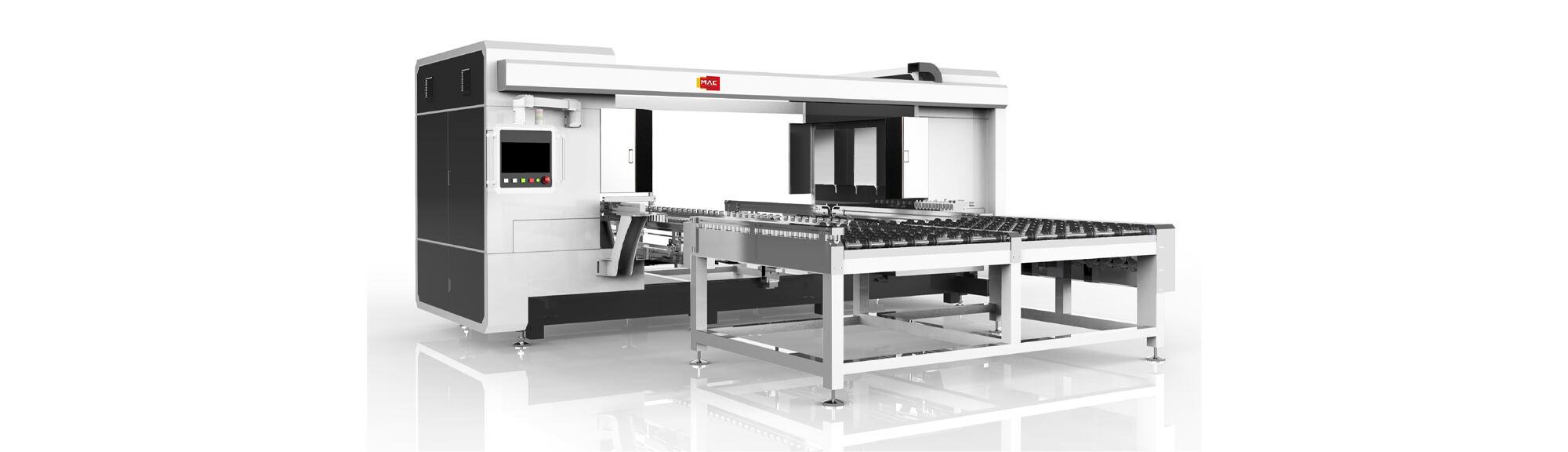
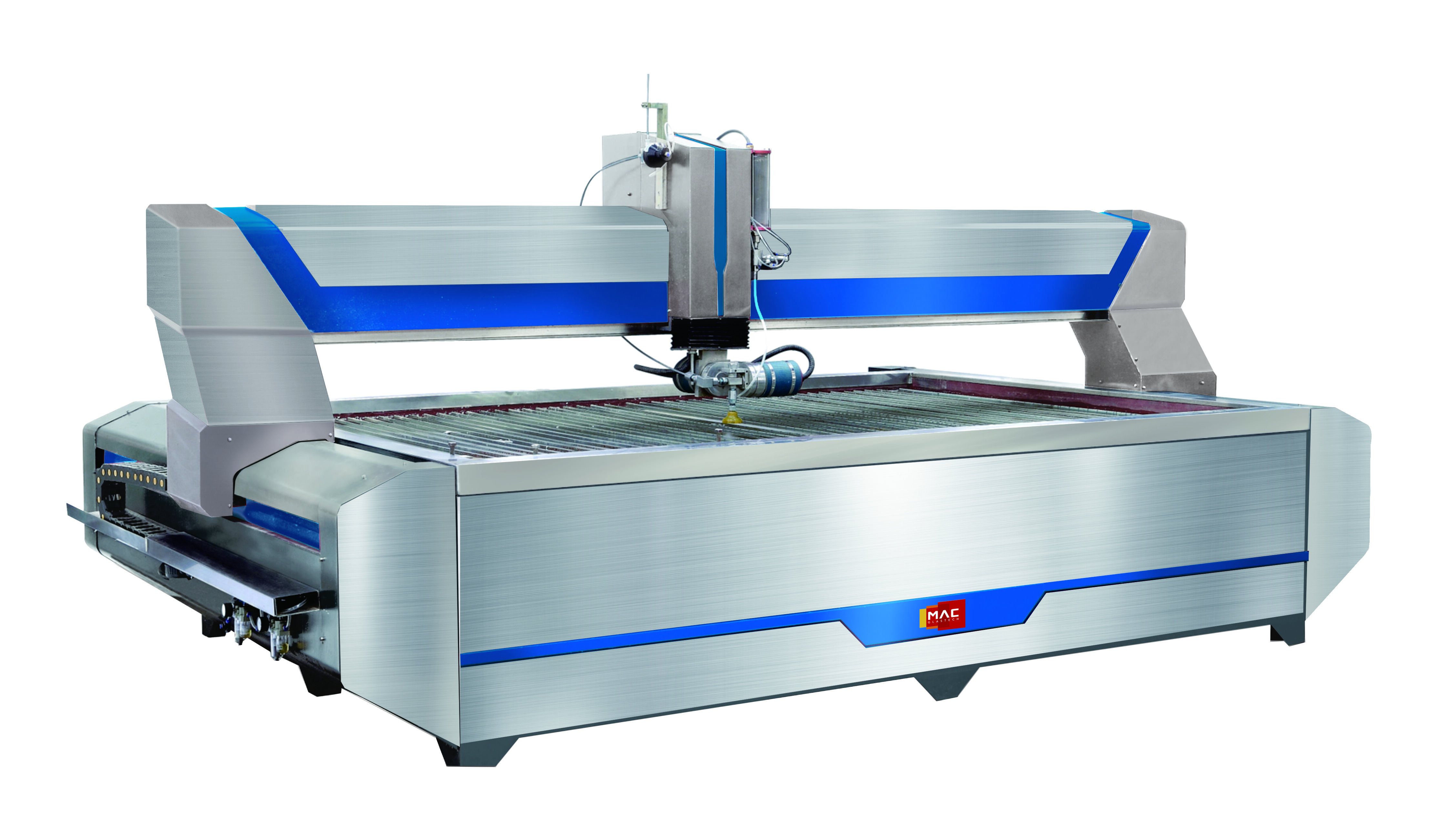
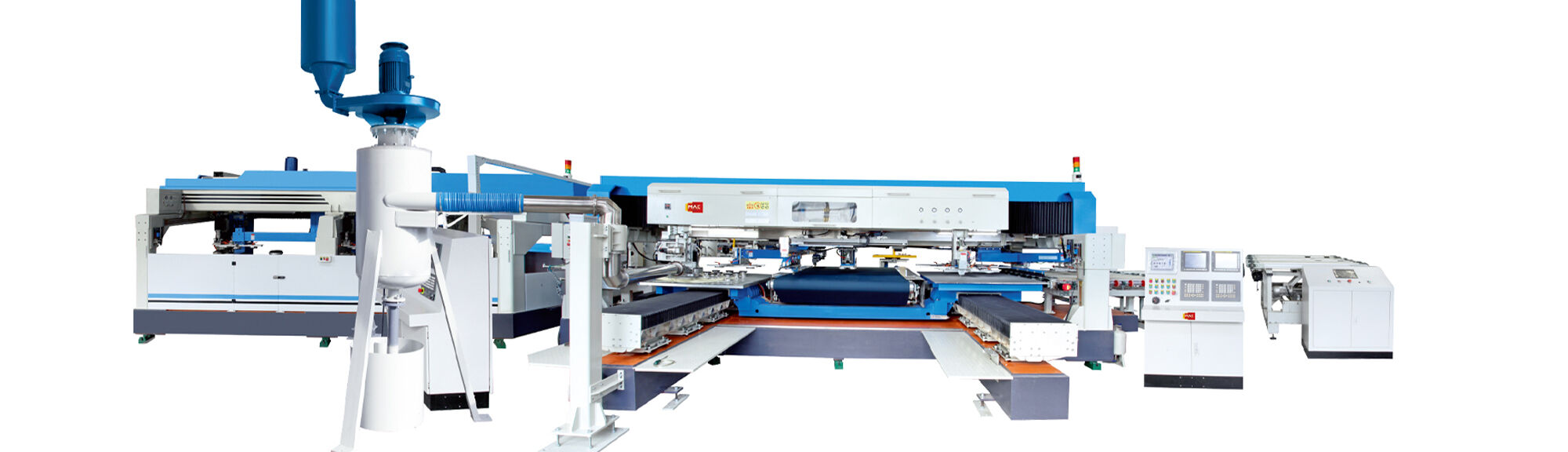
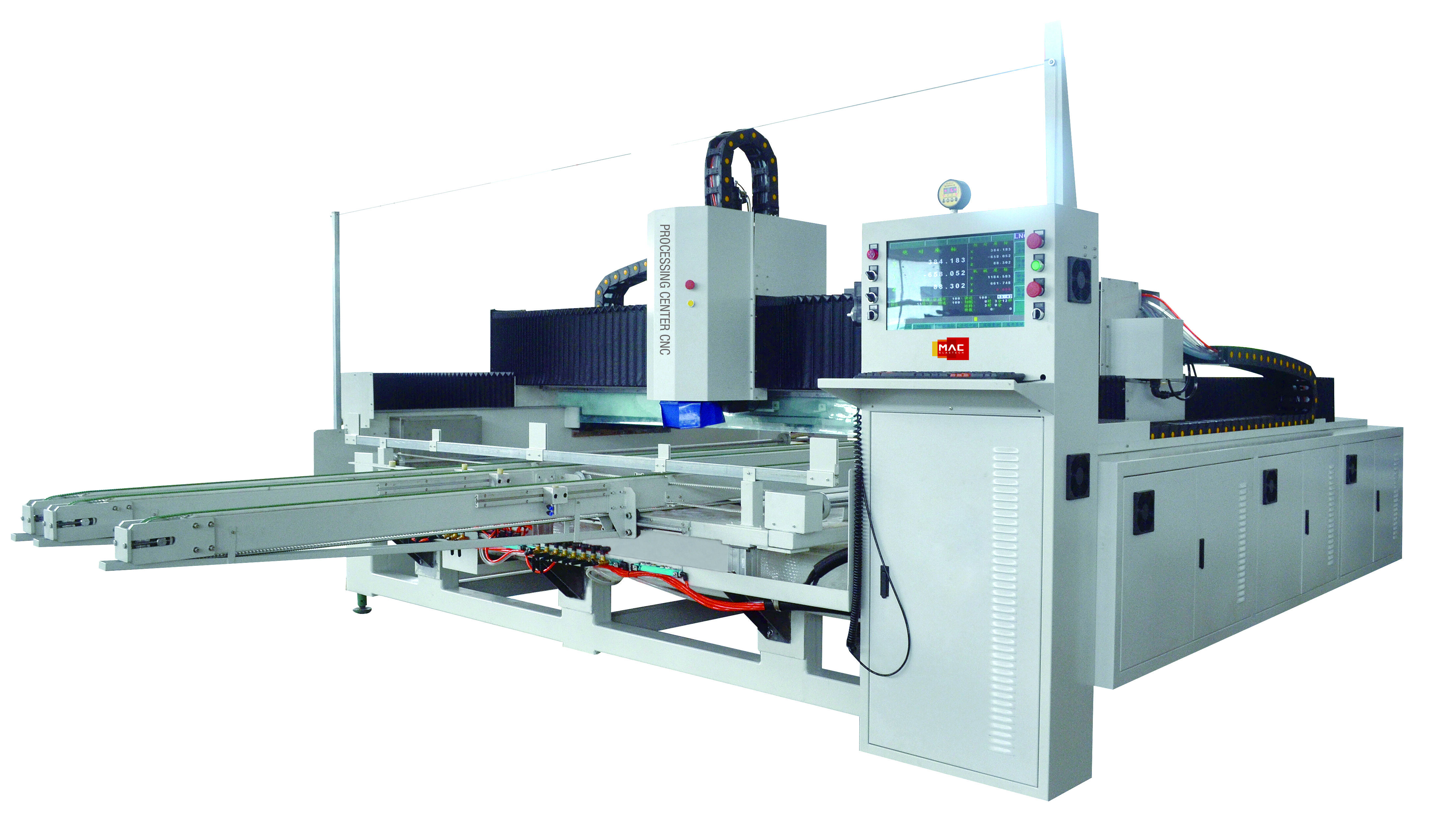
A CNC processing center represents a sophisticated manufacturing solution that combines multiple machining operations into one integrated system. This advanced equipment serves as the backbone of modern manufacturing facilities, enabling companies to produce complex components with remarkable precision and consistency. The CNC processing center integrates computer numerical control technology with versatile machining capabilities, allowing operators to perform drilling, milling, tapping, boring, and cutting operations without manually repositioning workpieces. The main functions of this equipment revolve around automated tool changing, multi-axis movement control, and programmable operation sequences that dramatically reduce human intervention while maximizing output quality. Technological features include high-speed spindles that can rotate at speeds exceeding 10,000 RPM, automatic tool changers capable of storing dozens of different cutting implements, and precision linear guides that ensure movement accuracy within micrometers. The control system accepts digital instructions through G-code programming, translating design files directly into machine movements. Advanced models incorporate touch-probe systems for automatic workpiece measurement and adaptive control systems that adjust cutting parameters in real-time based on material feedback. Applications span across automotive manufacturing, aerospace component production, medical device fabrication, electronics housing creation, and general metal fabrication industries. Companies utilize CNC processing center machines to manufacture engine blocks, transmission components, aircraft structural parts, surgical instruments, smartphone cases, and custom industrial machinery parts. The versatility of this equipment makes it invaluable for both high-volume production runs and small-batch custom manufacturing projects. Modern iterations feature enclosed work areas with automated chip removal systems, coolant delivery mechanisms, and safety interlocks that protect operators while maintaining optimal cutting conditions throughout extended production cycles.

New Product Recommendations

Investing in a CNC processing center delivers tangible benefits that directly impact your bottom line and operational efficiency. First and foremost, this equipment drastically reduces production time by completing multiple operations in a single setup, eliminating the need to move parts between different machines. What previously required three or four separate machines and multiple operators can now be accomplished on one CNC processing center with minimal supervision. This consolidation translates to lower labor costs, reduced floor space requirements, and fewer opportunities for handling errors that compromise part quality. The precision capabilities ensure that every component meets exact specifications, dramatically reducing scrap rates and material waste. When parts are manufactured correctly the first time, you avoid costly rework and material expenses that erode profit margins. The repeatability of the CNC processing center means that the thousandth part produced will match the first one with identical dimensional accuracy, ensuring consistent quality across entire production runs. This reliability builds customer confidence and reduces warranty claims. The programmable nature allows quick changeovers between different products, making your operation flexible enough to handle diverse customer orders without lengthy retooling delays. You can switch from producing one component to manufacturing a completely different part in minutes rather than hours, responding rapidly to market demands and customer requests. The automation reduces operator fatigue and human error, leading to safer working conditions and more predictable outcomes. Operators oversee the process rather than performing physically demanding repetitive tasks, allowing you to retain experienced personnel and reduce workplace injuries. Energy efficiency has improved significantly in modern CNC processing center designs, with optimized motor systems and intelligent power management that lower electricity consumption compared to older conventional machines. The enclosed design contains coolant and chips, maintaining a cleaner shop environment that improves employee morale and reduces housekeeping costs. Long-term cost analysis reveals that while initial investment appears substantial, the cumulative savings from reduced labor, lower scrap rates, decreased tooling costs, minimal rework, and increased throughput typically result in payback periods of two to four years, depending on utilization rates and production volumes. The capability to machine complex geometries that would be impossible or prohibitively expensive with manual methods opens new business opportunities and allows you to accept more challenging projects that command premium pricing.

Latest News

Why Are Smart Glass Cutting Lines Becoming the Standard in Factories?

28

Oct

Why Are Smart Glass Cutting Lines Becoming the Standard in Factories?

The Revolution of Automated Glass Processing in Modern Manufacturing The manufacturing landscape is undergoing a dramatic transformation as smart glass cutting lines increasingly become the backbone of modern glass processing facilities. These sophis...
View More
How to Troubleshoot Common Issues in Double Edgers?

24

Nov

How to Troubleshoot Common Issues in Double Edgers?

Double edgers are essential machinery in glass processing facilities, responsible for delivering precise edge grinding and polishing operations. These sophisticated machines can encounter various operational challenges that impact productivity and pr...
View More
How to Optimize Production Settings in a Hub Glass Furnace?

24

Nov

How to Optimize Production Settings in a Hub Glass Furnace?

Glass manufacturing represents one of the most energy-intensive industrial processes, requiring precise control of temperature, atmosphere, and raw material flow to achieve optimal production efficiency. Modern hub glass furnace systems have evolved ...
View More
How Can Grinding Machines Enhance Surface Finish and Dimensional Accuracy?

19

Dec

How Can Grinding Machines Enhance Surface Finish and Dimensional Accuracy?

Manufacturing precision has reached unprecedented levels in modern industrial applications, where surface finish quality and dimensional accuracy determine product performance and market competitiveness. Advanced grinding machines represent the corne...
View More

Get a Free Quote

Our representative will contact you soon.
Email
Name
Company Name
Message
0/1000

cnc processing center

Unmatched Multi-Operation Efficiency That Transforms Production Workflows

Unmatched Multi-Operation Efficiency That Transforms Production Workflows

The defining characteristic that sets a CNC processing center apart from conventional machinery lies in its ability to perform numerous machining operations without requiring workpiece removal or repositioning. This multi-operation capability fundamentally transforms how manufacturers approach production planning and execution. Traditional manufacturing requires moving parts from a drilling station to a milling machine, then to a tapping station, with each transfer introducing positioning errors and consuming valuable production time. The CNC processing center eliminates these inefficiencies by incorporating automatic tool changing systems that can house twenty, thirty, or even forty different cutting tools in a carousel magazine. During operation, the machine seamlessly switches between tools based on programmed instructions, executing complex machining sequences while the workpiece remains securely fixtured in place. This approach delivers multiple critical advantages for manufacturers seeking competitive advantages. Positioning accuracy remains perfect throughout all operations because the workpiece coordinate system never changes, ensuring that features align precisely with one another regardless of complexity. The time savings become substantial when producing components requiring eight or ten different operations, with setup time reduced from hours to minutes and cycle times shortened by eliminating inter-machine transfers. Labor utilization improves dramatically as a single operator can supervise multiple CNC processing center machines simultaneously, with each unit running autonomously through programmed routines. This workforce multiplication effect allows companies to increase output without proportional increases in labor costs, directly improving profitability. The reduction in handling also minimizes the risk of dropping or damaging expensive workpieces, particularly important when machining costly materials like titanium alloys or pre-hardened tool steels. For manufacturers operating in just-in-time environments, the compressed production timelines enabled by multi-operation processing allow tighter inventory management and faster response to customer orders. The versatility extends to accommodating engineering changes, as programmers can add or modify operations within the existing setup rather than reconfiguring multiple machines across the shop floor. This adaptability proves invaluable during product development phases when designs evolve rapidly based on testing feedback.
Precision Control Systems Delivering Microscopic Accuracy For Critical Applications

Precision Control Systems Delivering Microscopic Accuracy For Critical Applications

The technological heart of every CNC processing center consists of sophisticated control systems that translate digital designs into physical reality with extraordinary precision. Modern controllers process complex geometric calculations thousands of times per second, coordinating simultaneous movement across multiple axes while maintaining position accuracy measured in micrometers or even sub-micrometer increments. This precision capability opens manufacturing possibilities that simply cannot be achieved through manual machining methods or older conventional equipment. Medical device manufacturers rely on this accuracy to produce surgical instruments and implant components where dimensional deviations of even twenty micrometers could compromise patient safety or device functionality. Aerospace suppliers machine turbine components and structural fittings that must meet stringent tolerances to ensure flight safety and performance specifications. The precision extends beyond simple dimensional accuracy to include surface finish quality, with modern CNC processing center equipment capable of producing mirror-like surfaces that eliminate secondary finishing operations. The control systems incorporate feedback mechanisms through linear encoders and rotary encoders that constantly monitor actual machine position and compare it against commanded position, automatically compensating for any deviations caused by thermal expansion, mechanical deflection, or other factors. Advanced models feature thermal compensation algorithms that adjust for temperature-related dimensional changes in both the machine structure and workpiece material as cutting operations generate heat. Ball screw drive systems combined with precision linear guides ensure smooth, backlash-free movement that maintains accuracy even after years of operation and millions of movement cycles. The programmable nature allows manufacturers to specify exact toolpaths, cutting speeds, feed rates, and depths of cut for optimal results with different materials. Complex three-dimensional contours that would challenge even the most skilled manual machinists become routine production tasks when programmed into a CNC processing center. The repeatability ensures that complex features are reproduced identically across thousands of parts, eliminating the variation inherent in human-operated equipment. Quality control becomes simplified as statistical process control data can be gathered and analyzed to predict when tool changes are needed before dimensional drift occurs. This predictive capability reduces scrap and ensures continuous production of conforming parts.
Remarkable Operational Flexibility Supporting Diverse Manufacturing Requirements

Remarkable Operational Flexibility Supporting Diverse Manufacturing Requirements

The adaptability of a CNC processing center to handle varying production scenarios represents one of its most valuable attributes for manufacturers facing dynamic market conditions and diverse customer requirements. Unlike dedicated production machinery designed for specific tasks, the CNC processing center functions as a universal manufacturing platform capable of producing everything from one-off prototypes to medium-volume production runs across completely different component families. This flexibility manifests in multiple dimensions that directly benefit operational efficiency and business competitiveness. Program storage capability allows manufacturers to maintain libraries of proven machining routines for hundreds or thousands of different parts, with the ability to recall and execute any program within minutes. When a customer places a repeat order for a component last produced six months ago, the operator simply loads the stored program, fixtures the raw material, and initiates the cycle without recreating machining strategies from scratch. This quick-change capability proves essential for job shops and contract manufacturers serving customers with sporadic ordering patterns and diverse product portfolios. The fixture flexibility accommodates different workpiece sizes and shapes through modular fixturing systems and adjustable clamping arrangements, allowing the same CNC processing center to machine small electronic enclosures measuring fifty millimeters and large industrial housings spanning several hundred millimeters. Tool versatility extends the range further, as the automatic tool changer can hold everything from delicate micro-drills for precision holes to robust face mills for heavy stock removal. Manufacturers can configure tool magazines to match specific job requirements, optimizing the setup for particular material types or feature requirements. The programmable control allows easy implementation of different machining strategies, whether prioritizing maximum speed for simple geometries or emphasizing surface quality for cosmetic components. Simulation software enables programmers to verify toolpaths virtually before cutting actual parts, identifying potential collisions or inefficient movements without risking expensive workpieces or machine damage. Material versatility spans the full spectrum of engineering materials including aluminum alloys, stainless steels, carbon steels, titanium, plastics, and composites, with parameter adjustments accommodating the unique cutting characteristics of each material family. This universal capability eliminates the need for specialized machinery dedicated to specific materials, reducing capital investment requirements and simplifying production planning. The flexibility extends to supporting both attended and unattended operation modes, with provisions for automated part loading systems and extended tool magazines enabling lights-out manufacturing for appropriate applications.