Versatile Applications Across Multiple Industries and Project Types
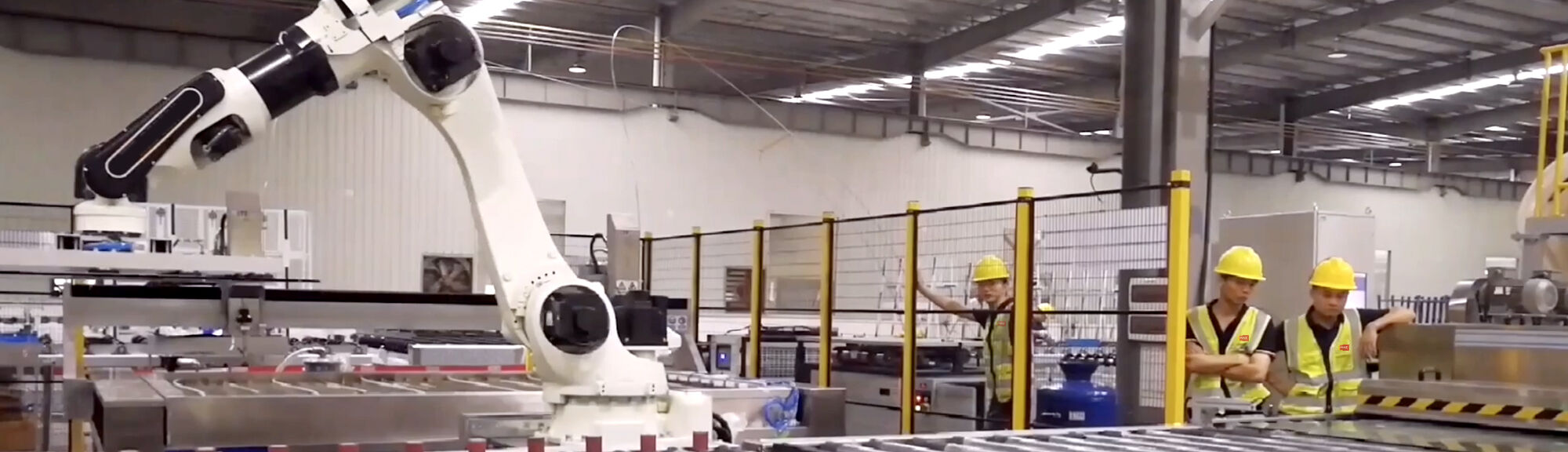
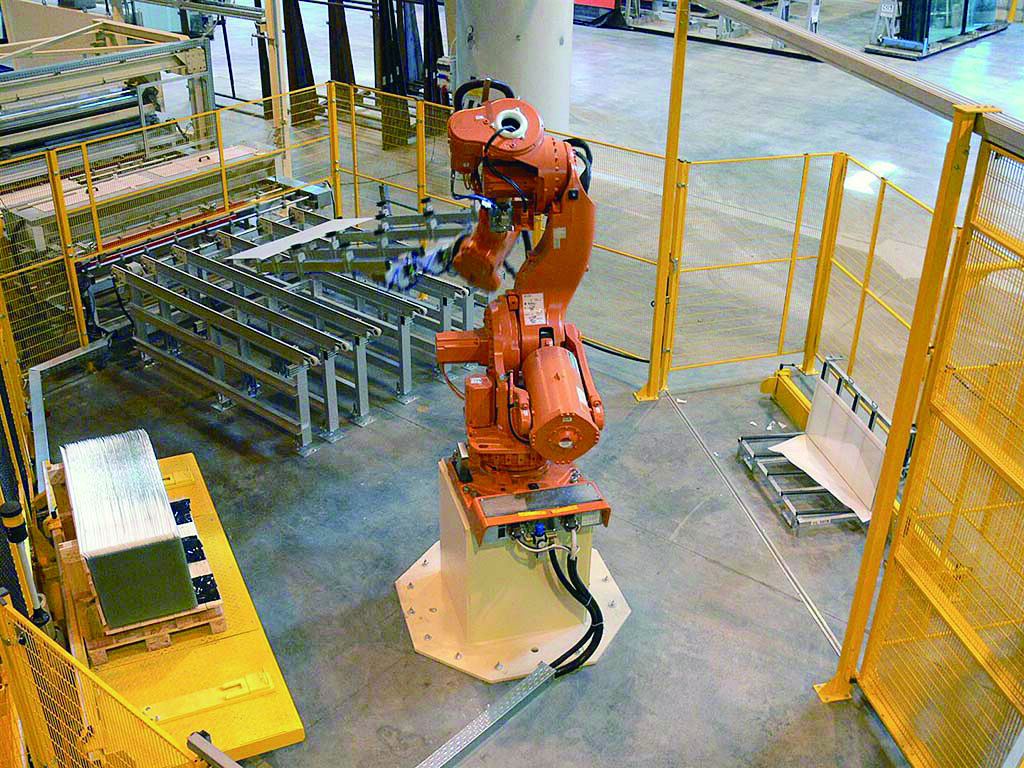
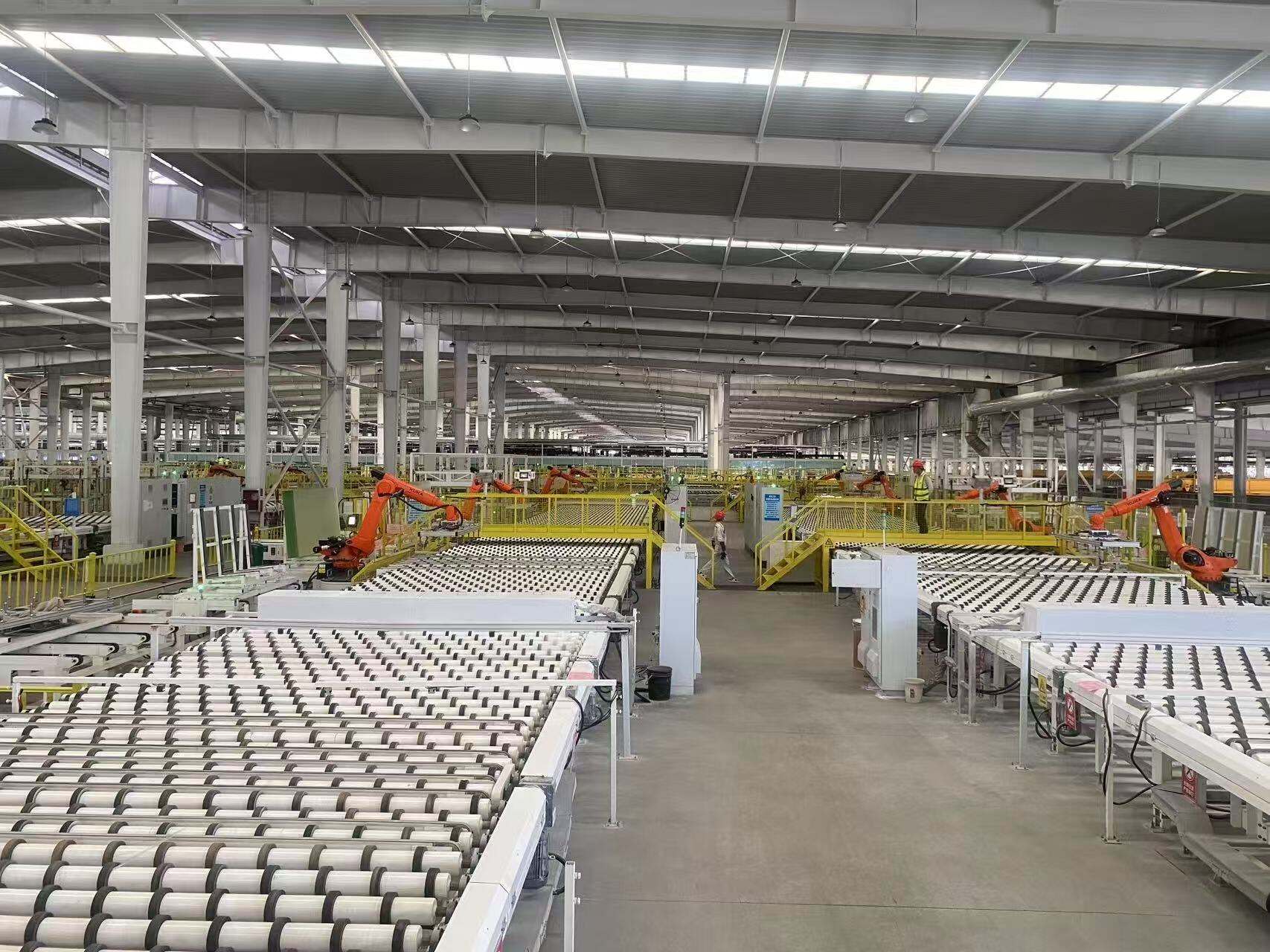
The remarkable versatility of the glass lifting robot makes it an invaluable asset across diverse industries and applications, providing consistent value regardless of your specific operational context. In commercial construction, these robots revolutionize curtain wall installation, handling massive glass panels measuring several meters in height while navigating the complexities of multi-story building sites. The ability to lift glass vertically along building facades, rotate panels to precise angles, and hold position during securing processes transforms installation workflows that previously required extensive scaffolding, multiple crane operations, and large crews. Residential construction companies deploy glass lifting robots for window installation projects, appreciating how quickly teams can complete entire housing developments with perfect alignment and minimal callbacks for adjustments. The robots handle standard window sizes and custom architectural glass with equal proficiency, adapting to the variety inherent in residential projects. Automotive glass manufacturing facilities integrate these robots into production lines, moving windshields and side panels between molding stations, quality inspection points, and packaging areas with consistent gentleness that preserves perfect surface quality. The repeatability ensures every glass piece follows identical handling paths, eliminating variables that could introduce defects or damage. Solar panel manufacturers value the glass lifting robot for transporting photovoltaic modules during assembly processes, where the combination of glass sheets with delicate electrical components demands exceptionally careful handling. The robot's programmable movement patterns ensure consistent layering and positioning that maintains the precise alignments essential for optimal energy generation efficiency. Furniture manufacturers working with glass tabletops, cabinet doors, and decorative elements rely on these robots to manage inventory movement within factories and warehouses, reducing breakage that once represented significant material losses. The ability to handle glass horizontally, vertically, and at various angles means the same robot serves multiple workstations, maximizing equipment utilization and investment returns. Architectural glass fabrication shops use glass lifting robots throughout their operations, from raw material storage through cutting, edge processing, tempering, and final quality inspection, creating seamless material flow that increases throughput while protecting product integrity. Museums and galleries employ specialized glass lifting robots when installing or relocating display cases and protective glazing around priceless artifacts, appreciating the precision control that prevents vibrations or impacts that could damage both the glass and nearby objects. Retail storefront construction benefits from the robot's ability to work in tight urban environments, maneuvering through crowded sidewalks and narrow access points while carrying large display windows that define modern retail aesthetics. Greenhouse construction represents another growing application area, where thousands of glass panels require installation in repetitive patterns that perfectly suit robotic efficiency, completing structures in fractions of the time manual methods require. The glass lifting robot's adaptability extends to specialized glass types including bulletproof security glazing, fire-rated glass assemblies, and artistic stained glass installations, each presenting unique handling challenges that the robot's adjustable parameters accommodate successfully. This cross-industry versatility means investing in a glass lifting robot provides long-term value even as your business evolves or diversifies into new market segments, with the equipment remaining relevant and productive across changing operational demands and emerging opportunities in glass-related fields.
 EN
EN
 AR
AR
 BG
BG
 HR
HR
 CS
CS
 DA
DA
 NL
NL
 FI
FI
 FR
FR
 DE
DE
 EL
EL
 HI
HI
 IT
IT
 JA
JA
 KO
KO
 PL
PL
 PT
PT
 RO
RO
 RU
RU
 ES
ES
 SV
SV
 TL
TL
 IW
IW
 LV
LV
 LT
LT
 SK
SK
 SL
SL
 UK
UK
 VI
VI
 ET
ET
 HU
HU
 MT
MT
 TH
TH
 TR
TR
 FA
FA
 MS
MS
 SW
SW
 GA
GA
 AZ
AZ