Long-Term Value Through Durability and Ultraviolet Protection
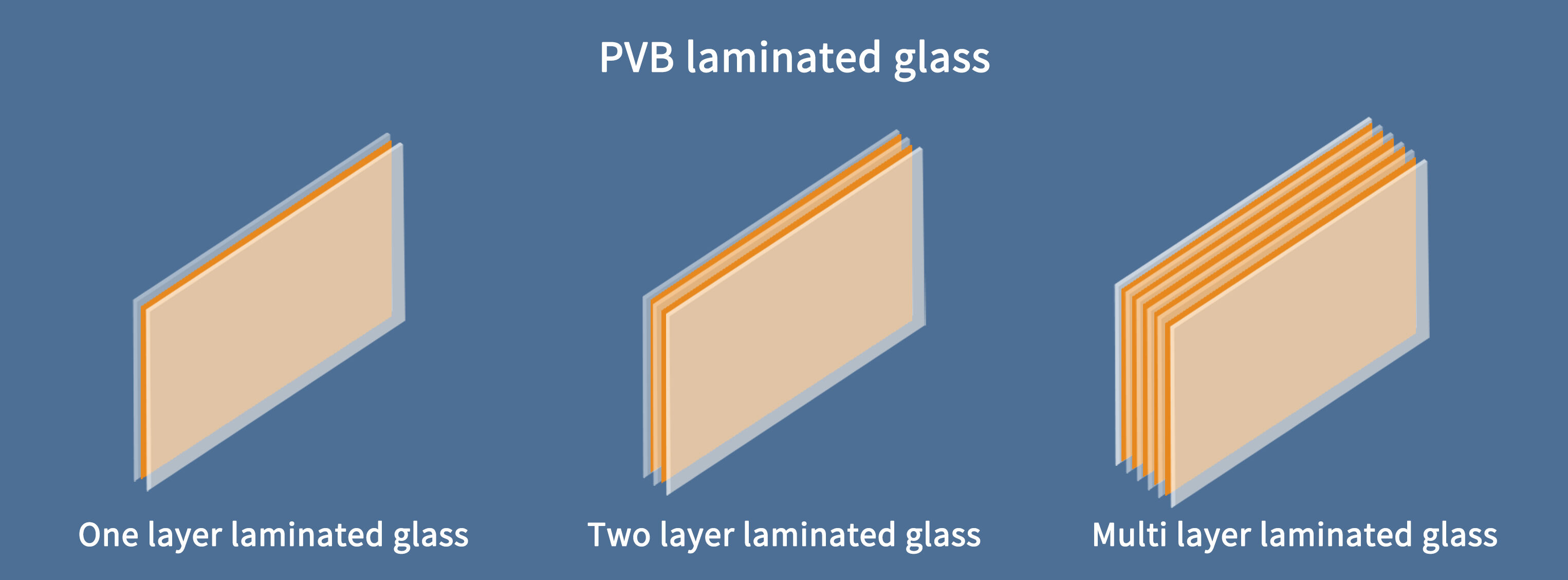
Investing in 1 4 laminated glass delivers exceptional long-term value that extends well beyond the initial installation, providing decades of reliable performance while protecting valuable interior assets from degradation. The durability characteristics inherent in laminated glass construction ensure that performance qualities remain consistent throughout an extended service life, unlike many alternative products that deteriorate or require replacement after relatively short periods. Understanding the comprehensive economic and practical benefits of this longevity helps property owners make informed decisions about glazing investments. The bonded structure of 1 4 laminated glass creates exceptional resistance to environmental stresses that compromise ordinary glass over time. Temperature fluctuations, moisture exposure, and physical stresses from building movement or wind loads affect the glass minimally due to the flexible interlayer that accommodates these forces without causing delamination or failure. Quality manufacturing processes ensure the bond between glass and interlayer remains permanent, maintaining optical clarity and structural integrity for decades without yellowing, clouding, or separating. This longevity eliminates the replacement cycles associated with less durable glazing options, reducing lifecycle costs substantially. The ultraviolet radiation blocking capabilities of 1 4 laminated glass provide particularly valuable protection for interior furnishings and finishes. Sunlight contains significant ultraviolet radiation that causes photochemical degradation of organic materials. Fabrics fade, losing their vibrant colors and eventually weakening structurally. Wood furniture darkens unevenly or bleaches depending on species and finish. Artwork, photographs, and documents suffer irreversible damage as pigments break down chemically. Carpeting and flooring materials deteriorate prematurely in sun-exposed areas. These degradation processes represent substantial economic losses as valuable items require premature replacement. The interlayer materials used in 1 4 laminated glass effectively block the majority of ultraviolet radiation while allowing visible light transmission. This selective filtering protects interiors from damaging wavelengths while maintaining bright, naturally lit spaces. The protection operates continuously without requiring adjustment or maintenance, preserving furnishings, artwork, and architectural finishes throughout their intended lifespans. For commercial applications, this means retail merchandise displays maintain consistent appearance without fading, museum collections remain preserved, and office interiors avoid the patchwork appearance of differentially faded surfaces. Maintenance requirements for 1 4 laminated glass remain minimal throughout its service life. Unlike security films that bubble, peel, or require periodic replacement, or coating systems that scratch and degrade, laminated glass maintains its properties without special care beyond normal cleaning. This simplicity reduces ongoing maintenance costs and labor requirements. The combination of extended lifespan, asset protection, minimal maintenance, and consistent performance creates compelling economic advantages that make 1 4 laminated glass a superior investment for virtually any glazing application where quality and longevity matter.
 EN
EN
 AR
AR
 BG
BG
 HR
HR
 CS
CS
 DA
DA
 NL
NL
 FI
FI
 FR
FR
 DE
DE
 EL
EL
 HI
HI
 IT
IT
 JA
JA
 KO
KO
 PL
PL
 PT
PT
 RO
RO
 RU
RU
 ES
ES
 SV
SV
 TL
TL
 IW
IW
 LV
LV
 LT
LT
 SK
SK
 SL
SL
 UK
UK
 VI
VI
 ET
ET
 HU
HU
 MT
MT
 TH
TH
 TR
TR
 FA
FA
 MS
MS
 SW
SW
 GA
GA
 AZ
AZ