Automatic Glass Loader - Advanced Material Handling Solutions for Glass Manufacturing

All Categories

Get a Free Quote

Our representative will contact you soon.
Email
Name
Company Name
Message
0/1000

automatic glass loader

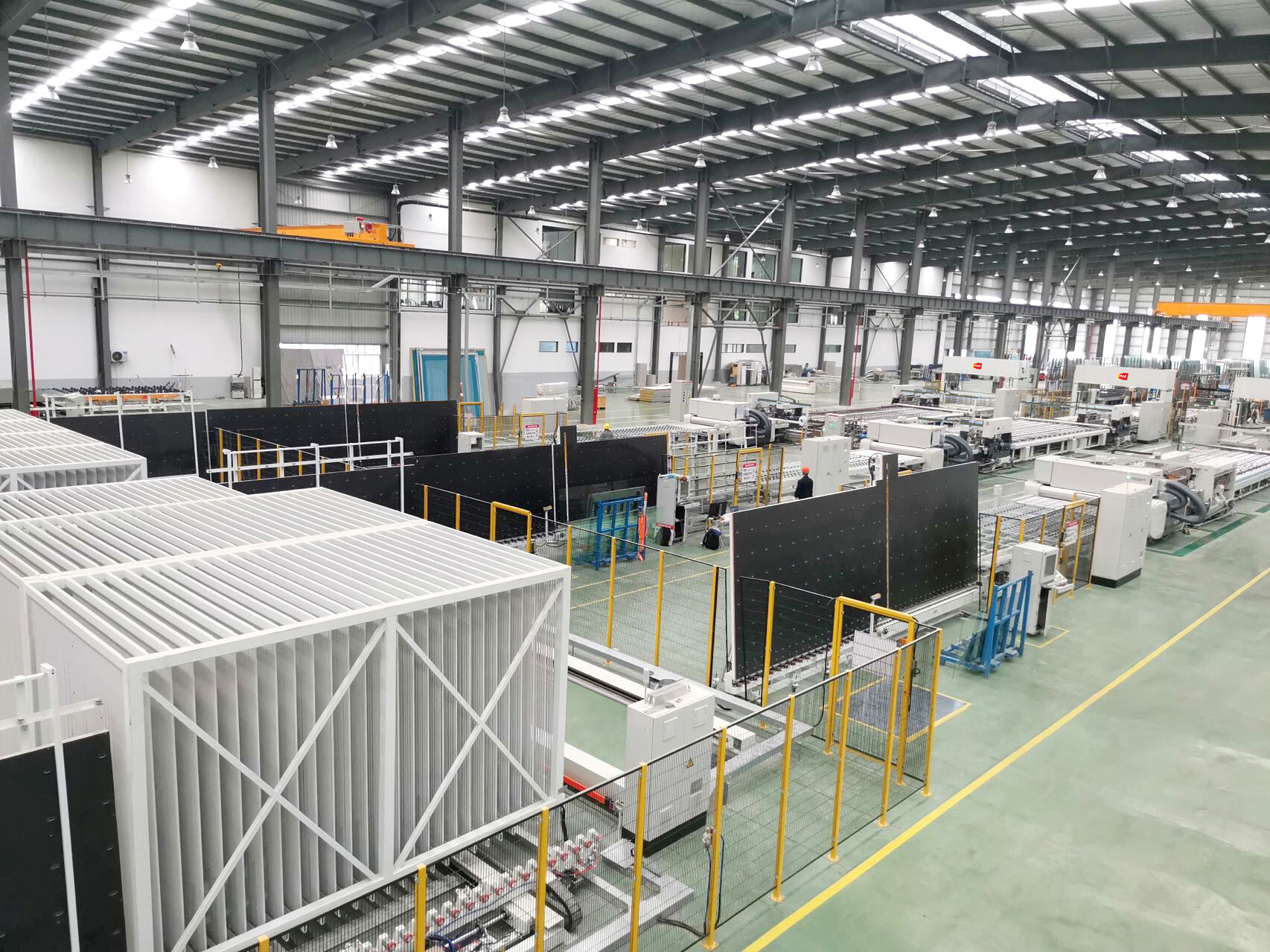
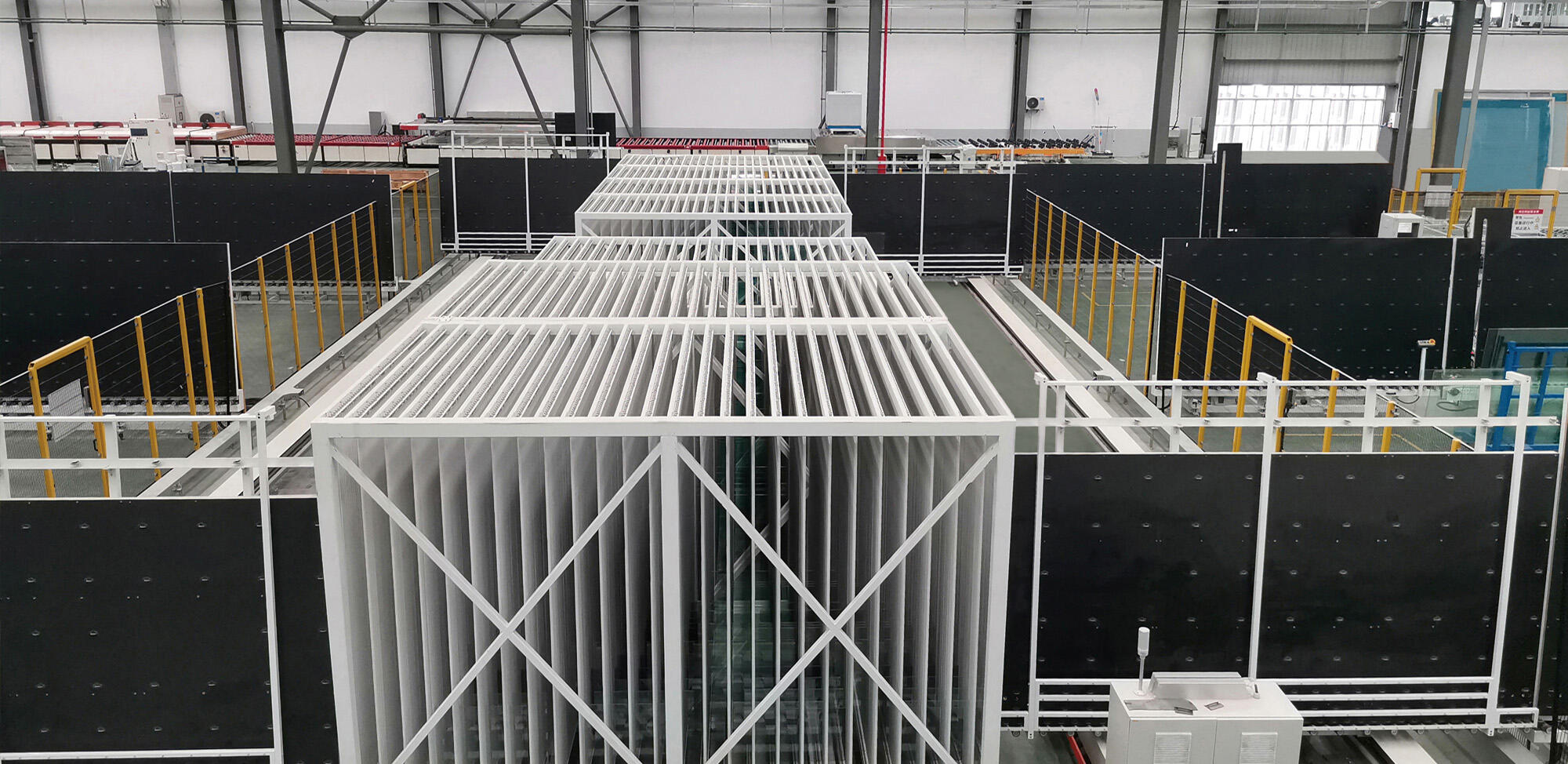
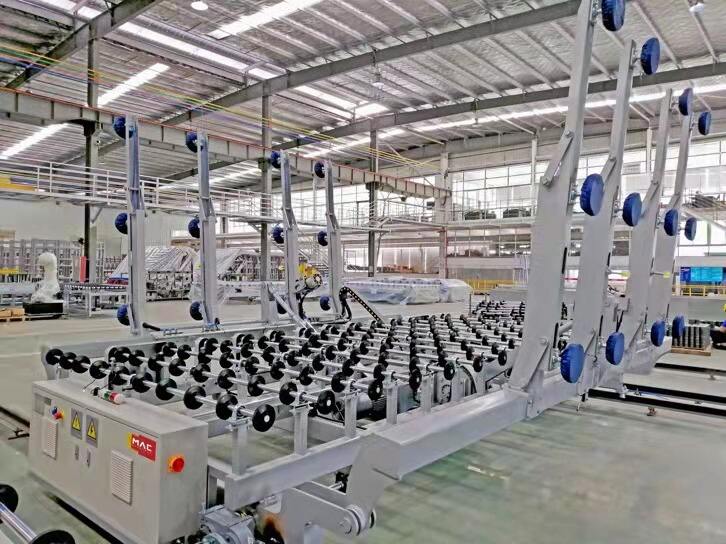
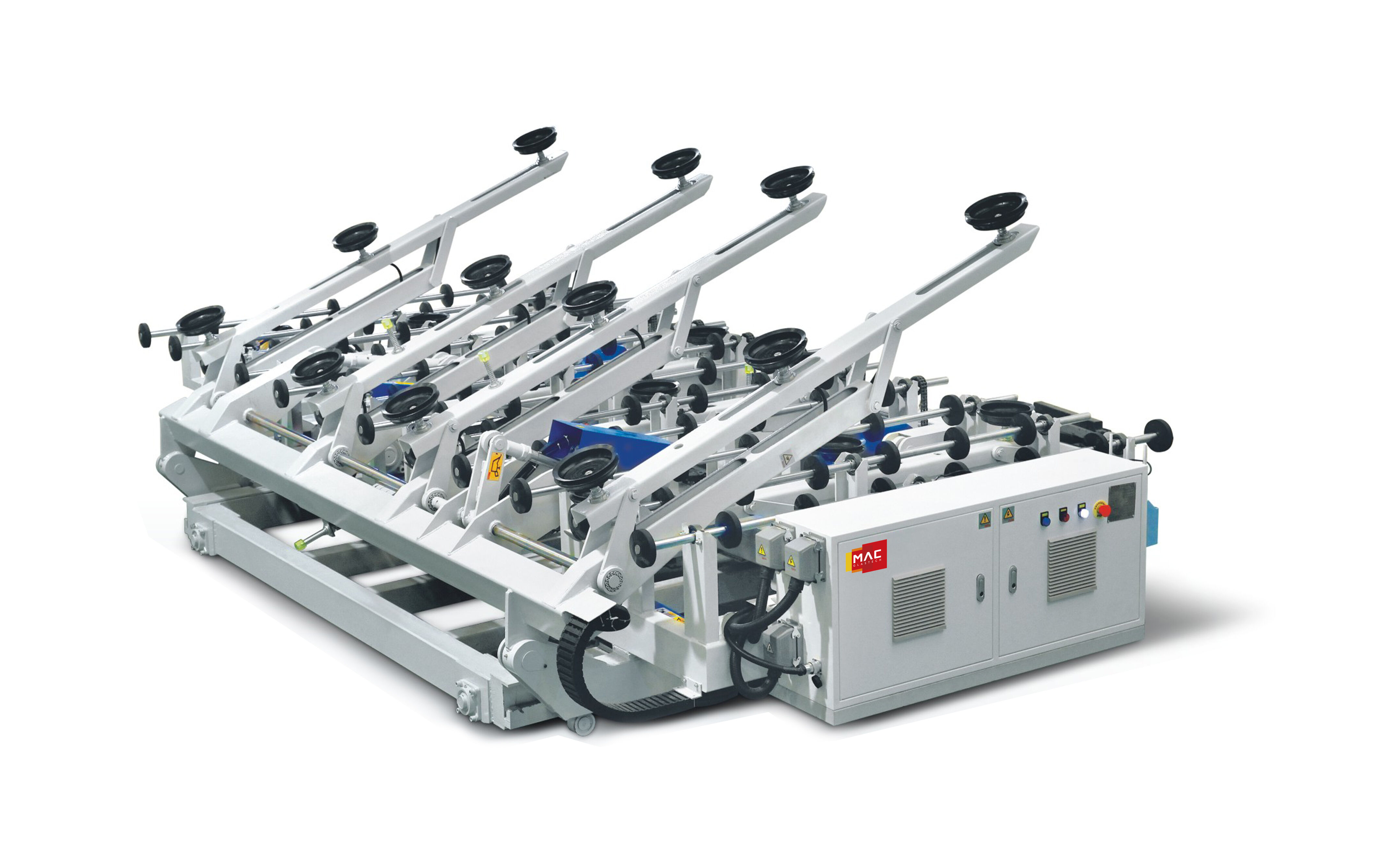
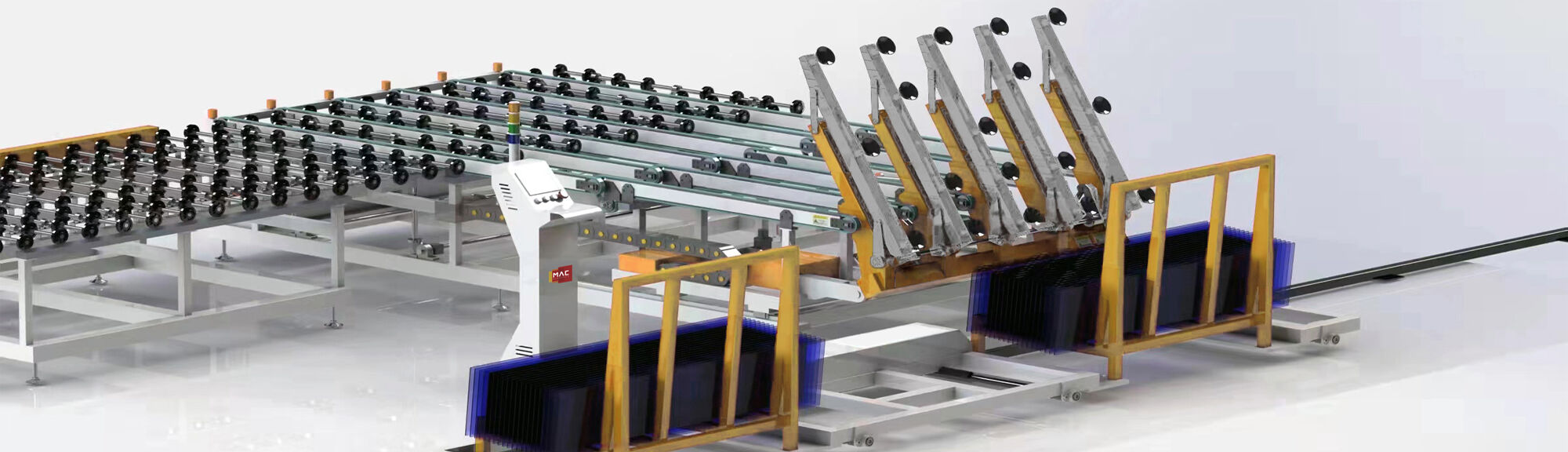
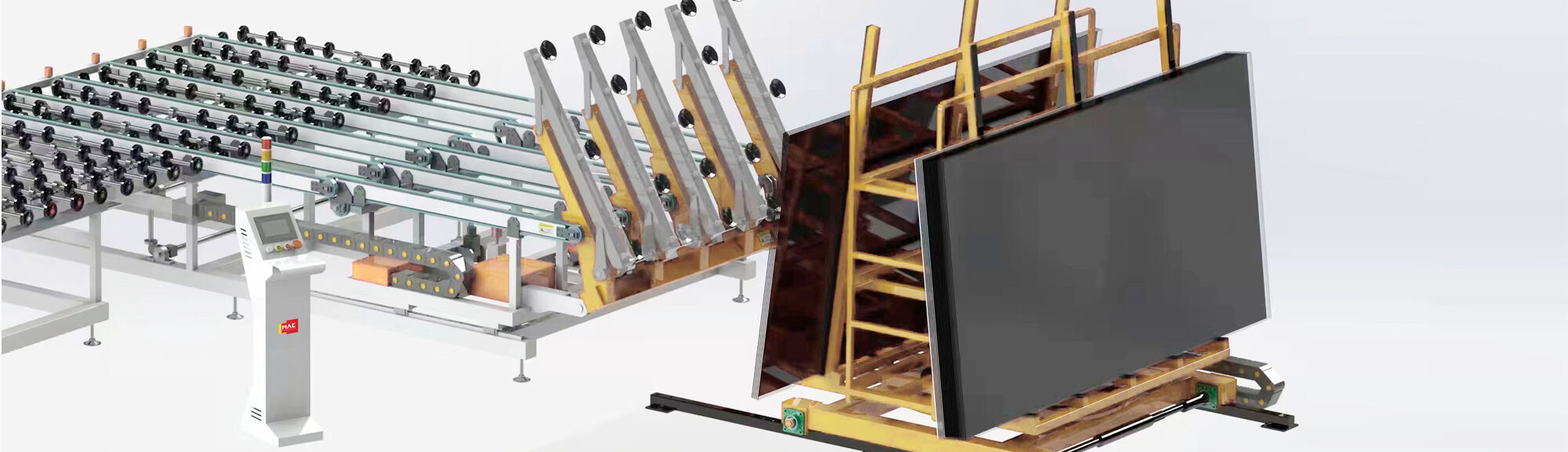
The automatic glass loader represents a significant advancement in glass processing technology, designed to streamline material handling operations in manufacturing facilities. This sophisticated equipment automatically feeds glass sheets into processing lines, eliminating manual handling and significantly improving production efficiency. The automatic glass loader integrates seamlessly with cutting tables, edging machines, and tempering furnaces, creating a continuous workflow that maximizes throughput while minimizing labor requirements. Modern automatic glass loader systems utilize precision sensors and programmable logic controllers to ensure accurate positioning and gentle handling of glass materials ranging from thin architectural panels to thick industrial substrates. The equipment features adjustable suction cup arrays that accommodate various glass dimensions and thicknesses, typically handling sheets from 2mm to 25mm thick. Advanced servo motor technology enables smooth acceleration and deceleration, preventing glass breakage during the loading process. The automatic glass loader incorporates safety interlocks and emergency stop mechanisms to protect operators and prevent equipment damage. Many models include touchscreen interfaces that allow operators to program loading sequences, adjust speed parameters, and monitor system performance in real-time. The versatility of the automatic glass loader makes it suitable for diverse applications across the glass industry, from residential window production to automotive windshield manufacturing and architectural curtain wall fabrication. Energy-efficient designs reduce operational costs while maintaining consistent performance throughout extended production shifts. The equipment's modular construction facilitates maintenance and allows for future upgrades as production requirements evolve. Investment in an automatic glass loader delivers immediate returns through reduced labor costs, decreased breakage rates, and increased production capacity, making it an essential component for competitive glass processing operations seeking to modernize their facilities and meet growing market demands.

New Products

Implementing an automatic glass loader transforms manufacturing operations by delivering substantial practical benefits that directly impact profitability and competitiveness. First and foremost, this equipment dramatically reduces labor costs by eliminating the need for multiple workers to manually position heavy glass sheets onto processing equipment. A single operator can supervise the automatic glass loader while it handles materials that would otherwise require a dedicated team, allowing businesses to reallocate human resources to higher-value tasks that require skilled judgment. The consistency provided by automated loading prevents the fatigue-related errors that inevitably occur with manual handling, resulting in fewer damaged sheets and reduced material waste. Production speed increases significantly because the automatic glass loader maintains a steady pace without breaks, delivering glass to processing stations with precise timing that optimizes equipment utilization. This continuous operation means cutting tables, edging machines, and other downstream equipment experience minimal idle time, maximizing return on capital investments. Safety improvements represent another compelling advantage, as removing workers from direct glass handling eliminates the risk of cuts, strains, and other injuries associated with manipulating large, heavy sheets. Insurance costs may decrease as workplace safety records improve, while employee morale benefits from eliminating physically demanding and potentially dangerous tasks. The automatic glass loader also enhances quality control by positioning each sheet with repeatable accuracy, ensuring consistent registration with cutting patterns and processing fixtures. This precision reduces edge quality variations and dimensional inconsistencies that can lead to customer complaints and returned products. Flexibility stands out as another key advantage, with quick changeover capabilities allowing manufacturers to efficiently switch between different glass sizes and thicknesses without extensive setup time. This responsiveness enables businesses to accept smaller custom orders that would be economically challenging with manual loading methods. The equipment's data collection capabilities provide valuable insights into production metrics, helping managers identify bottlenecks, optimize scheduling, and make informed decisions about capacity planning. Energy efficiency features reduce utility costs compared to older pneumatic systems, while predictive maintenance alerts minimize unexpected downtime by flagging potential issues before they cause production interruptions. The professional image projected by automated facilities helps attract premium customers who value advanced manufacturing capabilities and consistent quality. Long-term competitiveness improves as the automatic glass loader positions businesses to meet increasing production volumes without proportional increases in staffing, providing scalability that supports growth strategies and market expansion initiatives.

Tips And Tricks

What Safety Features Should Be Built into a Glass Sorting System?

24

Sep

What Safety Features Should Be Built into a Glass Sorting System?

Essential Safety Components for Modern Glass Processing Systems Glass sorting systems are vital components in recycling facilities and glass manufacturing plants, where efficiency must be perfectly balanced with worker protection. These sophisticated...
View More
How Does a Glass Sorting System Integrate with Other Glass Lines?

24

Sep

How Does a Glass Sorting System Integrate with Other Glass Lines?

Seamless Integration of Modern Glass Sorting Technologies The integration of a glass sorting system into existing production lines represents a significant advancement in glass manufacturing and recycling operations. These sophisticated systems utili...
View More
Why Are Smart Glass Cutting Lines Becoming the Standard in Factories?

28

Oct

Why Are Smart Glass Cutting Lines Becoming the Standard in Factories?

The Revolution of Automated Glass Processing in Modern Manufacturing The manufacturing landscape is undergoing a dramatic transformation as smart glass cutting lines increasingly become the backbone of modern glass processing facilities. These sophis...
View More
How to Optimize Production Settings in a Hub Glass Furnace?

24

Nov

How to Optimize Production Settings in a Hub Glass Furnace?

Glass manufacturing represents one of the most energy-intensive industrial processes, requiring precise control of temperature, atmosphere, and raw material flow to achieve optimal production efficiency. Modern hub glass furnace systems have evolved ...
View More

Get a Free Quote

Our representative will contact you soon.
Email
Name
Company Name
Message
0/1000

automatic glass loader

Precision Handling Technology Ensures Zero-Damage Material Transfer

Precision Handling Technology Ensures Zero-Damage Material Transfer

The automatic glass loader incorporates state-of-the-art precision handling technology that guarantees safe material transfer throughout the production process, addressing one of the most critical concerns in glass manufacturing. At the heart of this capability lies an intelligent suction cup system engineered with individual vacuum monitoring for each attachment point, ensuring consistent grip across the entire glass surface regardless of material weight or surface characteristics. The vacuum sensors continuously measure pressure levels and automatically compensate for any variations, maintaining secure contact while preventing excessive force that could cause stress fractures or surface damage. This sophisticated monitoring system can detect even minor air leaks and adjust vacuum distribution accordingly, providing reliability that manual handling simply cannot match. The automatic glass loader utilizes soft-touch suction cups manufactured from specialized compounds that maintain grip without marking glass surfaces, preserving optical clarity and eliminating costly rework from handling blemishes. Servo-driven positioning mechanisms control movement with micrometer-level accuracy, eliminating the jerky motions and sudden accelerations that characterize older pneumatic systems and cause internal stress within glass sheets. The acceleration and deceleration profiles can be customized based on glass thickness and type, with thinner materials receiving gentler handling parameters while thicker substrates benefit from optimized speed settings that maintain productivity. Advanced path planning algorithms calculate optimal movement trajectories that minimize tilting and flexing during transfer, particularly important when handling large-format architectural glass that can span several meters. The automatic glass loader frame construction incorporates vibration-damping materials that absorb residual oscillations from adjacent equipment, ensuring the loading process occurs in a stable environment free from external disturbances. Proximity sensors detect glass edges with exceptional precision, enabling the system to accurately center each sheet relative to downstream processing equipment without manual alignment. This automated centering eliminates the cumulative positioning errors that occur with manual loading, where slight variations compound across production runs and result in inconsistent processing outcomes. Temperature compensation features account for thermal expansion in both the glass material and the loader structure itself, maintaining positioning accuracy even as ambient conditions fluctuate throughout production shifts. The result is a handling system that achieves breakage rates below 0.1 percent, compared to typical manual handling breakage of 2-5 percent, translating directly to substantial material cost savings and improved profitability for glass processing operations of any scale.
Seamless Integration Capabilities Maximize Production Line Efficiency

Seamless Integration Capabilities Maximize Production Line Efficiency

The automatic glass loader excels in its ability to integrate seamlessly with existing production equipment, creating a unified manufacturing ecosystem that maximizes overall efficiency and throughput. This integration capability begins with comprehensive communication protocols that enable the loader to exchange real-time data with cutting tables, edging machines, washing systems, and quality inspection stations throughout the facility. The equipment supports industry-standard interfaces including Profibus, Ethernet/IP, and Modbus TCP, ensuring compatibility with virtually any programmable logic controller or supervisory control system already installed in the manufacturing environment. This connectivity allows the automatic glass loader to receive production schedules directly from enterprise resource planning systems, automatically adjusting loading sequences to match current order priorities without manual intervention. The synchronization between the loader and downstream equipment eliminates bottlenecks by ensuring glass arrives at each processing station exactly when needed, neither too early to cause accumulation nor too late to create idle time. Advanced buffering capabilities enable the automatic glass loader to maintain a steady supply of material even when upstream preparation processes experience temporary slowdowns, smoothing production flow and maintaining consistent output rates. The equipment includes configurable input and output signals that can trigger auxiliary equipment such as conveyor systems, sorting mechanisms, and packaging stations, creating a fully automated material flow from raw glass storage through finished product preparation. Recipe management features store optimal loading parameters for different glass types and sizes, allowing operators to recall proven settings instantly when production changeovers occur, dramatically reducing setup time compared to manual adjustment procedures. The automatic glass loader can coordinate with inventory management systems to track material consumption in real-time, automatically generating replenishment orders when stock levels reach predetermined thresholds and preventing production interruptions due to material shortages. Integration with quality control systems enables the loader to automatically segregate non-conforming sheets identified by upstream inspection equipment, routing defective materials to rework areas while allowing good product to continue through the normal production sequence. The modular software architecture permits custom integration with specialized equipment unique to specific manufacturing processes, providing flexibility that proprietary closed systems cannot offer. Remote monitoring capabilities allow production managers to observe loader performance from any location with internet connectivity, reviewing operational statistics, acknowledging alarm conditions, and adjusting parameters without traveling to the production floor. This connectivity supports predictive maintenance programs by continuously logging performance metrics and component operating hours, enabling maintenance teams to schedule service activities during planned downtime rather than responding to unexpected failures that halt production and incur emergency repair costs.
Adaptable Configuration Options Support Diverse Manufacturing Requirements

Adaptable Configuration Options Support Diverse Manufacturing Requirements

The automatic glass loader distinguishes itself through exceptional adaptability, offering configuration options that accommodate the diverse requirements found across different segments of the glass manufacturing industry. This versatility begins with modular frame designs available in multiple sizes, allowing facilities to select equipment dimensions that match their available floor space while providing the capacity needed for current and anticipated production volumes. Compact models suit smaller workshops processing residential window glass and mirror products, while extended-length configurations serve large-scale manufacturers handling oversized architectural panels and automotive windshields measuring several square meters. The automatic glass loader suction cup arrays are fully customizable, with adjustable spacing that accommodates glass sheets ranging from small decorative panels to massive curtain wall units, eliminating the need to purchase separate equipment for different product lines. Quick-release mounting systems enable operators to reconfigure suction cup patterns in minutes rather than hours, supporting facilities that manufacture diverse product mixes and require frequent changeovers between vastly different glass dimensions. Height adjustment mechanisms allow the loader to interface with processing equipment at various elevations, solving the common challenge of integrating new automated systems into existing facilities where equipment platforms were established decades ago without consideration for future automation. The automatic glass loader control systems offer multiple operating modes including fully automatic operation for high-volume production, semi-automatic mode for short runs requiring operator verification at each cycle, and manual control for setup and maintenance procedures, providing operational flexibility that matches workforce skill levels and production requirements. Programmable acceleration profiles can be adjusted to accommodate specialty glass types such as laminated safety glass, low-emissivity coated architectural glass, and tempered panels, each requiring different handling characteristics to prevent damage to surface treatments or internal structures. The equipment supports both horizontal loading for cutting tables and washing machines as well as vertical loading for tempering furnaces and coating lines, with orientation change mechanisms that rotate glass sheets as needed without requiring separate handling equipment. Optional vision systems can be integrated into the automatic glass loader to verify glass dimensions before loading, automatically detecting and rejecting oversized or undersized sheets that would cause downstream processing errors or equipment damage. Environmental adaptation features include sealed electrical enclosures for harsh manufacturing environments with airborne glass particles and moisture, along with temperature-rated components for facilities experiencing extreme ambient conditions. The modular design philosophy extends to spare parts availability, with common components shared across different loader models to simplify inventory management and reduce maintenance costs over the equipment's operational lifetime. Upgrade pathways allow manufacturers to add capabilities incrementally as production requirements evolve, starting with basic automated loading and later incorporating advanced features such as dimensional verification, surface inspection, and integrated label application without replacing the entire system. This scalability protects capital investments and ensures the automatic glass loader remains a valuable production asset throughout its service life, adapting to changing market demands and technological advancements rather than becoming obsolete equipment requiring costly replacement.