China Glass Sorting System: Advanced Automated Glass Separation Technology for Recycling and Manufacturing

All Categories

Get a Free Quote

Our representative will contact you soon.
Email
Name
Company Name
Message
0/1000

china glass sorting system

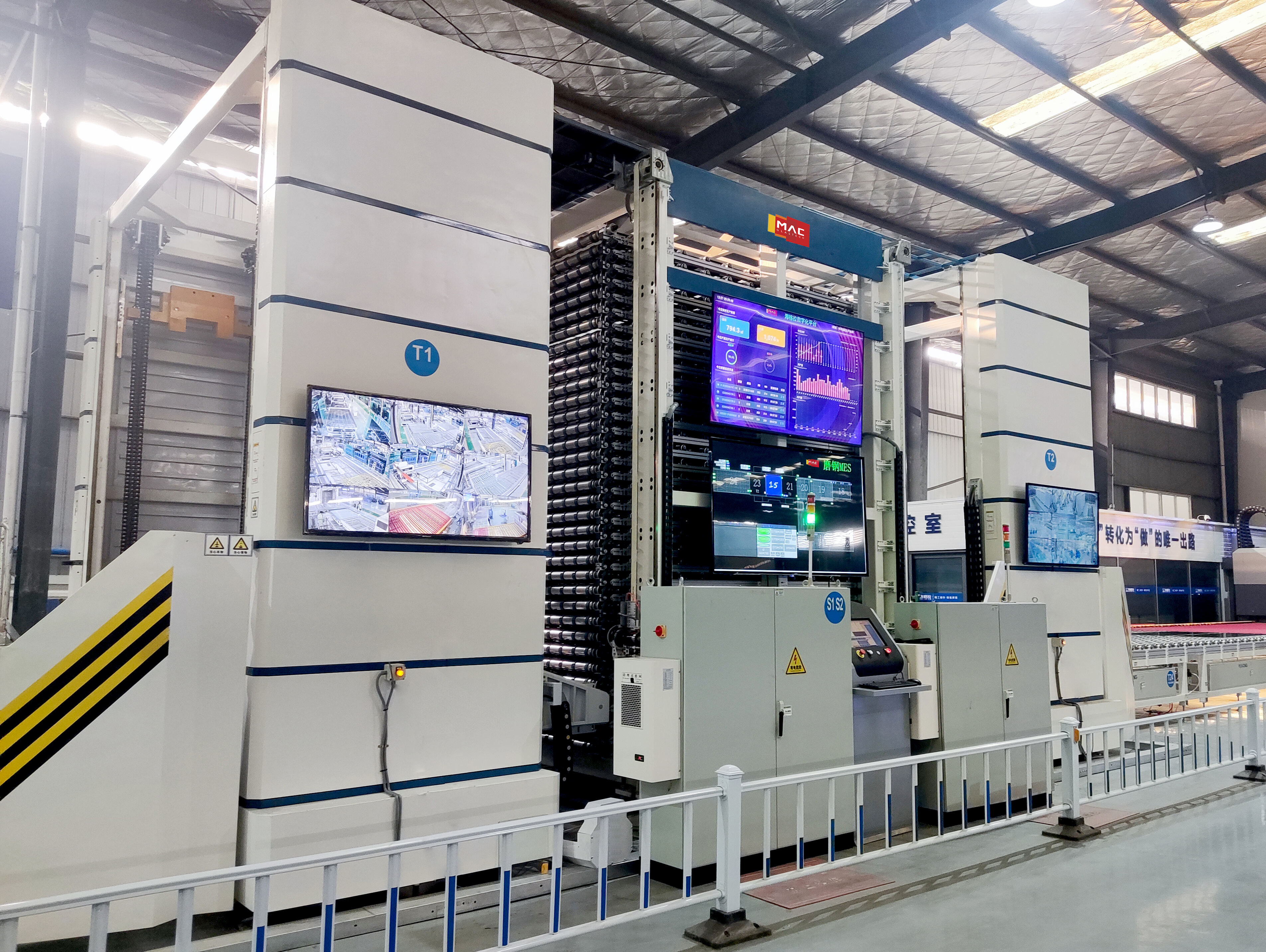
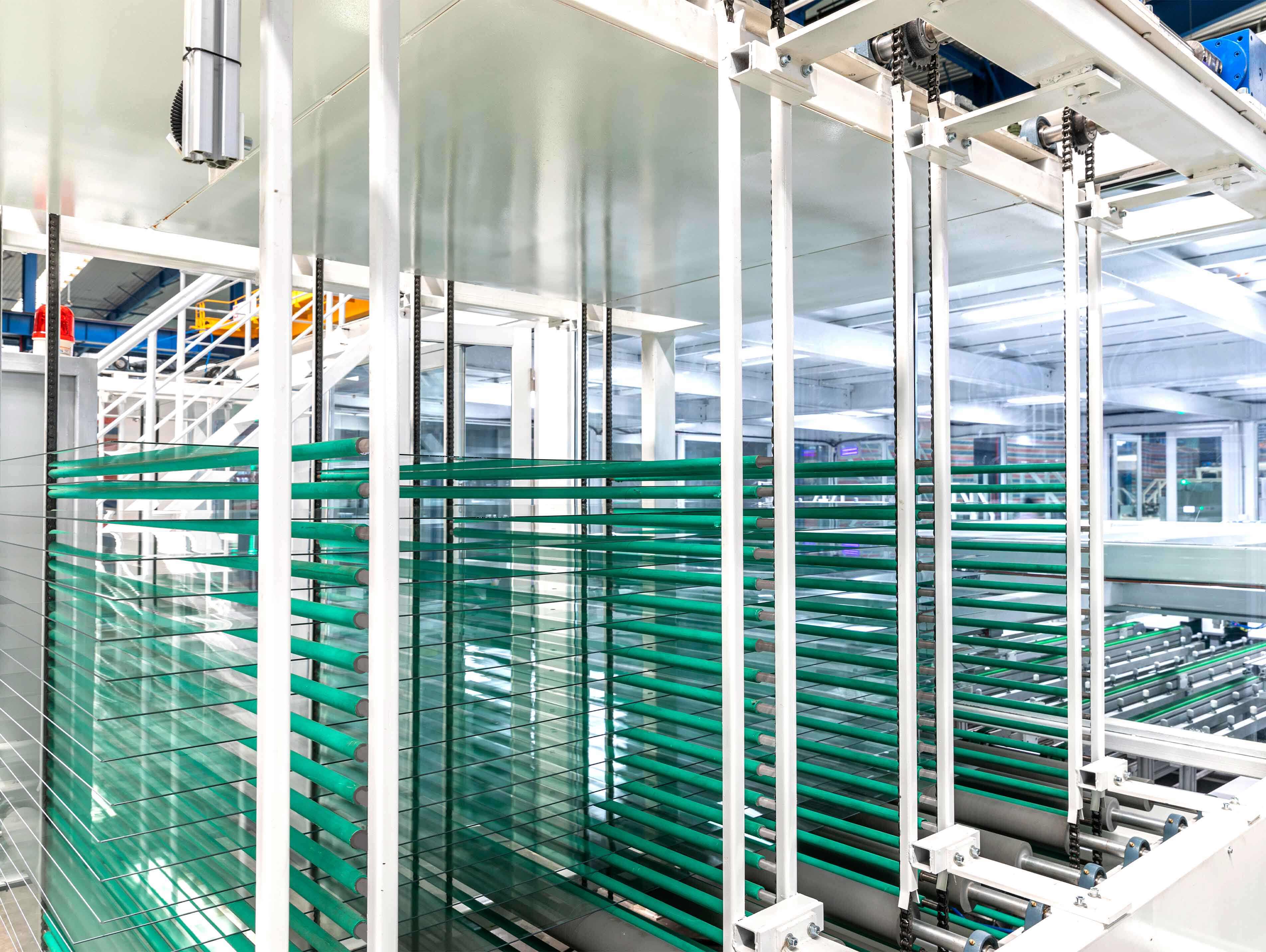
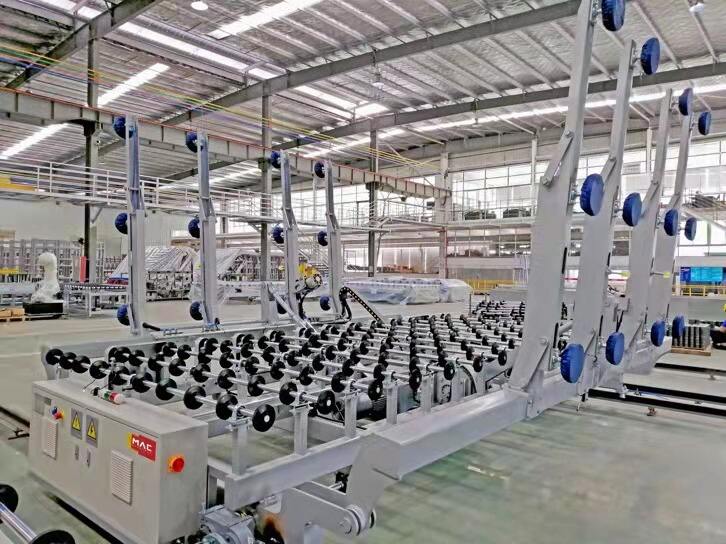
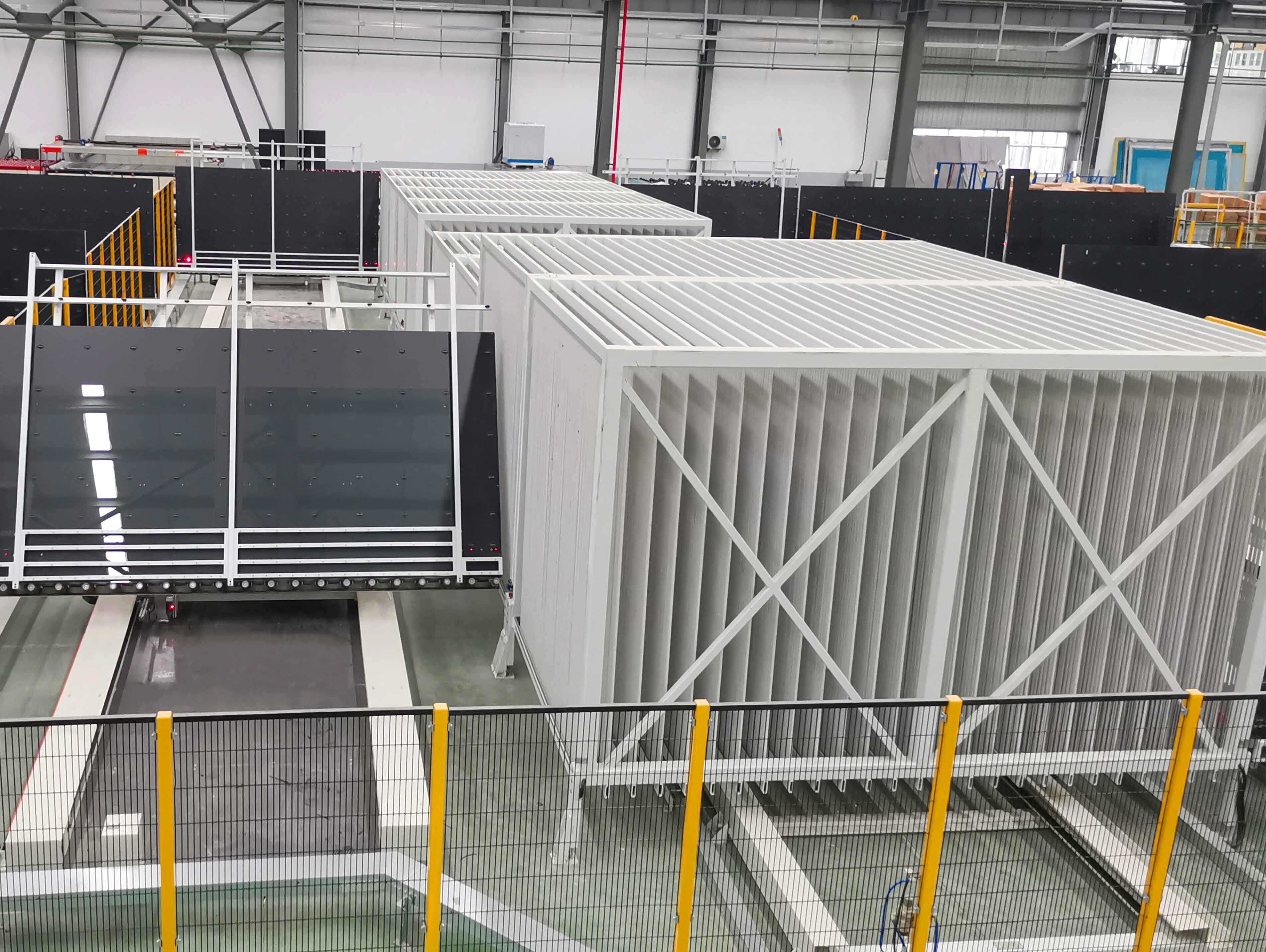
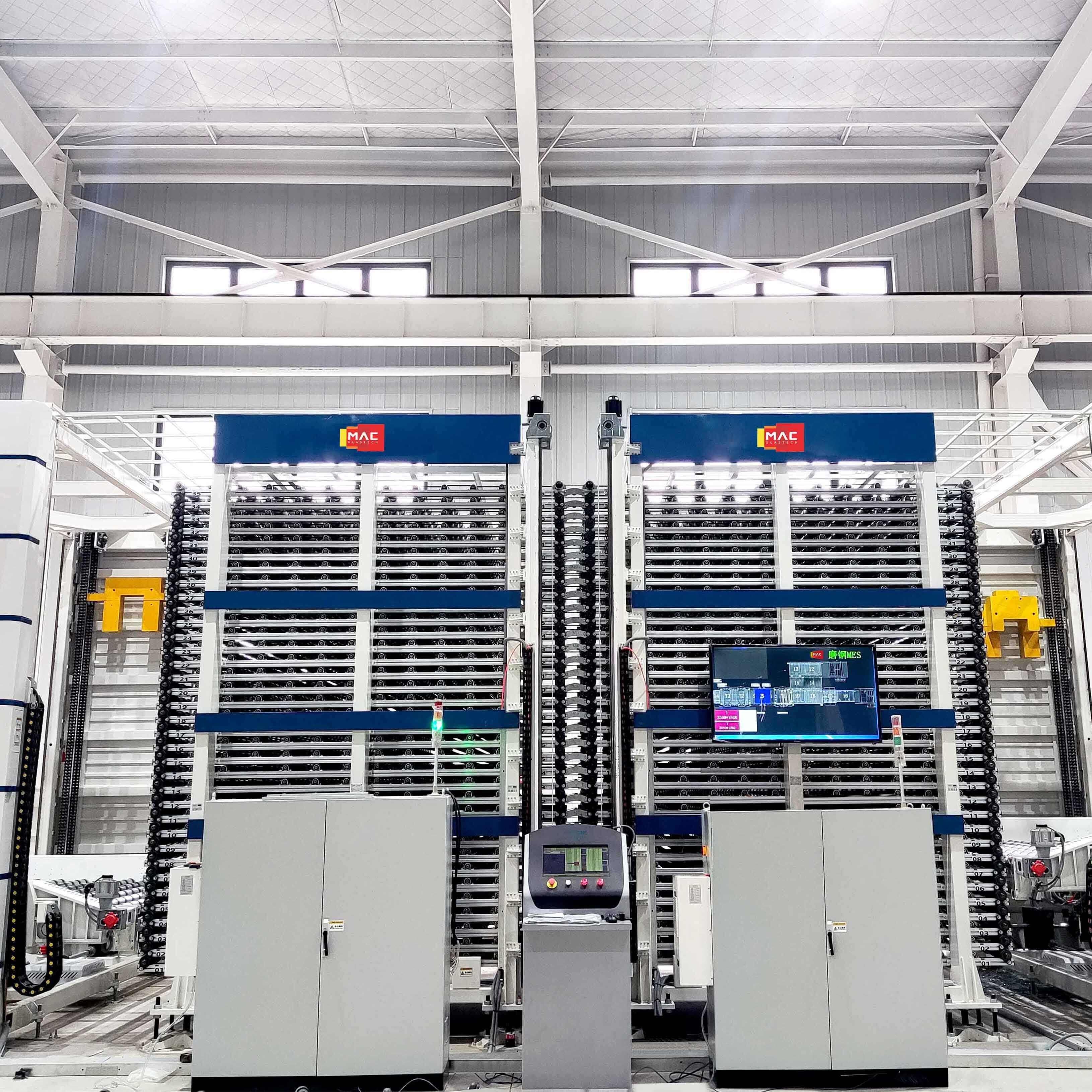
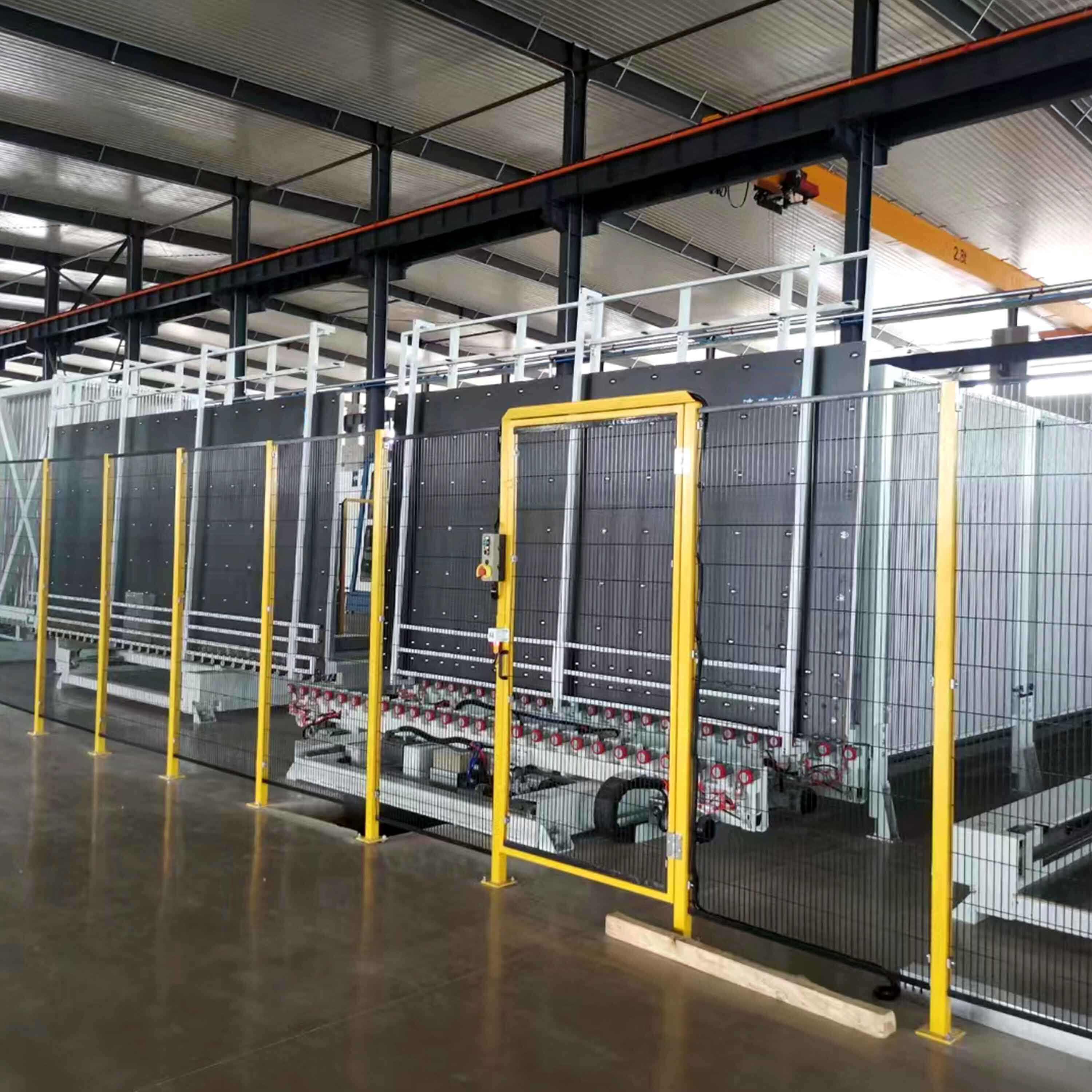
The china glass sorting system represents a cutting-edge solution designed to revolutionize the way recycling facilities and glass manufacturing plants handle glass materials. This sophisticated automated equipment combines advanced sensor technology, artificial intelligence algorithms, and precision mechanical components to identify, separate, and categorize different types of glass based on color, composition, and quality standards. The primary function of this china glass sorting system involves detecting and removing contaminants while efficiently separating glass into distinct categories such as clear, green, brown, and mixed color variants. By employing high-resolution cameras, near-infrared sensors, and optical detection mechanisms, the system can process large volumes of glass materials at remarkable speeds, often handling several tons per hour depending on the configuration. The technological features embedded within the china glass sorting system include real-time data processing capabilities that analyze each glass fragment as it passes through the conveyor system, making split-second decisions about its classification and destination. The equipment utilizes pneumatic ejection systems that precisely redirect sorted materials into designated collection bins with minimal breakage or cross-contamination. Applications for this technology span across municipal recycling centers, bottle manufacturing facilities, glass container production lines, and specialized waste management operations. The china glass sorting system proves particularly valuable in environments where high purity levels are essential for downstream processing and where manual sorting would be prohibitively expensive or inefficient. Installation flexibility allows these systems to integrate seamlessly into existing production workflows, whether as standalone units or as components within larger automated sorting infrastructures. The modular design philosophy ensures that facilities can scale their operations according to processing demands and available space constraints.

New Products

Investing in a china glass sorting system delivers substantial practical benefits that directly impact operational efficiency and profitability. First and foremost, this automated solution dramatically reduces labor costs by eliminating the need for teams of workers to manually sort through glass materials, a task that is not only tedious but also poses safety risks due to sharp edges and repetitive strain injuries. The system operates continuously with minimal supervision, maintaining consistent performance throughout extended shifts without fatigue or loss of accuracy. Speed advantages are immediately apparent, as the china glass sorting system processes materials at rates far exceeding human capabilities, often achieving throughput increases of three to five times compared to manual operations. This acceleration in processing velocity translates to higher revenue potential as facilities can handle larger volumes of incoming materials and fulfill customer orders more rapidly. Accuracy improvements represent another compelling advantage, with modern systems achieving sorting precision rates above ninety-eight percent, ensuring that glass products meet strict quality specifications required by manufacturers. This precision reduces waste and maximizes the recovery value of sorted materials, as properly separated glass commands premium prices in secondary markets. Energy efficiency features built into the china glass sorting system help operations reduce their environmental footprint while lowering utility expenses, as optimized motors and intelligent power management systems consume less electricity than older sorting technologies. The system's ability to identify and remove contaminants such as ceramics, stones, metals, and porcelain protects downstream equipment from damage and prevents costly production disruptions. Maintenance requirements remain manageable thanks to robust construction using durable components designed for industrial environments, and many systems include diagnostic capabilities that alert operators to potential issues before they escalate into major problems. Data collection features provide valuable insights into material composition trends, processing volumes, and system performance metrics, enabling managers to make informed decisions about resource allocation and operational improvements. The china glass sorting system also enhances workplace safety by removing workers from direct contact with potentially hazardous materials, reducing injury risks and associated insurance costs. Return on investment timelines typically range from eighteen to thirty-six months depending on facility size and processing volumes, making this technology financially accessible for operations of various scales. Environmental benefits extend beyond energy savings, as improved sorting quality increases recycling rates and reduces the volume of materials destined for landfills.

Tips And Tricks

What Are the Benefits of Using an Automated Glass Sorting System?

24

Sep

What Are the Benefits of Using an Automated Glass Sorting System?

Revolutionizing Glass Recycling Through Advanced Automation The glass recycling industry is undergoing a remarkable transformation with the integration of automated glass sorting systems. These sophisticated technologies are reshaping how recycling f...
View More
What Are the Future Trends in Intelligent Glass Sorting Systems?

24

Sep

What Are the Future Trends in Intelligent Glass Sorting Systems?

The Evolution of Advanced Glass Sorting Technology The landscape of glass recycling and processing is undergoing a remarkable transformation through intelligent glass sorting systems. These sophisticated technologies are revolutionizing how we handle...
View More
How Do Glass Drilling Machines Achieve Precision and Accuracy?

28

Oct

How Do Glass Drilling Machines Achieve Precision and Accuracy?

The Engineering Marvel Behind Modern Glass Drilling Technology Glass drilling machines represent the pinnacle of precision engineering in today's manufacturing landscape. These sophisticated pieces of equipment combine advanced technology with mechan...
View More
Why Are Smart Glass Cutting Lines Becoming the Standard in Factories?

28

Oct

Why Are Smart Glass Cutting Lines Becoming the Standard in Factories?

The Revolution of Automated Glass Processing in Modern Manufacturing The manufacturing landscape is undergoing a dramatic transformation as smart glass cutting lines increasingly become the backbone of modern glass processing facilities. These sophis...
View More

Get a Free Quote

Our representative will contact you soon.
Email
Name
Company Name
Message
0/1000

china glass sorting system

Advanced Multi-Sensor Detection Technology

Advanced Multi-Sensor Detection Technology

The china glass sorting system distinguishes itself through its implementation of sophisticated multi-sensor detection technology that sets new standards for identification accuracy and material classification capabilities. At the heart of this technological advantage lies a combination of optical sensors, near-infrared spectroscopy, and high-resolution camera systems working in concert to analyze every piece of glass that passes through the sorting line. These sensors operate at incredible speeds, capturing and processing dozens of data points for each fragment in mere milliseconds, ensuring that even the smallest pieces receive proper classification. The optical detection components utilize specialized lighting arrays that illuminate glass materials from multiple angles, revealing color characteristics, transparency levels, and surface properties that inform sorting decisions. Near-infrared technology penetrates the glass surface to analyze molecular composition, enabling the system to differentiate between glass types that may appear visually similar but possess different chemical properties important for recycling or manufacturing purposes. The china glass sorting system leverages this multi-layered approach to achieve exceptional discrimination between glass colors, separating amber, green, and flint glass with remarkable precision while simultaneously identifying non-glass contaminants that must be removed. Machine learning algorithms continuously refine detection parameters based on accumulated data, allowing the system to adapt to variations in material characteristics and improve performance over time without requiring manual recalibration. This adaptive intelligence proves particularly valuable when processing mixed waste streams where glass quality and composition can vary significantly from batch to batch. The sensor array's ability to detect subtle differences in material properties enables facilities to create multiple sorting categories beyond basic color separation, including classifications based on thickness, lead content, or specialty glass types used in automotive or architectural applications. Real-time feedback mechanisms ensure that the china glass sorting system maintains optimal performance even as processing conditions change throughout the day, automatically adjusting sensitivity levels and rejection thresholds to maintain target purity standards. This technology eliminates the subjective judgment inherent in manual sorting operations, delivering consistent results regardless of operator experience or attention levels. The multi-sensor approach also provides redundancy that enhances system reliability, as multiple detection methods verify sorting decisions and reduce the likelihood of misclassification errors that could compromise product quality.
High-Speed Pneumatic Separation Mechanism

High-Speed Pneumatic Separation Mechanism

The separation mechanism employed by the china glass sorting system represents a triumph of engineering precision, utilizing high-speed pneumatic ejection technology that physically redirects glass fragments with extraordinary accuracy and minimal material damage. Unlike older mechanical sorting methods that relied on physical barriers or diverters that could cause breakage and required frequent adjustment, pneumatic separation uses precisely timed air jets to gently but firmly propel selected pieces from the main material stream into designated collection areas. The system incorporates arrays of individually controllable air nozzles positioned along the conveyor path, each capable of firing independently within microseconds of receiving instructions from the detection system. This rapid response capability ensures that even at high conveyor speeds exceeding three meters per second, the china glass sorting system accurately targets and redirects specific fragments without affecting adjacent materials. The pneumatic approach offers distinct advantages in terms of maintenance requirements, as air nozzles have no moving parts in contact with abrasive glass materials, significantly extending operational intervals between service procedures. Valve technology has evolved to provide millions of actuation cycles before requiring replacement, and modular design principles allow individual nozzles to be serviced without shutting down the entire sorting line. The china glass sorting system optimizes air pressure levels to match material characteristics, applying sufficient force to redirect heavy glass pieces while avoiding excessive pressure that might shatter thinner fragments or create dangerous airborne particles. Sophisticated timing algorithms coordinate ejection sequences to prevent interference between adjacent nozzles and maximize separation efficiency across the entire width of the conveyor system. This coordination becomes particularly important when processing mixed materials where multiple glass types may be present in close proximity, requiring the system to execute complex sorting patterns that isolate each category effectively. Energy efficiency considerations have driven recent innovations in pneumatic system design, with modern installations incorporating pressure regulation systems that minimize compressed air consumption while maintaining separation performance. The china glass sorting system can process tremendous volumes of material while keeping air consumption within reasonable limits that avoid overwhelming facility air supply infrastructure. Adjustability features allow operators to fine-tune separation parameters for different glass types or processing objectives, switching between aggressive high-purity sorting modes and gentler recovery-focused configurations depending on current production priorities.
Intelligent Control System with Remote Monitoring

Intelligent Control System with Remote Monitoring

The operational intelligence embedded within the china glass sorting system elevates it beyond simple automated equipment into a sophisticated production asset that delivers actionable insights and remote management capabilities. The control architecture centers on an industrial-grade computing platform running specialized software developed specifically for glass sorting applications, providing intuitive interfaces that simplify operation while offering deep customization options for advanced users. Touchscreen control panels present operators with clear visual representations of system status, processing statistics, and performance metrics, enabling quick assessments of operational health and immediate responses to changing conditions. The china glass sorting system stores comprehensive historical data documenting throughput volumes, sort quality measurements, maintenance events, and system adjustments, creating valuable records that support continuous improvement initiatives and regulatory compliance reporting. Trend analysis tools help identify patterns in material characteristics or processing performance that might indicate upstream changes in material sources or opportunities for optimization. Remote monitoring capabilities represent a transformative feature for multi-site operations or facilities seeking to minimize on-site technical expertise requirements, as the control system can transmit operational data to centralized monitoring stations or mobile devices via secure network connections. Technical support personnel can access system diagnostics remotely, often identifying and resolving issues without requiring site visits that would delay production. The china glass sorting system incorporates predictive maintenance algorithms that analyze sensor data and component performance to forecast when service interventions will become necessary, allowing facilities to schedule maintenance during planned downtime rather than responding to unexpected failures. Alert systems notify designated personnel via email or text message when operating parameters exceed acceptable ranges or when system conditions require attention, ensuring that minor issues receive prompt attention before they impact production. Integration capabilities allow the control system to communicate with facility-wide management systems, sharing production data that feeds into inventory management, quality control reporting, and operational efficiency tracking. Recipe management features enable operators to store and recall optimized settings for different material types or processing objectives, switching between configurations with simple menu selections rather than manual parameter adjustments. The china glass sorting system supports user access controls that restrict sensitive functions to authorized personnel while allowing operators appropriate levels of control over daily operations. This security framework protects against inadvertent changes that might compromise performance while maintaining operational flexibility. Training modes provide safe environments where new operators can practice system operation without affecting production, using simulated scenarios or replay functions that recreate actual sorting conditions.