Glass Sorting System Made in China - Advanced Recycling Technology Solutions

All Categories

Get a Free Quote

Our representative will contact you soon.
Email
Name
Company Name
Message
0/1000

glass sorting system made in china

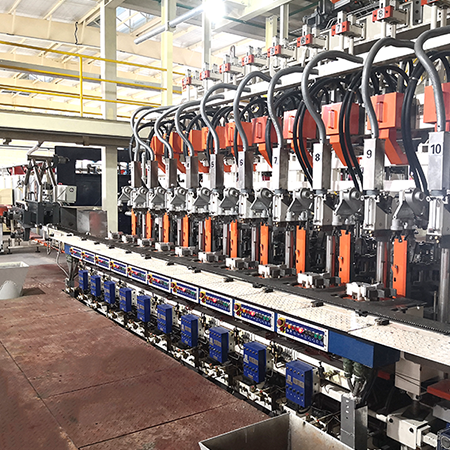
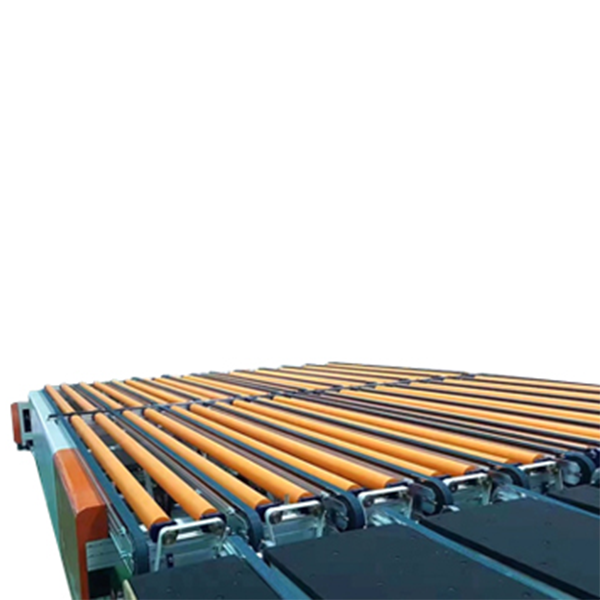
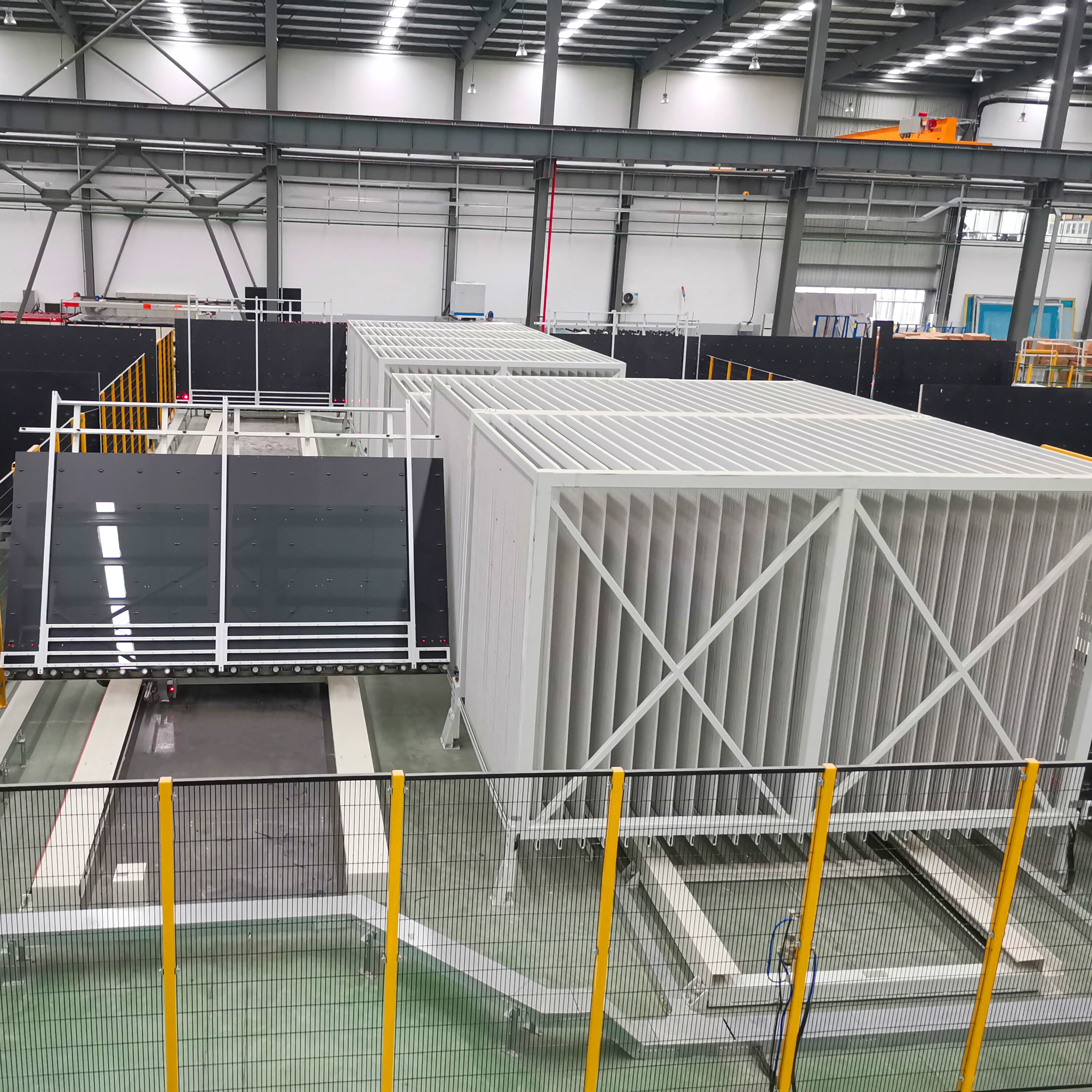
The glass sorting system made in China represents a significant advancement in automated material recovery and recycling technology. These sophisticated systems are designed to efficiently separate and categorize different types of glass materials based on color, composition, and quality standards. Manufacturing facilities across China have developed these systems using cutting-edge optical recognition technology, advanced sensor arrays, and intelligent software algorithms that work together to deliver precise sorting results. The primary function of a glass sorting system made in China is to process mixed glass waste streams and separate them into distinct categories such as clear, green, brown, and amber glass. This automated process eliminates the need for manual sorting, dramatically increasing throughput while reducing labor costs and human error. The technological features incorporated into these systems include high-resolution cameras that capture detailed images of glass fragments as they move along conveyor belts at high speeds. Advanced color sensors detect even subtle variations in glass tints, while near-infrared spectroscopy identifies different glass compositions. The glass sorting system made in China typically processes materials at rates ranging from 5 to 20 tons per hour, depending on the specific model and configuration. Applications for these systems span multiple industries, including municipal recycling facilities, glass manufacturing plants, waste management centers, and specialized recycling operations. They handle post-consumer glass from bottles, jars, windows, and automotive glass. The system architecture usually consists of feeding mechanisms, conveyor systems, optical scanning stations, air jet ejectors or mechanical diverters, and collection bins for sorted materials. Chinese manufacturers have optimized these systems for both domestic and international markets, ensuring compatibility with various waste streams and regional recycling requirements. The glass sorting system made in China continues to evolve with improvements in artificial intelligence and machine learning capabilities, enabling even more accurate identification and separation of glass materials while adapting to changing input conditions and contamination levels.

New Product Recommendations

Investing in a glass sorting system made in China delivers multiple practical benefits that directly impact your bottom line and operational efficiency. First and foremost, these systems offer exceptional value for money, with Chinese manufacturers providing competitive pricing without compromising on quality or performance. The cost savings begin immediately, as automated sorting reduces labor expenses by up to 70 percent compared to manual sorting operations. Your facility can operate with fewer workers while processing significantly larger volumes of glass materials. The glass sorting system made in China also delivers superior sorting accuracy, typically achieving purity levels exceeding 95 percent, which means the sorted glass meets stringent quality standards required by glass manufacturers and commands higher market prices. This improved material quality translates directly into increased revenue from your recycling operations. Energy efficiency stands as another major advantage, as modern Chinese-manufactured systems consume minimal power while maintaining high throughput rates. Most models operate on standard electrical supplies and incorporate energy-saving features that reduce operational costs over time. The durability and reliability of these systems ensure minimal downtime, with robust construction using high-grade materials that withstand the harsh conditions of recycling facilities. Chinese manufacturers provide comprehensive technical support, including installation assistance, operator training, and ongoing maintenance services. Spare parts remain readily available and affordable, ensuring quick repairs when needed. The glass sorting system made in China adapts easily to different operational requirements, with adjustable settings that accommodate various glass types, sizes, and contamination levels. This flexibility means you can process diverse waste streams without investing in multiple specialized machines. The compact footprint of many Chinese models allows installation in facilities with limited space, maximizing your use of existing infrastructure. Environmental benefits also matter to modern businesses, and these systems help reduce landfill waste while supporting circular economy initiatives. By efficiently recovering glass materials, your operation contributes to resource conservation and reduces the environmental impact of glass production. The quick return on investment typically occurs within 18 to 36 months, making the glass sorting system made in China a financially sound decision. Automated data collection and reporting features provide valuable insights into operational performance, helping you optimize processes and demonstrate compliance with environmental regulations. The user-friendly interfaces require minimal training, allowing operators to quickly master system controls and troubleshooting procedures.

Tips And Tricks

What Types of Coatings Are Applied in a Glass Coating Line?

24

Sep

What Types of Coatings Are Applied in a Glass Coating Line?

Understanding Modern Glass Coating Technologies Glass coating technology has revolutionized the way we enhance and protect glass surfaces across various industries. From architectural applications to automotive windshields, the glass coating line pro...
View More
How Does a Glass Sorting System Integrate with Other Glass Lines?

24

Sep

How Does a Glass Sorting System Integrate with Other Glass Lines?

Seamless Integration of Modern Glass Sorting Technologies The integration of a glass sorting system into existing production lines represents a significant advancement in glass manufacturing and recycling operations. These sophisticated systems utili...
View More
How to Select the Right Hub Glass Furnace for Your Facility?

24

Nov

How to Select the Right Hub Glass Furnace for Your Facility?

Selecting the appropriate hub glass furnace for your manufacturing facility represents one of the most critical decisions that will impact your production efficiency, product quality, and long-term operational costs. A hub glass furnace serves as the...
View More
Why Is Automated Insulating Glass Production Increasing in Large Factories?

19

Dec

Why Is Automated Insulating Glass Production Increasing in Large Factories?

The construction and manufacturing industries are experiencing a significant shift toward automation, with automated insulating glass production leading this transformation in large-scale factories. This evolution represents more than just technologi...
View More

Get a Free Quote

Our representative will contact you soon.
Email
Name
Company Name
Message
0/1000

glass sorting system made in china

Advanced Optical Recognition Technology for Precise Glass Identification

Advanced Optical Recognition Technology for Precise Glass Identification

The glass sorting system made in China incorporates state-of-the-art optical recognition technology that sets new standards for accuracy and reliability in glass recycling operations. At the heart of this technology lies a sophisticated array of high-resolution cameras and specialized sensors that work in concert to analyze glass materials with remarkable precision. These cameras capture multiple images of each glass fragment as it travels along the conveyor belt, generating detailed visual data that the system processes in milliseconds. The optical system employs multiple wavelengths of light, including visible spectrum and near-infrared radiation, to penetrate glass surfaces and reveal compositional characteristics invisible to the human eye. This multi-spectral approach enables the glass sorting system made in China to distinguish between glass types that appear identical in color but possess different chemical compositions or thermal properties. The recognition algorithms have been trained on millions of glass samples, allowing the system to identify subtle variations in color saturation, transparency, and surface characteristics. Chinese engineers have optimized these algorithms specifically for real-world recycling conditions where glass arrives contaminated with labels, adhesives, and other materials. The system automatically compensates for dust, moisture, and varying lighting conditions that would compromise less sophisticated sorting equipment. Processing speeds reach impressive levels, with some systems analyzing and sorting up to 200 individual glass pieces per second while maintaining accuracy rates above 95 percent. The glass sorting system made in China also features adaptive learning capabilities, where the recognition system continuously improves its performance by analyzing sorting results and adjusting parameters accordingly. This self-optimizing feature ensures consistent performance even as input material characteristics change over time. The optical stations are strategically positioned along the conveyor path to capture multiple viewing angles, eliminating blind spots and ensuring comprehensive analysis of each glass fragment. Operators can easily adjust sensitivity settings through intuitive touchscreen interfaces, fine-tuning the system for specific glass types or quality requirements. The durability of optical components has been enhanced through protective housings that shield cameras and sensors from dust and impact damage common in recycling environments. Regular calibration procedures maintain optimal performance, with many systems featuring automatic calibration routines that require minimal operator intervention.
High-Speed Pneumatic Separation with Minimal Contamination

High-Speed Pneumatic Separation with Minimal Contamination

The separation mechanism employed by the glass sorting system made in China represents a breakthrough in efficiency and cleanliness for recycling operations. Unlike mechanical sorting methods that physically contact materials and risk contamination or breakage, these systems utilize precisely controlled air jets that redirect glass pieces into designated collection areas based on their identified characteristics. The pneumatic separation system consists of dozens or even hundreds of individual air nozzles arranged along the conveyor path, each capable of firing rapid bursts of compressed air with pinpoint accuracy. When the optical recognition system identifies a specific type of glass, it instantly triggers the corresponding air nozzle to deflect that piece into the appropriate sorting bin. The response time between detection and ejection measures in milliseconds, enabling the glass sorting system made in China to handle high-speed material flows without bottlenecks or jams. Chinese manufacturers have engineered these pneumatic systems for exceptional reliability, using industrial-grade valves and nozzles designed for millions of actuation cycles without failure. The air pressure remains adjustable to accommodate different glass weights and sizes, from fine fragments to large bottle bases, ensuring effective separation across the entire size spectrum. Energy consumption stays remarkably low despite the high-speed operation, as the system only activates nozzles when needed rather than maintaining continuous air flow. The glass sorting system made in China incorporates advanced air management systems that recover and recycle compressed air, further reducing operational costs. Noise levels remain within acceptable workplace standards through acoustic dampening and efficient nozzle design that minimizes turbulence. The non-contact nature of pneumatic separation prevents cross-contamination between different glass types, maintaining the purity essential for high-value recycling markets. Maintenance requirements stay minimal, with easily accessible air filters and quick-change nozzle assemblies that allow rapid servicing without extended downtime. The system monitors air pressure continuously, alerting operators to any performance degradation before sorting accuracy suffers. Multiple separation stages can be configured in series, allowing for increasingly refined sorting that produces multiple output grades from a single input stream. The glass sorting system made in China also handles mixed materials effectively, using pneumatic separation to remove non-glass contaminants before color sorting begins. This pre-sorting capability significantly improves overall system performance and extends the life of downstream processing equipment by reducing wear from hard contaminants like stones or ceramics.
Modular Design with Scalable Configuration Options

Modular Design with Scalable Configuration Options

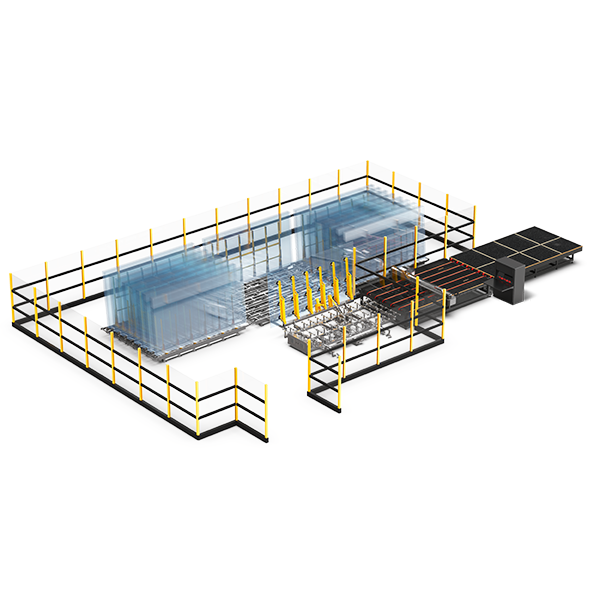
The modular architecture of the glass sorting system made in China provides unprecedented flexibility for recycling facilities of all sizes and operational requirements. Rather than offering a one-size-fits-all solution, Chinese manufacturers have developed component-based systems that can be configured and reconfigured to meet specific processing needs and adapt to changing business conditions. The basic modules include feeding systems, conveyor sections, optical scanning stations, separation units, and collection bins, each designed as independent units that connect seamlessly to create complete sorting lines. This modularity allows facilities to start with a basic configuration and expand capacity by adding modules as processing volumes increase or new sorting requirements emerge. The glass sorting system made in China can be customized to sort anywhere from two to eight different glass categories, depending on the number of optical stations and separation units installed. Conveyor lengths vary from compact 3-meter systems suitable for small operations to extensive 20-meter installations capable of handling municipal-scale recycling volumes. Each module maintains standardized connection points and communication protocols, ensuring compatibility across the entire product line and enabling mix-and-match configurations tailored to specific applications. Installation becomes straightforward with pre-wired modules that require only basic connections to power supplies and compressed air systems. The glass sorting system made in China arrives with comprehensive documentation and Chinese manufacturers typically provide on-site installation support to ensure proper setup and commissioning. Facilities with limited floor space benefit from vertical stacking options where sorting stages are arranged in compact configurations that maximize throughput while minimizing footprint. The modular design also simplifies maintenance and upgrades, as individual modules can be serviced or replaced without shutting down the entire system. When technology advances bring improved optical sensors or faster processing capabilities, operators can upgrade specific modules rather than replacing the complete system. This approach protects your initial investment while keeping your glass sorting system made in China at the forefront of recycling technology. Transportation costs remain reasonable as modules ship in standard containers, and the knock-down design reduces shipping volumes compared to fully assembled systems. Multiple systems can be deployed in parallel for redundancy, ensuring continuous operation even during maintenance periods or equipment failures. The control systems integrate all modules into unified operation, with centralized monitoring that displays real-time performance metrics for each component. Operators manage the entire glass sorting system made in China from a single workstation, adjusting parameters and troubleshooting issues through intuitive software interfaces. Remote diagnostics capabilities allow manufacturers to provide technical support without on-site visits, reducing downtime and support costs for international customers. The scalability extends to processing capacity, with variable-speed conveyors and adjustable throughput settings that match actual material volumes, avoiding unnecessary wear during periods of lower input. This intelligent design ensures the glass sorting system made in China delivers optimal performance throughout its operational life while adapting to evolving business needs.