Glass Cutting Line Solutions: Advanced Precision Automation for Glass Manufacturing

All Categories

Get a Free Quote

Our representative will contact you soon.
Email
Name
Company Name
Message
0/1000

glass cutting line

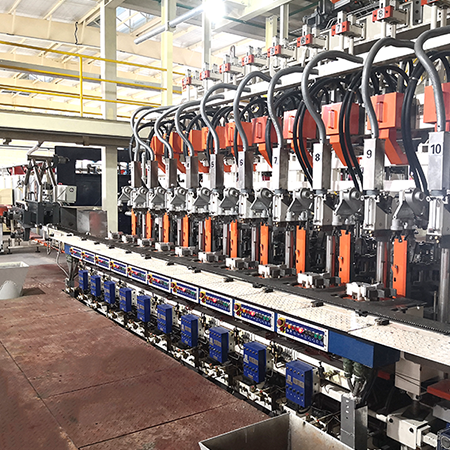
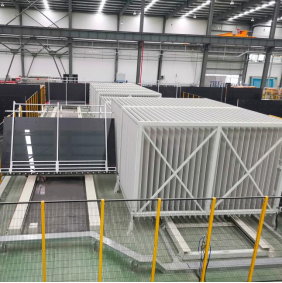
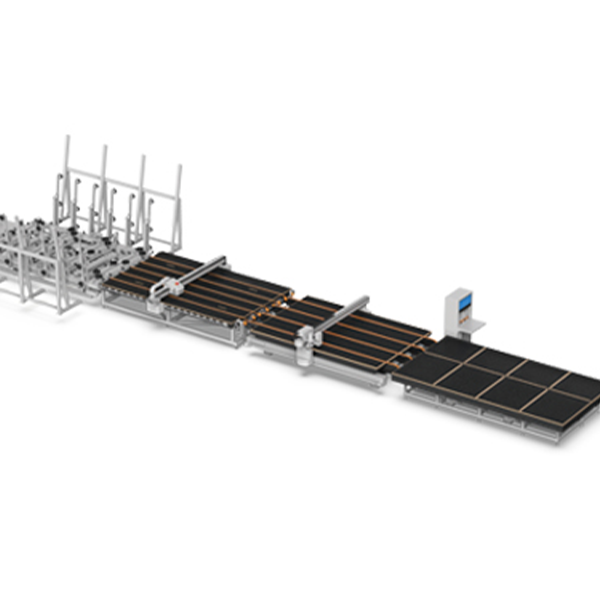
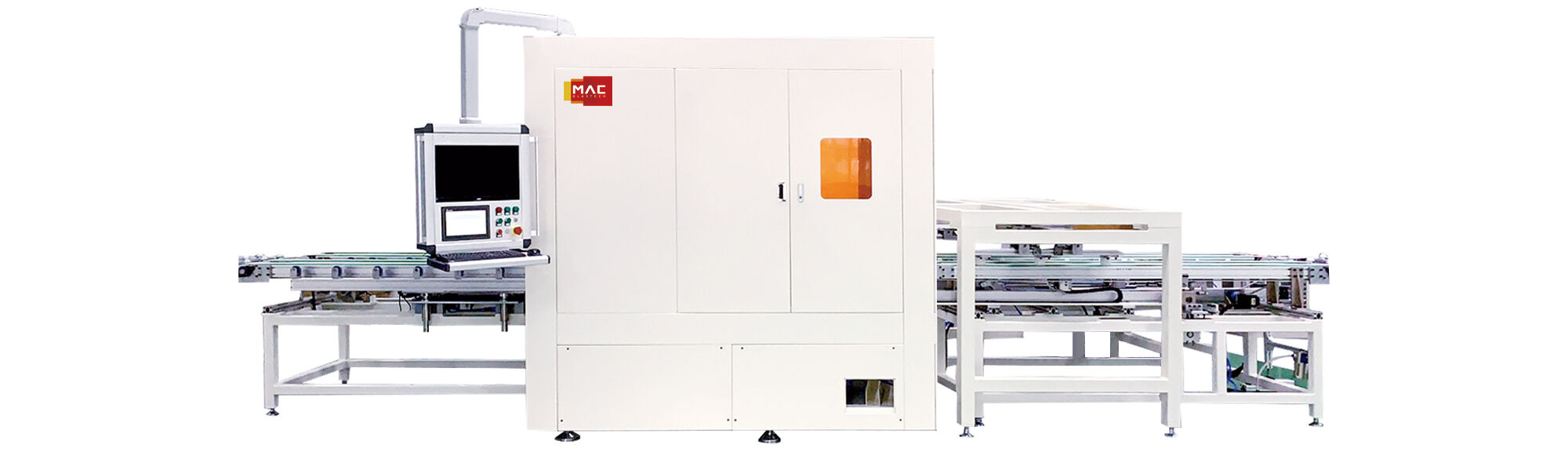
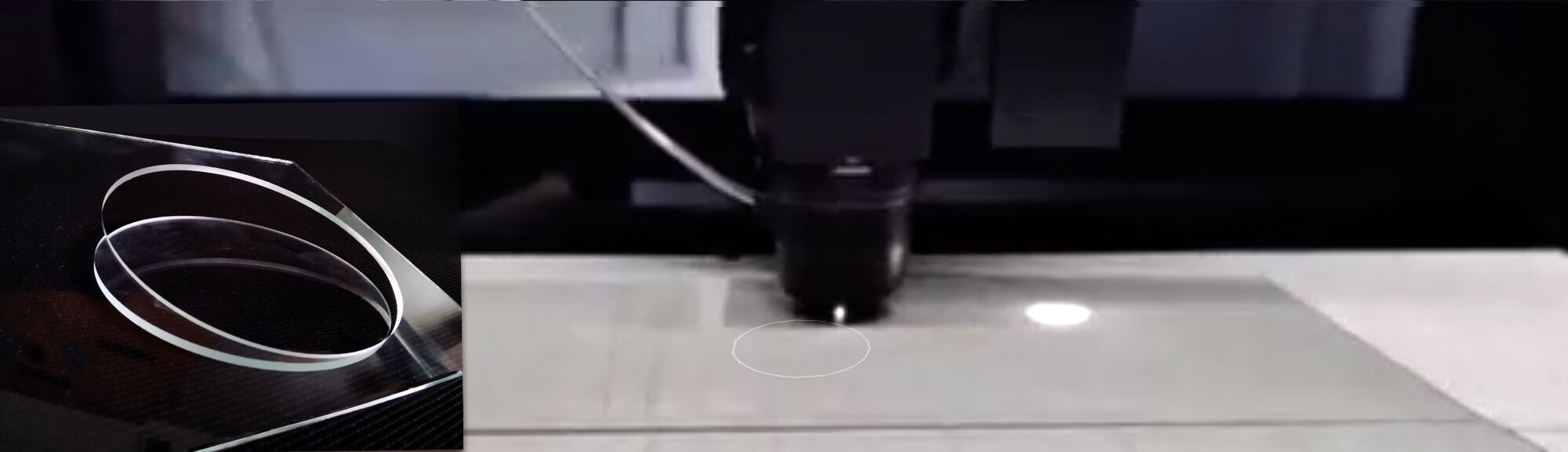
A glass cutting line represents a sophisticated manufacturing solution designed to automate the precision cutting of glass sheets for various industrial applications. This integrated production system combines advanced technology with mechanical precision to transform raw glass materials into custom-sized panels with exceptional accuracy and efficiency. Modern glass cutting lines incorporate computer numerical control systems, automated material handling equipment, and specialized cutting tools that work together seamlessly to process large volumes of glass with minimal manual intervention. The primary function of a glass cutting line involves receiving large glass sheets, measuring and marking them according to predetermined specifications, executing precise cutting operations, and separating the individual pieces for further processing or packaging. These production systems typically feature automatic loading mechanisms that safely transport heavy glass sheets from storage racks onto the cutting table, eliminating the need for manual handling and reducing the risk of workplace injuries. The cutting process itself utilizes diamond-tipped cutting wheels or laser technology, depending on the specific configuration and requirements of the application. Advanced optical recognition systems and digital measuring devices ensure that each cut maintains tolerances within fractions of a millimeter, guaranteeing consistent quality across entire production runs. The technological sophistication of contemporary glass cutting lines extends beyond simple cutting operations to include functions such as automatic shape optimization, which calculates the most efficient arrangement of cuts to minimize waste material, and integrated quality control systems that inspect each finished piece for defects. These systems find applications across numerous industries, including architectural glazing, automotive manufacturing, furniture production, solar panel fabrication, and electronics assembly. In architectural applications, glass cutting lines produce windows, doors, curtain walls, and decorative panels with the precision required for modern building designs. Automotive manufacturers rely on these systems to create windshields, side windows, and sunroofs that meet strict safety and performance standards. The furniture industry utilizes glass cutting lines to fabricate tabletops, cabinet doors, and shelving components, while solar panel manufacturers depend on them to produce the protective covers that shield photovoltaic cells from environmental damage.

Popular Products

Investing in a glass cutting line delivers substantial operational benefits that directly impact your bottom line and competitive position in the marketplace. The most immediate advantage comes from dramatically increased production speed compared to manual cutting methods. While traditional hand-cutting operations might process twenty to thirty glass sheets per hour depending on complexity, an automated glass cutting line can handle hundreds of pieces in the same timeframe, multiplying your output capacity without proportionally increasing labor costs. This acceleration in production velocity enables manufacturers to fulfill larger orders, reduce lead times, and respond more quickly to customer demands, creating opportunities to capture market share and grow revenue. Beyond raw speed, glass cutting lines deliver remarkable consistency that manual operations simply cannot match. Every piece emerges with identical dimensions and edge quality, eliminating the variations that occur when different workers perform the same task or when fatigue affects human precision during long production shifts. This consistency translates into fewer rejected parts, reduced rework expenses, and enhanced customer satisfaction as clients receive products that meet specifications without deviation. The financial impact of reduced material waste represents another compelling advantage. Advanced optimization software analyzes each order and calculates cutting patterns that maximize the number of finished pieces obtained from each raw glass sheet. By intelligently arranging cuts and minimizing unusable remnants, these systems typically reduce waste by fifteen to thirty percent compared to conventional cutting approaches. Over the course of a year, this efficiency improvement can save manufacturers substantial amounts on raw material purchases, directly improving profit margins. Safety improvements constitute an often-overlooked but critically important benefit. Glass cutting involves sharp edges, heavy materials, and repetitive motions that pose risks to workers. Automating these operations removes personnel from direct contact with hazards, reducing workplace injuries, associated medical costs, and potential liability claims. Workers transition from physically demanding cutting tasks to equipment operation and supervision roles that require less physical strain and present fewer injury risks. The flexibility of modern glass cutting lines allows manufacturers to handle diverse product specifications without extensive setup changes. Programming new cutting patterns typically requires only digital input rather than physical adjustments to machinery, enabling quick transitions between different customer orders. This adaptability proves especially valuable in custom fabrication environments where order specifications change frequently. Equipment operators need minimal training to manage these transitions, maintaining productivity levels even when processing varied product mixes. Long-term operational costs decrease as automation reduces dependence on skilled manual cutters, who command premium wages and may be difficult to recruit in tight labor markets. While glass cutting lines require initial capital investment, the reduction in ongoing labor expenses, combined with increased output and decreased waste, typically generates positive return on investment within two to three years. Maintenance requirements remain manageable with regular servicing, and modern systems feature diagnostic capabilities that alert operators to potential issues before they cause production disruptions, minimizing unexpected downtime that could delay customer orders.

Practical Tips

How to Select the Right Hub Glass Furnace for Your Facility?

24

Nov

How to Select the Right Hub Glass Furnace for Your Facility?

Selecting the appropriate hub glass furnace for your manufacturing facility represents one of the most critical decisions that will impact your production efficiency, product quality, and long-term operational costs. A hub glass furnace serves as the...
View More
How to Optimize Production Settings in a Hub Glass Furnace?

24

Nov

How to Optimize Production Settings in a Hub Glass Furnace?

Glass manufacturing represents one of the most energy-intensive industrial processes, requiring precise control of temperature, atmosphere, and raw material flow to achieve optimal production efficiency. Modern hub glass furnace systems have evolved ...
View More
Why Are CNC Grinding Machines Preferred in Modern Production Lines?

19

Dec

Why Are CNC Grinding Machines Preferred in Modern Production Lines?

Modern manufacturing has undergone a revolutionary transformation with the integration of advanced grinding technologies. Among these innovations, specialized grinding equipment has become indispensable for achieving precision results in various indu...
View More
How Can Grinding Machines Enhance Surface Finish and Dimensional Accuracy?

19

Dec

How Can Grinding Machines Enhance Surface Finish and Dimensional Accuracy?

Manufacturing precision has reached unprecedented levels in modern industrial applications, where surface finish quality and dimensional accuracy determine product performance and market competitiveness. Advanced grinding machines represent the corne...
View More

Get a Free Quote

Our representative will contact you soon.
Email
Name
Company Name
Message
0/1000

glass cutting line

Precision Engineering That Guarantees Perfect Results Every Time

Precision Engineering That Guarantees Perfect Results Every Time

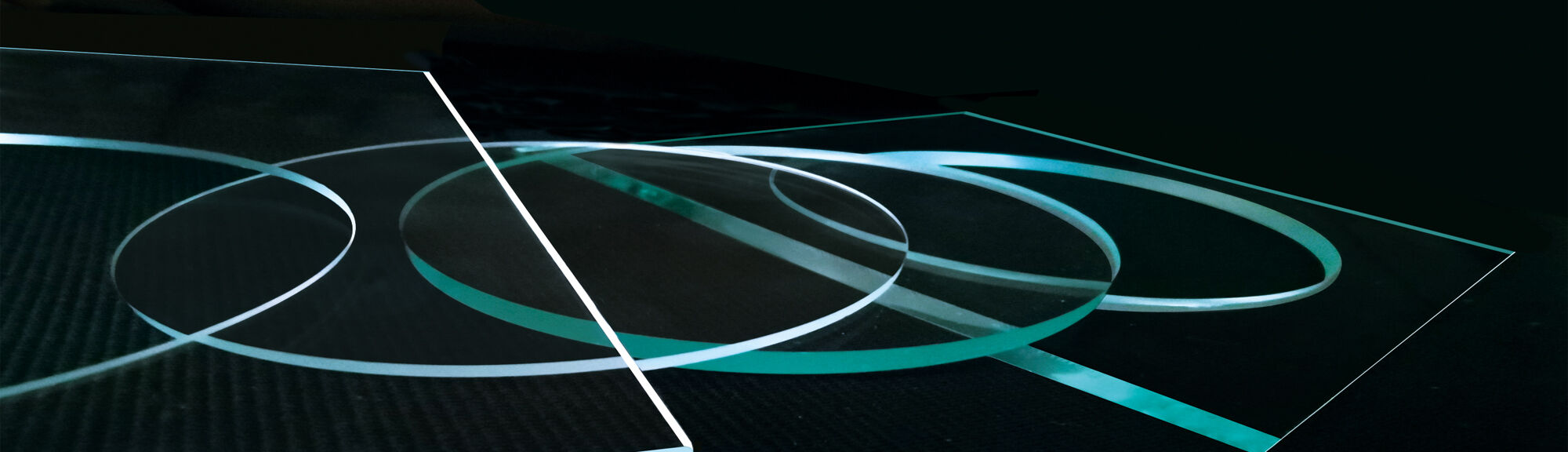
The precision capabilities of a glass cutting line represent perhaps its most valuable attribute, delivering dimensional accuracy that exceeds what even the most skilled manual craftsmen can achieve consistently. At the heart of this precision lies computer numerical control technology that governs every movement with mathematical exactness. When you program a glass cutting line to produce a panel measuring 1200 millimeters by 800 millimeters, the system executes that instruction with tolerances typically within plus or minus 0.2 millimeters, ensuring that finished pieces fit perfectly into their intended applications without gaps, overlaps, or alignment problems. This level of accuracy proves essential in applications where glass components must integrate with other building materials or mechanical assemblies. In curtain wall construction, for example, glass panels must align precisely with aluminum framing systems, and even minor dimensional variations can create installation difficulties, air leakage, or aesthetic imperfections. The consistent precision of a glass cutting line eliminates these concerns, enabling smooth installation processes and reducing callbacks for corrections. The precision extends beyond simple rectangular cuts to include complex shapes, angles, and curves when the glass cutting line incorporates advanced features. Automotive windshields require compound curves and precise edge profiles to match vehicle body contours and accommodate mounting hardware. Architectural applications increasingly demand custom shapes including circles, ovals, and irregular geometric forms that create distinctive visual effects. Modern glass cutting lines execute these complex cuts with the same reliability as simple straight lines, opening creative possibilities for designers while maintaining the manufacturing consistency that production managers require. The optical recognition systems integrated into contemporary glass cutting lines contribute significantly to this precision advantage. High-resolution cameras and sensors continuously monitor glass position on the cutting table, automatically compensating for any slight misalignment that might occur during loading. If a glass sheet sits at a fractional angle relative to the cutting path, the system detects this variation and adjusts the cutting pattern accordingly, ensuring that the finished pieces maintain correct dimensions regardless of initial positioning. This intelligent compensation eliminates a common source of errors in manual cutting operations where operators might not notice slight misalignment until after completing cuts. Quality control functions built into the glass cutting line provide additional assurance that precision standards remain consistent throughout production runs. Integrated measurement systems verify dimensions of finished pieces, comparing actual results against programmed specifications and flagging any deviations that exceed acceptable tolerances. This real-time quality monitoring enables immediate corrective action if any system parameters drift out of specification, preventing the production of multiple defective pieces before the problem gets discovered. Manufacturers can confidently commit to tight tolerances when quoting customer projects, knowing their glass cutting line will deliver consistent results that meet demanding specifications without requiring secondary operations or manual adjustments.
Maximum Material Efficiency Through Intelligent Optimization

Maximum Material Efficiency Through Intelligent Optimization

Material costs represent a substantial portion of total expenses in glass manufacturing operations, making the waste-reduction capabilities of a glass cutting line a powerful competitive advantage. The optimization software integrated into these systems approaches each production order as a mathematical puzzle, calculating how to arrange required pieces on available raw glass sheets to achieve maximum yield and minimum waste. This computational approach consistently outperforms manual planning methods, identifying cutting patterns that human planners might overlook while processing the calculations in seconds rather than minutes. The financial impact of this optimization becomes apparent when examining typical performance metrics. In traditional manual operations where workers plan cuts based on experience and intuition, waste rates commonly range from twenty to thirty-five percent of raw material input. A glass cutting line equipped with advanced optimization software typically reduces waste to between ten and eighteen percent, representing a substantial improvement that directly affects profitability. For a manufacturer processing ten thousand square meters of glass monthly, reducing waste from thirty percent to fifteen percent saves fifteen hundred square meters of material each month. At typical commercial glass prices, this efficiency gain translates into savings of thousands of dollars monthly, tens of thousands annually, accumulating to impressive cost reductions over the operational life of the equipment. The optimization process considers multiple variables simultaneously to identify the most efficient cutting arrangement. The software accounts for the dimensions of all pieces in the current order, the sizes of available raw glass sheets, minimum spacing requirements between cuts to maintain structural integrity, and unusable areas around sheet edges. Advanced systems also factor in the sequence of cutting operations, recognizing that certain cutting patterns enable more efficient material handling and reduce the number of separate cutting passes required. Some optimization algorithms incorporate inventory data, suggesting the use of partial sheets or remnants from previous jobs when appropriate, further minimizing waste and reducing raw material carrying costs. Beyond immediate waste reduction, the nesting efficiency of a glass cutting line enables manufacturers to accept orders that might be unprofitable using manual methods. Custom projects involving numerous small pieces or irregular shapes traditionally generate high waste percentages that force manufacturers to charge premium prices or decline the work entirely. The superior optimization capabilities of automated cutting systems make these challenging projects economically viable by extracting maximum value from raw materials. This expanded capacity to handle complex custom work opens new market opportunities and revenue streams that differentiate your business from competitors still relying on conventional cutting approaches. Environmental benefits accompany the financial advantages of reduced waste. Glass manufacturing consumes significant energy in melting and forming processes, and every kilogram of waste represents embodied energy that provided no useful output. By minimizing waste, glass cutting lines reduce the total environmental footprint of your manufacturing operations, supporting sustainability initiatives and potentially qualifying your facility for environmental certifications that appeal to environmentally conscious customers. Some jurisdictions offer tax incentives or regulatory advantages to manufacturers demonstrating measurable waste reduction, creating additional financial benefits beyond direct material savings. The optimization continues delivering value as your product mix evolves over time, automatically adapting to new specifications without requiring manual replanning or process adjustments that consume engineering time and risk introducing errors.
Operational Simplicity That Maximizes Productivity While Minimizing Training Requirements

Operational Simplicity That Maximizes Productivity While Minimizing Training Requirements

Despite their technological sophistication, modern glass cutting lines feature user interfaces and operational workflows designed for simplicity, enabling manufacturers to maximize productivity without requiring extensive specialized training or maintaining large teams of technical experts. The evolution of control systems has transformed these machines from complex industrial equipment requiring expert operators into accessible production tools that workers with basic computer skills can learn to operate proficiently within days rather than months. This operational accessibility delivers multiple strategic advantages for manufacturers competing in dynamic markets where workforce flexibility and rapid response capabilities determine success. The intuitive touchscreen interfaces found on contemporary glass cutting lines resemble familiar smartphone and tablet experiences, presenting information graphically rather than requiring operators to interpret technical codes or numerical parameters. When setting up a new cutting job, operators simply select the desired glass type from a visual menu, input the required dimensions using clearly labeled fields, and specify the quantity needed. The system then handles all the complex calculations regarding cutting speed, tool pressure, optimization algorithms, and equipment movements without requiring operator intervention or specialized knowledge. This simplicity dramatically reduces the learning curve compared to older equipment generations that required operators to understand mechanical relationships and manually configure numerous technical parameters. Error prevention features built into the control software further enhance operational simplicity by guiding users through correct procedures and preventing common mistakes before they affect production. If an operator attempts to program a cutting pattern that exceeds the physical dimensions of the cutting table or specifies a glass thickness incompatible with the installed cutting tools, the system immediately displays clear warning messages and prevents execution of the problematic instructions. This protective approach eliminates a major category of errors that occur with manual operations where mistakes might not become apparent until after cutting commences, potentially ruining expensive glass sheets and causing production delays. Automated material handling components integrated into complete glass cutting lines extend the simplicity advantage beyond the cutting process itself. Loading systems equipped with vacuum lifters safely transport heavy glass sheets from storage racks to the cutting table without requiring manual lifting or precise positioning by operators. After cutting completes, automatic breaking systems separate individual pieces along score lines, and robotic arms or conveyor systems transfer finished pieces to sorting or packaging stations. These automated handling features eliminate physically demanding tasks while maintaining process flow, enabling a single operator to supervise multiple production stages simultaneously rather than requiring dedicated personnel at each workstation. The operational simplicity proves especially valuable during periods of workforce transition when experienced employees retire or move to other positions. Traditional manual cutting operations face significant productivity disruptions during these transitions because developing proficient manual cutting skills requires months of practice and mentorship from experienced workers. The intuitive operation of a glass cutting line enables new employees to contribute productively within their first week on the job, minimizing the impact of workforce changes on production schedules and customer commitments. This rapid onboarding capability provides strategic flexibility, allowing manufacturers to adjust staffing levels in response to order volume fluctuations without experiencing the productivity delays associated with training new manual cutters. Maintenance procedures have similarly evolved toward simplicity in modern glass cutting lines. Routine servicing tasks such as cutting wheel replacement, lubrication, and cleaning follow clearly documented procedures with visual guides, enabling maintenance personnel to complete these tasks quickly without specialized training. Diagnostic systems continuously monitor equipment performance and alert operators to maintenance needs before they escalate into production-disrupting failures, shifting maintenance from reactive crisis response to planned preventive activities that minimize downtime impact.