Float Glass Furnace Technology: Superior Quality, Efficiency & Production Flexibility

All Categories

Get a Free Quote

Our representative will contact you soon.
Email
Name
Company Name
Message
0/1000

float glass furnace

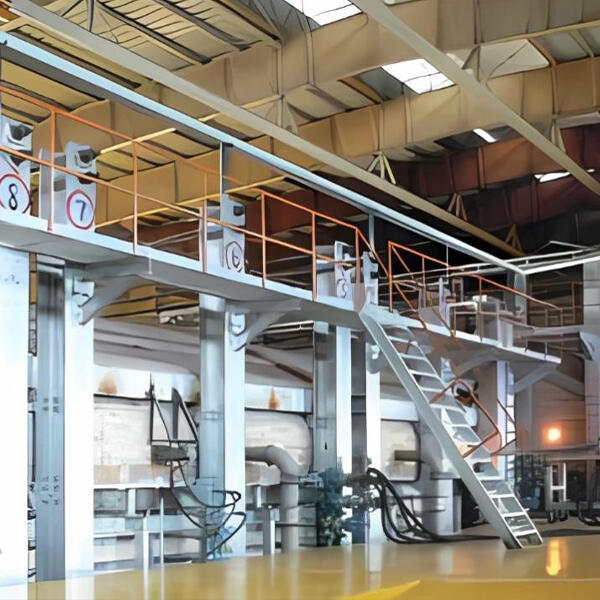
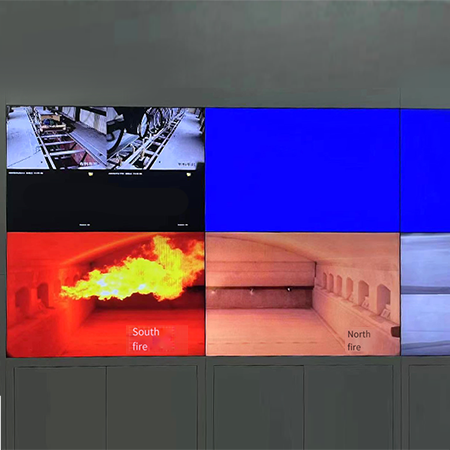
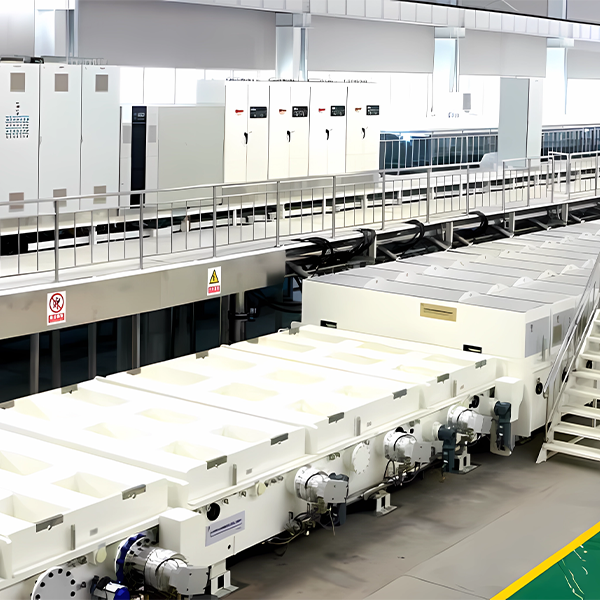
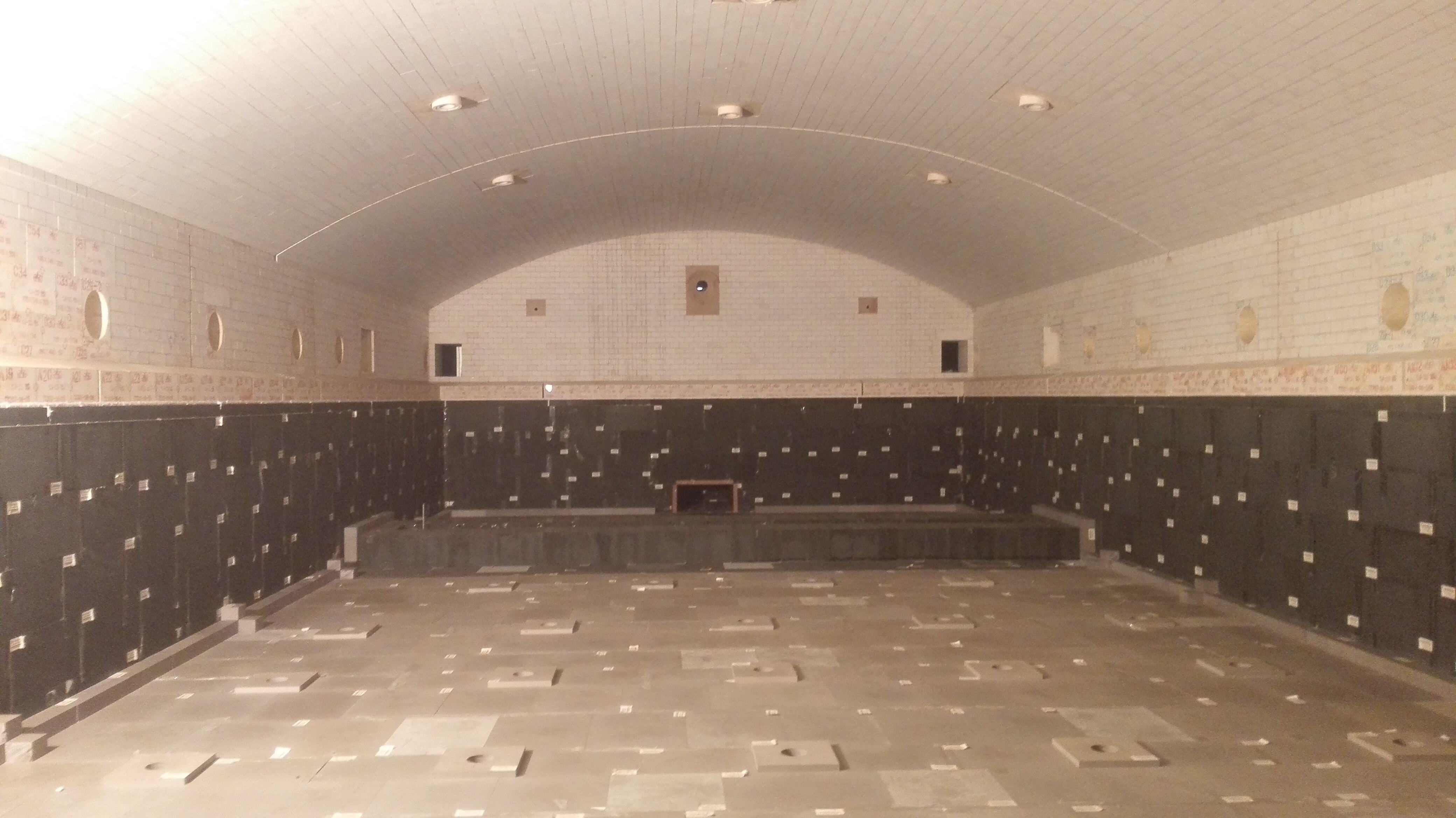
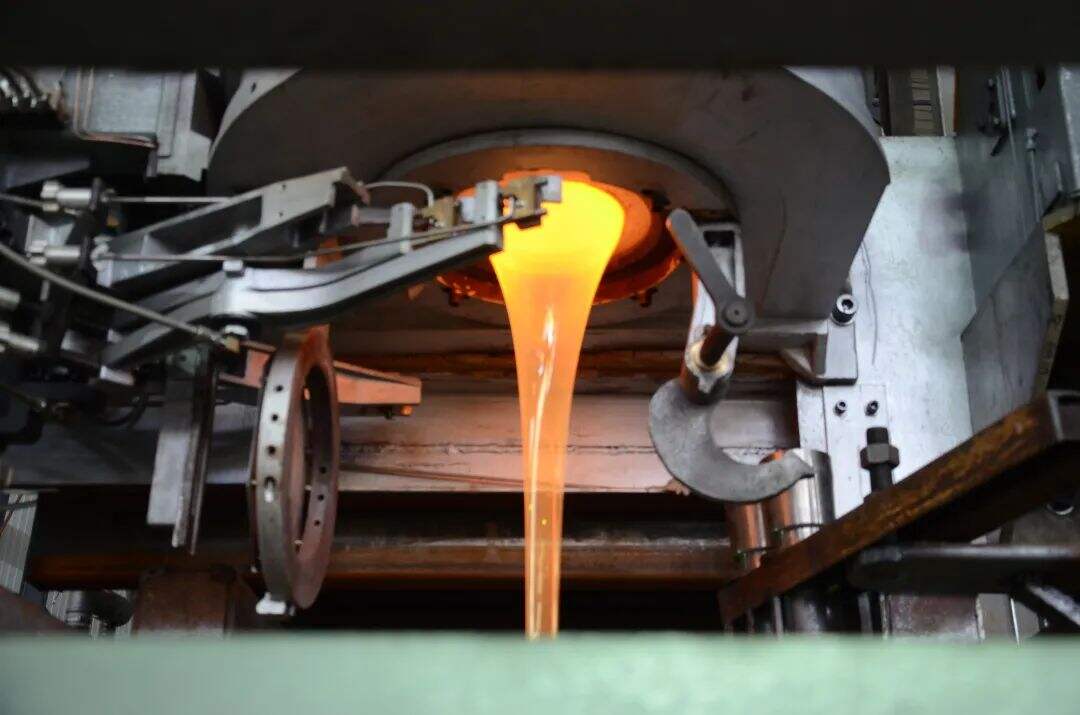
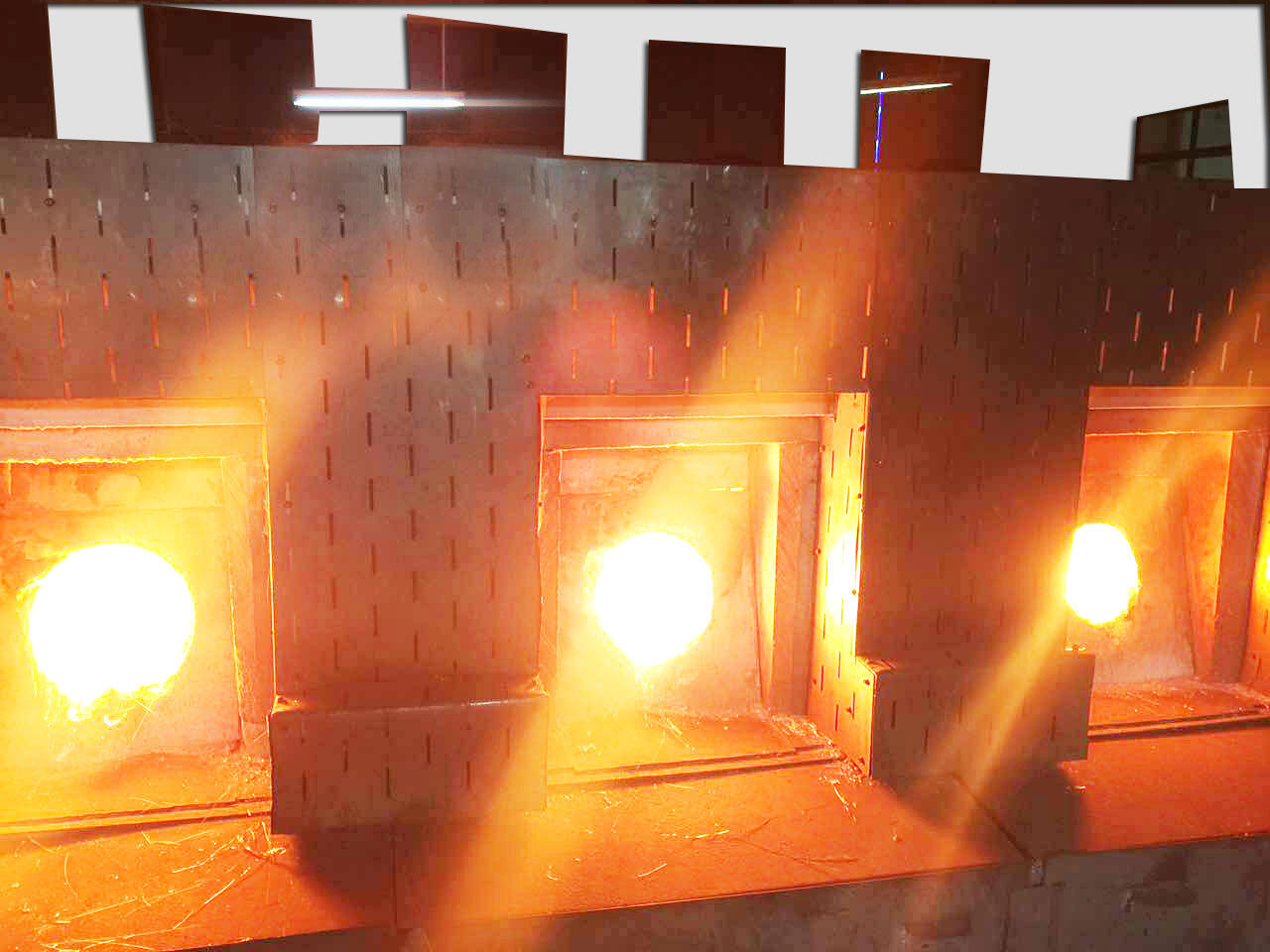
A float glass furnace represents a cornerstone technology in modern glass manufacturing, serving as the primary equipment for producing high-quality flat glass used in construction, automotive, and various industrial applications. This sophisticated production system operates by melting raw materials at extremely high temperatures and then floating the molten glass on a bath of molten tin to create perfectly flat, uniform sheets. The float glass furnace consists of several integrated components including the melting chamber, refining zone, working end, and the float bath itself, each playing a crucial role in transforming raw silica sand, soda ash, limestone, and other additives into crystal-clear glass panels. The main functions of a float glass furnace encompass batch melting, homogenization, thermal conditioning, and continuous ribbon formation. Throughout the melting process, temperatures can reach up to 1600 degrees Celsius, ensuring complete fusion of all raw materials into a homogeneous liquid state. The technological features of modern float glass furnaces include advanced temperature control systems, energy recovery mechanisms, automated monitoring equipment, and pollution control devices that meet stringent environmental standards. These furnaces operate continuously for years without interruption, with campaigns typically lasting between 10 to 15 years before requiring major rebuilds. The applications of glass produced by float glass furnaces are remarkably diverse, spanning architectural glazing for residential and commercial buildings, automotive windshields and windows, solar panel covers, mirror substrates, furniture components, and specialized industrial glass products. The float process revolutionized the glass industry when it was invented in the 1950s, replacing older methods that produced glass with surface imperfections and thickness variations. Today, approximately 90 percent of all flat glass worldwide is manufactured using the float glass furnace technology, demonstrating its unmatched efficiency and product quality capabilities in meeting global demand for transparent, distortion-free glass surfaces.

New Product Recommendations

The float glass furnace offers numerous practical benefits that directly impact production efficiency, product quality, and overall business profitability for glass manufacturers. First and foremost, this technology produces glass with exceptional optical clarity and surface flatness that cannot be matched by alternative manufacturing methods. The perfectly smooth surfaces require no grinding or polishing, which dramatically reduces production costs and eliminates additional processing steps that other glass-making techniques necessitate. Manufacturers save considerable money on labor, equipment, and time by using float glass furnaces that deliver finished products ready for immediate use or further processing. The continuous operation capability of these furnaces means production never stops, allowing businesses to maximize output and meet consistent market demand without interruption. This uninterrupted workflow translates to better inventory management, reliable delivery schedules, and stronger customer relationships built on dependable supply chains. Energy efficiency represents another significant advantage, as modern float glass furnaces incorporate heat recovery systems that capture and reuse thermal energy that would otherwise escape into the atmosphere. These recovery mechanisms reduce fuel consumption by substantial margins, lowering operational costs while simultaneously decreasing the carbon footprint of glass production facilities. The versatility of float glass furnaces allows manufacturers to produce various glass thicknesses ranging from ultra-thin 2-millimeter sheets to thick 25-millimeter panels, all on the same production line with minimal adjustments. This flexibility enables businesses to diversify their product offerings and respond quickly to changing market demands without investing in multiple specialized systems. Quality consistency stands as a hallmark advantage, with computerized controls monitoring and adjusting production parameters in real-time to maintain uniform thickness, color, and optical properties across millions of square meters of glass. Customers benefit from this consistency through reduced waste, fewer rejections, and predictable performance in their end applications. The economies of scale achievable with float glass furnaces make glass more affordable for consumers worldwide, supporting construction projects, vehicle manufacturing, and countless other industries that depend on reliable access to quality glass products. Maintenance requirements, while specialized, follow predictable schedules that allow for proper planning and budgeting, avoiding unexpected shutdowns that plague less refined manufacturing systems. The longevity of these furnaces, operating for 10 to 15 years between major rebuilds, provides excellent return on investment and allows manufacturers to amortize capital expenditures over extended periods while maintaining competitive pricing in the marketplace.

Practical Tips

What Are the Benefits of Using an Automated Glass Sorting System?

24

Sep

What Are the Benefits of Using an Automated Glass Sorting System?

Revolutionizing Glass Recycling Through Advanced Automation The glass recycling industry is undergoing a remarkable transformation with the integration of automated glass sorting systems. These sophisticated technologies are reshaping how recycling f...
View More
How Do Glass Drilling Machines Achieve Precision and Accuracy?

28

Oct

How Do Glass Drilling Machines Achieve Precision and Accuracy?

The Engineering Marvel Behind Modern Glass Drilling Technology Glass drilling machines represent the pinnacle of precision engineering in today's manufacturing landscape. These sophisticated pieces of equipment combine advanced technology with mechan...
View More
How Do Glass Drilling Machines Handle Different Glass Thicknesses Safely?

28

Oct

How Do Glass Drilling Machines Handle Different Glass Thicknesses Safely?

Understanding Modern Glass Drilling Technology and Safety Mechanisms The world of glass fabrication has evolved significantly with the introduction of advanced glass drilling machines that can handle various glass thicknesses with remarkable precisio...
View More
What Should Manufacturers Consider When Selecting Equipment for Insulating Glass Production?

19

Dec

What Should Manufacturers Consider When Selecting Equipment for Insulating Glass Production?

Modern insulating glass manufacturing demands precision, efficiency, and cutting-edge technology to meet the growing requirements of energy-efficient building construction. Selecting the right equipment for insulating glass production involves carefu...
View More

Get a Free Quote

Our representative will contact you soon.
Email
Name
Company Name
Message
0/1000

float glass furnace

Superior Product Quality Through Innovative Float Technology

Superior Product Quality Through Innovative Float Technology

The float glass furnace delivers unparalleled product quality that sets it apart from all other glass manufacturing methods available in the industry today. This superior quality stems from the fundamental physics of the float process itself, where molten glass flows onto a bath of molten tin under carefully controlled atmospheric conditions. The tin bath provides a perfectly flat, chemically stable surface that allows gravity and surface tension to work together in creating glass ribbons with naturally smooth surfaces on both sides. Unlike older methods that produced glass with waves, distortions, and surface irregularities requiring extensive post-processing, the float glass furnace creates products with optical quality so exceptional that they need no additional surface treatment before use. This inherent quality advantage translates directly into cost savings for customers who would otherwise need to invest in grinding, polishing, or other corrective processes. The thickness uniformity achieved by float glass furnaces is remarkable, with variations held to within fractions of a millimeter across the entire width and length of production ribbons that can extend for kilometers during continuous operation. This precision ensures that architectural glass panels fit perfectly into building facades, automotive glass meets stringent safety standards, and specialty applications receive exactly the specifications they require without compromise. The absence of surface defects such as seeds, bubbles, or inclusions is another quality hallmark of float glass furnace production, resulting from the extended refining period that allows dissolved gases to escape and impurities to float away before the glass enters the forming process. Modern quality control systems integrated into float glass furnaces use sophisticated optical sensors, laser measurement devices, and automated inspection equipment to monitor every square meter of production in real-time, immediately detecting and correcting any deviations from established quality parameters. This proactive quality management approach prevents defective glass from progressing through the production line, reducing waste and ensuring customers receive only premium-grade products that meet or exceed their expectations and industry standards for clarity, strength, and performance.
Exceptional Energy Efficiency and Environmental Performance

Exceptional Energy Efficiency and Environmental Performance

The float glass furnace represents a triumph of engineering efficiency that minimizes energy consumption while maximizing productive output, delivering substantial economic and environmental benefits to manufacturers and society at large. Modern installations incorporate multiple heat recovery systems that capture thermal energy from various points in the production process and redirect it to preheat incoming raw materials, combustion air, and other process streams that would otherwise require additional fuel input. These regenerative systems can recover up to 40 percent of the total energy input, dramatically reducing the fossil fuel requirements per ton of glass produced and lowering operational costs that directly impact product pricing and market competitiveness. The continuous operation model of float glass furnaces contributes significantly to energy efficiency by eliminating the thermal cycling losses that batch processes experience during startup and shutdown sequences. Maintaining stable operating temperatures around the clock means the massive thermal mass of the furnace structure, which can weigh thousands of tons, never cools down and requires reheating, avoiding the enormous energy penalty associated with bringing cold refractory materials back up to working temperature. Advanced combustion control systems optimize the fuel-to-air ratio with precision, ensuring complete combustion that extracts maximum heat energy from every unit of natural gas, fuel oil, or alternative fuel source while minimizing formation of nitrogen oxides, carbon monoxide, and other pollutants that older furnace designs generated in problematic quantities. Environmental performance extends beyond energy efficiency to encompass comprehensive emission control systems that treat exhaust gases before they enter the atmosphere, removing particulates, acid gases, and other contaminants that could otherwise impact air quality in surrounding communities. Many modern float glass furnaces achieve emission levels well below regulatory requirements, positioning manufacturers as responsible corporate citizens committed to environmental stewardship alongside profitable operations. The long campaign life of these furnaces also contributes to sustainability by reducing the frequency of rebuilds that generate construction waste, require new refractory materials extracted from natural resources, and create temporary disruptions to production efficiency. Water consumption in float glass furnaces is minimal compared to other industrial processes, with most installations operating in closed-loop cooling systems that recirculate water repeatedly rather than drawing continuously from municipal supplies or natural water sources.
Remarkable Production Flexibility and Market Adaptability

Remarkable Production Flexibility and Market Adaptability

The float glass furnace provides manufacturers with extraordinary production flexibility that enables rapid response to changing market conditions, customer requirements, and emerging applications without requiring substantial capital investment in new equipment or lengthy production changeovers. This adaptability begins with the ability to produce a wide range of glass thicknesses on the same production line, typically spanning from 2 millimeters for ultra-thin applications up to 25 millimeters for thick architectural or specialty uses, accomplished through adjustments to ribbon pulling speed, tin bath temperature profiles, and edge roller configurations that skilled operators can implement within hours rather than days or weeks. The width of production ribbons in modern float glass furnaces commonly reaches 3 to 3.6 meters, with some installations achieving even greater widths that allow cutting of large architectural panels, automotive windshields, and other products with minimal waste and optimal material utilization. Beyond thickness and width variations, float glass furnaces can produce different glass compositions by modifying the raw material batch formulation, creating products with specific optical properties, thermal performance characteristics, or chemical resistance profiles tailored to particular end uses such as solar energy applications, fire-resistant glazing, or electromagnetic shielding. The integration of online coating systems with float glass furnaces extends flexibility even further, allowing manufacturers to apply thin metallic or ceramic layers to the hot glass surface immediately after forming, creating low-emissivity coatings for energy-efficient windows, solar control coatings for architectural glass, or other functional surfaces that add value and expand market opportunities. Production planning flexibility enables manufacturers to allocate furnace output across multiple product categories, balancing production of standard architectural glass, automotive glass, and specialty products according to real-time market demand signals rather than being locked into rigid production schedules dictated by equipment limitations. The computerized control systems governing modern float glass furnaces store multiple production recipes that operators can recall and implement quickly, ensuring consistent product quality even when switching between different glass types, thicknesses, or coatings throughout the production week. This technological sophistication allows glass manufacturers to serve diverse customer bases ranging from large construction projects requiring hundreds of thousands of square meters of identical specifications to small specialty orders for unique applications, all produced efficiently on the same equipment platform without compromising quality or delivery timelines that determine competitive success in today's demanding marketplace.