Glass Cutting Machine Price Guide: Features, Benefits and Investment Value for 2024

All Categories

Get a Free Quote

Our representative will contact you soon.
Email
Name
Company Name
Message
0/1000

glass cutting machine price

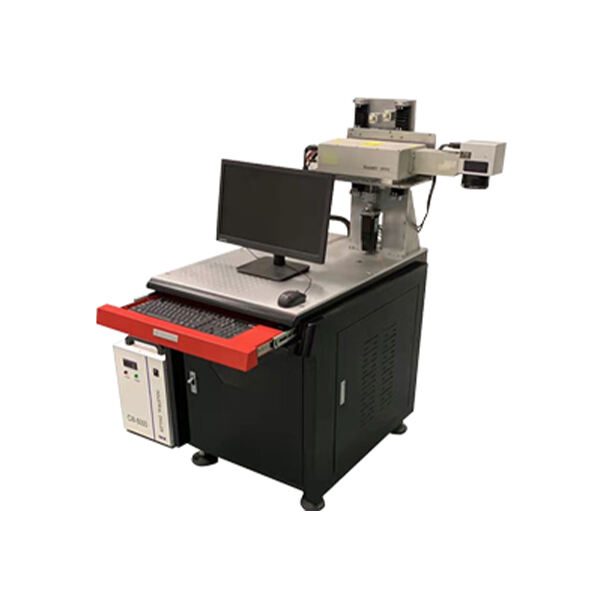
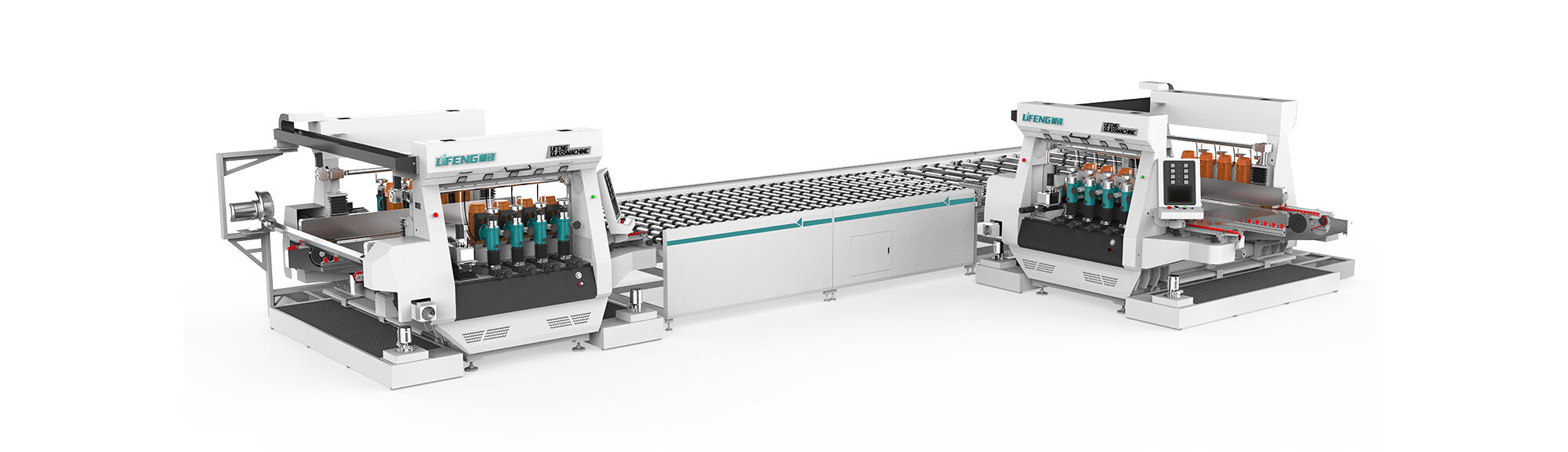
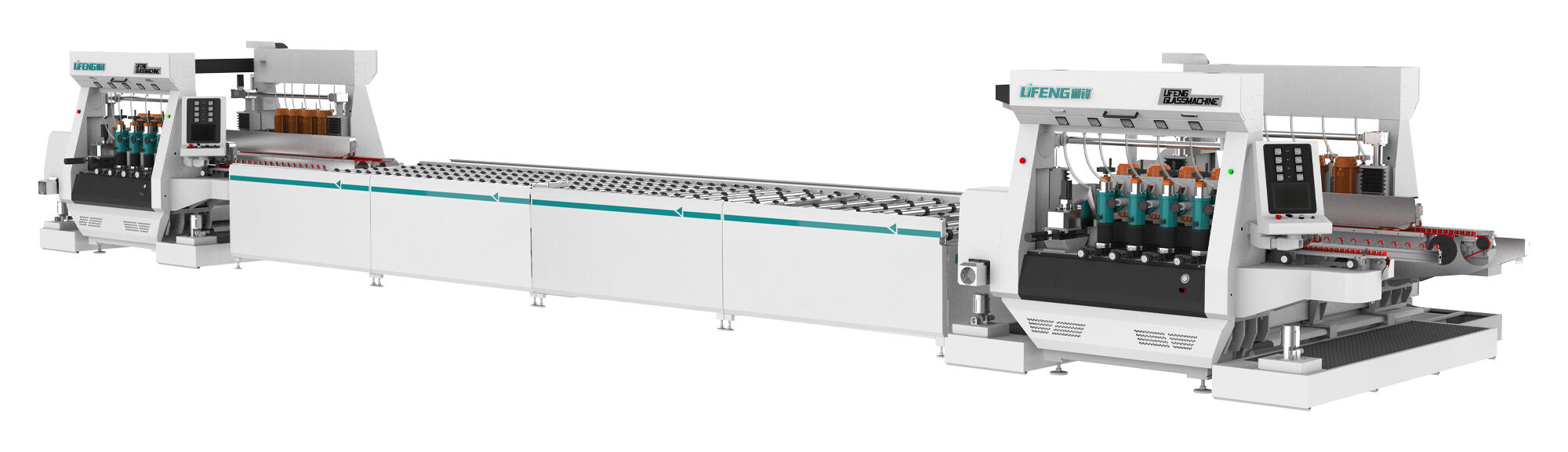
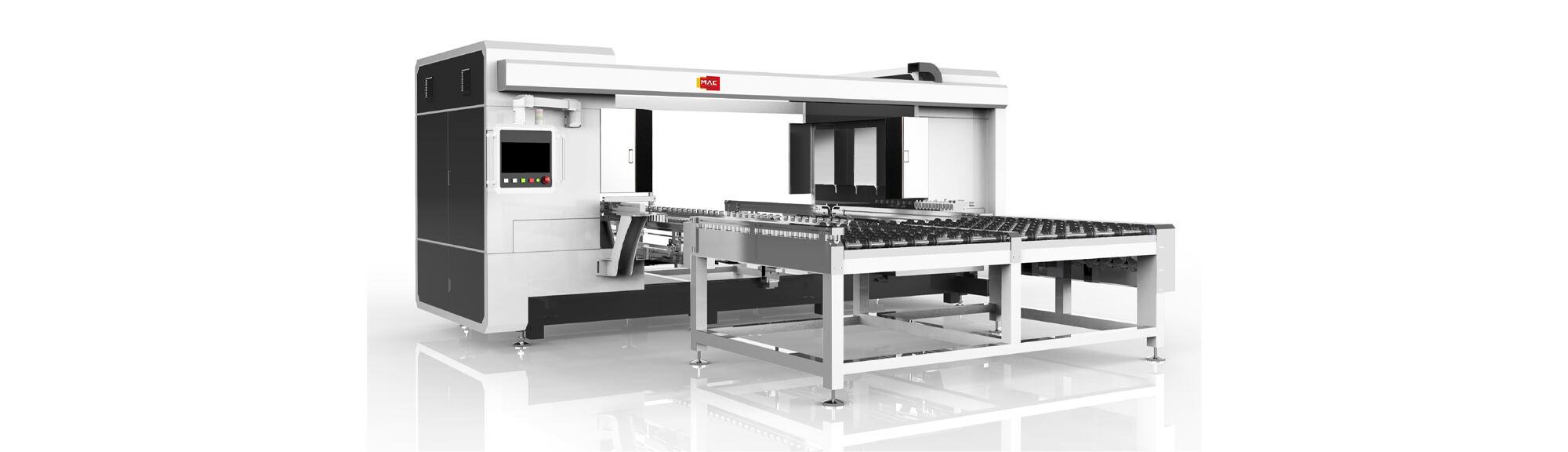
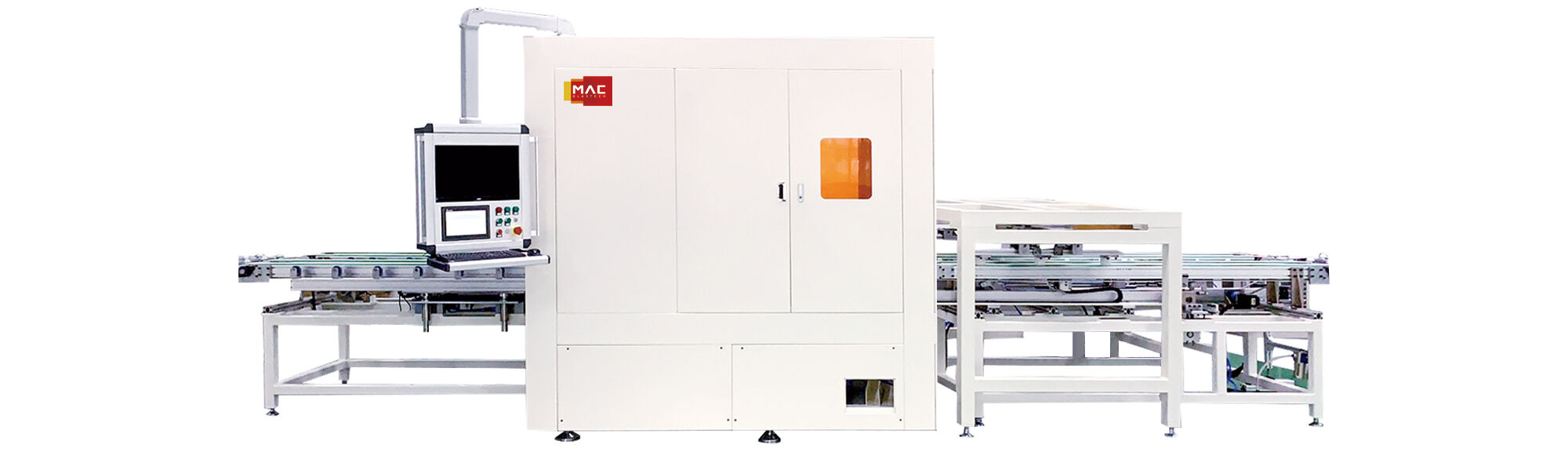
Understanding glass cutting machine price requires careful consideration of multiple factors that influence the overall investment. Modern glass cutting machines represent sophisticated equipment designed to deliver precision cuts across various glass types and thicknesses. The glass cutting machine price typically ranges from several thousand dollars for basic manual systems to hundreds of thousands for fully automated industrial solutions. These machines serve essential functions in construction, automotive, furniture manufacturing, and architectural design industries. The primary function involves scoring and breaking glass along predetermined lines with remarkable accuracy, minimizing material waste and maximizing production efficiency. Technological features include computer numerical control systems, automatic glass positioning, multi-head cutting capabilities, and real-time monitoring systems. Advanced models incorporate laser guidance systems, automatic tool changing mechanisms, and integrated quality control sensors. The glass cutting machine price reflects the sophistication of these technological integrations. Applications span from simple straight-line cuts for window manufacturing to complex curved patterns for artistic installations. Industrial facilities utilize these machines for mass production of glass panels, while smaller workshops benefit from compact versions for custom projects. The glass cutting machine price varies based on cutting table size, automation level, software capabilities, and brand reputation. Entry-level machines suit small businesses requiring basic cutting operations, while high-end systems serve large-scale manufacturers demanding continuous operation and minimal downtime. Understanding the relationship between features and glass cutting machine price helps businesses make informed purchasing decisions aligned with their production requirements and budget constraints. Modern machines offer exceptional return on investment through reduced labor costs, improved cutting accuracy, decreased material waste, and enhanced production speeds compared to traditional manual cutting methods.

New Product Recommendations

Investing in appropriate equipment provides numerous tangible benefits that justify the glass cutting machine price consideration. First and foremost, precision cutting capabilities dramatically reduce material waste, allowing businesses to maximize glass utilization rates and minimize costly errors. When evaluating glass cutting machine price, customers discover that automated systems eliminate human error in measurements and cutting angles, ensuring consistent quality across thousands of pieces. The speed advantage cannot be overstated, as modern machines complete cutting operations in fractions of the time required for manual methods, directly increasing production capacity without expanding workforce requirements. This efficiency translates to faster order fulfillment and improved customer satisfaction. Safety represents another critical advantage, as automated systems keep operators away from sharp edges and breaking glass, significantly reducing workplace injuries and associated costs. The glass cutting machine price includes protective features like enclosed cutting areas, automatic glass handling, and emergency stop mechanisms that protect both workers and equipment. Versatility stands as a major selling point, with machines capable of handling various glass types including tempered, laminated, coated, and standard float glass across multiple thickness ranges. This flexibility allows businesses to accept diverse projects without investing in multiple specialized tools. Energy efficiency in contemporary designs reduces operational costs, with optimized cutting patterns and intelligent power management systems that lower electricity consumption compared to older equipment. When analyzing glass cutting machine price against long-term operational savings, the return on investment becomes evident within months or years depending on production volume. Maintenance requirements remain minimal with modern machines featuring self-diagnostic systems that alert operators to potential issues before failures occur, reducing unexpected downtime. The digital integration capabilities allow seamless connection with design software, enabling direct transfer of cutting patterns from computer-aided design programs to the machine, eliminating transcription errors and streamlining workflow. Scalability represents another advantage, as many systems allow upgrades and expansions as business needs grow, protecting the initial glass cutting machine price investment. Competitive advantage emerges naturally when businesses can offer faster turnaround times, superior quality, and competitive pricing enabled by efficient production processes. Customer satisfaction increases when delivery times shrink and product quality remains consistently high, leading to repeat business and positive referrals that drive revenue growth beyond the initial equipment investment.

Practical Tips

How Can Double Edgers Improve Efficiency and Reduce Waste?

24

Nov

How Can Double Edgers Improve Efficiency and Reduce Waste?

In today's competitive manufacturing landscape, companies are constantly seeking ways to enhance operational efficiency while minimizing material waste. Double edgers have emerged as a pivotal solution for businesses processing sheet materials, offer...
View More
How to Troubleshoot Common Issues in Double Edgers?

24

Nov

How to Troubleshoot Common Issues in Double Edgers?

Double edgers are essential machinery in glass processing facilities, responsible for delivering precise edge grinding and polishing operations. These sophisticated machines can encounter various operational challenges that impact productivity and pr...
View More
How to Select the Right Hub Glass Furnace for Your Facility?

24

Nov

How to Select the Right Hub Glass Furnace for Your Facility?

Selecting the appropriate hub glass furnace for your manufacturing facility represents one of the most critical decisions that will impact your production efficiency, product quality, and long-term operational costs. A hub glass furnace serves as the...
View More
How Can Grinding Machines Enhance Surface Finish and Dimensional Accuracy?

19

Dec

How Can Grinding Machines Enhance Surface Finish and Dimensional Accuracy?

Manufacturing precision has reached unprecedented levels in modern industrial applications, where surface finish quality and dimensional accuracy determine product performance and market competitiveness. Advanced grinding machines represent the corne...
View More

Get a Free Quote

Our representative will contact you soon.
Email
Name
Company Name
Message
0/1000

glass cutting machine price

Precision Engineering That Transforms Production Quality

Precision Engineering That Transforms Production Quality

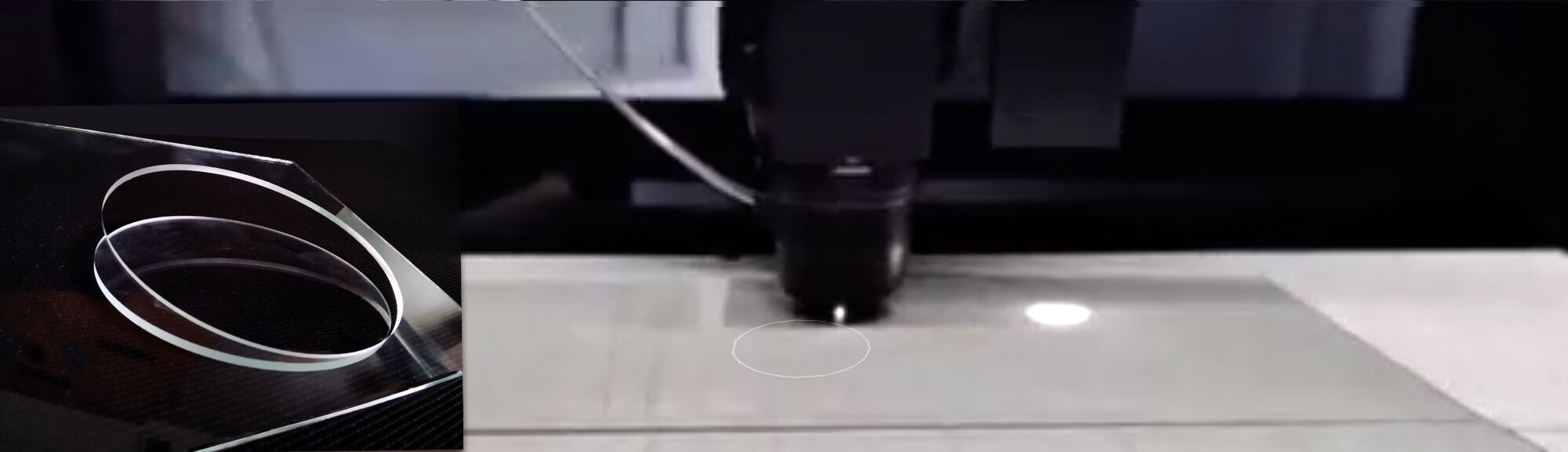
The precision capabilities embedded within modern glass cutting systems justify the glass cutting machine price through measurable quality improvements that directly impact profitability. These machines utilize advanced servo motor technology and linear guide systems that achieve positioning accuracy within hundredths of millimeters, ensuring every cut meets exact specifications regardless of production volume. This level of precision eliminates the inconsistencies inherent in manual cutting methods where human factors like fatigue, distraction, or skill variations create quality fluctuations. Computer-controlled systems repeat identical cutting patterns thousands of times without deviation, establishing reliability that customers depend upon for critical applications. The glass cutting machine price reflects sophisticated sensor technology that continuously monitors cutting parameters, automatically adjusting pressure, speed, and blade positioning to compensate for variations in glass thickness or material properties. This adaptive intelligence ensures optimal results across different glass types without requiring operator intervention or extensive manual calibration. Precision extends beyond straight cuts to include complex curves, angles, and intricate patterns that would be extremely difficult or impossible to achieve manually. Architectural projects demanding custom shapes, automotive applications requiring exact windshield contours, and decorative installations featuring artistic designs all benefit from this capability. The reduction in rejected pieces and rework costs substantially offsets the initial glass cutting machine price investment. Quality control integration represents another precision advantage, with optical inspection systems that verify cut accuracy in real-time, immediately flagging any deviations for correction before defective pieces proceed through production. This immediate feedback loop prevents costly batch errors and maintains consistent output quality. Edge quality produced by modern cutting systems surpasses manual methods, with cleaner scores and controlled breaking that minimize edge chipping and reduce subsequent grinding requirements. The time saved in finishing operations contributes additional value beyond the primary cutting function. Precision positioning systems also optimize material usage by calculating ideal cutting layouts that minimize waste, extracting maximum yield from each glass sheet. This mathematical optimization, performed instantaneously by machine software, consistently outperforms human layout planning, generating material savings that accumulate significantly over time. The glass cutting machine price investment thus pays dividends through both quality improvements and resource efficiency gains that enhance competitive positioning in demanding markets.
Automation Features That Revolutionize Operational Efficiency

Automation Features That Revolutionize Operational Efficiency

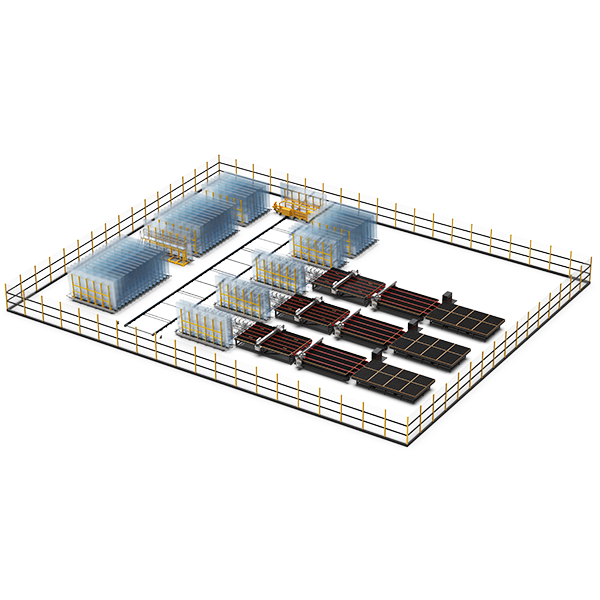
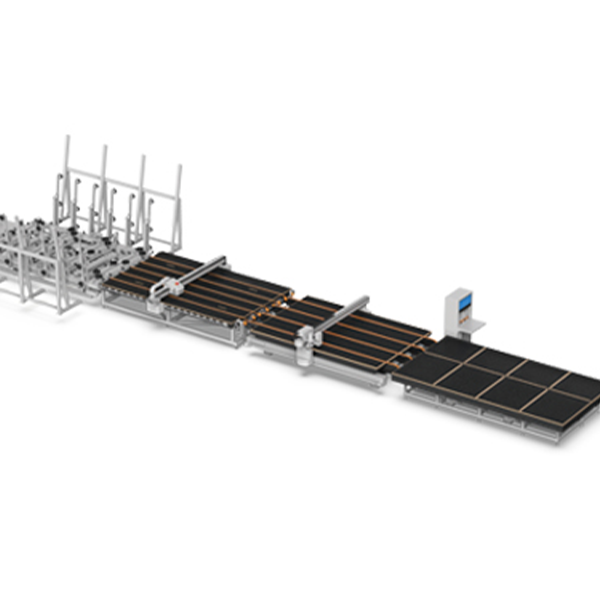
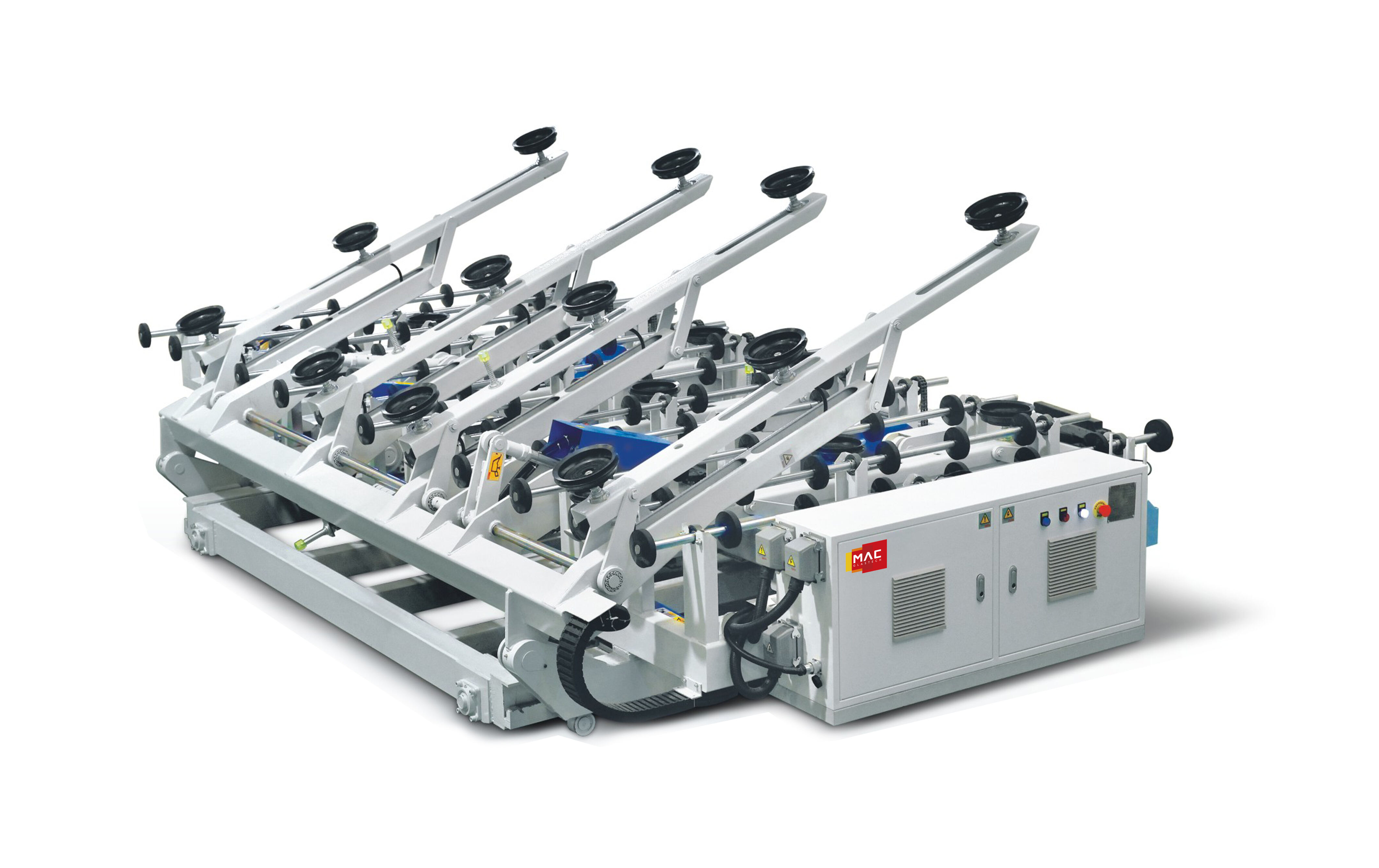
Automation capabilities built into contemporary glass cutting equipment represent the most compelling justification for the glass cutting machine price from an operational efficiency perspective. Fully automated systems handle glass loading, positioning, cutting, breaking, and unloading without manual intervention, transforming single-operator productivity to levels previously requiring entire teams. Robotic handling systems equipped with vacuum suction technology safely transport glass sheets from storage racks to cutting tables, eliminating the physical strain and safety risks associated with manual glass handling. The glass cutting machine price for automated systems includes sophisticated software that manages entire production queues, optimizing cutting sequences to minimize tool changes and maximize throughput. This intelligent scheduling capability analyzes pending orders, prioritizes urgent projects, groups similar cutting requirements, and sequences operations for optimal efficiency without human oversight. Labor cost reductions achieved through automation typically recover the glass cutting machine price investment within predictable timeframes based on production volume and labor rates. Beyond direct labor savings, automation eliminates productivity losses from breaks, shift changes, and human limitations, enabling continuous 24-hour operation when production demands require extended capacity. Consistency represents another automation advantage, with machines maintaining identical performance standards throughout extended operating periods without the quality variations that naturally occur with human operators experiencing fatigue. Automated tool management systems monitor cutting wheel condition, automatically indexing to fresh cutting positions or changing worn tools without interrupting production flow. This proactive maintenance approach prevents quality degradation and avoids the production disruptions caused by unexpected tool failures. The glass cutting machine price includes user-friendly interfaces that simplify operation, allowing staff with minimal training to manage sophisticated equipment effectively. Touchscreen controls with intuitive graphics replace complex button arrays and technical manuals, reducing training time and operator error rates. Remote monitoring capabilities enable supervisors to track machine performance, production metrics, and maintenance requirements from any location via network connections, facilitating responsive management and quick problem resolution. Integration with enterprise resource planning systems allows automatic updating of inventory levels, production completion status, and material consumption data, eliminating manual record-keeping and providing real-time business intelligence. The glass cutting machine price thus represents an investment in comprehensive operational transformation rather than simple equipment acquisition, delivering efficiency gains that cascade throughout the entire business operation and create sustainable competitive advantages.
Long-Term Value Through Durability and Adaptability

Long-Term Value Through Durability and Adaptability

The long-term value proposition inherent in quality glass cutting equipment provides essential context for evaluating glass cutting machine price from a total cost of ownership perspective. Premium machines constructed with industrial-grade components and robust engineering withstand demanding production environments for decades with proper maintenance, distributing the initial glass cutting machine price across extended service lives that dramatically reduce annual equipment costs. Heavy-duty steel frames resist vibration and maintain structural integrity under continuous operation, preserving cutting accuracy throughout the machine lifespan. Quality linear motion systems utilize precision bearings and hardened guide rails engineered for millions of operating cycles without performance degradation, ensuring the accuracy delivered on day one remains consistent years later. The glass cutting machine price reflects these durable components that eliminate premature replacement costs associated with lighter-duty alternatives. Modular design philosophy adopted by leading manufacturers enables component upgrades and capacity expansions without replacing entire systems, protecting the initial glass cutting machine price investment as business needs evolve. Companies can add cutting heads, expand table dimensions, upgrade control systems, or integrate new software capabilities while retaining the foundational machine structure. This adaptability proves particularly valuable in dynamic markets where product requirements shift with design trends and customer demands. Comprehensive warranty coverage and manufacturer support networks provide additional long-term value, with readily available replacement parts, technical assistance, and service expertise that minimize downtime and extend equipment life. The glass cutting machine price from established manufacturers includes access to these support resources that prove invaluable during the ownership period. Energy efficiency engineered into modern systems reduces operational expenses throughout the machine lifetime, with optimized power consumption during both active cutting and standby modes. Environmental responsibility increasingly influences purchasing decisions, and efficient machines contribute to sustainability goals while reducing utility costs. Resale value retention represents another long-term consideration, as quality machines from reputable manufacturers maintain substantial residual value, providing options for equipment upgrades or business transitions. The glass cutting machine price investment retains worth even after years of productive service, offering financial flexibility unavailable with disposable equipment approaches. Software update availability ensures machines remain current with evolving industry standards, file formats, and integration requirements without hardware replacement. Regular firmware updates delivered by manufacturers extend functional capabilities and maintain compatibility with contemporary design tools and production systems. Training resources and documentation provided with quality systems facilitate knowledge transfer across generations of operators, preventing expertise dependencies and maintaining operational continuity through personnel changes. The comprehensive value delivered throughout extended ownership periods ultimately makes the glass cutting machine price a strategic investment in sustained competitiveness rather than a simple equipment expenditure, with returns accumulating through enhanced capabilities, operational efficiencies, and market opportunities unavailable to businesses relying on outdated methods.