Versatility and Adaptability Define CNC Glass Cutting Machine Price Value
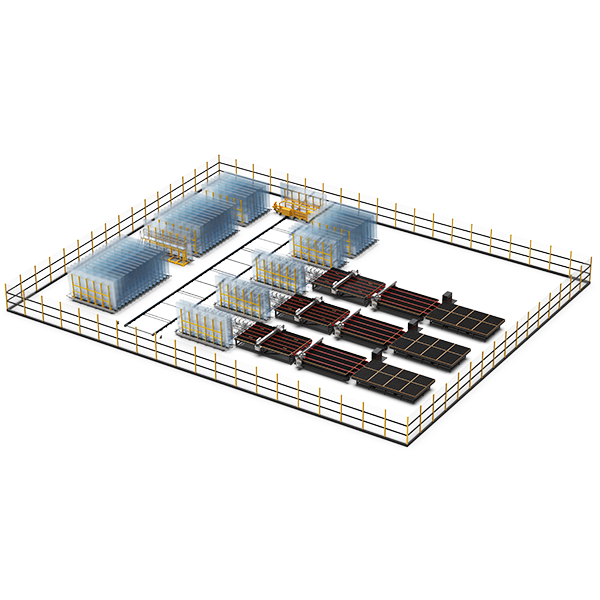
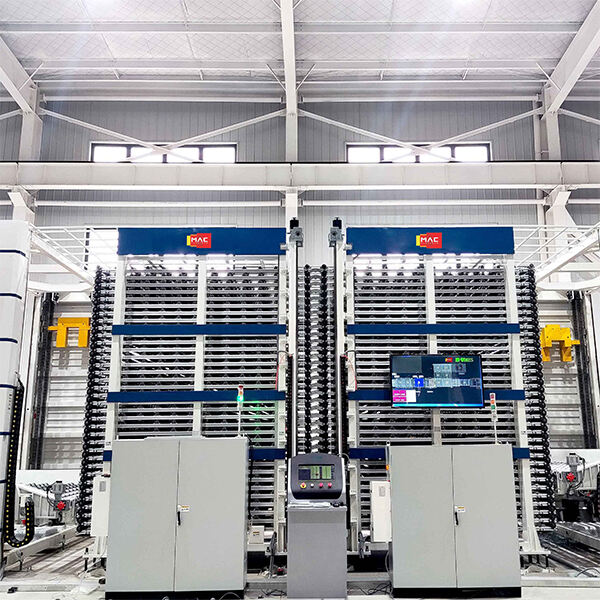
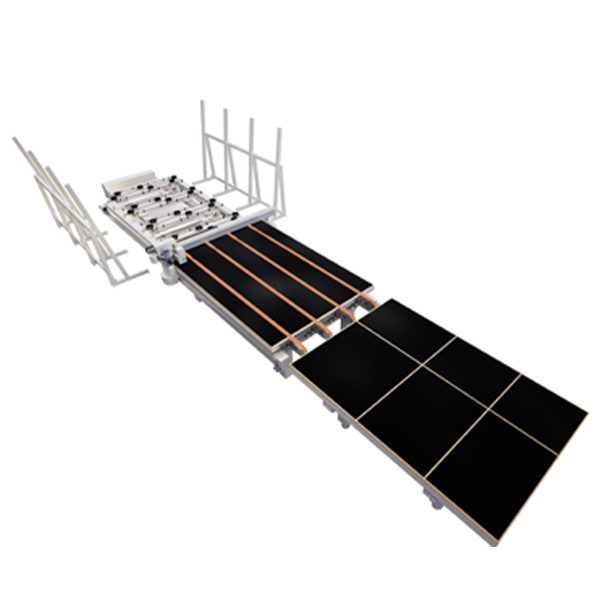
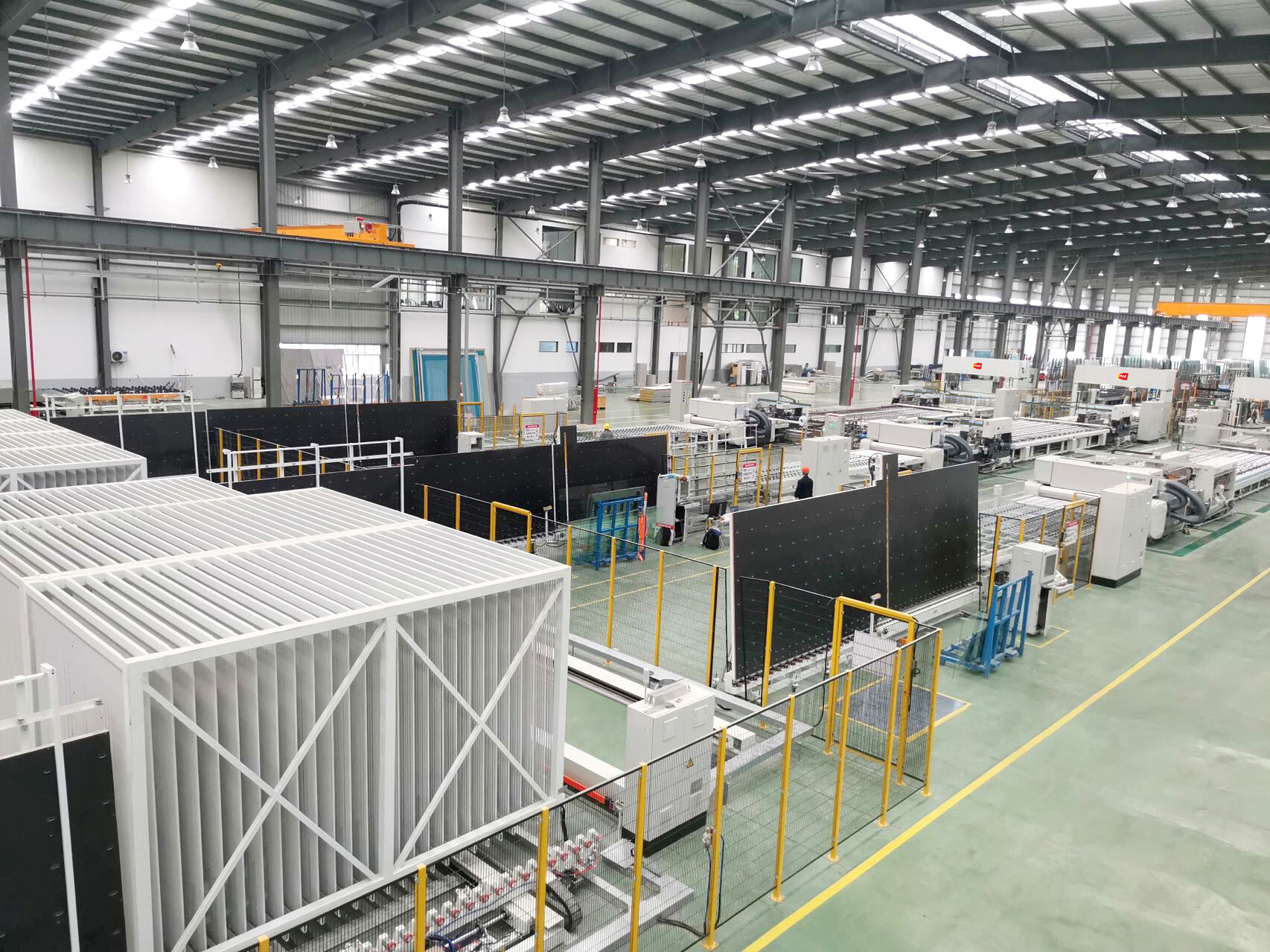
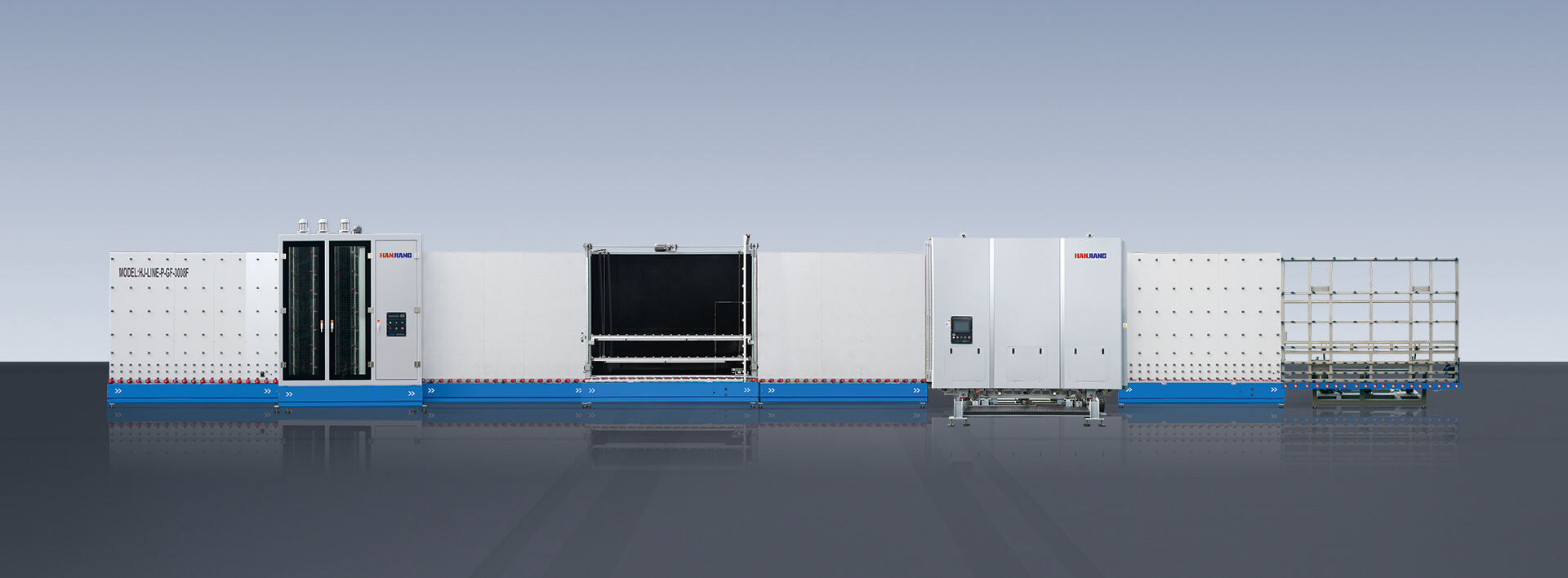
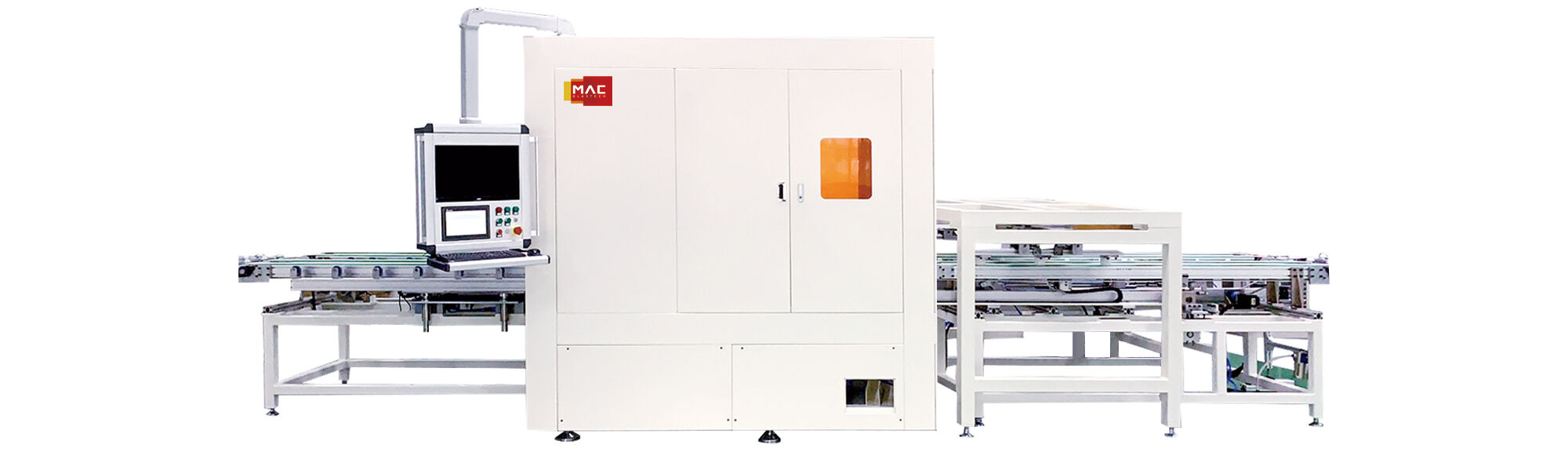
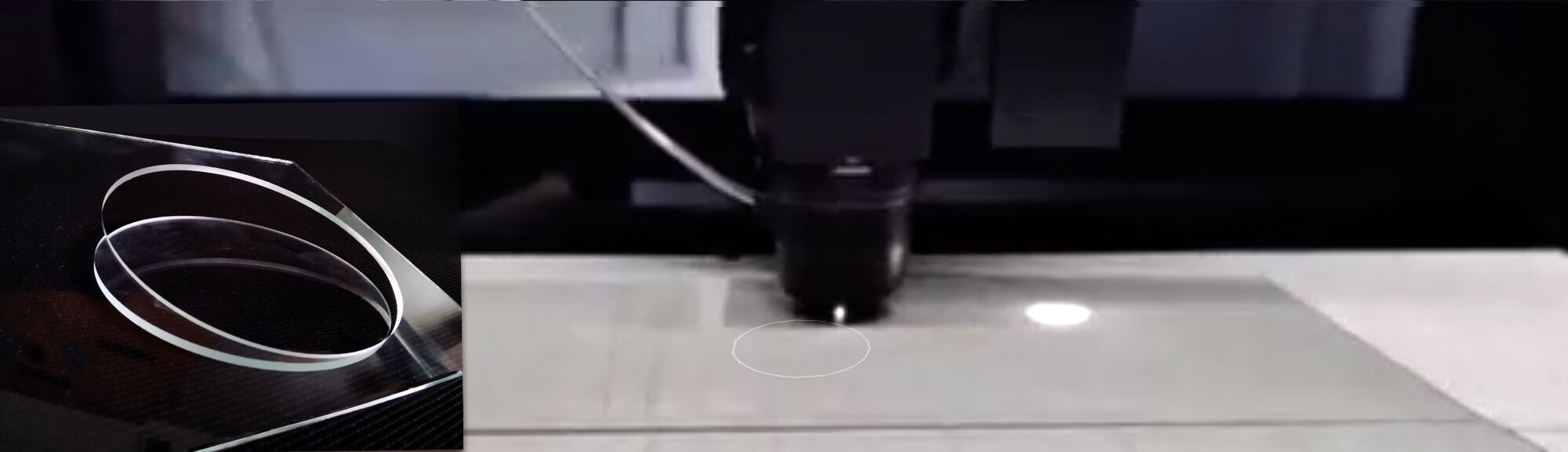
The versatility embedded within modern systems significantly enhances the value proposition behind the cnc glass cutting machine price by enabling businesses to address diverse market opportunities with a single equipment investment. Material compatibility spans the full range of glass types including annealed float glass, tempered and heat-strengthened glass, laminated safety glass, low-iron ultra-clear glass, tinted and reflective coatings, textured and patterned glass, and even specialized varieties like smart glass and photovoltaic glass. This broad material capability means businesses can pursue opportunities across multiple market segments from architectural applications to automotive, electronics, furniture, and renewable energy sectors without requiring dedicated equipment for each material type. Thickness accommodation ranges from delicate two-millimeter glass used in electronics applications up to robust twenty-five-millimeter architectural glass, with automatic parameter adjustment ensuring optimal cutting force and speed for each material specification. The cnc glass cutting machine price includes software libraries containing pre-configured settings for common glass types, allowing operators to simply select material specifications rather than manually calculating appropriate cutting parameters through trial and error. Shape flexibility represents another dimension of versatility where these machines execute straight cuts, curves, circles, polygons, and complex freeform shapes with equal facility. The multi-axis control systems handle beveled edges, chamfers, and angled cuts that create dimensional variety beyond simple flat cutting. Some advanced systems included in higher cnc glass cutting machine price brackets incorporate automatic tool changers that swap between cutting wheels, grinding tools, drilling attachments, and polishing heads, transforming the machine into a complete glass fabrication center rather than just a cutting station. This consolidation eliminates the need for multiple specialized machines and the material handling required to transfer workpieces between operations, reducing both capital equipment costs and production time. Project scalability allows these machines to economically produce single custom pieces alongside high-volume production runs, with digital job management eliminating the setup complexity that made small batches uneconomical in traditional manufacturing environments. The cnc glass cutting machine price incorporates expandable configurations where businesses can start with basic cutting capabilities and later add optional features like automatic loading systems, break-out tables, or integrated quality inspection as production volumes grow and justify additional automation investments. Software updates delivered by manufacturers ensure machines remain current with evolving design standards, file formats, and optimization algorithms without requiring hardware replacements, protecting the initial investment and extending useful equipment life. Integration capabilities allow these machines to function as components within larger automated production lines, with standardized communication protocols enabling coordination with upstream material handling systems and downstream processing equipment like washing stations, tempering furnaces, or laminating lines. The workforce development advantages cannot be overlooked, as the intuitive interfaces and guided operation modes allow businesses to train operators quickly, reducing dependency on scarce specialized craftsmen and building resilient production capabilities that withstand labor market fluctuations and employee turnover.
 EN
EN
 AR
AR
 BG
BG
 HR
HR
 CS
CS
 DA
DA
 NL
NL
 FI
FI
 FR
FR
 DE
DE
 EL
EL
 HI
HI
 IT
IT
 JA
JA
 KO
KO
 PL
PL
 PT
PT
 RO
RO
 RU
RU
 ES
ES
 SV
SV
 TL
TL
 IW
IW
 LV
LV
 LT
LT
 SK
SK
 SL
SL
 UK
UK
 VI
VI
 ET
ET
 HU
HU
 MT
MT
 TH
TH
 TR
TR
 FA
FA
 MS
MS
 SW
SW
 GA
GA
 AZ
AZ