Glass Smelter Systems: Advanced Industrial Melting Technology for Superior Glass Manufacturing

All Categories

Get a Free Quote

Our representative will contact you soon.
Email
Name
Company Name
Message
0/1000

glass smelter

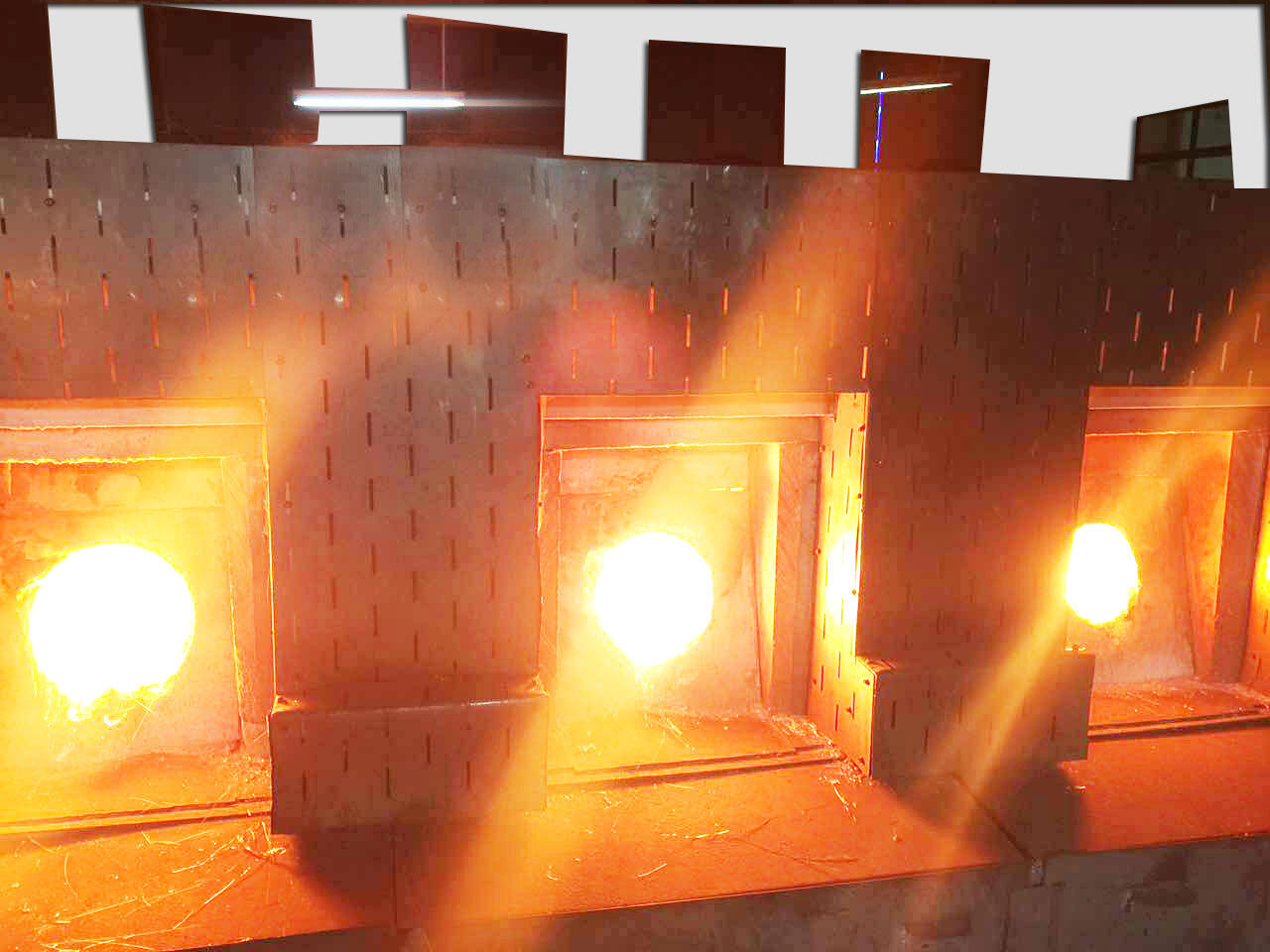
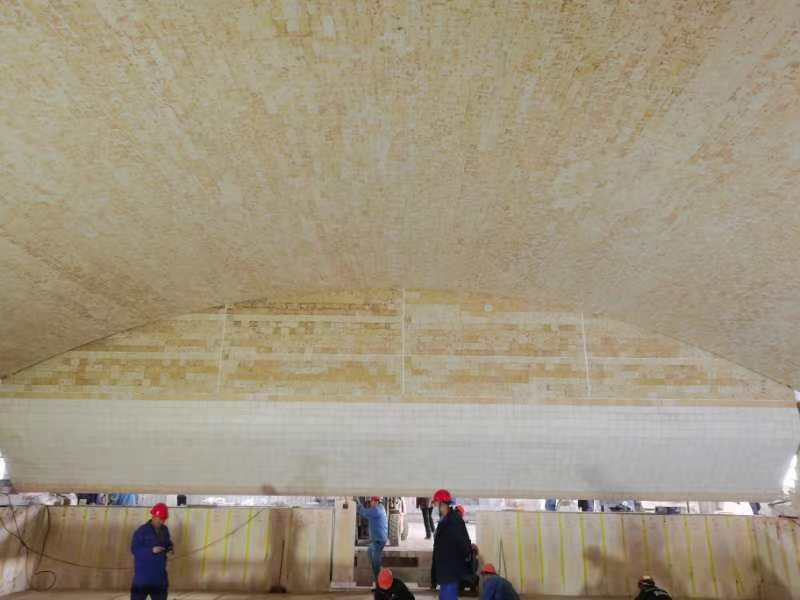
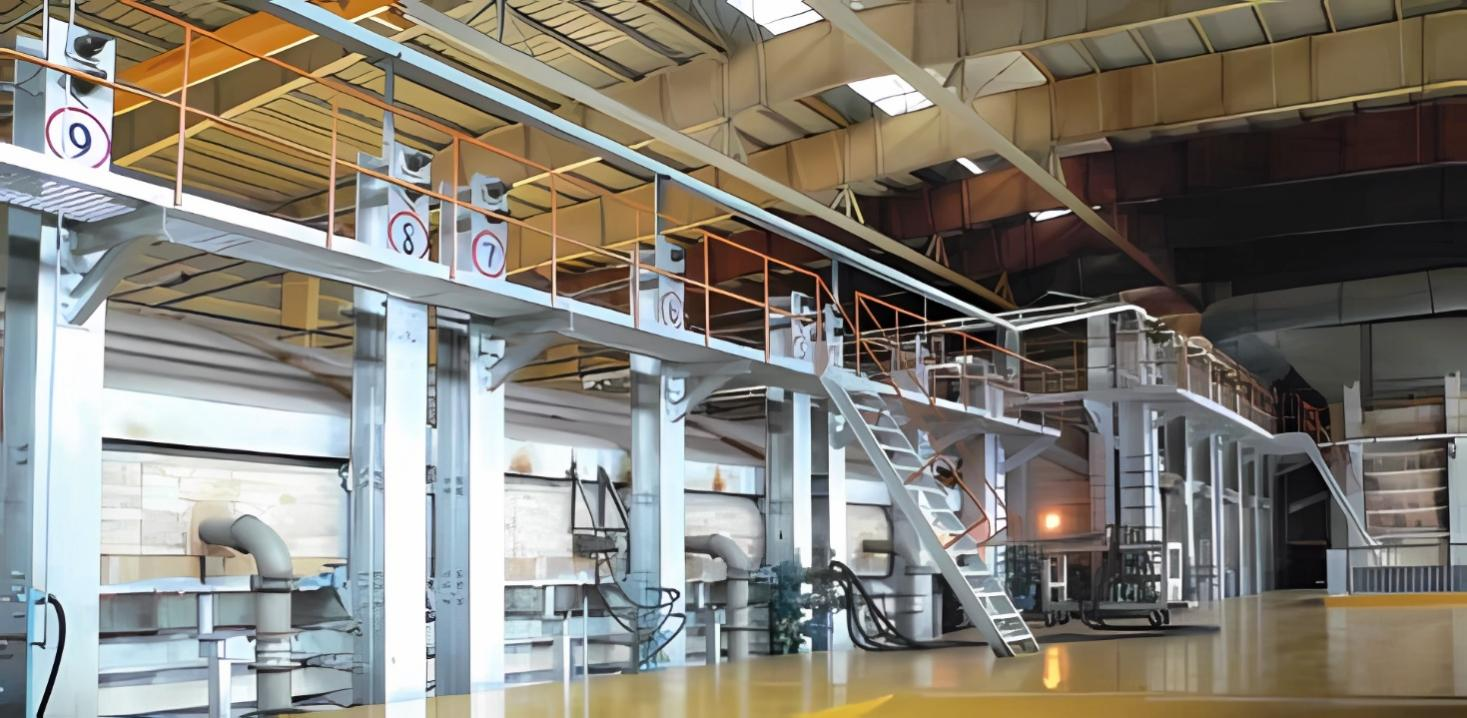
A glass smelter represents a critical piece of industrial equipment designed specifically for melting raw materials and transforming them into molten glass suitable for manufacturing various glass products. This sophisticated system operates at extremely high temperatures, typically ranging from 1400 to 1600 degrees Celsius, to achieve the complete fusion of silica sand, soda ash, limestone, and other additives into a homogeneous liquid state. The glass smelter functions as the heart of any glass production facility, whether manufacturing flat glass for architectural purposes, container glass for packaging, or specialty glass for technical applications. Modern glass smelter units incorporate advanced heating technologies, including electric boosting systems, oxygen-fuel combustion, and regenerative heating chambers that maximize thermal efficiency while minimizing energy consumption. The primary function of a glass smelter involves continuous or batch melting processes, where carefully proportioned raw materials enter the furnace and undergo chemical transformation at elevated temperatures. Throughout this melting process, the glass smelter maintains precise temperature control across different zones, ensuring optimal conditions for refining, homogenizing, and conditioning the molten glass before it moves to forming operations. Technological features of contemporary glass smelter systems include sophisticated refractory lining materials that withstand corrosive molten glass, automated batch feeding mechanisms that ensure consistent material input, and computerized monitoring systems that track temperature profiles, energy usage, and glass quality parameters in real-time. Many glass smelter installations now integrate environmental control technologies such as particulate filters, nitrogen oxide reduction systems, and heat recovery mechanisms that capture waste heat for preheating combustion air or generating steam. Applications for glass smelter technology span numerous industries, from automotive glass production requiring precise optical properties to pharmaceutical glass manufacturing demanding exceptional chemical resistance. The versatility of modern glass smelter designs allows manufacturers to switch between different glass compositions, adjust production capacities according to market demand, and maintain consistent product quality throughout extended operating campaigns that may last several years between major maintenance shutdowns.

New Product Recommendations

The glass smelter delivers substantial cost savings through exceptional energy efficiency that directly reduces operational expenses for manufacturers seeking competitive advantages in demanding markets. By implementing regenerative heating systems and heat recovery technologies, these systems recycle thermal energy that would otherwise escape as waste, reducing fuel consumption by up to forty percent compared to older furnace designs. This efficiency translates into lower energy bills month after month, allowing production facilities to allocate resources toward expansion, equipment upgrades, or workforce development rather than simply covering escalating utility costs. The glass smelter provides remarkable operational flexibility that enables manufacturers to respond quickly to changing customer requirements and market conditions without lengthy retooling processes or production interruptions. Modern systems allow operators to modify glass composition, adjust melting rates, and transition between product types with minimal downtime, ensuring that manufacturing schedules align with actual demand rather than forcing production of unwanted inventory. This adaptability proves especially valuable for facilities serving diverse customer bases requiring different glass characteristics, colors, or specifications within short lead times. Quality consistency represents another significant advantage, as the glass smelter maintains precise temperature control and uniform mixing that eliminate common defects such as stones, bubbles, or compositional variations that plague products from poorly controlled melting processes. Automated monitoring systems continuously track critical parameters and make instantaneous adjustments that human operators might miss, resulting in glass output that meets stringent quality standards batch after batch. This reliability reduces rejection rates, minimizes customer complaints, and strengthens brand reputation in competitive marketplaces where quality consistency determines long-term business relationships. Environmental responsibility has become increasingly important, and the glass smelter addresses sustainability concerns through reduced emissions, lower energy consumption, and compatibility with recycled glass cullet that decreases reliance on virgin raw materials. Advanced combustion control systems minimize nitrogen oxide formation, particulate capture technologies prevent dust emissions, and efficient melting processes reduce the overall carbon footprint of glass production operations. These environmental benefits help manufacturers comply with tightening regulations, qualify for green building certifications when supplying architectural glass, and appeal to environmentally conscious customers who evaluate suppliers based on sustainability metrics. Long-term durability ensures that investments in glass smelter technology provide value across many years of intensive industrial service. High-quality refractory materials, robust structural designs, and proven engineering principles combine to create systems that withstand the extreme thermal cycling, chemical attack, and mechanical stresses inherent in continuous glass melting operations, minimizing unplanned shutdowns and extending the intervals between costly rebuilds that disrupt production schedules and strain maintenance budgets.

Latest News

What Factors Should You Consider When Choosing Automotive Glass Processing Methods?

28

Oct

What Factors Should You Consider When Choosing Automotive Glass Processing Methods?

The Complete Guide to Modern Automotive Glass Manufacturing The automotive glass processing industry has undergone significant transformation in recent years, driven by technological advancements and evolving vehicle design requirements. As manufactu...
View More
Why Are Smart Glass Cutting Lines Becoming the Standard in Factories?

28

Oct

Why Are Smart Glass Cutting Lines Becoming the Standard in Factories?

The Revolution of Automated Glass Processing in Modern Manufacturing The manufacturing landscape is undergoing a dramatic transformation as smart glass cutting lines increasingly become the backbone of modern glass processing facilities. These sophis...
View More
How Can Double Edgers Improve Efficiency and Reduce Waste?

24

Nov

How Can Double Edgers Improve Efficiency and Reduce Waste?

In today's competitive manufacturing landscape, companies are constantly seeking ways to enhance operational efficiency while minimizing material waste. Double edgers have emerged as a pivotal solution for businesses processing sheet materials, offer...
View More
How to Troubleshoot Common Issues in Double Edgers?

24

Nov

How to Troubleshoot Common Issues in Double Edgers?

Double edgers are essential machinery in glass processing facilities, responsible for delivering precise edge grinding and polishing operations. These sophisticated machines can encounter various operational challenges that impact productivity and pr...
View More

Get a Free Quote

Our representative will contact you soon.
Email
Name
Company Name
Message
0/1000

glass smelter

Advanced Temperature Control Systems for Superior Glass Quality

Advanced Temperature Control Systems for Superior Glass Quality

The sophisticated temperature control capabilities integrated into modern glass smelter designs represent a transformative advantage that directly impacts product quality, production efficiency, and operational costs in ways that fundamentally change manufacturing economics. Unlike conventional melting systems that rely on basic thermocouples and manual adjustments, contemporary glass smelter installations employ multi-zone temperature monitoring with dozens of sensors strategically positioned throughout the melting chamber, refining area, and conditioning sections. These sensors continuously feed data to programmable logic controllers that execute complex algorithms, making micro-adjustments to fuel flow, air supply, and electric boosting power thousands of times per hour to maintain optimal thermal profiles regardless of variations in raw material properties, ambient conditions, or production rates. This precision matters enormously because glass quality depends critically on achieving complete melting at appropriate temperatures while avoiding excessive temperatures that accelerate refractory wear or cause unwanted volatilization of glass components. The glass smelter equipped with advanced control systems eliminates hot spots that create localized overheating and cold zones where incomplete melting leaves defects in finished products. Operators benefit from intuitive graphical interfaces that display real-time thermal maps, trending data, and predictive alerts that flag developing issues before they compromise quality or cause equipment damage. This proactive approach to temperature management extends furnace life by preventing thermal shock damage to refractory linings, reduces energy waste by eliminating unnecessary overheating, and ensures that every ton of glass leaving the melter meets specifications for viscosity, homogeneity, and chemical composition. For manufacturers serving demanding markets such as pharmaceutical packaging, automotive glazing, or high-end architectural applications, this temperature precision proves essential for maintaining certifications, passing customer audits, and commanding premium pricing that justifies investments in quality equipment. The economic impact extends beyond direct quality improvements, as consistent temperature control stabilizes production rates, reduces troubleshooting time, and minimizes the skill level required for routine operations, allowing facilities to maintain output even when experienced operators retire or transfer to other positions.
Fuel Flexibility and Energy Optimization for Reduced Operating Costs

Fuel Flexibility and Energy Optimization for Reduced Operating Costs

The remarkable fuel flexibility engineered into contemporary glass smelter systems delivers strategic advantages that insulate manufacturers from volatile energy markets while optimizing operational costs based on regional fuel availability and pricing dynamics. Traditional glass melting furnaces typically lock operators into single fuel sources, creating vulnerability to supply disruptions and price spikes that can suddenly transform profitable operations into money-losing propositions when energy costs surge unexpectedly. Modern glass smelter designs overcome these limitations through multi-fuel capability that allows seamless switching between natural gas, propane, fuel oil, or even hydrogen as circumstances dictate, providing procurement flexibility that keeps production running regardless of supply chain challenges affecting particular fuel types. This adaptability proves especially valuable for facilities located in regions with limited pipeline infrastructure or those seeking to transition toward renewable energy sources as technologies mature and economics improve. Beyond simple fuel switching, advanced glass smelter installations incorporate oxygen enrichment systems that boost combustion efficiency, reduce nitrogen oxide formation, and increase melting capacity within existing furnace volumes. By replacing air with oxygen-enriched atmospheres or pure oxygen, these systems achieve higher flame temperatures with smaller gas volumes, accelerating heat transfer and reducing exhaust gas quantities that carry away valuable thermal energy. The resulting efficiency gains translate directly into lower fuel bills, with some installations reporting thirty to forty percent reductions in specific energy consumption compared to air-fuel baselines. Electric boosting represents another optimization strategy, where submerged electrodes pass current through molten glass, generating heat precisely where needed without combustion losses. The glass smelter configured with electric boosting supplements fossil fuel firing during peak production periods, compensates for furnace aging that reduces thermal efficiency, and provides fine-tuning capability that optimizes glass temperature profiles for different product types. Sophisticated energy management systems monitor real-time electricity and fuel pricing, automatically adjusting the balance between electric and fossil fuel inputs to minimize total energy costs while maintaining production targets, creating a smart glass smelter that responds dynamically to market conditions without human intervention.
Modular Design and Rapid Maintenance for Maximum Production Uptime

Modular Design and Rapid Maintenance for Maximum Production Uptime

The modular construction philosophy incorporated into advanced glass smelter engineering delivers unprecedented advantages in maintenance efficiency, production continuity, and total cost of ownership that fundamentally improve manufacturing economics compared to conventional monolithic furnace designs. Traditional glass melting installations require complete production shutdowns lasting weeks or months when major repairs become necessary, resulting in lost revenue, customer dissatisfaction, and competitive disadvantages that ripple throughout business operations. The glass smelter built with modular principles divides the melting system into discrete sections with standardized interfaces, allowing replacement of worn components without complete furnace teardown. Critical elements such as burner blocks, sidewall panels, and throat sections can be prefabricated off-site with precision manufacturing techniques that ensure dimensional accuracy and material quality exceeding what site construction crews achieve under time pressure in hot, cramped conditions adjacent to operating furnaces. When maintenance windows arrive, crews remove deteriorated modules and install fresh replacements using proven rigging procedures, reducing downtime from months to days and minimizing the production losses that devastate quarterly financial results. This modular approach to glass smelter design also facilitates capacity expansion and technology upgrades without wholesale replacement of functional equipment. Manufacturers can add melting capacity by installing additional modules, upgrade to more efficient burner technology by swapping combustion sections, or improve glass quality by replacing refining zones with advanced designs incorporating the latest refractory materials and flow optimization features. The flexibility proves invaluable as market demands evolve, allowing incremental investments that match business growth rather than forcing premature replacement of serviceable assets. Standardized module designs enable manufacturers operating multiple facilities to maintain common spare parts inventories, cross-train maintenance personnel across sites, and leverage volume purchasing that reduces component costs through economies of scale. The glass smelter philosophy emphasizing maintainability extends to diagnostic accessibility, with inspection ports, removable panels, and sensor integration points that allow condition monitoring without production interruption. Predictive maintenance programs analyze trends in refractory wear, combustion efficiency, and thermal performance, scheduling interventions before failures occur rather than responding to emergency breakdowns that force unplanned shutdowns at the worst possible times.