Versatile Application Range Across Diverse Industries
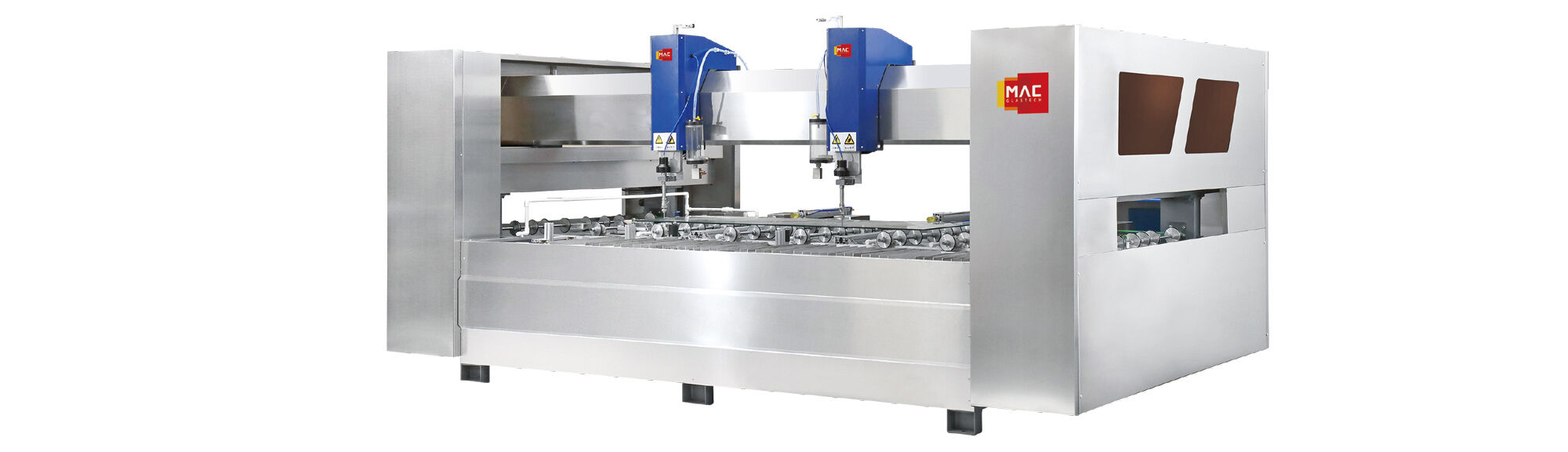
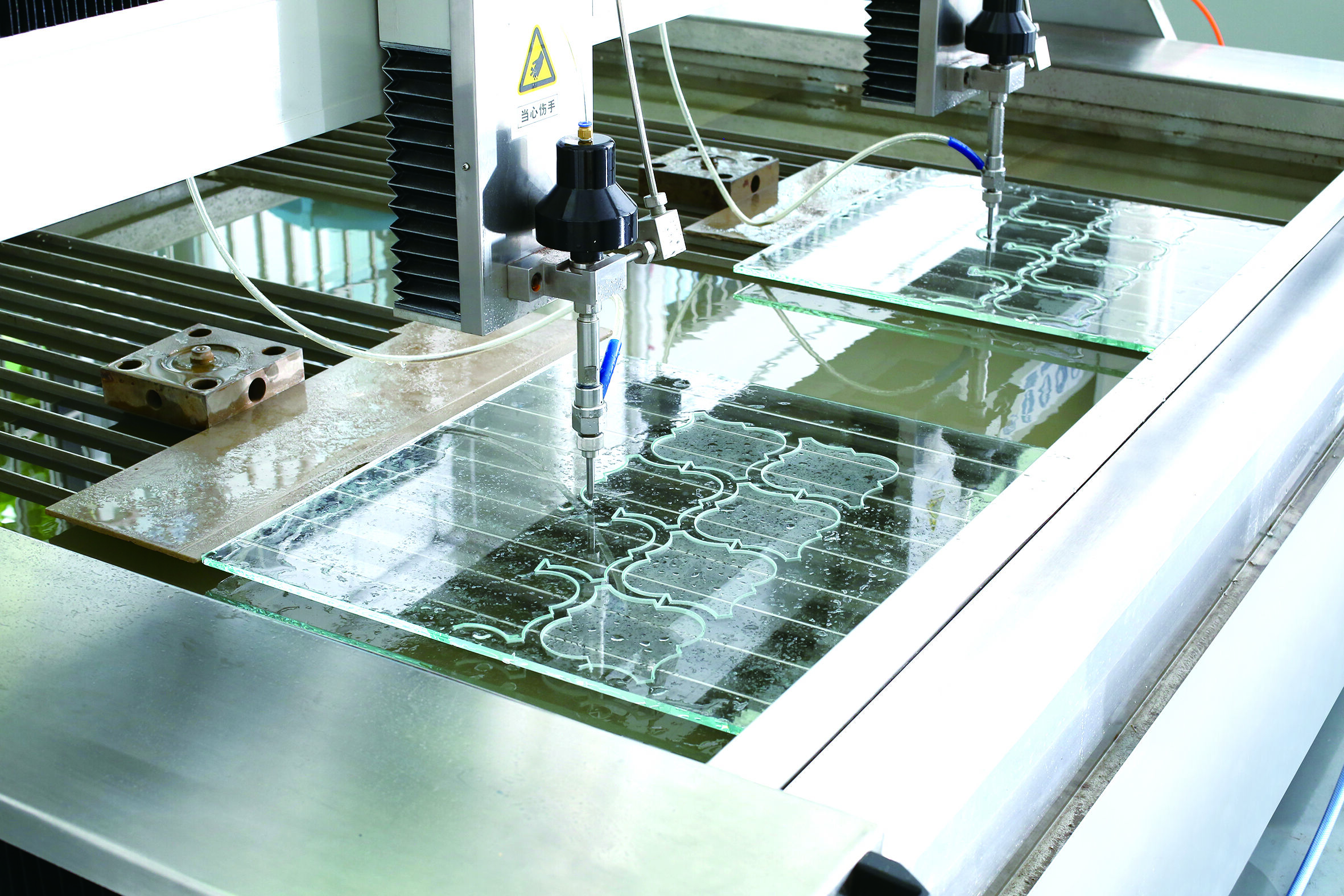
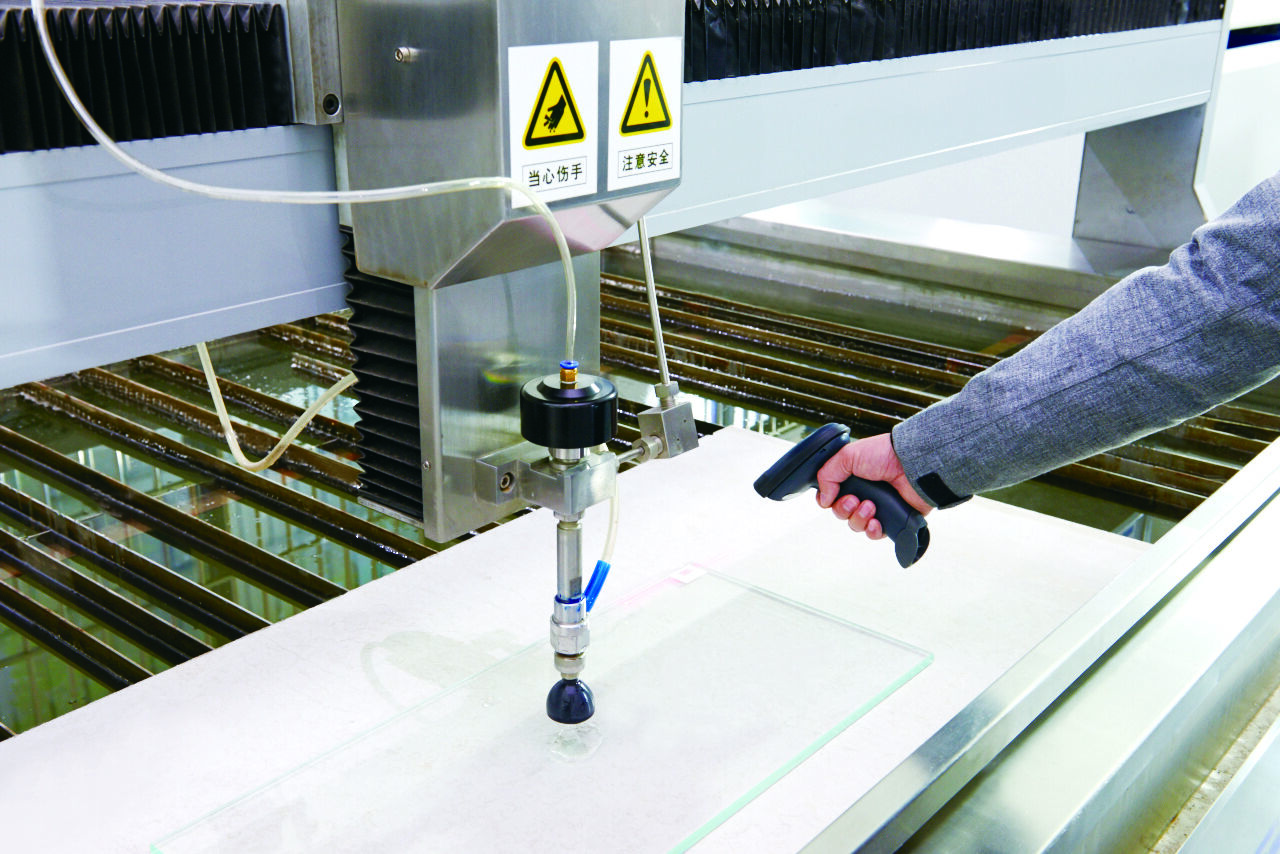
The head waterjet demonstrates remarkable versatility in addressing cutting challenges across an extraordinarily broad spectrum of industries and applications, making it an invaluable asset for facilities handling diverse materials and project requirements. In aerospace manufacturing, the head waterjet excels at processing advanced composite materials, titanium alloys, and heat-sensitive components where traditional cutting methods would compromise material integrity or introduce unacceptable thermal stress. The cold-cutting nature of the head waterjet preserves the carefully engineered properties of aerospace-grade materials, ensuring that finished components meet stringent safety and performance standards without delamination or structural degradation. Automotive manufacturers leverage head waterjet technology for cutting interior trim pieces, gaskets, insulation materials, and prototype parts, benefiting from the rapid setup times and flexibility to accommodate frequent design changes without investing in dedicated tooling. The stone and tile industry relies heavily on head waterjet systems for creating intricate patterns, custom inlays, and decorative elements in marble, granite, and ceramic materials, with the cutting process producing smooth edges that require minimal finishing work. Metal fabrication shops appreciate how the head waterjet handles stainless steel, aluminum, copper, and exotic alloys with equal proficiency, eliminating the need to maintain multiple specialized cutting systems for different materials. Artists and designers have embraced head waterjet technology for creating custom signage, architectural features, and sculptural elements, taking advantage of the system's ability to reproduce complex digital designs with faithful accuracy in materials ranging from metal to glass to wood. The electronics industry utilizes head waterjet cutting for circuit board shaping, component trimming, and precision cuts in delicate materials where mechanical stress or thermal input would cause damage. Food processing facilities employ specialized head waterjet systems for cutting and portioning products, benefiting from the hygienic nature of water-based cutting that eliminates contamination risks associated with blade tools. In the textile and fashion industries, the head waterjet enables precise cutting of fabrics, leather, and synthetic materials without fraying or edge distortion, supporting high-volume production with consistent quality. Medical device manufacturers depend on head waterjet precision for creating surgical instruments, implant components, and specialized tools where dimensional accuracy and material integrity are absolutely critical.
 EN
EN
 AR
AR
 BG
BG
 HR
HR
 CS
CS
 DA
DA
 NL
NL
 FI
FI
 FR
FR
 DE
DE
 EL
EL
 HI
HI
 IT
IT
 JA
JA
 KO
KO
 PL
PL
 PT
PT
 RO
RO
 RU
RU
 ES
ES
 SV
SV
 TL
TL
 IW
IW
 LV
LV
 LT
LT
 SK
SK
 SL
SL
 UK
UK
 VI
VI
 ET
ET
 HU
HU
 MT
MT
 TH
TH
 TR
TR
 FA
FA
 MS
MS
 SW
SW
 GA
GA
 AZ
AZ