Waterjet Laser Cutting Technology: Precision, Versatility & Cost-Effective Manufacturing Solutions

All Categories

Get a Free Quote

Our representative will contact you soon.
Email
Name
Company Name
Message
0/1000

waterjet laser

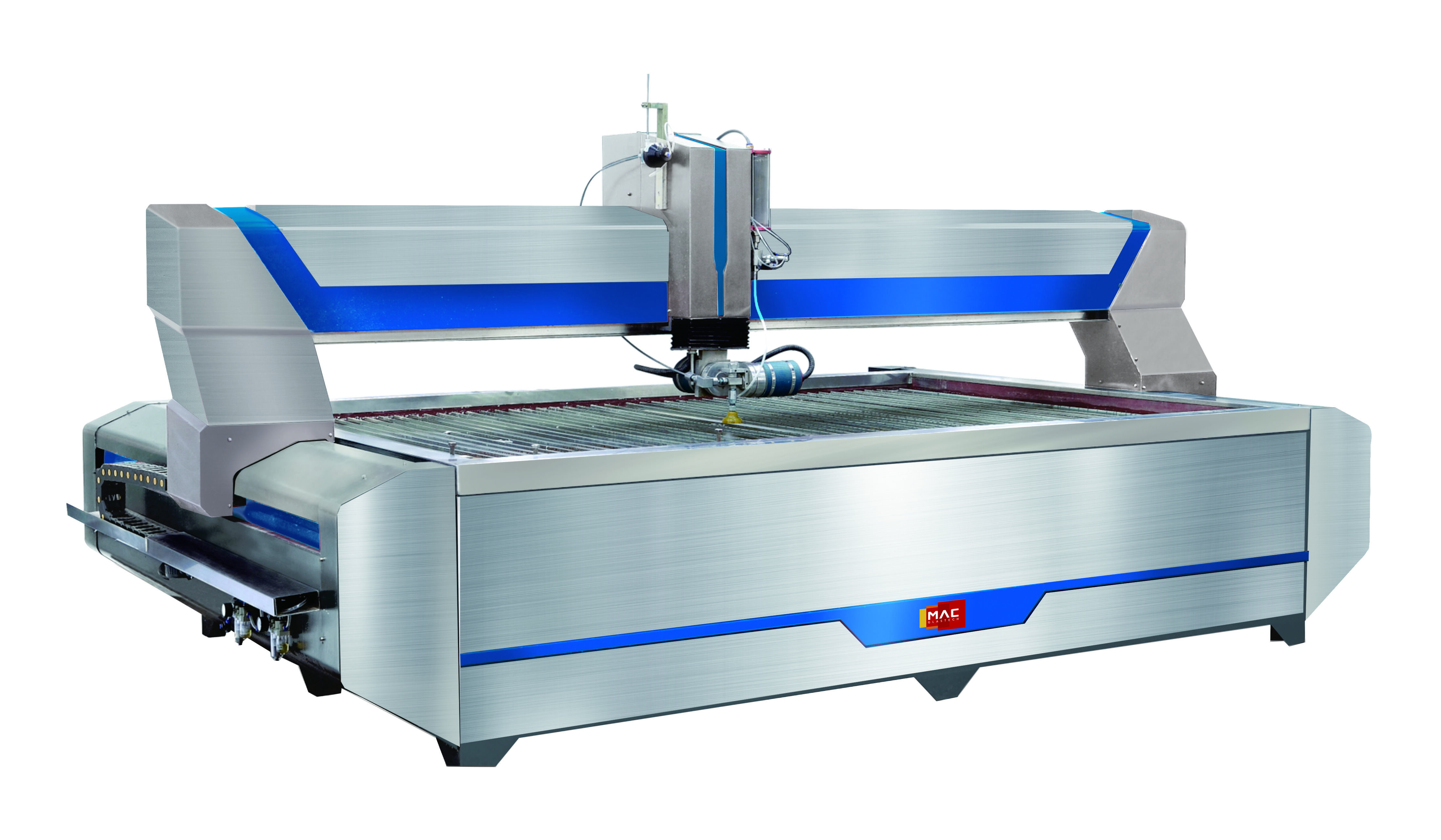
The waterjet laser represents a revolutionary advancement in precision cutting technology that combines the power of high-pressure water streams with laser guidance systems to deliver exceptional results across various materials. This innovative cutting solution has transformed manufacturing processes by offering unparalleled accuracy and versatility in material processing. The waterjet laser system operates by directing an ultra-high-pressure stream of water, often mixed with abrasive particles, through a nozzle while utilizing laser technology for precise positioning and guidance. This dual-action approach ensures that cuts are made with microscopic precision while maintaining the integrity of the base material. The main functions of the waterjet laser include cutting, shaping, and etching a wide range of materials from metals and composites to glass, stone, ceramics, and even delicate fabrics. The technological features that set this system apart include computer numerical control integration, real-time monitoring capabilities, and adjustable pressure settings that can be customized for different material types and thicknesses. The laser guidance component provides visual tracking and ensures that every cut follows the programmed path with absolute accuracy. Applications for the waterjet laser span numerous industries including aerospace manufacturing, automotive production, architectural design, artistic fabrication, electronics assembly, and medical device production. In aerospace, the waterjet laser cuts complex shapes in titanium and composite materials without causing heat-affected zones that could compromise structural integrity. Automotive manufacturers utilize this technology for precision cutting of body panels, interior components, and specialized parts. Artists and architects appreciate the ability to create intricate designs in stone, metal, and glass. The medical industry relies on waterjet laser systems for producing surgical instruments and implants that require exact specifications. This cutting-edge technology continues to evolve, with newer models offering enhanced automation, improved energy efficiency, and greater cutting speeds while maintaining the superior quality that has made waterjet laser systems indispensable in modern manufacturing environments.

New Products

The waterjet laser delivers remarkable benefits that directly impact your production efficiency and product quality. First and foremost, this technology eliminates heat damage entirely because the water stream keeps the cutting area cool throughout the entire process. You never have to worry about warping, melting, or discoloration that traditional thermal cutting methods often cause. This means you can work with heat-sensitive materials confidently, knowing your finished product will maintain its original properties and appearance. The versatility of the waterjet laser allows you to cut virtually any material without changing equipment or making significant adjustments. Whether you work with thick steel plates, delicate glass sheets, or composite materials, the same machine handles everything efficiently. This versatility saves you money on equipment purchases and reduces the space needed in your facility. You also benefit from minimal material waste because the narrow cutting stream, typically thinner than a millimeter, removes very little material during the cutting process. This precision translates directly into cost savings, especially when working with expensive materials. Your environmental footprint shrinks considerably because the waterjet laser produces no hazardous fumes, toxic gases, or dangerous dust clouds. The water captures any particles generated during cutting, making disposal simple and safe. Your workers appreciate the cleaner, safer environment, and you avoid the costs associated with elaborate ventilation systems and environmental compliance measures. The exceptional edge quality produced by waterjet laser cutting eliminates or significantly reduces secondary finishing operations. Parts come off the machine ready to use or requiring only minimal touch-up work. This speeds up your production timeline and reduces labor costs associated with grinding, polishing, or deburring. You gain tremendous flexibility in design complexity because the waterjet laser easily handles intricate patterns, tight curves, and sharp angles that challenge other cutting methods. This capability opens up new design possibilities and allows you to take on projects that competitors using conventional equipment cannot manage. The system operates quietly compared to mechanical cutting tools, creating a more pleasant work environment and eliminating noise pollution concerns. Maintenance requirements remain minimal because the waterjet laser has fewer moving parts than mechanical cutting systems, and the components that do wear, such as nozzles and seals, are inexpensive and easy to replace. Your operation experiences less downtime and lower maintenance costs over the equipment's lifetime. The computer control integration means you can program complex cutting patterns once and repeat them perfectly every time, ensuring consistent quality across production runs.

Tips And Tricks

What Safety Features Should Be Built into a Glass Sorting System?

24

Sep

What Safety Features Should Be Built into a Glass Sorting System?

Essential Safety Components for Modern Glass Processing Systems Glass sorting systems are vital components in recycling facilities and glass manufacturing plants, where efficiency must be perfectly balanced with worker protection. These sophisticated...
View More
Why Are Glass Drilling Machines Vital in Automotive and Construction Industries?

28

Oct

Why Are Glass Drilling Machines Vital in Automotive and Construction Industries?

The Evolution of Glass Processing Technology in Modern Industries The landscape of industrial manufacturing has been transformed by the advent of sophisticated glass drilling machines, revolutionizing how we process and manipulate glass materials. Th...
View More
What Factors Influence Compatibility With Different Glass Sheet Sizes?

19

Dec

What Factors Influence Compatibility With Different Glass Sheet Sizes?

Glass manufacturing and processing industries face critical decisions when selecting equipment that can accommodate varying sheet dimensions. Modern fabrication facilities require versatile solutions that maintain precision across different material ...
View More
How Can Grinding Machines Enhance Surface Finish and Dimensional Accuracy?

19

Dec

How Can Grinding Machines Enhance Surface Finish and Dimensional Accuracy?

Manufacturing precision has reached unprecedented levels in modern industrial applications, where surface finish quality and dimensional accuracy determine product performance and market competitiveness. Advanced grinding machines represent the corne...
View More

Get a Free Quote

Our representative will contact you soon.
Email
Name
Company Name
Message
0/1000

waterjet laser

Unmatched Precision for Complex Cutting Requirements

Unmatched Precision for Complex Cutting Requirements

The waterjet laser stands out in the manufacturing world because it delivers precision that exceeds what most other cutting technologies can achieve. This exceptional accuracy stems from the synergy between high-pressure water dynamics and laser guidance systems working in perfect harmony. When you need to create parts with tolerances measured in thousandths of an inch, the waterjet laser consistently meets these demanding specifications. The laser component continuously monitors the cutting path and makes microscopic adjustments in real-time, ensuring that even the most intricate designs are executed flawlessly. This level of precision proves invaluable when manufacturing components for industries where failure is not an option, such as aerospace, medical devices, and precision electronics. The system maintains accuracy regardless of material thickness, cutting through thin sheets and thick plates with equal precision. You can nest multiple parts closely together on a single sheet of material, maximizing material utilization while maintaining perfect dimensional accuracy for each component. The waterjet laser excels at creating complex geometries that would be difficult or impossible with conventional cutting methods. Internal cutouts, sharp corners, and delicate features are all handled effortlessly. The absence of mechanical force during cutting means there is no material deflection or vibration that could compromise accuracy. Unlike mechanical cutting tools that dull over time and gradually lose precision, the waterjet laser maintains consistent cutting quality throughout extended production runs. The water stream does not wear in the same way a blade or drill bit does, so the last part in a batch matches the first part exactly. This consistency reduces scrap rates and ensures that your quality control processes remain straightforward and predictable. For prototyping applications, the waterjet laser allows you to test multiple design iterations quickly without investing in expensive tooling or fixtures. You can modify cutting programs in minutes and have new prototype parts ready for evaluation almost immediately. This rapid iteration capability accelerates product development cycles and helps you bring innovations to market faster than competitors relying on traditional manufacturing methods. The precision of waterjet laser cutting also extends to edge quality, producing smooth, clean cuts that often require no additional finishing, saving time and preserving the dimensional accuracy achieved during the initial cutting operation.
Material Versatility That Expands Business Opportunities

Material Versatility That Expands Business Opportunities

One of the most compelling advantages of the waterjet laser is its extraordinary ability to cut virtually any material you might encounter in manufacturing or fabrication work. This universal cutting capability transforms how you approach projects and opens doors to business opportunities that would otherwise require multiple specialized machines. Metals of all types, from soft aluminum to hardened tool steel, from copper to titanium, are all cut effectively by the waterjet laser. The system handles both ferrous and non-ferrous metals without adjustment, meaning you can switch between materials quickly without reconfiguring equipment or changing cutting heads. Composite materials, which often pose challenges for traditional cutting methods because of their layered construction and varying densities, are processed cleanly by the waterjet laser. The water stream cuts through carbon fiber, fiberglass, and other composites without delamination or fraying, maintaining the structural integrity that makes these materials valuable. Stone, granite, marble, and ceramic materials that are difficult to machine with conventional tools are cut precisely by the waterjet laser. Architectural firms and monument makers particularly value this capability for creating custom designs and intricate patterns in these traditionally challenging materials. Glass cutting becomes remarkably straightforward with the waterjet laser, allowing you to create complex shapes and cutouts without the cracking or chipping that often occurs with mechanical scoring and breaking methods. This capability is especially valuable for architectural glass, artistic installations, and specialized industrial applications. Plastics and rubber, materials that can melt or deform when cut with heat-generating tools, are processed cleanly because the water stream keeps everything cool. You can cut gaskets, seals, and custom plastic components with perfect edge quality. Even food products can be cut hygienically using waterjet laser technology, with applications in commercial food processing where consistent portioning and clean cuts are essential. The ability to handle reflective materials that pose problems for pure laser cutting systems gives the waterjet laser an edge in specific applications. The water stream dominates the cutting action, so highly reflective metals like polished aluminum or copper do not cause the beam reflection issues that challenge conventional laser cutters. This material versatility means you can accept diverse projects without turning away work because your equipment cannot handle specific materials. Your facility becomes a one-stop solution for customers with varied cutting needs, increasing revenue potential and building a reputation for capability and flexibility.
Cost Efficiency Through Reduced Operating Expenses

Cost Efficiency Through Reduced Operating Expenses

The financial advantages of implementing waterjet laser technology extend far beyond the initial equipment investment, delivering ongoing cost savings that significantly impact your bottom line. Understanding these economic benefits helps justify the adoption of this advanced cutting system. The waterjet laser eliminates the need for multiple specialized cutting tools, consolidating your equipment requirements into a single versatile machine. Instead of maintaining separate systems for metal cutting, another for plastics, and yet another for composites, one waterjet laser handles all these materials. This consolidation reduces equipment purchase costs, lowers maintenance expenses, and decreases the floor space required in your facility. Facility space is expensive, and the ability to accomplish diverse cutting tasks with one machine creates immediate cost savings. Energy consumption remains reasonable despite the high-pressure pumps required to generate the water stream. Modern waterjet laser systems incorporate energy-efficient components and intelligent power management that reduces electricity usage during idle periods and optimizes consumption during active cutting. Compared to the high energy demands of plasma cutters or the electrical requirements of multiple mechanical cutting stations, the waterjet laser often operates more economically. The minimal tooling costs associated with waterjet laser cutting provide substantial savings over time. Traditional machining requires regular purchase of drill bits, end mills, saw blades, and other consumable tools that wear out and need replacement. The waterjet laser's primary consumables are water, abrasive material when needed, and occasional nozzle replacements. These items cost considerably less than maintaining an inventory of specialized cutting tools. Your labor costs decrease because the waterjet laser automates the cutting process extensively. Once programmed, the machine operates with minimal supervision, allowing one operator to manage the system while performing other tasks. The reliability and consistency of waterjet laser cutting also reduce the labor time spent on quality control inspections and rework. When parts consistently meet specifications the first time, you eliminate the wages paid for correcting mistakes or producing replacement parts. Material costs represent a significant portion of manufacturing expenses, and the waterjet laser minimizes waste through its narrow kerf width and precise cutting patterns. Optimization software helps arrange parts on material sheets to maximize yield, and the accuracy of cuts means you rarely need to scrap parts due to dimensional errors. Over thousands of parts, these material savings accumulate substantially. The waterjet laser also reduces costs associated with secondary operations. When cut edges require no grinding, deburring, or finishing, you eliminate the equipment, labor, and time required for these additional steps. Parts move directly from cutting to assembly or shipping, streamlining your production workflow and reducing handling costs. Insurance and liability costs may decrease as well because the waterjet laser operates more safely than many alternative cutting methods, with fewer opportunities for workplace injuries and reduced fire hazards compared to thermal cutting processes.