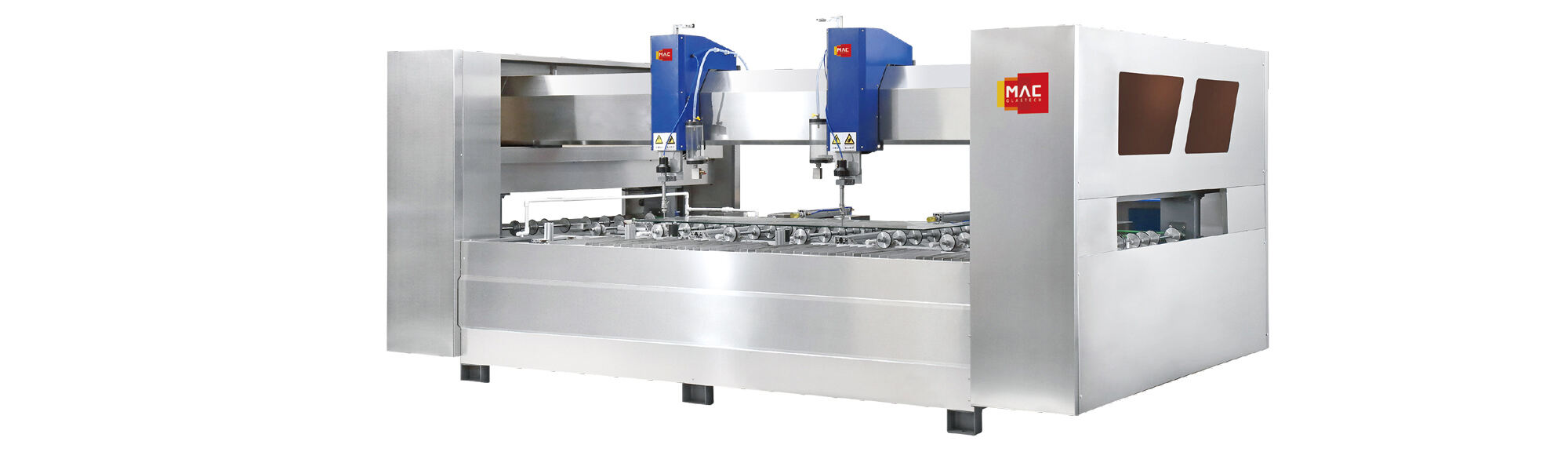
desktop waterjet cutting machine
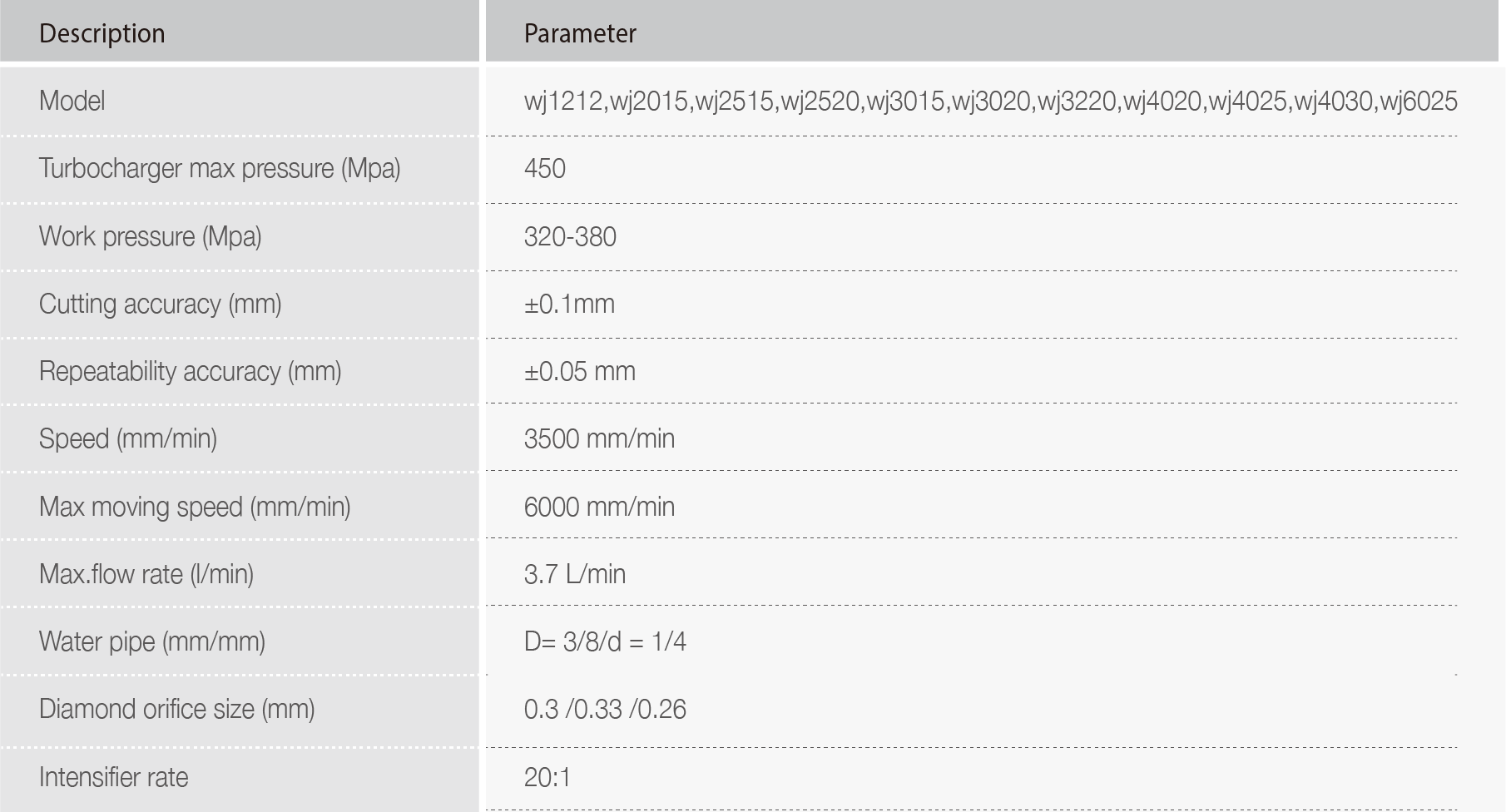
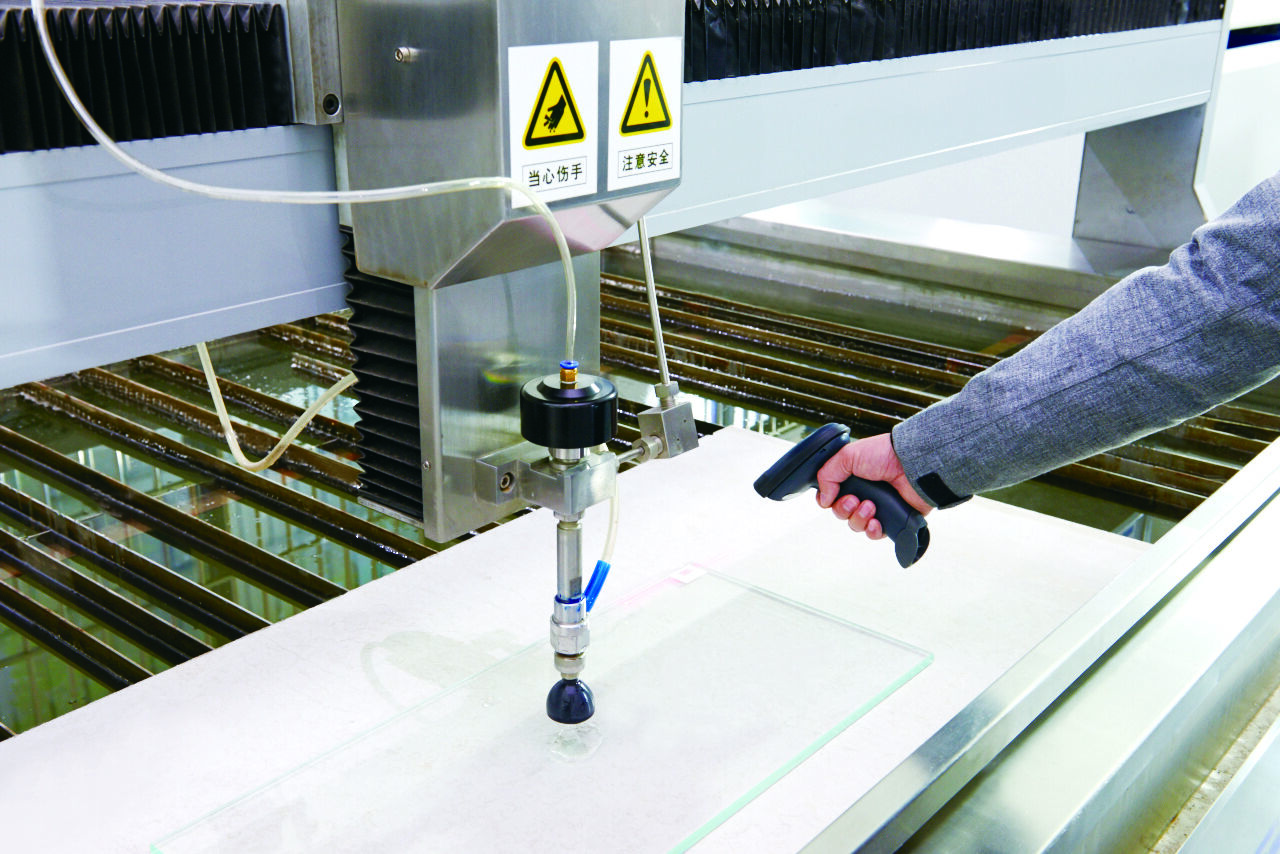
The desktop waterjet cutting machine represents a compact yet powerful solution for precision cutting across diverse materials. This innovative equipment harnesses the force of ultra-high-pressure water, often mixed with abrasive particles, to slice through materials with exceptional accuracy. Unlike traditional cutting methods that rely on heat or mechanical force, this technology employs a stream of water pressurized to approximately 60,000 pounds per square inch, creating a cutting tool that operates at room temperature. The desktop waterjet cutting machine is specifically engineered to fit within smaller workshop environments, making professional-grade cutting accessible to businesses with limited floor space. Its primary functions include cutting, shaping, and drilling through materials ranging from soft rubbers and foams to hardened metals, glass, stone, and composites. The technological features incorporate advanced motion control systems that guide the cutting head with micro-precision, typically achieving tolerances within 0.003 inches. Modern units integrate computer numerical control systems, allowing operators to program complex cutting patterns directly from digital design files. The machine's compact footprint does not compromise its capabilities, as it maintains the same fundamental technology found in larger industrial systems. Applications span numerous industries including jewelry making, prototype development, educational institutions, small-scale manufacturing, art studios, and research facilities. Craftsmen utilize these machines to create intricate designs in metal and stone, while engineers depend on them for producing prototype components that require exact specifications. The desktop waterjet cutting machine excels in scenarios where material integrity must be preserved, as the cold-cutting process eliminates heat-affected zones, warping, and hardening that plague thermal cutting methods. Its versatility extends to layered materials and delicate substrates that would otherwise be damaged by conventional cutting techniques, making it an indispensable tool for innovation-driven workshops and specialized production environments.
 EN
EN
 AR
AR
 BG
BG
 HR
HR
 CS
CS
 DA
DA
 NL
NL
 FI
FI
 FR
FR
 DE
DE
 EL
EL
 HI
HI
 IT
IT
 JA
JA
 KO
KO
 PL
PL
 PT
PT
 RO
RO
 RU
RU
 ES
ES
 SV
SV
 TL
TL
 IW
IW
 LV
LV
 LT
LT
 SK
SK
 SL
SL
 UK
UK
 VI
VI
 ET
ET
 HU
HU
 MT
MT
 TH
TH
 TR
TR
 FA
FA
 MS
MS
 SW
SW
 GA
GA
 AZ
AZ