Versatile Manufacturing Integration and Application Flexibility
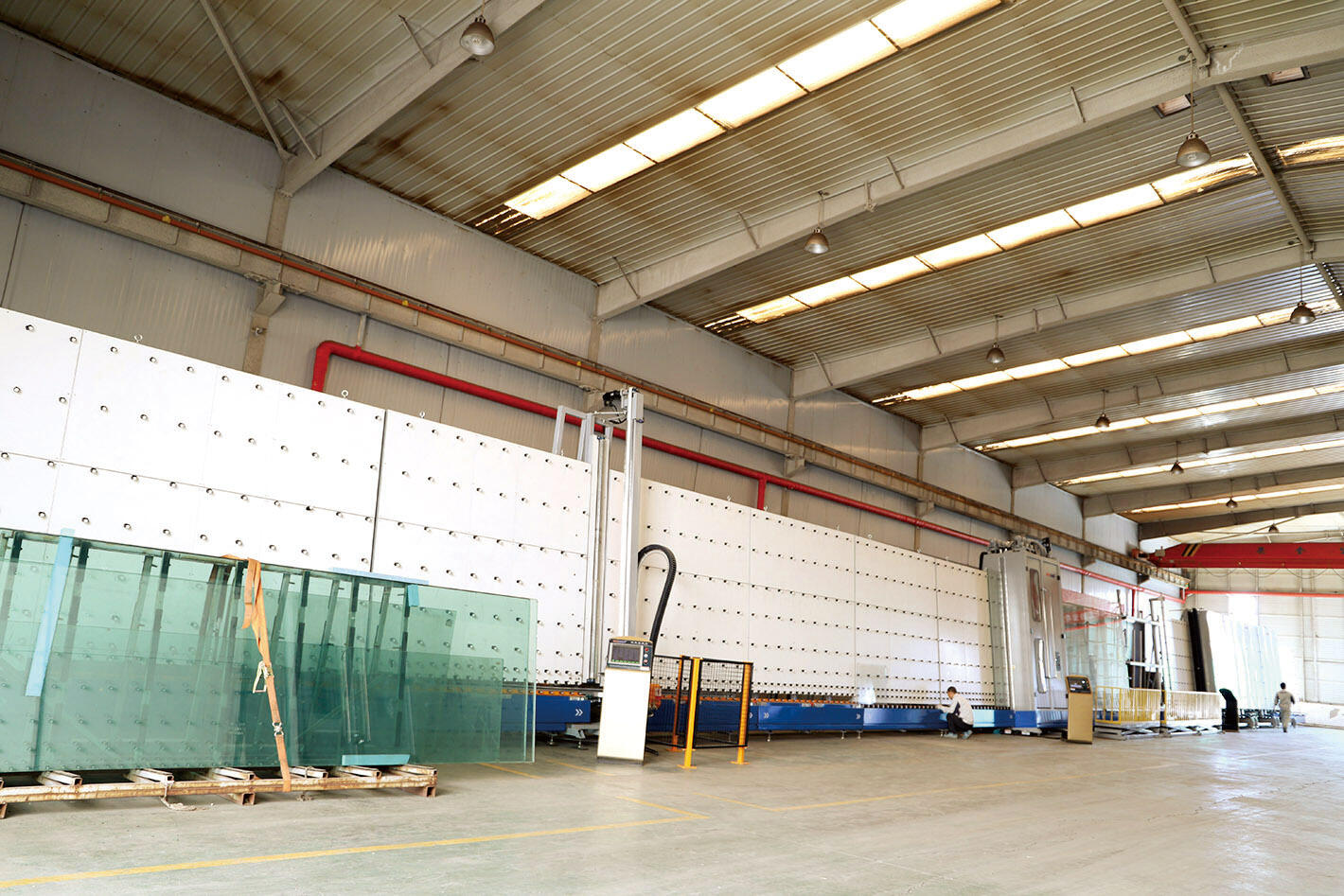
The manufacturing versatility and application adaptability of the aluminium spacer for insulating glass enable it to meet diverse project requirements ranging from standard residential windows to complex commercial curtain walls and specialized industrial glazing systems. Aluminium's exceptional extrudability allows manufacturers to produce spacer profiles in virtually unlimited cross-sectional geometries, accommodating various glass thicknesses, cavity dimensions, and functional requirements through tooling changes rather than fundamental process modifications. This manufacturing flexibility supports rapid customization for specific project needs, enabling architects and builders to specify optimized spacer configurations that balance thermal performance, structural requirements, aesthetic considerations, and budget constraints. The aluminium spacer for insulating glass integrates seamlessly with automated fabrication equipment used throughout the insulated glass manufacturing industry, facilitating high-volume production with consistent quality and dimensional accuracy. Standard profile dimensions and corner assembly techniques ensure compatibility across different manufacturers' equipment and established industry practices, reducing training requirements and simplifying supply chain management for glass fabricators. Surface treatment options including anodizing, powder coating, and various finishes allow the aluminium spacer to match aesthetic requirements in applications where spacer edges remain visible, supporting architectural visions that incorporate exposed structural elements or distinctive color schemes. The material compatibility extends to various sealant systems including polysulfide, polyurethane, and silicone formulations, providing flexibility to select optimal sealant types based on specific performance requirements, climate conditions, and compatibility with glass coatings or treatments. Application versatility enables the aluminium spacer for insulating glass to function effectively across temperature extremes from arctic installations experiencing temperatures below minus forty degrees to tropical environments with sustained heat and high humidity levels. This temperature tolerance stems from aluminium's thermal stability and the material's predictable thermal expansion characteristics that prevent seal stress from differential movement between spacer and glass components. Specialty applications benefit from aluminium spacer adaptability, including refrigerated display cases requiring reliable moisture barriers, automotive glass demanding lightweight components, and acoustic glazing systems where cavity dimensions critically influence sound attenuation performance. The recyclability of aluminium supports sustainable building practices and circular economy principles, as end-of-life window units yield valuable aluminium scrap that reprocesses into new products without quality degradation, reducing environmental impact and supporting green building certification requirements. Project scalability ranges from small residential retrofit installations to massive commercial developments requiring thousands of insulated glass units, with aluminium spacer technology delivering consistent performance regardless of project scale or complexity.
 EN
EN
 AR
AR
 BG
BG
 HR
HR
 CS
CS
 DA
DA
 NL
NL
 FI
FI
 FR
FR
 DE
DE
 EL
EL
 HI
HI
 IT
IT
 JA
JA
 KO
KO
 PL
PL
 PT
PT
 RO
RO
 RU
RU
 ES
ES
 SV
SV
 TL
TL
 IW
IW
 LV
LV
 LT
LT
 SK
SK
 SL
SL
 UK
UK
 VI
VI
 ET
ET
 HU
HU
 MT
MT
 TH
TH
 TR
TR
 FA
FA
 MS
MS
 SW
SW
 GA
GA
 AZ
AZ