Laminated Automotive Glass: Superior Safety, Comfort and Protection for Modern Vehicles

All Categories

Get a Free Quote

Our representative will contact you soon.
Email
Name
Company Name
Message
0/1000

laminated automotive glass

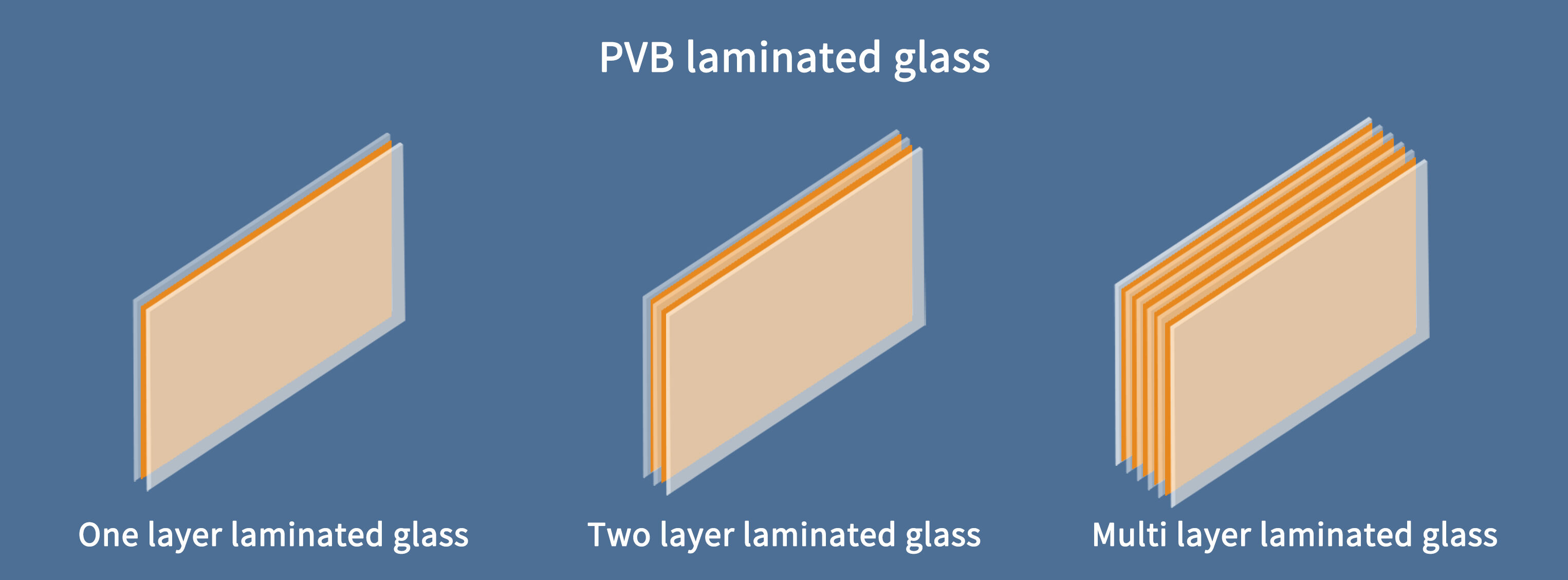
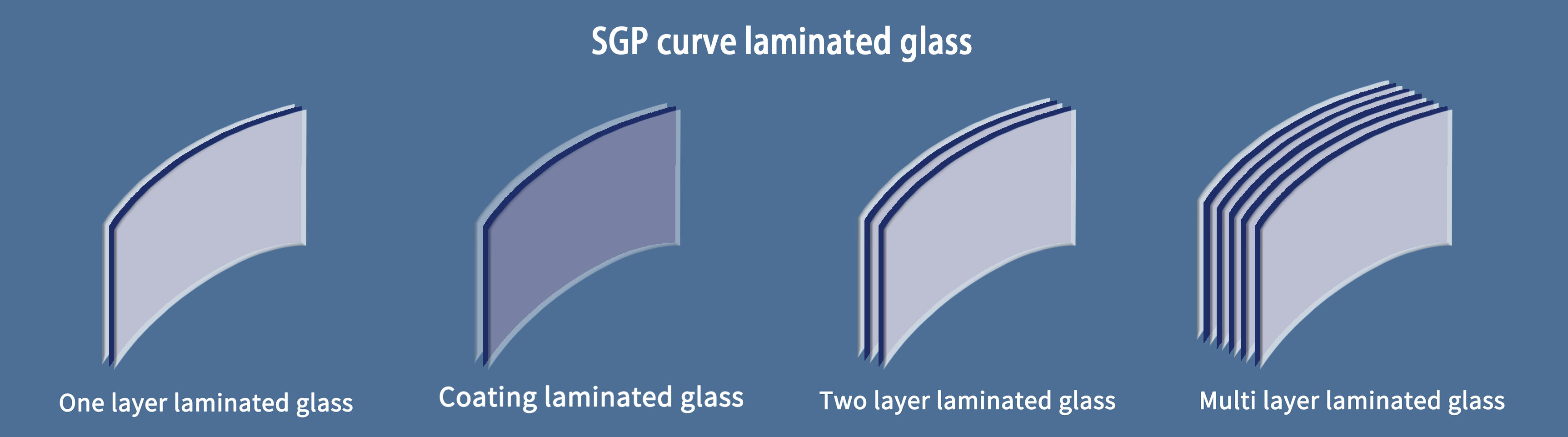
Laminated automotive glass represents a critical safety innovation in modern vehicle design, combining multiple layers of materials to create a robust protective barrier for drivers and passengers. This specialized glass consists of two or more sheets of glass bonded together with an interlayer, typically made from polyvinyl butyral or similar polymers. The laminated automotive glass serves as the primary windshield material in virtually all contemporary vehicles, offering protection that extends far beyond conventional single-pane glass solutions. The main function of laminated automotive glass centers on occupant safety during collisions or impacts. When struck by debris or involved in accidents, this glass maintains its structural integrity rather than shattering into dangerous shards. The interlayer holds glass fragments together, preventing them from becoming projectiles that could injure vehicle occupants. This containment property makes laminated automotive glass essential for frontal vehicle protection. Technological features of laminated automotive glass include advanced acoustic dampening properties that reduce road noise entering the cabin, creating a quieter driving environment. Modern iterations incorporate ultraviolet ray filtration, blocking up to 99 percent of harmful UV radiation that can damage interior materials and pose health risks to passengers. Some premium laminated automotive glass variants feature heated elements for defrosting, antenna integration for improved signal reception, and even heads-up display compatibility. The manufacturing process involves precise temperature and pressure controls to ensure perfect adhesion between layers without bubbles or distortions that could impair visibility. Applications of laminated automotive glass extend beyond windshields to include side windows, rear windows, and sunroofs in luxury and safety-focused vehicles. The automotive industry increasingly adopts this technology across all window positions to maximize protection. Specialty vehicles such as armored cars utilize thicker laminated automotive glass configurations for enhanced security. The technology also finds applications in architectural settings, demonstrating its versatility beyond transportation. As vehicle safety standards evolve globally, laminated automotive glass continues to advance with innovations in impact resistance, optical clarity, and integrated smart technologies that enhance both safety and convenience for modern drivers.

New Product Recommendations

The advantages of laminated automotive glass create compelling reasons for vehicle manufacturers and owners to prioritize this technology. First and foremost, this glass dramatically improves passenger safety during accidents. Unlike traditional glass that explodes into countless sharp pieces upon impact, laminated automotive glass holds together even when cracked. The plastic interlayer acts as a safety net, catching glass fragments and maintaining a protective barrier. This feature proves especially valuable in rollover accidents where the roof structure depends on windshield strength to prevent collapse. Occupants remain better protected from ejection through windows, which statistics show significantly reduces fatality rates in severe crashes. Another substantial advantage involves theft deterrence. Laminated automotive glass resists break-in attempts far better than standard glass. Thieves find it extremely difficult to quickly smash through this material, as repeated strikes merely create cracks without providing access. This resistance gives vehicle owners peace of mind when parking in public areas. The time and noise required to breach laminated automotive glass typically discourage criminals who seek quick, quiet entry. Sound insulation represents a practical daily benefit that enhances driving comfort. Laminated automotive glass blocks external noise pollution more effectively than regular glass, reducing highway roar, traffic sounds, and environmental disturbances. Drivers experience less fatigue on long journeys when cabin noise levels remain lower. Conversations become easier, and audio systems perform better without competing against intrusive outside sounds. This acoustic advantage transforms the driving experience into something more refined and pleasant. UV protection offers health and preservation benefits that extend throughout vehicle ownership. Laminated automotive glass filters harmful ultraviolet radiation before it enters the cabin, protecting skin from sun damage during daily commutes and long trips. This same protection prevents dashboard materials, upholstery, and interior trim from fading and cracking over time. Vehicles maintain their aesthetic appeal and resale value longer when interiors remain shielded from solar degradation. Climate control efficiency improves as well, since laminated automotive glass with solar control properties reduces heat buildup inside parked vehicles. Air conditioning systems work less strenuously to maintain comfortable temperatures, potentially lowering fuel consumption. Security advantages matter for families and valuable cargo transport. Laminated automotive glass creates a stronger barrier against forced entry, protecting both occupants and contents. Parents appreciate knowing their children travel behind glass that resists shattering in accidents or vandalism attempts. Business vehicles carrying equipment or merchandise benefit from this enhanced protection against smash-and-grab theft. The durability of laminated automotive glass means fewer replacements over vehicle lifetimes. While initial costs may exceed standard glass, the longevity and reduced maintenance requirements provide economic advantages. Chip and crack resistance surpasses conventional glass, and when damage occurs, the laminated structure often allows for repair rather than full replacement, saving money and resources while maintaining safety standards that protect what matters most.

Practical Tips

Why Are Glass Drilling Machines Vital in Automotive and Construction Industries?

28

Oct

Why Are Glass Drilling Machines Vital in Automotive and Construction Industries?

The Evolution of Glass Processing Technology in Modern Industries The landscape of industrial manufacturing has been transformed by the advent of sophisticated glass drilling machines, revolutionizing how we process and manipulate glass materials. Th...
View More
Why Are Smart Glass Cutting Lines Becoming the Standard in Factories?

28

Oct

Why Are Smart Glass Cutting Lines Becoming the Standard in Factories?

The Revolution of Automated Glass Processing in Modern Manufacturing The manufacturing landscape is undergoing a dramatic transformation as smart glass cutting lines increasingly become the backbone of modern glass processing facilities. These sophis...
View More
How Can Double Edgers Improve Efficiency and Reduce Waste?

24

Nov

How Can Double Edgers Improve Efficiency and Reduce Waste?

In today's competitive manufacturing landscape, companies are constantly seeking ways to enhance operational efficiency while minimizing material waste. Double edgers have emerged as a pivotal solution for businesses processing sheet materials, offer...
View More
What Maintenance Practices Keep Double Edgers Performing Optimally?

24

Nov

What Maintenance Practices Keep Double Edgers Performing Optimally?

Double edgers represent sophisticated industrial machinery that requires systematic maintenance protocols to ensure consistent performance and operational longevity. These precision instruments, commonly utilized in glass processing facilities and ma...
View More

Get a Free Quote

Our representative will contact you soon.
Email
Name
Company Name
Message
0/1000

laminated automotive glass

Superior Impact Protection and Structural Integrity

Superior Impact Protection and Structural Integrity

Laminated automotive glass delivers unmatched impact protection through its sophisticated multi-layer construction that fundamentally changes how vehicle glass responds to force. The engineering behind this protection involves bonding two sheets of glass with a resilient plastic interlayer that creates a composite material stronger than the sum of its parts. When projectiles strike laminated automotive glass, the outer layer may crack, but the inner layer and bonding material work together to prevent penetration. This design philosophy recognizes that real-world driving conditions expose vehicles to various hazards, from gravel kicked up by other vehicles to more serious collision scenarios. The structural integrity maintained by laminated automotive glass during impacts serves multiple protective functions simultaneously. During frontal collisions, the windshield contributes to overall vehicle rigidity, supporting the roof structure and helping maintain passenger compartment integrity. Testing demonstrates that vehicles with laminated automotive glass in windshield positions show improved performance in rollover scenarios, where roof crush resistance directly correlates with survival rates. The glass essentially becomes part of the vehicle's safety cage rather than simply a transparent panel. This structural contribution proves especially critical in modern vehicles designed with crumple zones that deliberately deform during impacts to absorb energy. The passenger cell must remain intact while surrounding areas collapse in controlled fashion, and laminated automotive glass plays an essential role in this safety architecture. Beyond collision scenarios, laminated automotive glass protects against everyday hazards that could otherwise cause injury or property damage. Flying rocks, hailstorms, and debris from truck cargo present constant risks on highways and rural roads. Standard glass responds to these impacts catastrophically, showering occupants with fragments and potentially causing loss of vehicle control. Laminated automotive glass absorbs these impacts while maintaining visibility and protection. Drivers can safely navigate to roadside assistance even with damaged windshields, whereas conventional glass failures often necessitate immediate停止 and emergency services. The bonding interlayer technology continues advancing with newer polymer formulations that enhance impact resistance while reducing weight. Manufacturers now produce laminated automotive glass that meets increasingly stringent safety regulations worldwide without adding excessive mass that could negatively affect fuel efficiency. This balance between protection and practicality makes laminated automotive glass the optimal solution for modern transportation needs, providing confidence that vehicle occupants travel behind barriers engineered specifically to keep them safe under the most challenging conditions imaginable.
Advanced Acoustic Comfort and Noise Reduction

Advanced Acoustic Comfort and Noise Reduction

The acoustic performance of laminated automotive glass transforms vehicle cabins into quiet sanctuaries isolated from the harsh noise environment surrounding modern roads. This sound-dampening capability stems from the viscoelastic properties of the plastic interlayer sandwiched between glass sheets. Sound waves attempting to pass through laminated automotive glass encounter a material system that absorbs and dissipates vibrational energy rather than transmitting it efficiently. The physics involved creates what acoustical engineers call a damped resonance system, where the interlayer prevents the glass panels from vibrating sympathetically with external noise sources. Traffic noise, particularly from heavy trucks and motorcycles, generates low-frequency rumble that penetrates conventional vehicle glass easily, creating fatigue and stress during extended driving. Laminated automotive glass specifically targets these problematic frequencies, reducing intrusion by measurable decibels that translate into noticeably quieter cabins. Wind noise at highway speeds represents another acoustic challenge that this technology addresses effectively. As vehicles travel faster, aerodynamic turbulence around mirrors, pillars, and window edges generates high-frequency whistling and rushing sounds. The damping characteristics of laminated automotive glass prevent these disturbances from entering the passenger compartment as readily as they would through standard glass. Drivers and passengers enjoy conversations at normal voice levels even at highway speeds, and audio entertainment systems deliver clearer sound without requiring excessive volume to overcome background noise. The comfort benefits extend to reduced driver fatigue on long journeys, as constant noise exposure measurably increases stress levels and decreases alertness over time. Premium vehicle manufacturers recognize that acoustic refinement serves as a key differentiator in luxury markets, and laminated automotive glass throughout all window positions creates the serene environment discerning customers expect. The technology allows automotive designers to achieve noise reduction targets without adding substantial weight through alternative sound-deadening materials in doors and body panels. This efficiency matters greatly as manufacturers balance comfort features against fuel economy and emissions requirements. Beyond simply blocking external sounds, laminated automotive glass creates better cabin acoustics for occupants. Audio systems benefit from reduced external interference, allowing speakers to reproduce music and voice with greater clarity and dynamic range. Telephone conversations through hands-free systems become more intelligible when background noise decreases. The improved acoustic environment contributes to overall vehicle refinement that enhances brand perception and owner satisfaction throughout the ownership experience, making laminated automotive glass an investment in daily driving pleasure that pays dividends every time someone enters the vehicle.
Comprehensive UV Protection and Interior Preservation

Comprehensive UV Protection and Interior Preservation

Laminated automotive glass provides comprehensive ultraviolet radiation protection that safeguards both vehicle occupants and interior components from the damaging effects of solar exposure. The interlayer material inherently blocks approximately 99 percent of UV rays, creating a protective barrier that functions continuously without requiring special coatings or treatments that might degrade over time. This protection addresses health concerns associated with prolonged sun exposure during driving, particularly for professional drivers, sales representatives, and others who spend substantial hours behind the wheel. Medical research links UV exposure to skin aging, cellular damage, and increased cancer risk, making this protective function of laminated automotive glass genuinely significant for long-term health outcomes. Unlike sunscreen that requires regular application and offers time-limited protection, laminated automotive glass works automatically and permanently throughout the vehicle's service life. The transparency to visible light remains high while harmful ultraviolet wavelengths get filtered out, allowing drivers to see clearly while staying protected. This selective filtration represents sophisticated materials engineering that balances competing requirements for optical clarity and radiation blocking. Interior preservation represents another compelling advantage that protects the substantial investment vehicle ownership represents. Dashboard materials, particularly plastics and synthetic surfaces, degrade rapidly under UV exposure, becoming brittle, discolored, and cracked. Leather and fabric upholstery fade noticeably, with sun-exposed areas developing lighter patches that diminish aesthetic appeal and resale value. Laminated automotive glass with UV filtering capabilities dramatically slows this degradation process, helping vehicles maintain showroom appearance years longer than those with standard glass. The economic implications become clear when considering replacement costs for sun-damaged interiors or the reduced resale values affecting vehicles with faded, deteriorated cabins. Beyond visible surfaces, electronic components and wiring insulation also suffer from UV exposure that accelerates aging and increases failure rates. Modern vehicles contain sophisticated electronics controlling everything from entertainment systems to critical safety features. Protecting these investments through laminated automotive glass UV filtration extends component life and reduces maintenance expenses over ownership periods. The solar heat reduction properties often incorporated into advanced laminated automotive glass formulations complement UV protection by reducing infrared radiation transmission. This combination keeps cabin temperatures lower when vehicles sit parked in sunlight, reducing the initial blast of heat when drivers return and decreasing air conditioning loads required to restore comfort. Lower cooling demands translate directly into reduced fuel consumption and emissions, creating environmental benefits alongside comfort improvements. The cumulative effect of UV and heat reduction makes laminated automotive glass an essential component in sustainable vehicle design that considers long-term environmental impact alongside immediate functionality and protection requirements that matter to every vehicle owner.