toughened and laminated glass
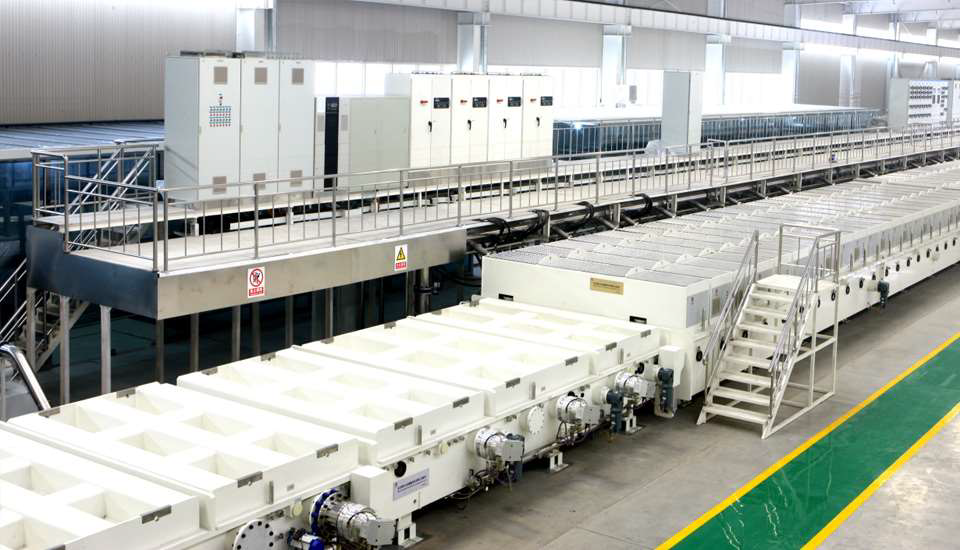
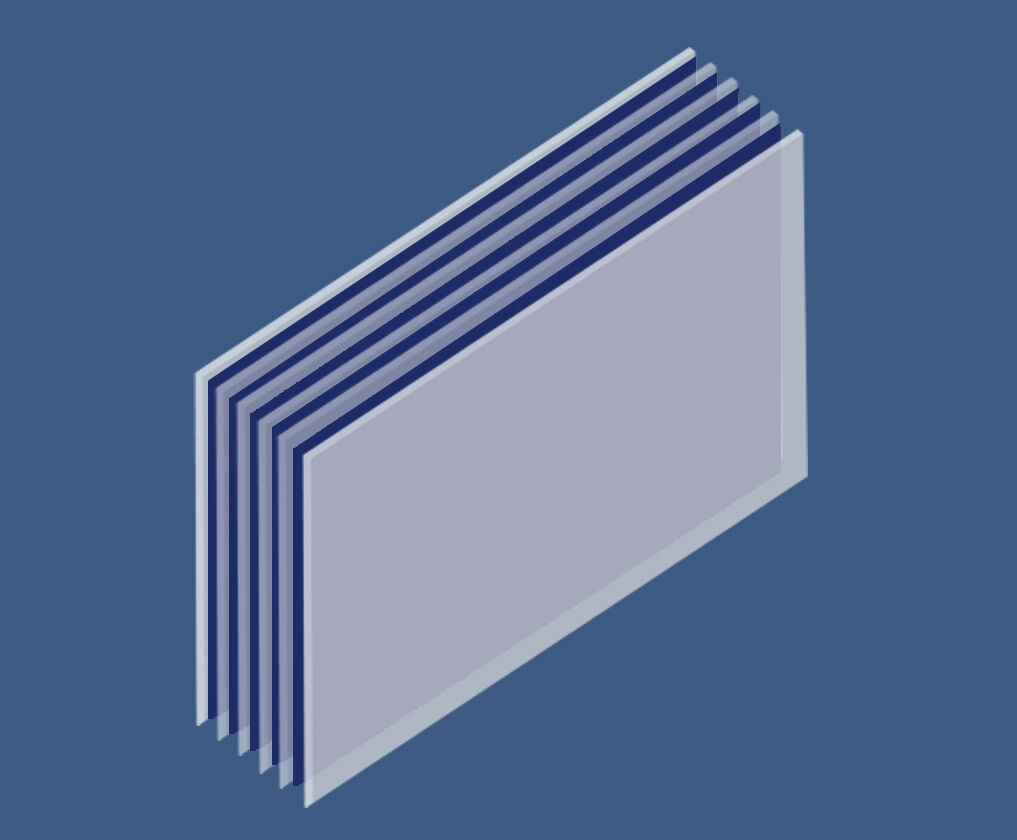
Toughened and laminated glass represents a sophisticated fusion of two powerful glazing technologies, creating a premium safety glass solution that delivers exceptional performance across residential, commercial, and industrial applications. This innovative material combines the strength characteristics of tempered glass with the security features of laminated construction, resulting in a product that offers unparalleled protection and reliability. The manufacturing process involves subjecting glass to controlled thermal treatment, heating it to approximately 620 degrees Celsius before rapidly cooling it through specialized air jets. This tempering process creates balanced internal stresses that make the glass up to five times stronger than standard annealed glass. Subsequently, multiple glass layers are bonded together using polyvinyl butyral interlayers or other advanced polymeric materials under heat and pressure, creating a unified composite structure. The technological innovation behind toughened and laminated glass addresses critical safety concerns in modern architecture and design. When subjected to impact, the toughened component provides initial resistance, while the laminated structure ensures that even if breakage occurs, glass fragments remain adhered to the interlayer rather than scattering dangerously. This dual-action safety mechanism makes toughened and laminated glass ideal for overhead glazing, balustrades, floor panels, storefronts, and security-sensitive installations. The material excels in sound insulation properties, reducing noise transmission by up to 35 decibels depending on thickness and configuration. Additionally, toughened and laminated glass offers excellent ultraviolet radiation filtering, blocking up to 99 percent of harmful UV rays while maintaining optimal visible light transmission. The versatility of this glazing solution extends to various aesthetic applications, as manufacturers can incorporate colored interlayers, decorative patterns, or smart glass technologies within the laminated structure. Environmental considerations further enhance its appeal, as the material contributes to energy efficiency through thermal insulation properties, helping reduce heating and cooling costs in buildings while maintaining structural integrity across diverse climate conditions.
 EN
EN
 AR
AR
 BG
BG
 HR
HR
 CS
CS
 DA
DA
 NL
NL
 FI
FI
 FR
FR
 DE
DE
 EL
EL
 HI
HI
 IT
IT
 JA
JA
 KO
KO
 PL
PL
 PT
PT
 RO
RO
 RU
RU
 ES
ES
 SV
SV
 TL
TL
 IW
IW
 LV
LV
 LT
LT
 SK
SK
 SL
SL
 UK
UK
 VI
VI
 ET
ET
 HU
HU
 MT
MT
 TH
TH
 TR
TR
 FA
FA
 MS
MS
 SW
SW
 GA
GA
 AZ
AZ