Exceptional Acoustic Insulation For Peaceful Living And Working Environments
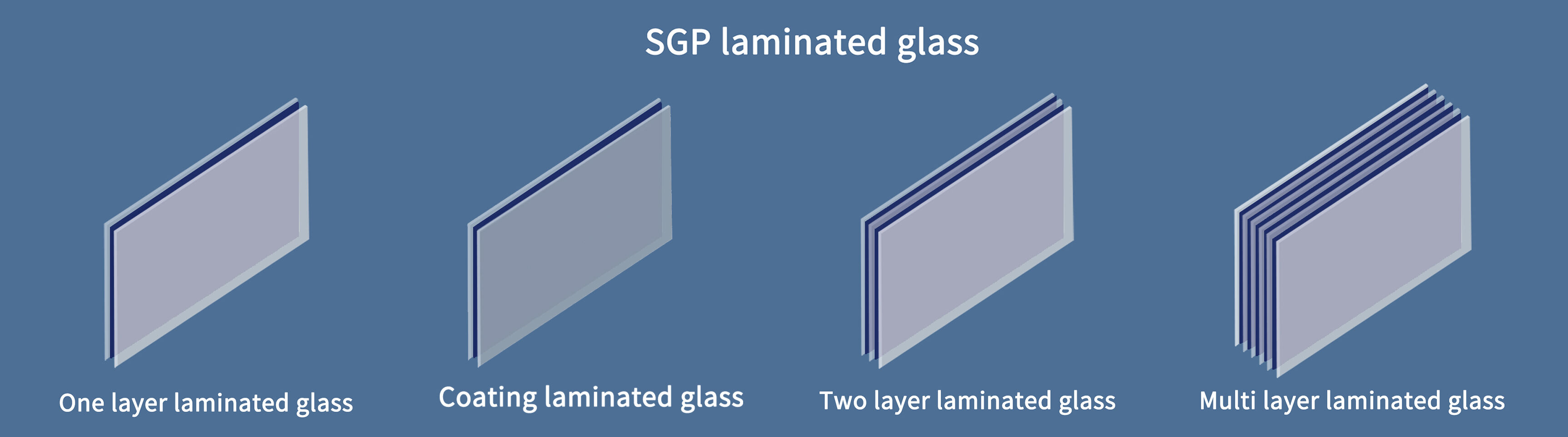
Modern urban life subjects people to constant noise pollution that degrades quality of life, disrupts sleep patterns, reduces workplace productivity, and contributes to stress-related health problems. Traffic rumble, aircraft overhead, construction activities, industrial operations, and dense neighborhood sounds create acoustic environments that standard glazing fails to adequately control. The laminated glass pane provides exceptional sound insulation that transforms noisy spaces into peaceful sanctuaries where rest, concentration, and conversation occur without interference from external disturbances. This acoustic performance derives from the laminated glass pane's multi-layer construction and the damping properties of the polymer interlayer. Sound travels as vibrations through air and solid materials, with standard single-pane glass offering minimal resistance to transmission. The sound waves easily excite the glass, causing it to vibrate and re-radiate noise into interior spaces. Even dual-pane insulated glass units show limitations because sound bridges through the frame connections and excites both panes. The laminated glass pane interrupts this transmission path through the viscoelastic interlayer that absorbs vibrational energy rather than transferring it efficiently. When sound waves strike the exterior glass surface, they generate vibrations that attempt to travel through the material. As these vibrations reach the interlayer, the polymer's molecular structure converts mechanical energy into heat through internal friction, significantly reducing the amplitude of vibrations reaching the interior glass layer. This damping effect proves particularly effective across frequencies that humans find most disturbing, including traffic noise, conversation, and machinery sounds. Acoustic engineers measure sound insulation using the Sound Transmission Class rating, where higher numbers indicate better performance. Standard single-pane glass typically achieves STC ratings of 26-28, allowing substantial noise penetration. A laminated glass pane with appropriate thickness and interlayer selection reaches STC ratings of 35-40 or higher, representing a dramatic reduction in perceived loudness. Specialized acoustic laminated glass panes incorporating multiple interlayers or varying glass thicknesses achieve even higher performance, rivaling solid masonry walls for sound blocking capability. Residential applications of acoustic laminated glass panes dramatically improve sleep quality for homeowners near busy roads, railways, or flight paths. The reduction in nighttime noise intrusions allows uninterrupted rest cycles, improving health outcomes and daily energy levels. Home offices and study areas benefit from reduced distraction, enabling focus and productivity that noisy environments compromise. Open-plan living spaces maintain tranquility despite external urban intensity, making properties more enjoyable and valuable. Commercial and institutional settings gain substantial advantages from acoustic laminated glass panes. Corporate offices maintain confidentiality and reduce distraction in meeting rooms and executive spaces. Healthcare facilities protect patient rest and privacy while maintaining visual supervision. Educational institutions create learning environments free from disruptive external noise that impairs concentration and comprehension. Hotels ensure guest satisfaction by blocking street noise that standard glazing allows through. Recording studios, performance venues, and broadcasting facilities depend on acoustic laminated glass panes to maintain sound isolation while providing visual connections.
 EN
EN
 AR
AR
 BG
BG
 HR
HR
 CS
CS
 DA
DA
 NL
NL
 FI
FI
 FR
FR
 DE
DE
 EL
EL
 HI
HI
 IT
IT
 JA
JA
 KO
KO
 PL
PL
 PT
PT
 RO
RO
 RU
RU
 ES
ES
 SV
SV
 TL
TL
 IW
IW
 LV
LV
 LT
LT
 SK
SK
 SL
SL
 UK
UK
 VI
VI
 ET
ET
 HU
HU
 MT
MT
 TH
TH
 TR
TR
 FA
FA
 MS
MS
 SW
SW
 GA
GA
 AZ
AZ