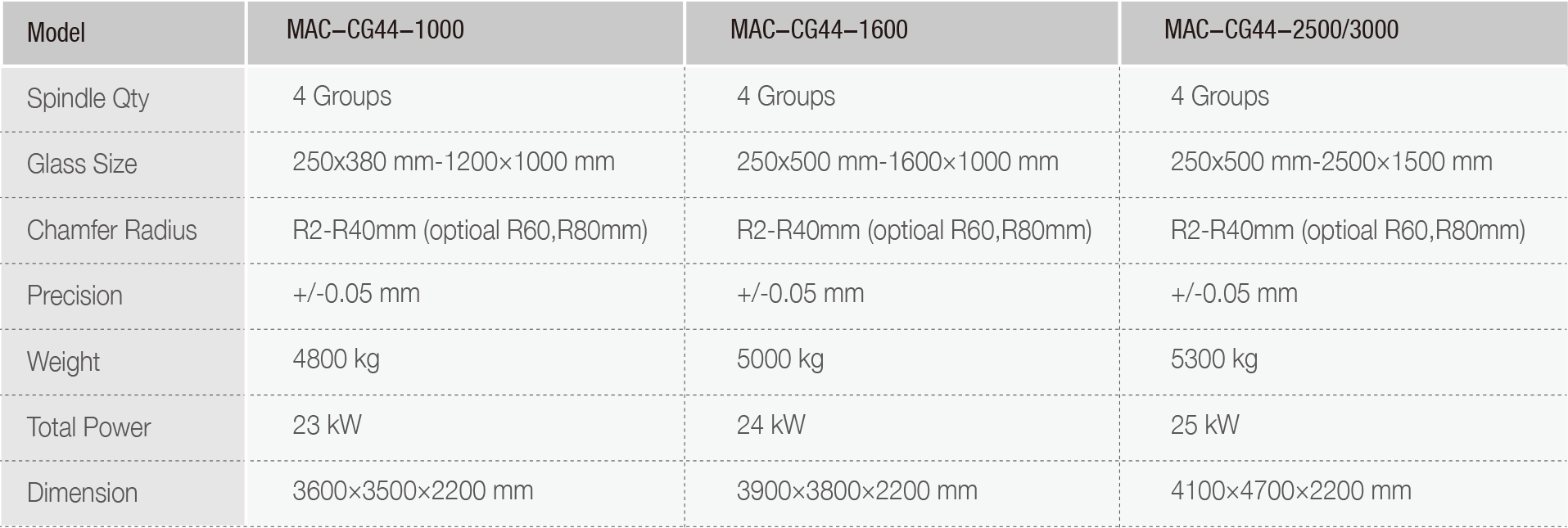
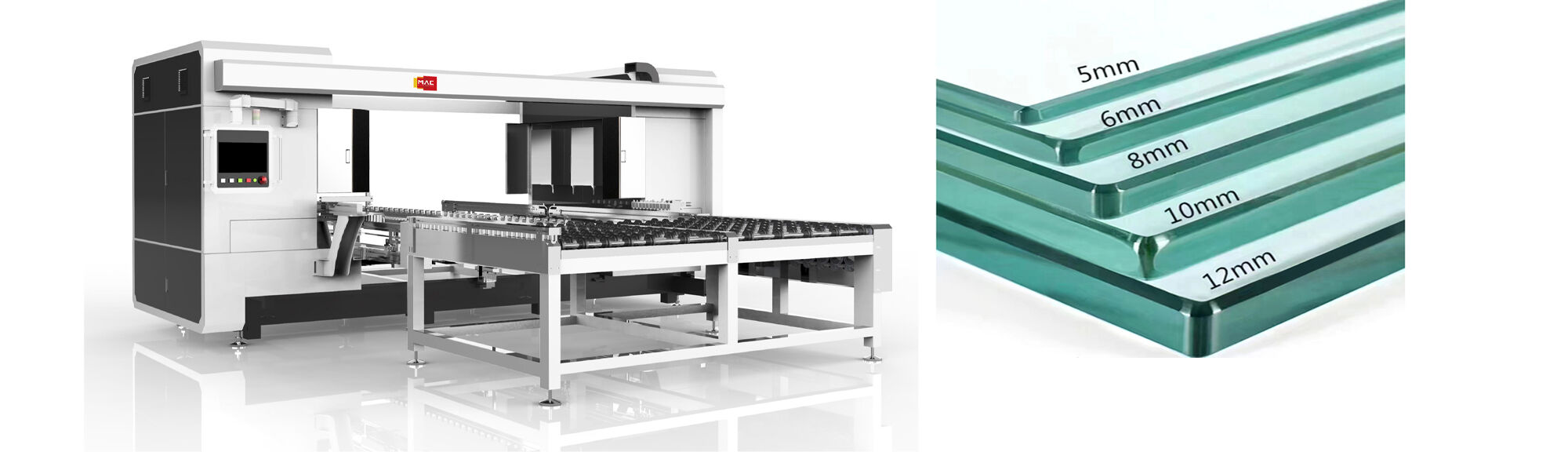
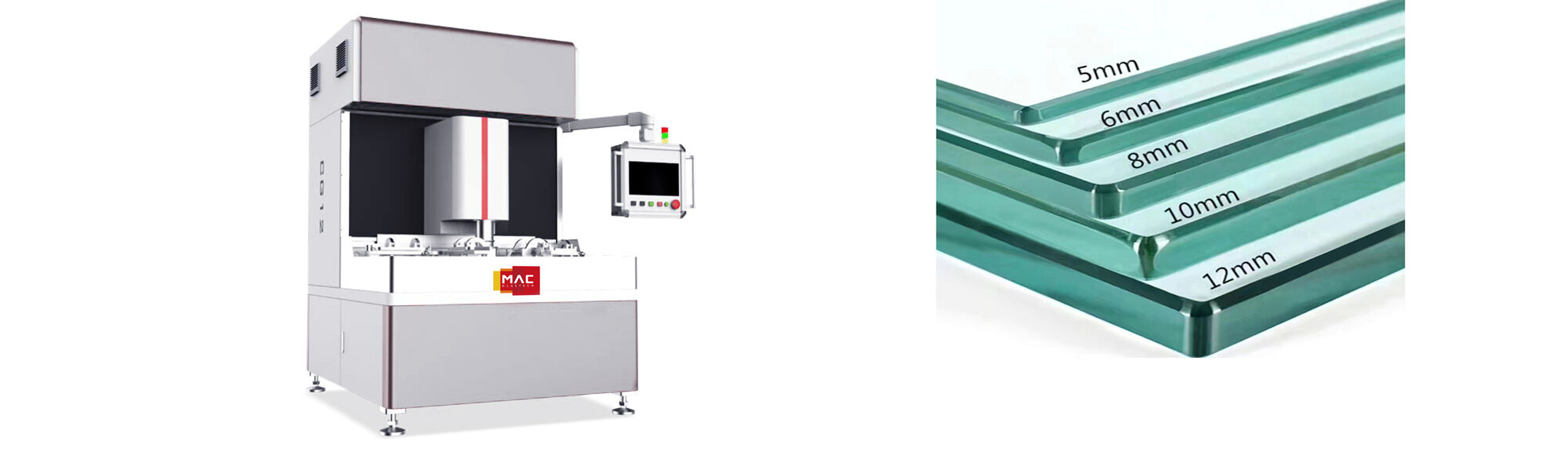
rotary grinder machine
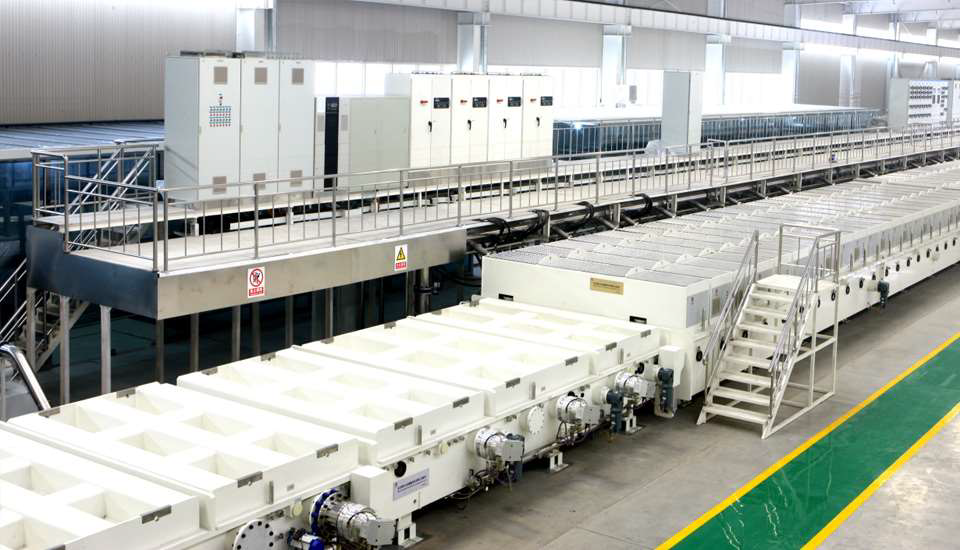
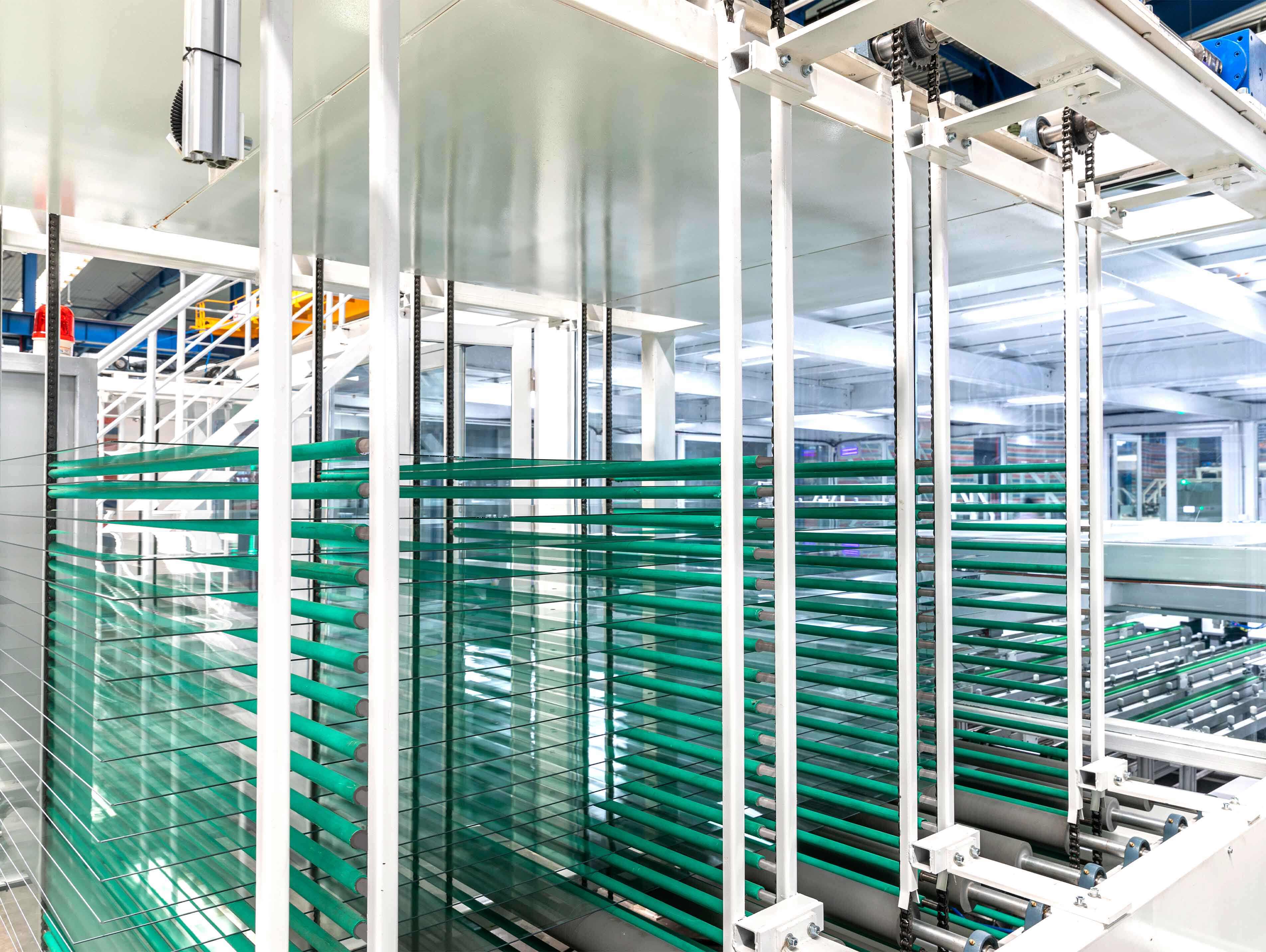
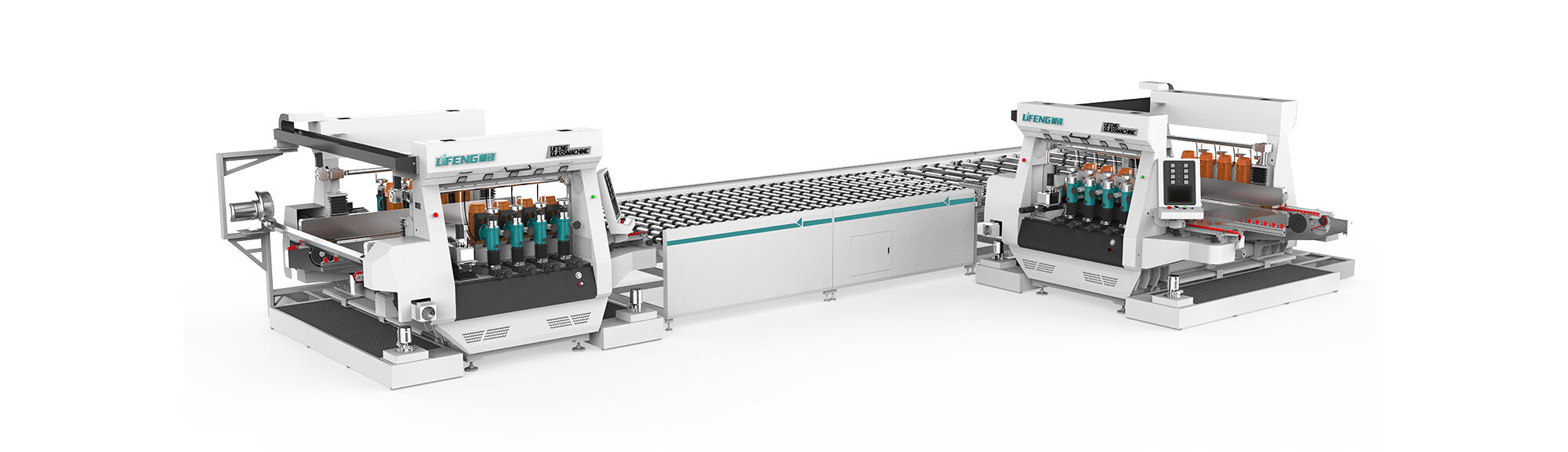
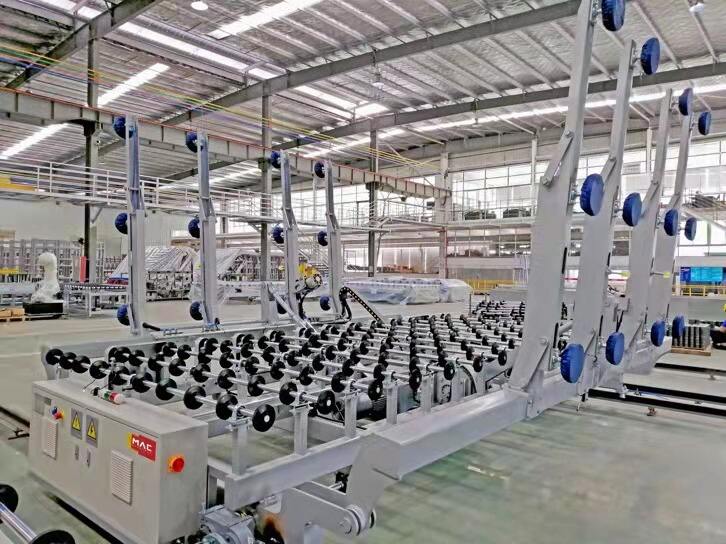
The rotary grinder machine represents a fundamental piece of equipment in modern industrial material processing operations. This sophisticated grinding system utilizes a rotating mechanism to reduce materials into finer particles through mechanical force and friction. At its core, the rotary grinder machine features a cylindrical chamber that rotates around a horizontal or slightly inclined axis, creating a tumbling action that facilitates efficient size reduction. The machine operates by accepting raw materials through a feed hopper, where they enter the grinding chamber containing grinding media such as steel balls, rods, or ceramic elements. As the chamber rotates, the combination of impact, attruation, and abrasion breaks down materials to the desired fineness. The technological architecture of the rotary grinder machine incorporates precision-engineered components including high-grade bearings, robust drive systems, and wear-resistant linings that ensure consistent performance under demanding conditions. Modern rotary grinder machines integrate advanced control systems that allow operators to adjust rotation speed, feed rate, and operational parameters to optimize grinding efficiency for specific materials. These machines find extensive applications across diverse industries including mining operations where they process ore materials, cement manufacturing facilities for clinker grinding, chemical plants for powder production, pharmaceutical companies for ingredient preparation, and food processing units for spice and grain milling. The versatility of the rotary grinder machine extends to processing both wet and dry materials, making it adaptable to various production requirements. Different configurations such as ball mills, rod mills, and SAG mills offer specialized capabilities for specific particle size reduction needs. The machine's ability to handle large volumes continuously while maintaining consistent output quality makes it indispensable for high-capacity production environments. Environmental considerations have led to the development of enclosed rotary grinder machines that minimize dust emissions and noise pollution, aligning with contemporary sustainability standards.
 EN
EN
 AR
AR
 BG
BG
 HR
HR
 CS
CS
 DA
DA
 NL
NL
 FI
FI
 FR
FR
 DE
DE
 EL
EL
 HI
HI
 IT
IT
 JA
JA
 KO
KO
 PL
PL
 PT
PT
 RO
RO
 RU
RU
 ES
ES
 SV
SV
 TL
TL
 IW
IW
 LV
LV
 LT
LT
 SK
SK
 SL
SL
 UK
UK
 VI
VI
 ET
ET
 HU
HU
 MT
MT
 TH
TH
 TR
TR
 FA
FA
 MS
MS
 SW
SW
 GA
GA
 AZ
AZ