Rotary Surface Grinding Machine - Precision Grinding Solutions for Industrial Manufacturing

All Categories

Get a Free Quote

Our representative will contact you soon.
Email
Name
Company Name
Message
0/1000

rotary surface grinding machine

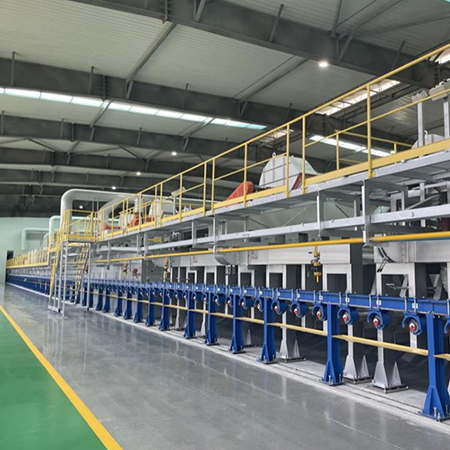
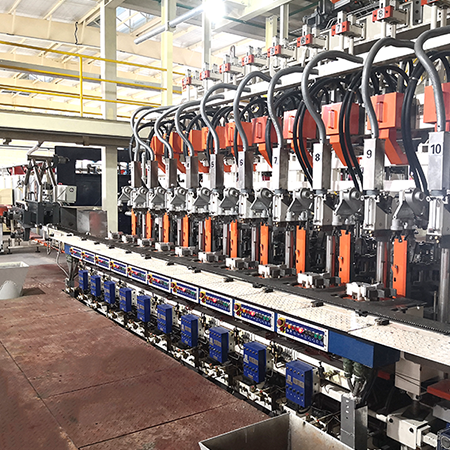
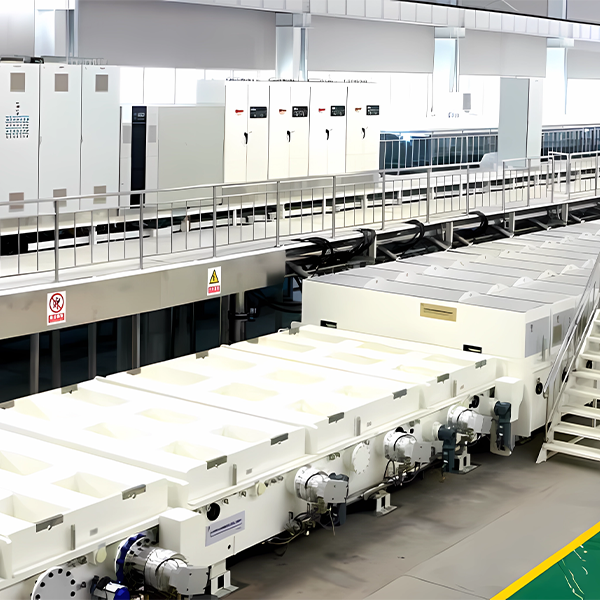
The rotary surface grinding machine represents a sophisticated piece of industrial equipment designed to achieve exceptional flatness and surface finish on various workpiece materials. This precision grinding system operates through a rotational mechanism where workpieces are mounted on a rotating table while grinding wheels process the surface area. The primary function of this machine centers on removing material from flat surfaces to achieve tight dimensional tolerances and superior surface quality. The rotary surface grinding machine excels at processing multiple components simultaneously, making it highly efficient for batch production environments. Its technological features include programmable controls that allow operators to set precise grinding parameters such as depth of cut, feed rate, and rotational speed. The machine incorporates advanced coolant systems that manage heat generation during the grinding process, preventing thermal damage to workpieces and extending wheel life. Modern rotary surface grinding machine models feature automatic dressing mechanisms that maintain grinding wheel sharpness and geometry throughout production cycles. The equipment typically includes electromagnetic or vacuum chuck systems that secure workpieces firmly during operation, ensuring consistent results across all processed parts. Applications for this versatile machine span numerous industries including automotive manufacturing, aerospace component production, tool and die making, bearing manufacturing, and general precision engineering. The rotary surface grinding machine proves particularly valuable when processing hardened materials that require exceptional surface integrity. Its capability to handle various workpiece sizes and shapes makes it adaptable to diverse manufacturing requirements. The machine's design facilitates easy loading and unloading of components, contributing to overall production efficiency. Advanced models incorporate CNC technology that enables complex grinding patterns and automated production sequences. The rotary surface grinding machine delivers repeatable accuracy that meets stringent quality standards demanded by modern manufacturing environments, making it an indispensable asset for precision-focused operations.

Popular Products

The rotary surface grinding machine delivers substantial time savings compared to conventional grinding methods by enabling simultaneous processing of multiple workpieces on its rotating table. This batch processing capability means manufacturers can complete grinding operations faster, increasing throughput without compromising quality standards. The machine reduces labor costs significantly because one operator can manage the entire grinding cycle for numerous parts at once, eliminating the need for constant workpiece changeover that manual grinding requires. Energy efficiency stands out as another practical benefit, as the rotary surface grinding machine optimizes power consumption through intelligent control systems that adjust operational parameters based on actual grinding requirements. This smart energy management translates directly into lower operational expenses over time. The consistency achieved by this equipment eliminates costly rework and scrap, as every workpiece receives identical treatment under precisely controlled conditions. Manufacturers appreciate how the rotary surface grinding machine minimizes material waste through accurate depth control that removes only necessary amounts of material. The automated features reduce human error, ensuring that dimensional specifications remain within tolerance ranges throughout production runs. Maintenance requirements stay manageable because the robust construction and quality components withstand demanding industrial environments with minimal wear. The machine's versatility allows businesses to handle diverse grinding projects without investing in multiple specialized machines, maximizing return on equipment investment. Setup times decrease substantially thanks to user-friendly controls and quick-change fixtures that accommodate different workpiece configurations rapidly. The coolant system prevents heat-related distortion, maintaining workpiece integrity and eliminating post-grinding correction operations that would otherwise add production time and cost. Surface finish quality surpasses what manual grinding can achieve, enabling manufacturers to meet customer expectations for premium component appearance and performance. The rotary surface grinding machine adapts easily to changing production demands, scaling from small batches to large production volumes without requiring significant reconfiguration. Training new operators becomes straightforward due to intuitive interfaces and safety features that protect both personnel and equipment. The grinding process produces minimal vibration, extending tool life and maintaining dimensional accuracy over extended production periods. Companies find that investing in this technology strengthens their competitive position by enabling faster delivery times and superior product quality. The machine's reliability ensures consistent production schedules without unexpected downtime that disrupts manufacturing operations and customer commitments. Floor space utilization improves because the compact footprint of modern rotary surface grinding machine designs delivers high productivity within limited manufacturing areas, making it suitable for facilities of various sizes.

Practical Tips

What Are the Benefits of Using an Automated Glass Sorting System?

24

Sep

What Are the Benefits of Using an Automated Glass Sorting System?

Revolutionizing Glass Recycling Through Advanced Automation The glass recycling industry is undergoing a remarkable transformation with the integration of automated glass sorting systems. These sophisticated technologies are reshaping how recycling f...
View More
How Does a Glass Sorting System Integrate with Other Glass Lines?

24

Sep

How Does a Glass Sorting System Integrate with Other Glass Lines?

Seamless Integration of Modern Glass Sorting Technologies The integration of a glass sorting system into existing production lines represents a significant advancement in glass manufacturing and recycling operations. These sophisticated systems utili...
View More
What Are the Future Trends in Intelligent Glass Sorting Systems?

24

Sep

What Are the Future Trends in Intelligent Glass Sorting Systems?

The Evolution of Advanced Glass Sorting Technology The landscape of glass recycling and processing is undergoing a remarkable transformation through intelligent glass sorting systems. These sophisticated technologies are revolutionizing how we handle...
View More
How Do Glass Drilling Machines Handle Different Glass Thicknesses Safely?

28

Oct

How Do Glass Drilling Machines Handle Different Glass Thicknesses Safely?

Understanding Modern Glass Drilling Technology and Safety Mechanisms The world of glass fabrication has evolved significantly with the introduction of advanced glass drilling machines that can handle various glass thicknesses with remarkable precisio...
View More

Get a Free Quote

Our representative will contact you soon.
Email
Name
Company Name
Message
0/1000

rotary surface grinding machine

Superior Multi-Workpiece Processing Capability

Superior Multi-Workpiece Processing Capability

The rotary surface grinding machine distinguishes itself through its exceptional ability to process numerous workpieces simultaneously on a continuously rotating magnetic table. This fundamental design advantage transforms production efficiency by allowing manufacturers to load multiple components at once while the grinding wheel systematically addresses each piece as the table rotates through the grinding zone. The importance of this feature cannot be overstated for businesses managing high-volume production requirements or batch processing operations. Unlike conventional grinding machines that handle one workpiece at a time, requiring frequent stops for loading and unloading, the rotary configuration maintains continuous operation. Operators can remove finished components and place new workpieces onto the rotating table without interrupting the grinding process, creating an unbroken workflow that maximizes machine utilization rates. This capability becomes particularly valuable when processing smaller components that would otherwise require numerous individual setups. The value delivery to customers manifests in multiple dimensions, starting with dramatically reduced cycle times that enable faster order fulfillment and improved delivery performance. Manufacturers can accept larger orders with confidence, knowing their rotary surface grinding machine capacity supports ambitious production targets. The simultaneous processing approach also ensures remarkable consistency across all workpieces in a batch, as each component experiences identical grinding conditions during its rotation through the processing zone. This uniformity eliminates the variations that sometimes occur with sequential processing methods where conditions may drift between individual operations. The magnetic table design provides secure workpiece holding that prevents movement during grinding, maintaining positional accuracy that translates into dimensional consistency. For businesses serving quality-sensitive markets like aerospace or medical device manufacturing, this reliability proves essential for maintaining certification standards and customer trust. The economic benefits extend beyond pure speed improvements, as the multi-workpiece capability optimizes labor allocation by reducing the operator attention required per component. One skilled technician can oversee the entire production batch, performing quality checks and making adjustments while the machine continues its automated grinding cycle. This efficiency allows manufacturers to deploy their workforce more strategically across other value-adding activities rather than dedicating personnel to constant machine tending.
Precision Control Systems for Consistent Quality

Precision Control Systems for Consistent Quality

The advanced control systems integrated into modern rotary surface grinding machine designs provide manufacturers with unprecedented precision and repeatability that directly impacts product quality and production economics. These sophisticated electronic controls manage every aspect of the grinding operation, from table rotation speed to grinding wheel feed depth, with micro-level accuracy that mechanical systems alone cannot achieve. The importance of this technological feature lies in its ability to eliminate the variability inherent in manual grinding operations where human factors influence outcomes. Digital controllers maintain exact parameter settings throughout entire production runs, ensuring the first workpiece and the last workpiece receive identical treatment. This consistency proves critical when manufacturing components with tight tolerances where even minor deviations can render parts unusable. The control systems incorporate feedback mechanisms that continuously monitor actual performance against programmed specifications, making real-time adjustments to compensate for tool wear, temperature changes, or other variables that might affect results. This intelligent adaptation maintains process stability without requiring constant operator intervention or adjustment. The value proposition for customers extends far beyond simple automation, encompassing comprehensive production benefits that improve profitability and competitive positioning. Quality metrics improve measurably as statistical process control data shows tighter dimensional distributions and reduced variation in surface finish measurements. These improvements translate directly into lower rejection rates, decreased rework requirements, and enhanced customer satisfaction with delivered components. The precision control systems enable manufacturers to tackle more demanding projects that require exceptional accuracy, opening access to higher-margin market segments where quality commands premium pricing. Programming flexibility allows operators to store multiple grinding recipes for different component types, enabling rapid changeover between production runs without time-consuming manual setup procedures. This capability supports mixed-model manufacturing strategies where production schedules accommodate various part numbers based on actual demand rather than forcing long runs of identical components. The documented traceability provided by digital controls satisfies quality management system requirements, automatically recording process parameters for each production batch to support certification audits and customer quality inquiries. Energy efficiency benefits emerge from optimized control algorithms that adjust power consumption based on actual grinding requirements rather than running continuously at maximum capacity regardless of load conditions. These smart power management features reduce operational costs while supporting corporate sustainability initiatives that increasingly influence purchasing decisions across industries.
Robust Construction Ensures Long-Term Reliability

Robust Construction Ensures Long-Term Reliability

The structural integrity and build quality of the rotary surface grinding machine fundamentally determines its long-term value proposition for manufacturing operations where equipment reliability directly impacts production continuity and profitability. Premium machines feature heavily reinforced cast iron bases that provide exceptional rigidity and vibration damping, creating a stable foundation for precision grinding operations. This robust construction approach matters tremendously because any deflection or movement during grinding operations translates directly into dimensional inaccuracies and surface finish defects on processed workpieces. The substantial mass of properly engineered machine frames absorbs operational forces that would otherwise cause vibration and chatter, maintaining the stable cutting conditions necessary for achieving superior results. Critical components like spindle assemblies, table drive mechanisms, and linear motion systems incorporate precision bearings and hardened wear surfaces that maintain accuracy over millions of operational cycles. The importance of this durability cannot be overstated for manufacturers operating multi-shift production schedules where machines run continuously for years between major overhauls. Inferior construction leads to accelerating wear patterns that degrade accuracy over time, forcing increasingly frequent adjustments and eventually requiring costly rebuilding or replacement far earlier than anticipated. The value delivered to customers through robust rotary surface grinding machine construction manifests across multiple business dimensions that collectively determine total cost of ownership and return on investment. Production reliability improves dramatically when equipment maintains consistent performance day after day, eliminating unexpected breakdowns that disrupt manufacturing schedules and create costly expediting situations. Maintenance expenses remain predictable and manageable rather than escalating as poorly constructed machines deteriorate under normal operating conditions. The extended service life achieved through quality construction spreads capital investment costs over longer periods, improving financial metrics and preserving cash flow for other business priorities. Resale value retention benefits manufacturers who periodically upgrade equipment, as well-maintained machines from reputable builders command strong secondary market prices that offset new equipment purchases. The operational confidence provided by reliable equipment enables manufacturers to commit to demanding delivery schedules and accept challenging projects without fear that equipment failures will prevent fulfilling customer obligations. This reliability builds business reputation and strengthens customer relationships that drive long-term revenue growth. Quality construction also enhances workplace safety by eliminating failure modes that could endanger operators, supporting corporate responsibility objectives while reducing liability exposure and insurance costs. The thermal stability provided by massive machine structures prevents temperature-related dimensional changes that could affect grinding accuracy during warm-up periods or when ambient conditions fluctuate, maintaining process capability throughout entire production shifts regardless of environmental variations.