Professional Stained Glass Foiling Machine - Precision Copper Foil Application Equipment for Artisans and Studios

All Categories

Get a Free Quote

Our representative will contact you soon.
Email
Name
Company Name
Message
0/1000

stained glass foiling machine

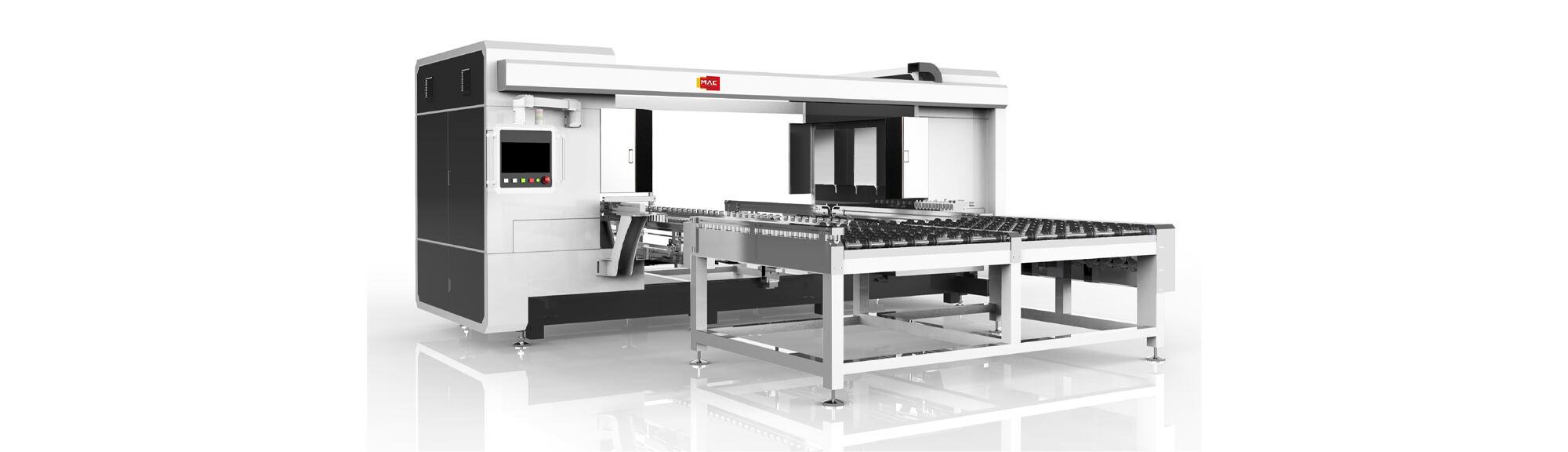
The stained glass foiling machine represents a revolutionary advancement in the art of creating decorative glass pieces, streamlining what was once an entirely manual process into an efficient, precise operation. This specialized equipment applies copper foil tape to the edges of cut glass pieces, preparing them for the soldering process that joins individual glass segments into stunning artistic compositions. Modern stained glass foiling machines have transformed traditional craftsmanship by combining mechanical precision with user-friendly operation, making them indispensable tools for both professional studios and hobbyist workshops. The primary function of a stained glass foiling machine involves automatically wrapping thin copper foil around the perimeter edges of glass pieces with consistent pressure and alignment. This automation eliminates the tedious hand-wrapping method that often resulted in uneven application, wasted materials, and hand fatigue during large projects. Technological features incorporated into contemporary models include adjustable speed controls that accommodate different glass thicknesses, pressure regulation systems ensuring uniform foil adhesion, and ergonomic feeding mechanisms that guide glass pieces smoothly through the foiling process. Many advanced units feature interchangeable rollers designed for various foil widths, accommodating projects ranging from delicate miniature panels to substantial architectural installations. The applications of stained glass foiling machines extend across diverse creative and commercial domains, including ecclesiastical window restoration, residential decorative panels, lampshade construction, jewelry making, and architectural art installations. Professional stained glass studios utilize these machines to increase production capacity while maintaining the handcrafted quality their clients expect. Educational institutions teaching stained glass techniques have adopted foiling machines to help students master proper edge preparation techniques without the steep learning curve associated with manual methods. The machine's ability to handle repetitive tasks allows artisans to focus their creative energy on design conception, glass selection, and finishing techniques rather than monotonous preparation work. As environmental consciousness grows within creative industries, modern stained glass foiling machines contribute to sustainability by reducing copper foil waste through precise application and minimizing the need for rework caused by improper manual foiling techniques.

Popular Products

Investing in a stained glass foiling machine delivers substantial benefits that directly impact your productivity, project quality, and overall creative satisfaction. The most immediate advantage you will notice is the dramatic reduction in project completion time. Tasks that previously consumed hours of careful hand-wrapping now finish in minutes, allowing you to accept more commissions or explore additional creative projects without extending your working hours. This time efficiency translates directly into increased earning potential for professional artisans and more enjoyable hobby experiences for enthusiasts who want to see their visions realized quickly. The consistency achieved through machine application surpasses even the most skilled hand-foiling techniques. Every glass piece receives uniform foil coverage with identical pressure distribution, creating seamless solder joints that enhance both structural integrity and aesthetic appeal. This reliability means fewer rejected pieces, reduced material waste, and greater confidence when undertaking complex designs with numerous individual glass segments. Your finished projects will exhibit a professional polish that distinguishes your work in competitive markets or personal collections. Physical comfort represents another significant advantage that users often overlook until they experience the difference firsthand. Manual foiling requires repetitive gripping, pressing, and finger movements that cause hand cramping, joint strain, and fatigue, especially during extended work sessions. A stained glass foiling machine eliminates this physical burden, allowing you to work comfortably for longer periods without discomfort or injury risk. This ergonomic benefit becomes increasingly valuable as you age or if you manage arthritis or similar conditions that make repetitive hand movements challenging. The learning curve for new artisans flattens considerably with machine assistance. Beginners can produce quality foiled edges from their first attempts, building confidence and motivation to continue developing their skills. This accessibility opens stained glass artistry to individuals who might have abandoned the craft after struggling with the frustration of mastering manual foiling techniques. The machine handles the technical precision while you focus on creative decisions about color, texture, and composition. Material conservation provides ongoing cost savings that accumulate substantially over time. Hand-foiling often results in torn foil, improper lengths, and misaligned applications that require removal and reapplication. Machine precision virtually eliminates these wasteful scenarios, ensuring that the copper foil you purchase gets applied to glass rather than discarded. For high-volume studios, these savings can amount to hundreds or thousands of dollars annually. Versatility across project types makes a stained glass foiling machine adaptable to your evolving creative interests. Whether you work on miniature jewelry components, medium-sized decorative panels, or large architectural installations, adjustable settings accommodate various glass thicknesses and foil widths. This flexibility means your equipment investment remains relevant as your skills advance and your project ambitions expand. The machine becomes a long-term creative partner rather than a single-purpose tool with limited application.

Practical Tips

What Safety Features Should Be Built into a Glass Sorting System?

24

Sep

What Safety Features Should Be Built into a Glass Sorting System?

Essential Safety Components for Modern Glass Processing Systems Glass sorting systems are vital components in recycling facilities and glass manufacturing plants, where efficiency must be perfectly balanced with worker protection. These sophisticated...
View More
How Do Glass Drilling Machines Handle Different Glass Thicknesses Safely?

28

Oct

How Do Glass Drilling Machines Handle Different Glass Thicknesses Safely?

Understanding Modern Glass Drilling Technology and Safety Mechanisms The world of glass fabrication has evolved significantly with the introduction of advanced glass drilling machines that can handle various glass thicknesses with remarkable precisio...
View More
How to Optimize Production Settings in a Hub Glass Furnace?

24

Nov

How to Optimize Production Settings in a Hub Glass Furnace?

Glass manufacturing represents one of the most energy-intensive industrial processes, requiring precise control of temperature, atmosphere, and raw material flow to achieve optimal production efficiency. Modern hub glass furnace systems have evolved ...
View More
How Can Grinding Machines Enhance Surface Finish and Dimensional Accuracy?

19

Dec

How Can Grinding Machines Enhance Surface Finish and Dimensional Accuracy?

Manufacturing precision has reached unprecedented levels in modern industrial applications, where surface finish quality and dimensional accuracy determine product performance and market competitiveness. Advanced grinding machines represent the corne...
View More

Get a Free Quote

Our representative will contact you soon.
Email
Name
Company Name
Message
0/1000

stained glass foiling machine

Precision Engineering for Flawless Edge Preparation

Precision Engineering for Flawless Edge Preparation

The engineering excellence built into modern stained glass foiling machines ensures that every glass piece receives perfectly aligned copper foil application with consistent pressure from edge to edge. This precision stems from carefully calibrated roller systems that grip the foil and glass simultaneously, maintaining exact alignment as the piece passes through the mechanism. Unlike manual methods where human error can cause foil to drift off-center or apply unevenly, machine-guided application produces uniform results regardless of operator experience level. The technical sophistication behind this consistency involves spring-loaded pressure adjustments that automatically compensate for minor variations in glass thickness, ensuring that thin delicate pieces receive appropriate gentle handling while thicker architectural glass gets the firmer pressure needed for secure adhesion. This adaptive pressure system prevents common problems such as foil tearing on fragile glass or insufficient adhesion on thicker materials. Professional artisans particularly value this precision when working on commissioned pieces where client expectations demand flawless execution and where rework due to foiling errors would jeopardize project profitability and deadline commitments. The machine's ability to maintain perfect centering becomes especially critical when working with narrow glass pieces or intricate geometric shapes where even slight foil misalignment becomes visually apparent in the finished work. Educational settings benefit enormously from this precision feature because instructors can confidently guide students through complex projects knowing that the foiling stage will not become a frustrating bottleneck that discourages learners. Students develop realistic expectations about professional quality standards when their foiled pieces consistently meet those benchmarks from early practice projects onward. For restoration work on historical stained glass windows, precision foiling ensures that replacement pieces integrate seamlessly with original sections, maintaining the artistic integrity and historical authenticity that conservation standards require. The engineering precision also extends to corner handling, where the machine's design allows smooth transitions around angles without creating bulk or gaps that compromise solder joint quality. This attention to corner geometry demonstrates the thoughtful design consideration that distinguishes professional-grade equipment from basic consumer tools.
Ergonomic Design That Protects Your Health and Enhances Workflow

Ergonomic Design That Protects Your Health and Enhances Workflow

The thoughtful ergonomic design incorporated into quality stained glass foiling machines addresses the physical demands that make traditional hand-foiling a potential health concern for dedicated artisans. Repetitive motion injuries represent a serious occupational hazard in craft professions, with conditions like carpal tunnel syndrome, tendonitis, and joint inflammation forcing talented artists to reduce their working hours or abandon their craft entirely. A properly designed foiling machine eliminates the repetitive pinching, pressing, and smoothing motions that stress the delicate structures of hands, wrists, and forearms during manual foiling. The machine requires only simple feeding motions that use larger muscle groups and natural arm movements rather than concentrated finger pressure and repetitive wrist flexion. This biomechanical advantage allows you to work through large projects without experiencing the progressive discomfort that typically builds during extended hand-foiling sessions. The workspace efficiency created by compact machine design contributes to overall ergonomic benefits by organizing your foiling station into a logical workflow that minimizes awkward reaching, twisting, or prolonged standing in uncomfortable positions. Well-designed units position controls and feed mechanisms at comfortable heights and angles that align with natural body mechanics, reducing strain on shoulders, neck, and back. For professional studios managing multiple artisans, investing in ergonomically sound equipment demonstrates commitment to employee wellbeing while simultaneously protecting against lost productivity due to injury-related absences. The reduced physical fatigue translates directly into sustained mental focus and creative energy throughout your working day. When you are not battling hand cramping or joint pain, you maintain the concentration necessary for making precise cuts, selecting color combinations, and executing detailed finishing work. This holistic view of workflow efficiency recognizes that physical comfort directly impacts creative output quality and job satisfaction. Aging artisans find that ergonomic equipment extends their active working years by reducing the cumulative physical wear that eventually forces retirement from hands-on creation. The ability to continue producing work you love without physical suffering represents an invaluable quality-of-life benefit that justifies equipment investment regardless of direct financial return calculations.
Versatile Functionality Across Diverse Project Scales and Styles

Versatile Functionality Across Diverse Project Scales and Styles

The exceptional versatility engineered into comprehensive stained glass foiling machines enables artisans to tackle an impressive range of project types without investing in multiple specialized tools for different applications. This adaptability stems from thoughtful design features such as interchangeable roller sets that accommodate various copper foil widths, adjustable speed controls that suit different glass characteristics, and flexible feeding systems that handle irregular shapes and sizes. Whether you are creating delicate jewelry components measuring mere centimeters or substantial architectural panels spanning meters, properly equipped machines adjust to meet the specific requirements of each project category. This scalability makes the equipment investment sensible for artisans whose creative interests span multiple disciplines or who anticipate expanding their artistic range as skills develop. Studios serving diverse clientele particularly benefit from this versatility because a single machine supports wedding commission lamps, residential window installations, ecclesiastical restoration projects, and contemporary art pieces without requiring equipment changes or specialized setups. The financial efficiency of this multi-purpose functionality becomes apparent when compared to maintaining separate specialized equipment for each project category. The machine's ability to process various glass types including cathedral, opalescent, textured, and beveled varieties further extends its practical application range. Different glass characteristics require subtle adjustments in handling pressure and speed to prevent cracking fragile materials while ensuring adequate foil adhesion on smooth surfaces. Quality machines provide the adjustment granularity needed to optimize settings for specific glass characteristics rather than forcing compromise approaches that work adequately but not ideally across all materials. This attention to material-specific optimization reflects a sophisticated understanding of the varied demands that serious stained glass work presents. Artistic experimentation benefits tremendously from versatile equipment that encourages trying new techniques, unconventional materials, and innovative design approaches without worrying whether your tools can accommodate creative exploration. The confidence to push boundaries comes from knowing your equipment adapts to your vision rather than constraining your possibilities within predetermined limitations. This creative freedom represents an intangible but profoundly important benefit that distinguishes truly professional-grade equipment from basic functional tools.