Exceptional Durability And Low Maintenance Requirements
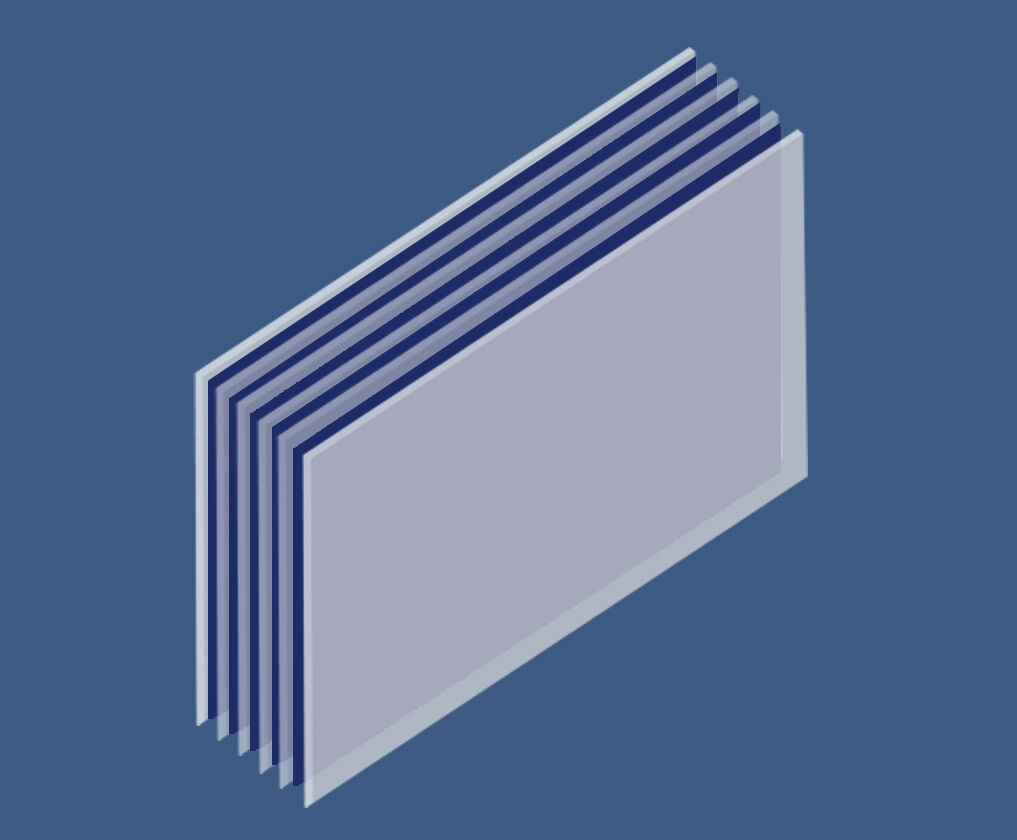
White laminated glass stands out for its remarkable durability and minimal maintenance demands, delivering long-term performance that justifies initial investment through reduced lifecycle costs and sustained appearance. The lamination process creates a robust composite material that resists environmental degradation, mechanical stress, and everyday wear far more effectively than standard glass products, ensuring that installations maintain their structural integrity and aesthetic appeal for decades with minimal intervention. The polyvinyl butyral interlayer provides inherent flexibility that allows white laminated glass to absorb vibrations, thermal expansion, and minor structural movements without developing stress cracks or failure points that compromise ordinary glass installations. This resilience proves particularly valuable in high-rise buildings subject to wind loading and structural sway, coastal environments exposed to salt air and temperature fluctuations, and industrial settings where vibration from machinery might otherwise damage conventional glazing. The white pigmentation integrated into the interlayer remains colorfast and stable over time, unlike surface coatings or films that may discolor, peel, or degrade when exposed to ultraviolet radiation, temperature extremes, and atmospheric pollutants. Property owners benefit from this permanence, as white laminated glass maintains its intended appearance throughout its service life without requiring refinishing, recoating, or replacement due to aesthetic deterioration. Cleaning white laminated glass requires only standard glass cleaning products and techniques, with no special chemicals or procedures needed to preserve its properties or appearance. The smooth glass surfaces resist accumulation of dirt, grime, and biological growth, requiring less frequent cleaning than porous or textured materials while achieving superior results with minimal effort. Maintenance schedules and costs decrease substantially compared to alternative privacy solutions like blinds, curtains, or frosted films that trap dust, require periodic washing or dry cleaning, and need eventual replacement as fabrics fade or mechanical components fail. The structural stability of white laminated glass eliminates concerns about warping, swelling, or dimensional changes that affect other building materials in humid environments, ensuring consistent performance and fit within frames regardless of seasonal moisture variations. Scratch resistance inherent to glass surfaces means that white laminated glass maintains its smooth finish and optical clarity despite routine contact, cleaning, and incidental abrasion that would mar softer materials. The impact resistance provided by lamination technology extends service life by preventing chips, cracks, and breakage from minor impacts that would necessitate replacement of standard glass panels, reducing both material costs and the labor expenses associated with frequent glass replacement.
 EN
EN
 AR
AR
 BG
BG
 HR
HR
 CS
CS
 DA
DA
 NL
NL
 FI
FI
 FR
FR
 DE
DE
 EL
EL
 HI
HI
 IT
IT
 JA
JA
 KO
KO
 PL
PL
 PT
PT
 RO
RO
 RU
RU
 ES
ES
 SV
SV
 TL
TL
 IW
IW
 LV
LV
 LT
LT
 SK
SK
 SL
SL
 UK
UK
 VI
VI
 ET
ET
 HU
HU
 MT
MT
 TH
TH
 TR
TR
 FA
FA
 MS
MS
 SW
SW
 GA
GA
 AZ
AZ