Cut Laminated Glass Solutions: Safety, Security, and Sound Control for Modern Applications

All Categories

Get a Free Quote

Our representative will contact you soon.
Email
Name
Company Name
Message
0/1000

cut laminated glass

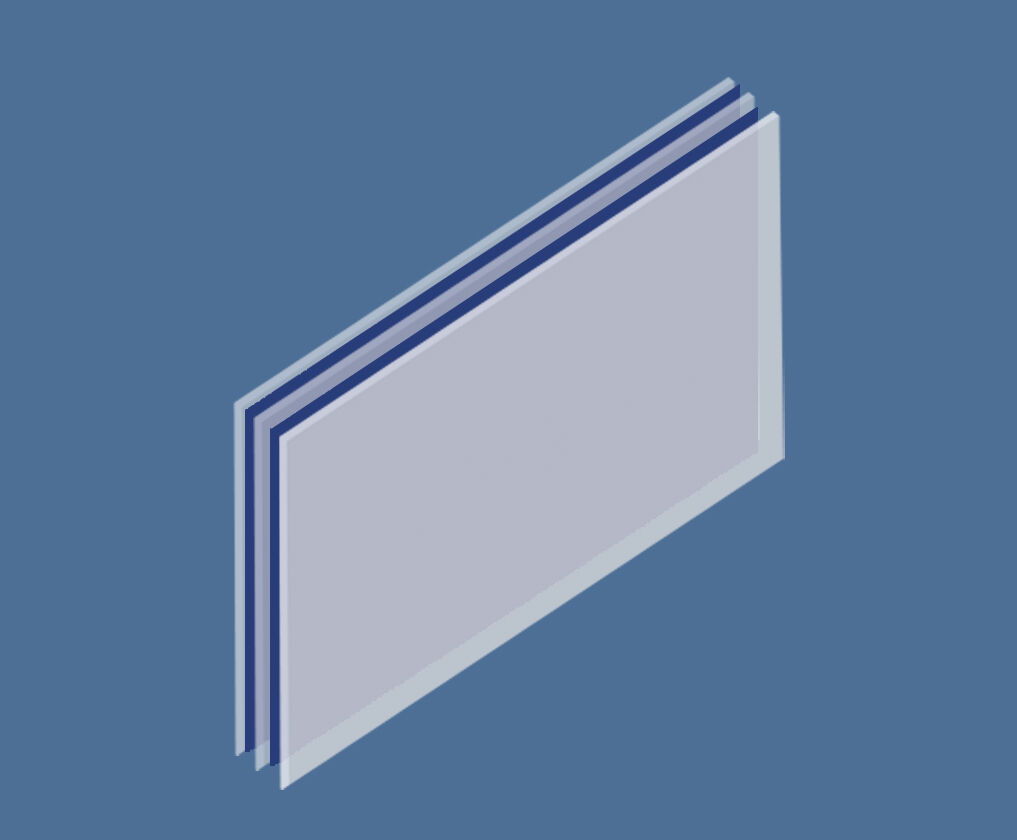
Cut laminated glass represents a sophisticated safety glazing solution that combines multiple layers of glass with interlayer materials through a specialized manufacturing process. This engineered product consists of two or more glass sheets bonded together with polyvinyl butyral (PVB) or ethylene-vinyl acetate (EVA) interlayers, creating a composite material that offers exceptional strength and security. The cutting process allows manufacturers to customize cut laminated glass to precise dimensions, making it adaptable for countless architectural and automotive applications. The primary function of cut laminated glass centers on safety enhancement, as the interlayer holds glass fragments in place when breakage occurs, preventing dangerous shards from scattering. This characteristic makes it invaluable in environments where human safety is paramount. Beyond safety, cut laminated glass provides superior sound insulation by dampening vibrations and reducing noise transmission between spaces. The multiple layers create a barrier that absorbs sound waves more effectively than single-pane alternatives. UV protection represents another critical function, as the interlayer filters harmful ultraviolet radiation while maintaining transparency and natural light transmission. Technologically, cut laminated glass incorporates advanced bonding methods that ensure permanent adhesion between layers under various environmental conditions. The manufacturing process involves heat and pressure application in autoclaves, creating molecular bonds that withstand temperature fluctuations, moisture exposure, and physical stress. Modern cutting techniques utilize diamond-tipped tools and computerized systems to achieve clean edges without compromising the laminate integrity. Applications for cut laminated glass span residential, commercial, and industrial sectors. Architects specify it for skylights, balustrades, floor panels, canopies, and hurricane-resistant windows. The automotive industry relies on cut laminated glass for windshields, where it prevents ejection during collisions. Museums and galleries use it to protect valuable artifacts while maintaining visibility. Financial institutions install it as security barriers, and hospitals incorporate it into isolation rooms for infection control while preserving visual monitoring capabilities.

New Products

The advantages of cut laminated glass extend far beyond basic functionality, offering practical benefits that enhance safety, comfort, and property value for homeowners, business owners, and facility managers. First and foremost, this glass solution dramatically improves occupant protection during accidents or intrusions. When impact occurs, the interlayer prevents the glass from shattering into dangerous projectiles, instead keeping fragments adhered to the flexible membrane. This feature proves invaluable during natural disasters, attempted break-ins, or accidental collisions, significantly reducing injury risks compared to standard glass. Parents appreciate this safety aspect in homes with active children, while business owners value the liability reduction it provides. The security enhancement goes further by creating a deterrent against forced entry, as the glass resists penetration even after breaking, buying crucial time for emergency response. Energy efficiency represents another compelling advantage that translates directly into cost savings. Cut laminated glass reduces heat transfer between interior and exterior environments, helping maintain consistent indoor temperatures. This thermal performance means air conditioning and heating systems work less intensively, lowering utility bills throughout the year. The UV filtering capability protects interior furnishings, flooring, and artwork from sun damage and fading, preserving investments and reducing replacement expenses over time. Noise reduction capabilities create more peaceful living and working environments, particularly valuable in urban locations near highways, airports, or busy streets. The sound dampening effect improves sleep quality in residential settings and enhances concentration in office environments, contributing to better quality of life and productivity. Customization flexibility allows cut laminated glass to meet specific project requirements without compromise. Manufacturers can adjust thickness, tint, and interlayer options to achieve desired performance characteristics for light transmission, privacy levels, or aesthetic preferences. This adaptability means the same technology serves both contemporary minimalist designs and traditional architectural styles equally well. Maintenance simplicity adds practical value, as cut laminated glass cleans easily with standard glass cleaners and requires no special treatments or coatings. The durable construction resists scratching and weathering, maintaining clarity and appearance for decades with minimal intervention. Insurance companies often recognize the security and safety benefits by offering premium reductions for properties equipped with laminated glass, providing ongoing financial advantages. The installation versatility means cut laminated glass fits into existing frames and openings during renovation projects, eliminating the need for extensive structural modifications. This compatibility reduces installation costs and project timelines compared to alternatives requiring custom framing systems.

Latest News

What Are the Benefits of Using an Automated Glass Sorting System?

24

Sep

What Are the Benefits of Using an Automated Glass Sorting System?

Revolutionizing Glass Recycling Through Advanced Automation The glass recycling industry is undergoing a remarkable transformation with the integration of automated glass sorting systems. These sophisticated technologies are reshaping how recycling f...
View More
What Safety Features Should Be Built into a Glass Sorting System?

24

Sep

What Safety Features Should Be Built into a Glass Sorting System?

Essential Safety Components for Modern Glass Processing Systems Glass sorting systems are vital components in recycling facilities and glass manufacturing plants, where efficiency must be perfectly balanced with worker protection. These sophisticated...
View More
What Maintenance Practices Keep Double Edgers Performing Optimally?

24

Nov

What Maintenance Practices Keep Double Edgers Performing Optimally?

Double edgers represent sophisticated industrial machinery that requires systematic maintenance protocols to ensure consistent performance and operational longevity. These precision instruments, commonly utilized in glass processing facilities and ma...
View More
How Can Grinding Machines Enhance Surface Finish and Dimensional Accuracy?

19

Dec

How Can Grinding Machines Enhance Surface Finish and Dimensional Accuracy?

Manufacturing precision has reached unprecedented levels in modern industrial applications, where surface finish quality and dimensional accuracy determine product performance and market competitiveness. Advanced grinding machines represent the corne...
View More

Get a Free Quote

Our representative will contact you soon.
Email
Name
Company Name
Message
0/1000

cut laminated glass

Uncompromising Safety Performance Through Advanced Multi-Layer Construction

Uncompromising Safety Performance Through Advanced Multi-Layer Construction

The safety performance of cut laminated glass stems from its ingenious multi-layer construction that fundamentally changes how glass responds to impact and stress. Unlike conventional glass that fractures into sharp, dangerous shards upon breaking, cut laminated glass incorporates a tough, flexible interlayer that acts as a safety net, holding broken pieces securely in place. This engineering approach addresses the primary hazard associated with glass breakage by preventing fragment dispersion that causes lacerations and injuries. The interlayer material, typically polyvinyl butyral, possesses remarkable elasticity and adhesive properties that maintain their integrity across temperature ranges from extreme cold to intense heat. When force strikes the glass surface, whether from accidental impact, deliberate vandalism, or natural disaster, the outer glass layer may crack, but the interlayer absorbs and distributes the impact energy across the entire panel. This energy dissipation mechanism prevents localized failure from propagating into complete structural collapse. The inner glass layer often remains intact, maintaining a barrier against wind, rain, and unauthorized entry even after the outer surface sustains damage. This residual strength proves critical during hurricanes, earthquakes, or bomb blasts, where maintaining building envelope integrity protects occupants from secondary hazards. Parents installing cut laminated glass in their homes gain peace of mind knowing that a child running into a glass door will encounter a surface that flexes slightly upon impact rather than shattering catastrophically. Commercial property managers benefit from reduced liability exposure, as the diminished injury risk during accidents translates into fewer insurance claims and legal complications. The security dimension cannot be overstated, as determined intruders find cut laminated glass remarkably resistant to penetration. Even after repeated strikes with heavy objects, the glass may crack extensively but remains in the frame, denying access and creating noise that alerts occupants or security personnel. This delay factor often discourages criminals who seek quick, quiet entry, effectively converting vulnerable glass openings into formidable barriers. Financial institutions, jewelry stores, and pharmacies particularly value this protective quality when safeguarding high-value inventory or controlled substances. Residential applications benefit equally, as ground-floor windows and patio doors become substantially more secure without resorting to unsightly bars or shutters that compromise aesthetics and emergency egress. The transparent protection allows natural light and views to remain unobstructed while providing security levels that approach those of much thicker, heavier alternatives.
Superior Acoustic Insulation For Enhanced Living And Working Environments

Superior Acoustic Insulation For Enhanced Living And Working Environments

The acoustic performance of cut laminated glass delivers transformative improvements in environmental comfort by creating effective barriers against unwanted noise pollution that degrades quality of life and productivity. Sound waves traveling through air encounter significant resistance when meeting the dense, multi-layered structure of cut laminated glass, with the flexible interlayer playing a crucial role in dampening vibrations that would otherwise transmit through solid materials. The physics underlying this performance involves the interlayer acting as a viscoelastic damping core that converts mechanical vibration energy into negligible amounts of heat, essentially absorbing sound rather than reflecting or transmitting it. This mechanism proves particularly effective at reducing low-frequency rumbles from traffic, aircraft, and industrial equipment that penetrate conventional windows easily and prove most disturbing to occupants. Homeowners living near airports report dramatic reductions in aircraft noise intrusion after installing cut laminated glass, transforming previously uninhabitable rooms into peaceful bedrooms and home offices. Urban residents adjacent to highways experience similar benefits, as the constant drone of traffic becomes a barely noticeable background hum rather than an overwhelming distraction. The thickness and composition of both the glass layers and interlayer can be optimized for specific acoustic challenges, with thicker configurations and specialized acoustic interlayers achieving sound reduction ratings exceeding forty decibels. This level of performance effectively eliminates normal conversation from adjacent rooms and reduces loud outdoor noises to faint, easily ignored levels. Commercial applications benefit tremendously from this acoustic isolation capability, particularly in office environments where concentration and confidentiality are paramount. Conference rooms separated from open workspaces by cut laminated glass partitions allow meetings to proceed without disturbing colleagues while preventing sensitive discussions from being overheard. Recording studios, broadcast facilities, and performance venues rely on cut laminated glass to isolate sound-critical spaces from external noise without sacrificing natural light that solid walls would block. Medical facilities use it to create private consultation rooms where patient confidentiality remains protected while staff can visually monitor occupied spaces. Educational institutions install cut laminated glass in libraries and testing centers to maintain quiet study environments despite adjacent corridors filled with student activity. Hotels and hospitality venues specify it for guest room windows and interior partitions to ensure restful sleep and privacy that generate positive reviews and repeat business. The acoustic benefits extend to quality of life improvements that manifest in measurable health outcomes, as chronic noise exposure contributes to stress, sleep disruption, and cardiovascular problems. Creating quieter indoor environments through cut laminated glass installation helps occupants maintain lower stress levels, achieve better sleep quality, and experience improved overall wellbeing that justifies the modest investment premium over standard glazing options.
Comprehensive UV Protection Preserving Interiors And Reducing Energy Costs

Comprehensive UV Protection Preserving Interiors And Reducing Energy Costs

The ultraviolet radiation filtering capability of cut laminated glass provides comprehensive protection for interior spaces, preserving furnishings, artwork, and flooring while simultaneously contributing to energy efficiency and occupant health. Ultraviolet light, though invisible to human eyes, carries substantial energy that causes photochemical reactions in many materials, leading to fading, discoloration, and structural degradation over time. The interlayer in cut laminated glass blocks up to ninety-nine percent of UV radiation while maintaining excellent visible light transmission, creating an invisible shield that prevents sun damage without darkening rooms or requiring window treatments that obstruct views. This selective filtering addresses a costly problem that affects virtually all sun-exposed interiors, where valuable carpets, upholstery, hardwood floors, and window treatments gradually fade and deteriorate despite appearing protected from direct weather exposure. Museums and art galleries have long recognized this threat, implementing strict lighting controls to preserve collections, but cut laminated glass extends this protection to everyday residential and commercial spaces. Homeowners investing thousands in quality furniture and flooring extend the serviceable life of these assets dramatically by installing cut laminated glass windows, effectively spreading the glazing cost across decades of prevented replacement expenses. The color retention of interior finishes remains vibrant and uniform rather than developing the uneven fading patterns that mark sun exposure zones in conventionally glazed spaces. Retail environments benefit particularly from UV protection, as merchandise displayed near windows maintains original coloring and appeal rather than becoming sun-bleached and unsaleable. Clothing boutiques avoid the common problem of garments in window displays fading to unwearable conditions, while bookstores prevent the spine discoloration that makes stock appear used and diminishes value. The health dimension of UV protection deserves equal attention, as prolonged exposure to ultraviolet radiation through windows contributes to skin damage and increases skin cancer risk for occupants spending substantial time in sun-exposed rooms. Cut laminated glass allows people to enjoy natural light and outdoor views without incurring the health penalties associated with UV exposure, making sun-filled rooms safe for extended occupation. This benefit proves especially valuable in educational settings where students sit near windows for hours daily, and healthcare facilities where vulnerable patients require natural light for wellbeing without additional health risks. The energy efficiency contribution of UV filtering relates to solar heat gain reduction, as blocking ultraviolet and some infrared radiation prevents excessive heat buildup that forces air conditioning systems to work harder during warm months. This passive cooling effect reduces electricity consumption and associated costs while improving indoor comfort by eliminating hot spots near windows. The thermal performance combines with the inherent insulation properties of the multi-layer construction to create glazing that performs well across all seasons, retaining heat during winter while rejecting it during summer. Property owners pursuing green building certifications find cut laminated glass helps achieve energy performance targets while providing the safety, security, and acoustic benefits that make spaces genuinely functional and desirable for occupants.