Premium Laminated Glass Panels - Superior Safety, Security & Acoustic Solutions

All Categories

Get a Free Quote

Our representative will contact you soon.
Email
Name
Company Name
Message
0/1000

laminated glass panels

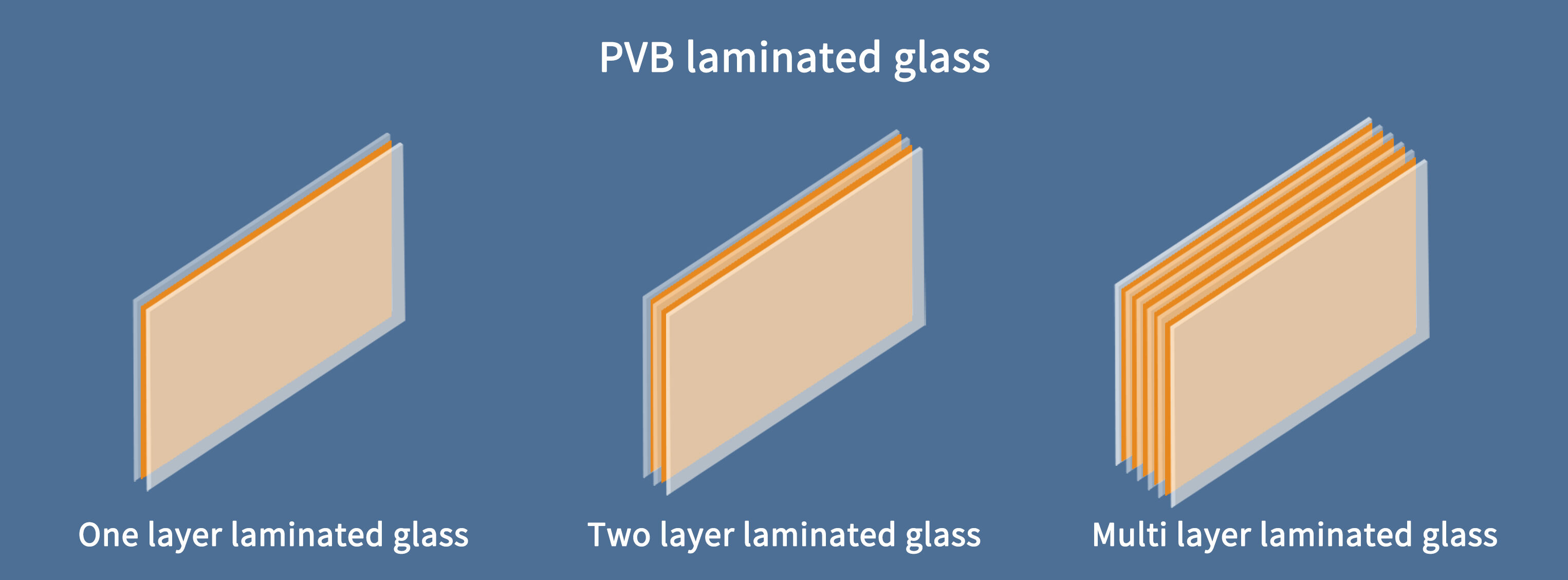
Laminated glass panels represent a sophisticated safety glazing solution that combines multiple layers of glass with interlayer materials to create a strong, durable, and versatile building component. These panels consist of two or more glass sheets bonded together with a transparent plastic interlayer, typically polyvinyl butyral (PVB) or ethylene-vinyl acetate (EVA), through a process of heat and pressure. The main function of laminated glass panels is to provide enhanced safety, security, and performance characteristics that surpass those of standard glass products. When broken, the interlayer holds the glass fragments together, preventing dangerous shards from scattering and maintaining the structural integrity of the panel. This fundamental safety feature makes these panels essential in applications where human safety is paramount. The technological features of laminated glass panels include exceptional impact resistance, sound insulation properties, ultraviolet radiation filtering capabilities, and the ability to support diverse design requirements. The manufacturing process involves carefully controlled conditions that ensure perfect adhesion between layers, eliminating air bubbles and achieving optical clarity. Modern production techniques allow for customization in terms of glass thickness, interlayer composition, tinting options, and overall panel dimensions. Applications for laminated glass panels span across residential, commercial, and industrial sectors. They are extensively used in architectural glazing for windows, doors, skylights, and curtain walls. The automotive industry relies heavily on these panels for windshields and side windows. Museums and galleries use them to protect valuable artwork while maintaining visibility. Retail establishments install laminated glass panels in storefronts to deter break-ins while showcasing merchandise. Banks, government buildings, and high-security facilities depend on these panels for protective barriers. The versatility of laminated glass panels extends to decorative applications, where colored or printed interlayers create stunning visual effects while maintaining functional benefits. Their ability to block harmful UV rays protects interior furnishings from fading and deterioration, making them an intelligent choice for spaces with valuable contents or sensitive materials.

New Product Releases

Choosing laminated glass panels for your project delivers numerous practical benefits that directly impact safety, comfort, and long-term value. The primary advantage lies in the remarkable safety protection these panels provide to building occupants and property. Unlike ordinary glass that shatters into dangerous sharp pieces, laminated glass panels hold together when broken, with fragments adhering to the interlayer. This characteristic dramatically reduces the risk of injury during accidents, natural disasters, or attempted break-ins. For families with children or businesses with high foot traffic, this peace of mind is invaluable. Security enhancement is another significant benefit that property owners immediately appreciate. These panels create a formidable barrier against forced entry, as breaking through requires sustained effort and creates considerable noise. Would-be intruders find it nearly impossible to quickly penetrate laminated glass panels, making them an excellent deterrent for residential homes, retail stores, and commercial properties. This security feature often leads to reduced insurance premiums, providing ongoing financial benefits. Sound insulation capabilities transform living and working environments by blocking unwanted noise. The interlayer in laminated glass panels absorbs sound vibrations, significantly reducing noise transmission from busy streets, airports, railways, or neighboring properties. This creates quieter, more peaceful interiors where people can work, relax, and sleep without constant disturbance. For urban properties or locations near noise sources, this advantage alone justifies the investment. Protection from ultraviolet radiation offers both health and economic benefits. Laminated glass panels filter out up to 99 percent of harmful UV rays that cause skin damage and fade furniture, carpets, artwork, and merchandise. This protection extends the lifespan of interior furnishings and reduces replacement costs over time. Retailers maintain product quality and appearance, while homeowners preserve their investments in interior design. Weather resistance and structural performance make these panels reliable in diverse climates. They withstand extreme temperatures, high winds, and severe weather conditions without compromising integrity. Hurricane-prone regions particularly benefit from laminated glass panels that resist wind-borne debris and maintain building envelope security even when damaged. Design flexibility allows architects and designers to realize creative visions while meeting safety codes. Laminated glass panels come in various thicknesses, sizes, colors, and finishes. They can incorporate decorative elements, patterns, or even embedded materials for unique aesthetic effects. This versatility means you never sacrifice style for safety or functionality. Energy efficiency improves when combining laminated glass panels with appropriate coatings or using them in insulated glazing units. They contribute to better temperature control, reducing heating and cooling costs throughout the year. This environmental benefit aligns with sustainable building practices and green certification requirements. Maintenance requirements remain minimal compared to other security or safety solutions. These panels clean easily with standard glass cleaners and do not require special treatments or regular replacement of components like security films or screens.

Latest News

How Does a Glass Sorting System Integrate with Other Glass Lines?

24

Sep

How Does a Glass Sorting System Integrate with Other Glass Lines?

Seamless Integration of Modern Glass Sorting Technologies The integration of a glass sorting system into existing production lines represents a significant advancement in glass manufacturing and recycling operations. These sophisticated systems utili...
View More
How Do Glass Drilling Machines Handle Different Glass Thicknesses Safely?

28

Oct

How Do Glass Drilling Machines Handle Different Glass Thicknesses Safely?

Understanding Modern Glass Drilling Technology and Safety Mechanisms The world of glass fabrication has evolved significantly with the introduction of advanced glass drilling machines that can handle various glass thicknesses with remarkable precisio...
View More
How Can Double Edgers Improve Efficiency and Reduce Waste?

24

Nov

How Can Double Edgers Improve Efficiency and Reduce Waste?

In today's competitive manufacturing landscape, companies are constantly seeking ways to enhance operational efficiency while minimizing material waste. Double edgers have emerged as a pivotal solution for businesses processing sheet materials, offer...
View More
Why Is Automated Insulating Glass Production Increasing in Large Factories?

19

Dec

Why Is Automated Insulating Glass Production Increasing in Large Factories?

The construction and manufacturing industries are experiencing a significant shift toward automation, with automated insulating glass production leading this transformation in large-scale factories. This evolution represents more than just technologi...
View More

Get a Free Quote

Our representative will contact you soon.
Email
Name
Company Name
Message
0/1000

laminated glass panels

Uncompromising Safety Features That Protect What Matters Most

Uncompromising Safety Features That Protect What Matters Most

The safety characteristics of laminated glass panels stem from their unique construction method and the science behind how they respond to impact and breakage. When force strikes these panels, the glass layers may crack, but the interlayer prevents complete failure and dangerous fragmentation. This holding power is crucial in numerous real-world scenarios. During earthquakes, when buildings shake violently and windows experience extreme stress, laminated glass panels maintain their position in frames even when cracked, preventing openings that could expose occupants to debris or allow weather penetration. In vehicle accidents, these panels protect passengers from ejection and flying glass while maintaining visibility for safe vehicle control. Parents particularly value this safety benefit in homes, where active children and sports activities create constant risk of window impacts. A soccer ball, bicycle accident, or simple childhood mishap that would create dangerous broken glass with standard windows results only in cracked but intact laminated glass panels. The interlayer continues holding fragments securely, eliminating the immediate danger and allowing safe, planned replacement rather than emergency response. Commercial properties face liability concerns that laminated glass panels directly address. Slip and fall incidents or accidents involving glass doors and partitions expose businesses to costly lawsuits. Installing these panels demonstrates reasonable care for visitor safety and significantly reduces injury severity if accidents occur. Building codes in many jurisdictions now mandate safety glazing in specific locations, particularly areas where human impact is likely, such as doors, sidelights, and low-level glazing. Laminated glass panels easily satisfy these requirements while providing superior performance compared to minimum-standard alternatives. The interlayer material itself offers different performance grades to match specific safety needs. Standard PVB interlayers provide excellent everyday protection, while specialized formulations deliver enhanced properties. Acoustic PVB reduces sound transmission for quiet environments, structural PVB allows for dramatic architectural applications with minimal framing, and security-grade interlayers create barriers against forced entry and ballistic threats. This range of options ensures appropriate safety levels for every application from residential homes to government facilities. Hurricane and storm protection represents another critical safety dimension where laminated glass panels excel. Impact-resistant products withstand flying debris that would penetrate ordinary windows, maintaining building integrity during severe weather. This protection prevents catastrophic interior damage from wind and rain entering through broken windows, potentially saving entire structures and their contents. Building occupants remain safer inside protected spaces rather than facing evacuation during dangerous conditions.
Superior Security Performance That Deters Threats and Protects Assets

Superior Security Performance That Deters Threats and Protects Assets

Security concerns drive many decisions about building materials and protective measures, and laminated glass panels deliver exceptional defense against various threats without the institutional appearance of bars or heavy shutters. The security value begins with the basic construction that creates a tough, resilient barrier requiring significant time and effort to breach. Criminals typically seek quick, quiet entry opportunities, but laminated glass panels frustrate these attempts. Even when struck repeatedly with heavy objects, these panels resist penetration as the interlayer stretches and absorbs impact energy rather than allowing breakthrough. The noise generated during such attempts attracts attention, further discouraging criminal activity. This deterrent effect often proves as valuable as the physical protection itself. Potential intruders assess targets before attempting entry, and visible laminated glass panels signal a hardened target that presents too much risk and effort. Many criminals simply move on to easier opportunities, making these panels a proactive security investment. Retail environments benefit tremendously from this protection. Smash-and-grab robberies targeting displayed merchandise become far more difficult when storefronts use laminated glass panels. The crucial seconds saved before breach allow security systems to activate, authorities to be notified, and sometimes for security personnel to respond. Even if entry eventually occurs, the delay limits the time available for theft, reducing potential losses. High-value merchandise displays particularly warrant this protection. Jewelry stores, electronics retailers, and luxury goods shops face constant security challenges. Laminated glass panels allow attractive product displays that drive sales while providing robust protection after hours. Some retailers report that visible security glazing actually enhances customer confidence, demonstrating serious commitment to inventory protection and potentially to customer safety as well. Residential security applications address growing concerns about home invasions and property crime. Laminated glass panels in entry doors, accessible windows, and ground-floor glazing create multiple barriers that dramatically slow or prevent forced entry. Homeowners sleep more soundly knowing their families enjoy this enhanced protection, particularly in areas with elevated crime rates or isolated properties where response times may be longer. Financial institutions have long recognized the security value these panels provide for teller windows and transaction areas. Banks, credit unions, and currency exchanges require barriers that protect staff while allowing clear communication and transaction processing. Laminated glass panels with appropriate interlayer thickness meet these demanding security requirements while maintaining the open, welcoming environment that customers expect. Government facilities, embassies, and corporate headquarters face sophisticated security threats that require graduated protection levels. Laminated glass panels can be engineered to meet specific ballistic resistance ratings, protecting occupants from armed attacks while maintaining architectural aesthetics. This discreet security allows buildings to function normally without fortress-like appearances that intimidate visitors or advertise security concerns.
Acoustic Comfort and UV Protection That Enhance Living and Working Environments

Acoustic Comfort and UV Protection That Enhance Living and Working Environments

Beyond safety and security, laminated glass panels dramatically improve interior comfort through sophisticated noise control and ultraviolet radiation filtering. These quality-of-life benefits may not seem as immediately critical as protection against breakage or intrusion, but they profoundly affect daily experiences and long-term satisfaction with buildings. Sound control challenges affect urban dwellers, properties near transportation corridors, and any location where exterior noise intrudes on interior peace. Traffic noise, aircraft flyovers, train operations, construction activities, and entertainment districts create constant acoustic assault that increases stress, disrupts sleep, and reduces productivity. Standard windows provide minimal sound insulation, allowing these disturbances to dominate interior environments. Laminated glass panels transform this situation through the acoustic damping properties of their interlayer material. Sound waves traveling through glass encounter the flexible interlayer, which absorbs vibration energy rather than transmitting it efficiently. This interruption significantly reduces noise levels, measured in decibel reduction across various frequency ranges. The effect is immediately noticeable, with busy streets becoming distant background sounds rather than intrusive disturbances. Bedrooms become restful sleeping spaces, home offices support concentration, and living areas allow comfortable conversation without competing against exterior noise. The acoustic benefits extend to preventing sound transmission outward as well, important for music rooms, home theaters, or any space where interior noise might disturb neighbors. Recording studios, practice spaces, and residential properties in dense neighborhoods all benefit from this bidirectional sound control. Specialized acoustic interlayers optimize this performance for situations demanding maximum noise reduction. These premium materials provide even greater sound insulation, creating library-quiet spaces in challenging acoustic environments. For properties where noise pollution significantly impacts property values or rental rates, the investment in acoustic laminated glass panels yields measurable financial returns through increased desirability and pricing power. Ultraviolet radiation protection addresses a different but equally important comfort and preservation concern. Sunlight streaming through windows creates bright, pleasant spaces, but the UV component causes serious problems. Human skin exposure to UV radiation through windows contributes to skin damage and health concerns, particularly for individuals spending long hours near windows in offices or homes. Interior furnishings suffer even more visibly, with fabrics fading, wood finishes degrading, artwork colors shifting, and carpets losing vibrancy. This deterioration represents substantial financial loss as expensive furniture, window treatments, and decorative elements require premature replacement. Retail environments face particular challenges as merchandise displayed near windows becomes unsellable due to sun damage, creating inventory losses and disappointed customers. Museums and galleries protecting irreplaceable artwork require absolute UV control to preserve cultural treasures. Laminated glass panels block up to 99 percent of UV transmission while allowing visible light to pass freely, maintaining bright, naturally lit spaces without the damaging radiation. This protection works continuously without requiring blinds or curtains that would darken interiors, allowing full enjoyment of windows and views. The interlayer material itself provides this UV filtering as an inherent characteristic rather than a coating that might degrade over time, ensuring lasting protection throughout the panel's service life.