Fiber Glass Machine: Advanced Manufacturing Solutions for High-Quality Composite Production

All Categories

Get a Free Quote

Our representative will contact you soon.
Email
Name
Company Name
Message
0/1000

fiber glass machine

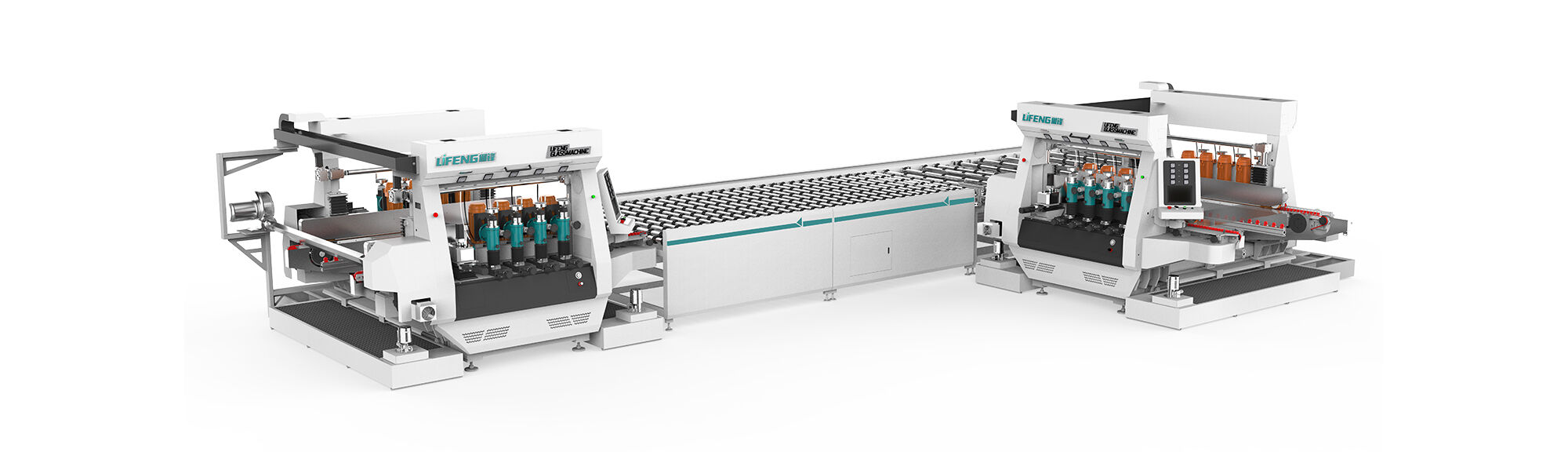
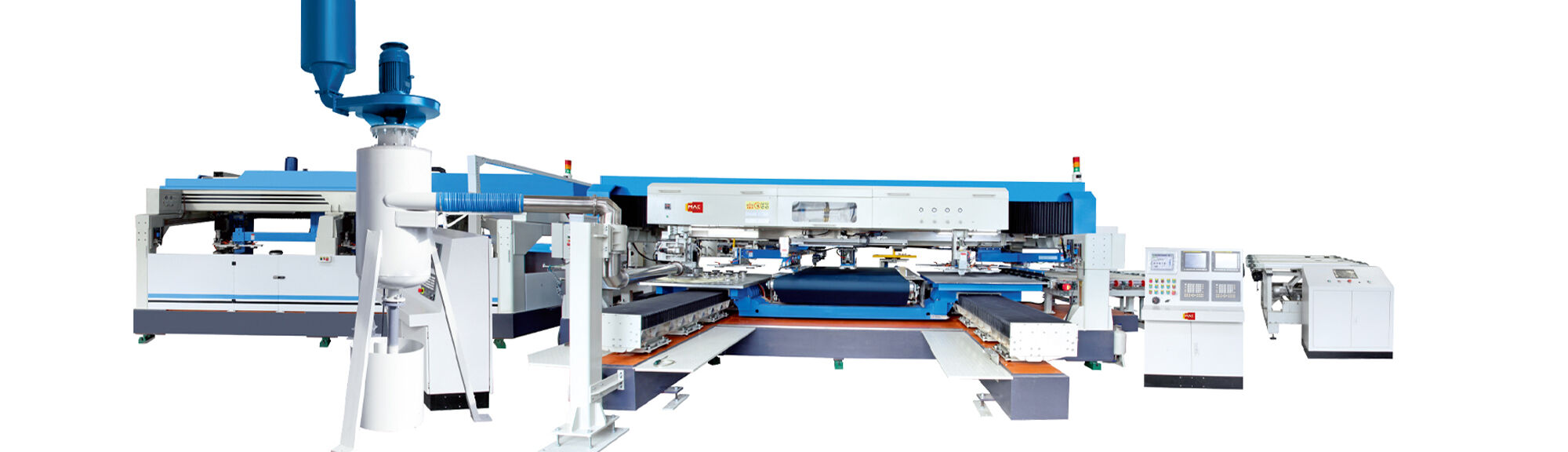
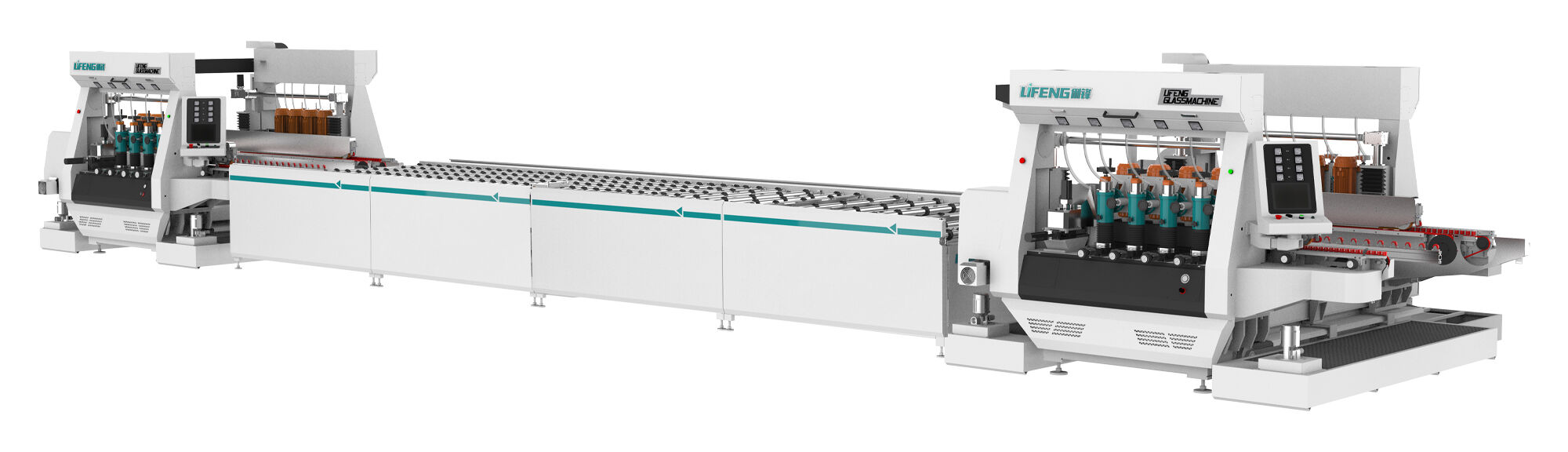
The fiber glass machine represents a crucial piece of industrial equipment designed to manufacture fiberglass products through automated processes. This sophisticated manufacturing system transforms raw materials including glass fibers, resins, and reinforcing agents into durable composite materials used across multiple industries. The fiber glass machine operates through precise mechanical and chemical processes that ensure consistent quality and production efficiency. Modern fiber glass machine systems incorporate advanced control mechanisms that monitor temperature, pressure, and material flow throughout the production cycle. These machines can produce various fiberglass products ranging from sheets and panels to complex molded components. The primary functions include material mixing, where resins and hardeners combine in exact proportions, fiber placement that positions glass strands according to design specifications, and curing processes that solidify the composite material. The fiber glass machine utilizes automated feeding systems that deliver continuous glass fiber rovings while simultaneously applying resin coatings. Technological features include programmable logic controllers that manage production parameters, servo-driven systems ensuring precise material placement, and integrated heating elements maintaining optimal curing temperatures. The applications of fiber glass machine technology span automotive manufacturing where lightweight body panels reduce vehicle weight, construction industries producing durable building materials, marine sector creating corrosion-resistant boat hulls, and aerospace applications requiring high strength-to-weight ratios. The fiber glass machine also serves wind energy industries manufacturing turbine blades, sanitary ware production creating bathtubs and shower enclosures, and sports equipment manufacturing producing everything from surfboards to protective gear. The versatility of the fiber glass machine makes it indispensable for companies seeking to produce reinforced composite materials with superior mechanical properties, chemical resistance, and longevity compared to traditional materials.

Popular Products

The fiber glass machine delivers exceptional production efficiency that significantly reduces manufacturing time compared to manual fiberglass fabrication methods. Companies investing in a fiber glass machine experience immediate improvements in output capacity, with automated systems operating continuously for extended periods without fatigue or quality degradation. The precision engineering behind every fiber glass machine ensures consistent product quality, eliminating the variations common in hand-layup processes. This consistency translates directly into reduced waste rates, as the fiber glass machine applies exact amounts of materials according to programmed specifications, minimizing excess resin usage and fiber waste. Cost savings represent another compelling advantage, as the fiber glass machine reduces labor requirements while simultaneously increasing production volumes. The automation provided by a fiber glass machine allows businesses to reallocate skilled workers to quality control and design optimization roles rather than repetitive manufacturing tasks. Energy efficiency stands as a key benefit, with modern fiber glass machine designs incorporating heat recovery systems and optimized curing cycles that minimize power consumption. The fiber glass machine enables businesses to respond quickly to market demands, with rapid changeover capabilities allowing different product configurations without extensive retooling. Safety improvements are substantial, as the fiber glass machine isolates workers from hazardous chemical exposure and repetitive strain injuries associated with manual composite fabrication. The enclosed operating environment of a fiber glass machine contains volatile organic compounds and maintains proper ventilation, creating healthier workplace conditions. Product quality benefits extend beyond consistency to include superior mechanical properties, as the fiber glass machine achieves optimal fiber-to-resin ratios and eliminates air pockets that weaken composite structures. The fiber glass machine provides excellent scalability, allowing businesses to start with single-unit operations and expand production capacity by adding additional machines as demand grows. Maintenance requirements remain manageable, with modular designs enabling quick component replacement and minimal downtime. The fiber glass machine offers remarkable flexibility in material selection, accommodating various glass fiber types, resin formulations, and reinforcement fabrics to meet specific application requirements. Return on investment typically occurs within two to three years as production efficiency gains and material savings accumulate. The fiber glass machine represents a strategic asset that positions manufacturers competitively in markets demanding high-quality composite materials at competitive prices.

Latest News

How Does a Glass Sorting System Integrate with Other Glass Lines?

24

Sep

How Does a Glass Sorting System Integrate with Other Glass Lines?

Seamless Integration of Modern Glass Sorting Technologies The integration of a glass sorting system into existing production lines represents a significant advancement in glass manufacturing and recycling operations. These sophisticated systems utili...
View More
How Do Glass Drilling Machines Achieve Precision and Accuracy?

28

Oct

How Do Glass Drilling Machines Achieve Precision and Accuracy?

The Engineering Marvel Behind Modern Glass Drilling Technology Glass drilling machines represent the pinnacle of precision engineering in today's manufacturing landscape. These sophisticated pieces of equipment combine advanced technology with mechan...
View More
Why Are Smart Glass Cutting Lines Becoming the Standard in Factories?

28

Oct

Why Are Smart Glass Cutting Lines Becoming the Standard in Factories?

The Revolution of Automated Glass Processing in Modern Manufacturing The manufacturing landscape is undergoing a dramatic transformation as smart glass cutting lines increasingly become the backbone of modern glass processing facilities. These sophis...
View More
Why Is Automated Insulating Glass Production Increasing in Large Factories?

19

Dec

Why Is Automated Insulating Glass Production Increasing in Large Factories?

The construction and manufacturing industries are experiencing a significant shift toward automation, with automated insulating glass production leading this transformation in large-scale factories. This evolution represents more than just technologi...
View More

Get a Free Quote

Our representative will contact you soon.
Email
Name
Company Name
Message
0/1000

fiber glass machine

Advanced Automation Technology Maximizes Production Efficiency

Advanced Automation Technology Maximizes Production Efficiency

The fiber glass machine incorporates cutting-edge automation technology that revolutionizes composite manufacturing by streamlining every production phase from material preparation through final product output. At the heart of this automation system lies a sophisticated control interface that allows operators to program complex production sequences with minimal training. The fiber glass machine utilizes intelligent sensors throughout the manufacturing process, continuously monitoring critical parameters such as resin viscosity, fiber tension, ambient temperature, and curing progress. These sensors feed real-time data to the central processing unit, which makes instantaneous adjustments to maintain optimal production conditions. The automated material handling systems within the fiber glass machine eliminate manual intervention in potentially hazardous operations, reducing workplace injuries while improving production consistency. Robotic material dispensing units precisely measure and mix resin components, ensuring perfect chemical ratios that maximize the mechanical properties of finished products. The fiber glass machine features programmable motion control systems that position fiber reinforcements with micron-level accuracy, creating uniform material distribution impossible to achieve through manual methods. This precision extends to the curing phase, where the fiber glass machine maintains exact temperature profiles throughout the composite structure, preventing thermal gradients that could create internal stresses or weak points. The automation capabilities enable lights-out manufacturing during off-shift hours, dramatically increasing equipment utilization rates and production capacity without proportional increases in labor costs. Operators can monitor multiple fiber glass machine units simultaneously through centralized dashboards that display production metrics, maintenance alerts, and quality indicators. The fiber glass machine stores production recipes digitally, allowing instant changeovers between different product specifications without manual recalibration. This automation extends equipment lifespan by preventing operator errors that might damage components or create maintenance issues. The integrated quality assurance systems within the fiber glass machine perform continuous checks during production, automatically rejecting defective products before they consume additional processing resources, thereby maximizing material efficiency and minimizing waste disposal costs.
Exceptional Material Versatility Serves Diverse Industry Applications

Exceptional Material Versatility Serves Diverse Industry Applications

The fiber glass machine demonstrates remarkable adaptability in processing a wide spectrum of materials and producing diverse product configurations that serve multiple industrial sectors with varying performance requirements. This versatility begins with the fiber glass machine capability to work with different glass fiber formats including continuous roving, chopped strand mat, woven fabrics, and specialty reinforcement architectures. The equipment accommodates various resin systems ranging from polyester and vinyl ester to epoxy and phenolic formulations, each selected for specific performance characteristics such as chemical resistance, temperature tolerance, or mechanical strength. The fiber glass machine processing parameters adjust automatically when switching between material types, modifying factors like catalyzation rates, application pressures, and curing temperatures to optimize results for each combination. This flexibility allows manufacturers using a fiber glass machine to serve customers across automotive, marine, construction, and aerospace industries without investing in multiple specialized equipment systems. The fiber glass machine produces flat sheets, corrugated panels, complex three-dimensional molded parts, and continuous profiles including tubes, channels, and custom cross-sections. Thickness control capabilities enable the fiber glass machine to manufacture products ranging from thin decorative laminates measuring fractions of millimeters to structural components exceeding several centimeters in thickness. The equipment handles both thermosetting and thermoplastic matrix materials, expanding the range of achievable product properties and recycling possibilities. Color integration represents another versatility dimension, as the fiber glass machine incorporates pigments and gelcoats during production, eliminating secondary finishing operations. The fiber glass machine accommodates various core materials including foam and honeycomb structures for sandwich panel construction, creating lightweight products with exceptional stiffness-to-weight ratios. This material flexibility extends to incorporating functional additives such as fire retardants, UV stabilizers, and conductive fillers that impart specialized properties to finished products. Manufacturers operating a fiber glass machine can rapidly prototype new product designs, testing different material combinations and structural configurations without significant tooling investments. The equipment modularity allows configuration changes that expand processing capabilities as business needs evolve, protecting initial capital investments while supporting growth strategies and market diversification initiatives.
Superior Product Quality Ensures Long-Term Performance and Customer Satisfaction

Superior Product Quality Ensures Long-Term Performance and Customer Satisfaction

The fiber glass machine delivers consistently superior product quality through precision engineering and process control capabilities that eliminate common defects associated with manual composite manufacturing methods. Quality begins with the fiber glass machine ability to maintain exact fiber volume fractions throughout produced components, ensuring predictable mechanical properties that meet engineering specifications. The controlled resin impregnation achieved by a fiber glass machine eliminates dry spots where insufficient resin creates weak points vulnerable to moisture ingress and delamination. Conversely, the precision application prevents resin-rich areas that add unnecessary weight without contributing structural strength. The fiber glass machine curing systems provide uniform heat distribution that completely polymerizes the resin matrix, maximizing chemical crosslinking and achieving optimal mechanical properties including tensile strength, flexural modulus, and impact resistance. Surface quality represents another area where the fiber glass machine excels, producing smooth, uniform finishes that reduce or eliminate secondary operations like sanding and polishing. The controlled environment within the fiber glass machine prevents contamination from dust, moisture, and other airborne particles that could compromise surface appearance or create adhesion problems in multi-layer constructions. Dimensional accuracy achieved by the fiber glass machine ensures components fit properly in assembly operations, reducing rejection rates and warranty claims. The equipment produces parts with consistent thickness profiles, preventing thin sections that might fail prematurely or thick areas that waste material and add unnecessary weight. The fiber glass machine minimizes internal voids and air pockets that weaken composite structures and provide pathways for environmental degradation. This void reduction extends product service life significantly, particularly in demanding applications involving temperature cycling, chemical exposure, or mechanical stress. The fiber glass machine documentation capabilities track production parameters for every manufactured unit, providing traceability that supports quality certifications and facilitates continuous improvement initiatives. Statistical process control integration allows manufacturers to identify trending variations before they produce defective products, maintaining high first-pass yield rates. The consistent quality delivered by a fiber glass machine enhances brand reputation, as customers receive reliable products that perform as specified throughout their intended service life, building loyalty and generating repeat business opportunities.