Electric Glass Furnace: Advanced Temperature Control and Energy-Efficient Glass Melting Solutions

All Categories

Get a Free Quote

Our representative will contact you soon.
Email
Name
Company Name
Message
0/1000

electric glass furnace

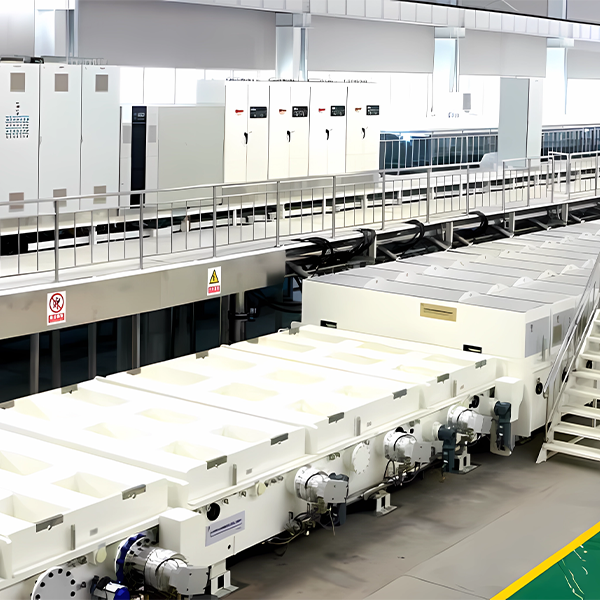
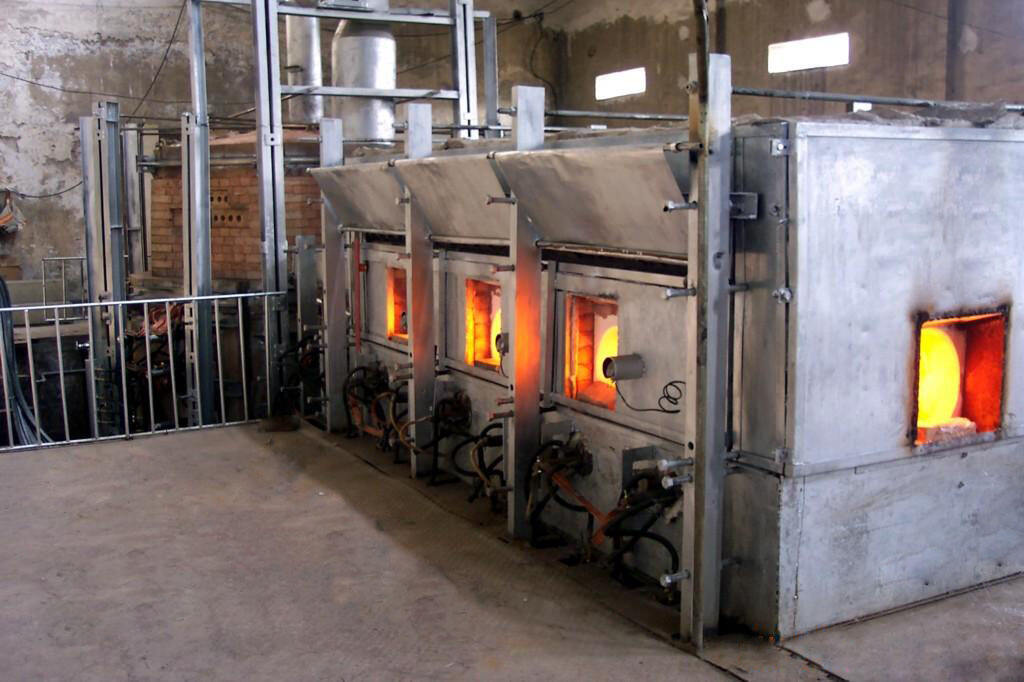
An electric glass furnace represents a sophisticated heating system designed specifically for melting and processing glass materials using electrical energy as its primary power source. This advanced industrial equipment has revolutionized the glass manufacturing sector by providing precise temperature control and efficient melting capabilities. The electric glass furnace operates by converting electrical energy into heat through resistance heating elements or electrode systems, creating the extreme temperatures necessary to transform raw glass materials into molten form. Modern electric glass furnace designs incorporate cutting-edge temperature management systems that maintain consistent heat distribution throughout the melting chamber, ensuring uniform glass quality and optimal production outcomes. These furnaces serve multiple functions including initial melting of raw materials, refining molten glass to remove bubbles and impurities, conditioning glass to achieve desired viscosity levels, and maintaining holding temperatures for continuous production processes. The technological features of an electric glass furnace include programmable control systems that allow operators to set and monitor precise temperature profiles, advanced insulation materials that minimize heat loss and improve energy efficiency, and specialized refractory linings that withstand prolonged exposure to molten glass at extreme temperatures. Applications for the electric glass furnace span across various industries including container glass production for bottles and jars, flat glass manufacturing for windows and architectural applications, specialty glass fabrication for optical components and laboratory equipment, fiber glass production for insulation and reinforcement materials, and art glass creation for decorative and artistic purposes. The versatility of an electric glass furnace makes it indispensable in both large-scale industrial operations and smaller specialized workshops where quality control and production flexibility are paramount considerations for business success.

New Product Recommendations

Choosing an electric glass furnace for your glass production operations delivers numerous practical benefits that directly impact your bottom line and operational efficiency. The first major advantage centers on precise temperature control that electric systems provide, allowing you to achieve exact melting temperatures within narrow tolerances, which results in consistent glass quality batch after batch and reduces waste from temperature-related defects. This precision eliminates the guesswork associated with traditional fuel-fired systems and gives you complete command over your production parameters. Energy efficiency stands as another compelling reason to invest in an electric glass furnace, as modern electrical heating systems convert up to 95 percent of input energy directly into usable heat, compared to fuel-fired alternatives that lose significant energy through exhaust gases and combustion inefficiencies. This superior efficiency translates into lower operating costs and faster return on investment, especially in regions where electricity rates remain competitive. Environmental benefits cannot be overlooked, as the electric glass furnace produces zero direct emissions at the point of use, eliminating concerns about sulfur dioxide, nitrogen oxides, and particulate matter that plague combustion-based systems. This clean operation helps you meet increasingly stringent environmental regulations without expensive emission control equipment and positions your facility as an environmentally responsible manufacturer. Operational simplicity represents another key advantage, as electric systems require minimal maintenance compared to burner systems with their complex fuel delivery networks, combustion air systems, and exhaust handling requirements. You spend less time on maintenance shutdowns and more time running profitable production cycles. The compact footprint of an electric glass furnace allows installation in facilities with limited space, and the absence of fuel storage requirements eliminates safety concerns associated with large quantities of natural gas or oil on site. Rapid heating and cooling capabilities give you exceptional production flexibility, enabling quick temperature adjustments for different glass formulations and faster startup and shutdown sequences that reduce non-productive time. Safety improvements come standard with electric systems, as they eliminate explosion risks associated with fuel-gas mixtures and reduce workplace hazards related to open flames and hot exhaust systems. The quiet operation of an electric glass furnace creates a better working environment for your employees, reducing noise pollution that can cause fatigue and communication difficulties on the production floor. Installation costs typically run lower because you avoid expensive flue systems, combustion air ducts, and fuel delivery infrastructure, allowing faster project completion and earlier production startup.

Latest News

What Safety Features Should Be Built into a Glass Sorting System?

24

Sep

What Safety Features Should Be Built into a Glass Sorting System?

Essential Safety Components for Modern Glass Processing Systems Glass sorting systems are vital components in recycling facilities and glass manufacturing plants, where efficiency must be perfectly balanced with worker protection. These sophisticated...
View More
What Are the Future Trends in Intelligent Glass Sorting Systems?

24

Sep

What Are the Future Trends in Intelligent Glass Sorting Systems?

The Evolution of Advanced Glass Sorting Technology The landscape of glass recycling and processing is undergoing a remarkable transformation through intelligent glass sorting systems. These sophisticated technologies are revolutionizing how we handle...
View More
How Do Glass Drilling Machines Achieve Precision and Accuracy?

28

Oct

How Do Glass Drilling Machines Achieve Precision and Accuracy?

The Engineering Marvel Behind Modern Glass Drilling Technology Glass drilling machines represent the pinnacle of precision engineering in today's manufacturing landscape. These sophisticated pieces of equipment combine advanced technology with mechan...
View More
How to Optimize Production Settings in a Hub Glass Furnace?

24

Nov

How to Optimize Production Settings in a Hub Glass Furnace?

Glass manufacturing represents one of the most energy-intensive industrial processes, requiring precise control of temperature, atmosphere, and raw material flow to achieve optimal production efficiency. Modern hub glass furnace systems have evolved ...
View More

Get a Free Quote

Our representative will contact you soon.
Email
Name
Company Name
Message
0/1000

electric glass furnace

Superior Temperature Precision and Consistency

Superior Temperature Precision and Consistency

The electric glass furnace delivers unmatched temperature precision that fundamentally transforms glass production quality and consistency, setting new standards for manufacturing excellence in the industry. Traditional heating methods struggle to maintain stable temperatures due to combustion variables, fuel quality fluctuations, and airflow inconsistencies that create hot spots and cold zones within the melting chamber. In contrast, an electric glass furnace utilizes sophisticated electronic control systems that monitor and adjust heating elements in real-time, responding instantly to any temperature deviations and maintaining your desired setpoint within plus or minus two degrees. This remarkable precision ensures every batch of glass melts under identical conditions, producing uniform material properties that meet the most demanding specifications for optical clarity, color consistency, and physical characteristics. For manufacturers producing high-value specialty glass products, this consistency eliminates costly rejection rates and builds customer confidence in your ability to deliver perfect results time after time. The importance of temperature precision extends beyond just the melting phase, as proper annealing and conditioning require carefully controlled cooling profiles that the electric glass furnace executes flawlessly through programmable temperature ramps. You can store multiple temperature profiles in the control system, allowing quick changeovers between different glass formulations without manual adjustments or trial-and-error testing. This capability proves invaluable for operations producing diverse product lines or custom orders requiring frequent recipe changes. The stable thermal environment inside an electric glass furnace also protects refractory materials from thermal shock damage caused by rapid temperature swings, extending furnace life and reducing maintenance expenses over the long term. Quality control becomes simpler and more reliable because you eliminate temperature variation as a potential cause of defects, allowing your team to focus on other process variables and continuous improvement initiatives. The value proposition for potential customers centers on reduced waste, improved product quality, enhanced reputation for reliability, and the ability to confidently bid on projects with tight specification requirements that competitors using less precise heating systems cannot guarantee. Investment in an electric glass furnace with superior temperature control pays dividends through premium pricing opportunities for certified high-quality glass products and long-term customer relationships built on consistent performance delivery.
Exceptional Energy Efficiency and Cost Reduction

Exceptional Energy Efficiency and Cost Reduction

An electric glass furnace stands out in the marketplace for its exceptional energy efficiency that directly reduces operating expenses and improves profitability for glass manufacturers of all sizes. The fundamental advantage stems from the direct conversion of electrical energy into heat without the intermediate combustion process required by gas or oil-fired systems, which inherently waste substantial energy through hot exhaust gases that carry away usable heat before it reaches the glass batch. Electric resistance heating and electrode systems transfer heat directly into the melting chamber with minimal losses, achieving thermal efficiencies exceeding 90 percent compared to 50 to 65 percent typical of combustion furnaces. This dramatic efficiency difference means you purchase less energy to melt the same quantity of glass, generating immediate cost savings that accumulate substantially over months and years of continuous operation. The financial impact becomes even more significant for operations running multiple shifts or continuous production schedules where energy costs represent a major portion of total manufacturing expenses. Beyond raw efficiency numbers, the electric glass furnace offers superior insulation options because you do not need to accommodate combustion air intake or exhaust gas outlets that create thermal weak points in furnace walls. Advanced ceramic fiber insulation and multi-layer refractory systems trap heat inside the melting chamber where it belongs, further reducing energy consumption and creating faster heating cycles that boost productivity. Reduced energy waste also means less cooling burden on your facility, lowering air conditioning costs in warm climates and creating more comfortable working conditions for production personnel. The predictable energy consumption profile of an electric glass furnace simplifies budgeting and cost forecasting, as you avoid the price volatility associated with natural gas and petroleum fuels that can swing wildly based on geopolitical events and seasonal demand patterns. Many regions offer favorable electricity rates for industrial users, especially during off-peak hours, allowing savvy operators to schedule energy-intensive melting operations when rates drop and achieve even greater cost advantages. The long-term value proposition includes lower total cost of ownership when you factor in reduced maintenance requirements, longer equipment life due to gentler operating conditions, and avoided costs for emission control systems and environmental compliance programs. For environmentally conscious customers, the efficiency of an electric glass furnace aligns with sustainability goals by minimizing overall energy consumption and reducing carbon footprint, particularly when paired with renewable electricity sources like solar or wind power that create truly zero-emission glass production.
Clean Operation and Environmental Compliance

Clean Operation and Environmental Compliance

The environmental advantages of an electric glass furnace represent a critical differentiator in today's regulatory landscape where emission standards grow progressively stricter and public awareness of industrial environmental impact continues rising. Unlike combustion-based melting systems that generate significant air pollutants including nitrogen oxides, sulfur compounds, carbon monoxide, and particulate matter, the electric glass furnace produces zero direct emissions during operation, creating a fundamentally cleaner production process that benefits both your business and surrounding communities. This emission-free operation eliminates the need for expensive pollution control equipment such as scrubbers, electrostatic precipitators, and catalytic converters that add substantial capital costs and ongoing maintenance burdens to combustion furnace installations. Regulatory compliance becomes straightforward because you simply avoid the entire complex framework of air quality permits, emission monitoring requirements, and periodic compliance testing that burden facilities using fuel-fired equipment. The administrative time savings alone justify consideration of electric technology, as environmental managers spend countless hours preparing permit applications, conducting stack tests, and responding to regulatory inquiries that electric glass furnace operators never encounter. Forward-thinking manufacturers recognize that environmental regulations will only tighten over coming years, making today's compliant combustion system potentially obsolete tomorrow when new standards take effect, while electric systems remain inherently clean regardless of future regulatory changes. This future-proofing aspect provides investment security and protects against forced upgrades or operational restrictions that could impact business continuity. The absence of combustion byproducts also means no sulfur contamination of glass batches, which can cause quality problems in certain glass formulations, and no oxidation issues from excess oxygen in flame atmospheres that affect color development in artistic and specialty glass applications. Worker health and safety improve dramatically without exposure to combustion gases, fuel handling risks, or flame-related burn hazards, creating a more attractive workplace that helps recruit and retain skilled employees in competitive labor markets. Community relations benefit from operating clean electric technology that generates no visible emissions, odors, or noise pollution that might trigger neighbor complaints or opposition to facility expansion plans. Many customers now prioritize suppliers with strong environmental credentials, making your investment in an electric glass furnace a marketing advantage that differentiates your products in crowded markets. The value extends to potential carbon credit opportunities and green certifications that reward low-emission manufacturing processes, opening doors to environmentally motivated customers willing to pay premium prices for products made using clean technology that aligns with their corporate sustainability commitments and values.