Professional Glass Edge Grinding Machine - Precision Glass Processing Equipment for Superior Edge Finishing

All Categories

Get a Free Quote

Our representative will contact you soon.
Email
Name
Company Name
Message
0/1000

glass edge grinding machine

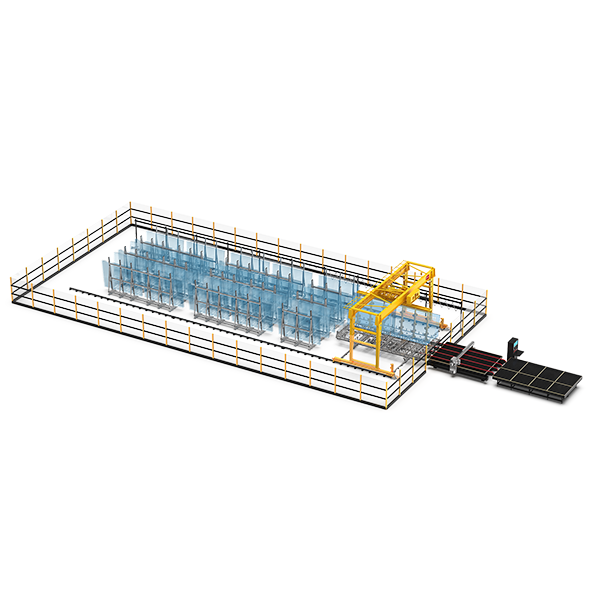
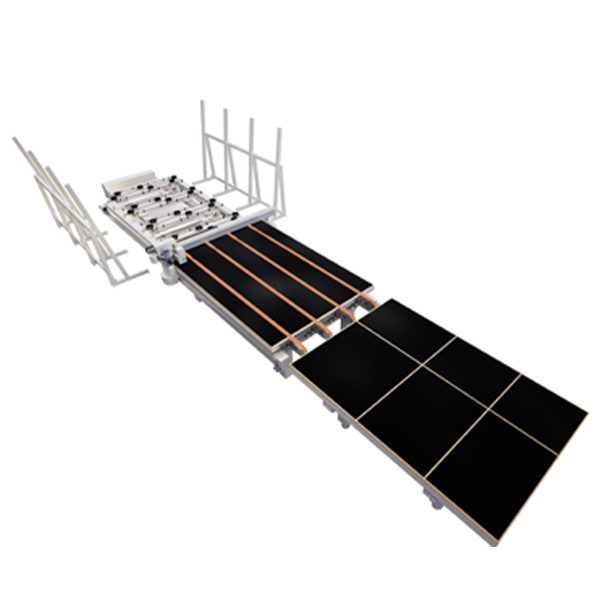
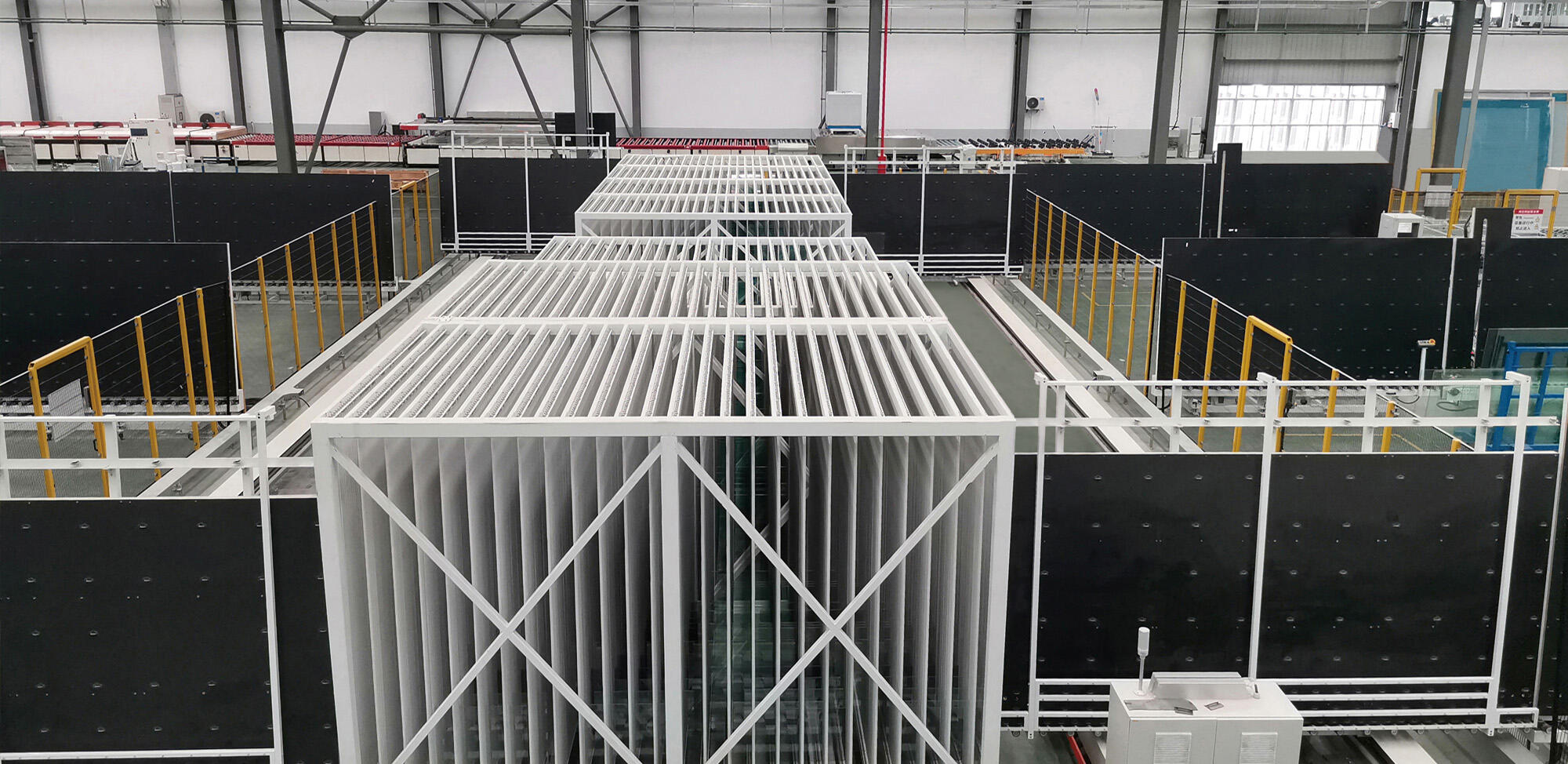
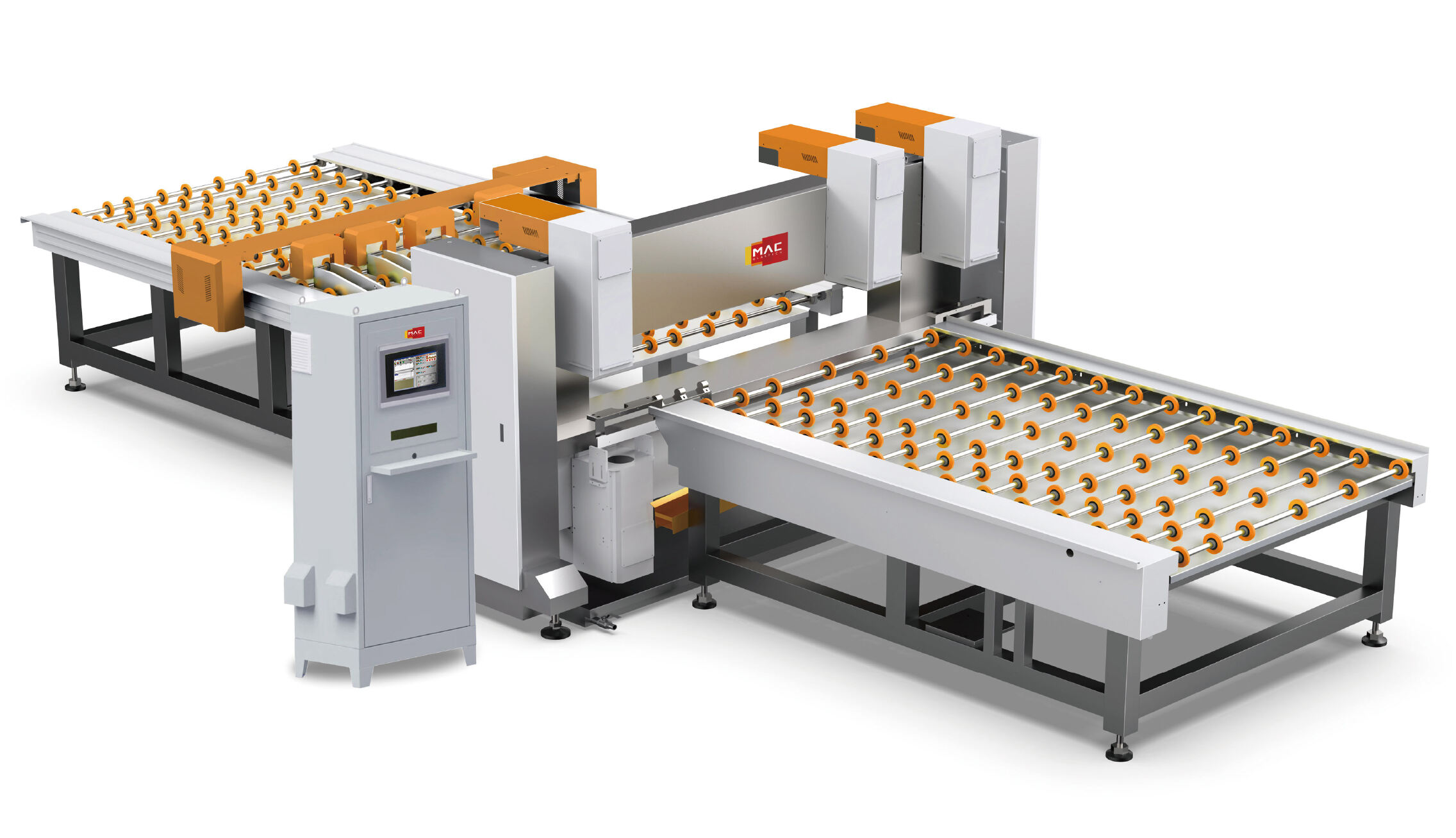
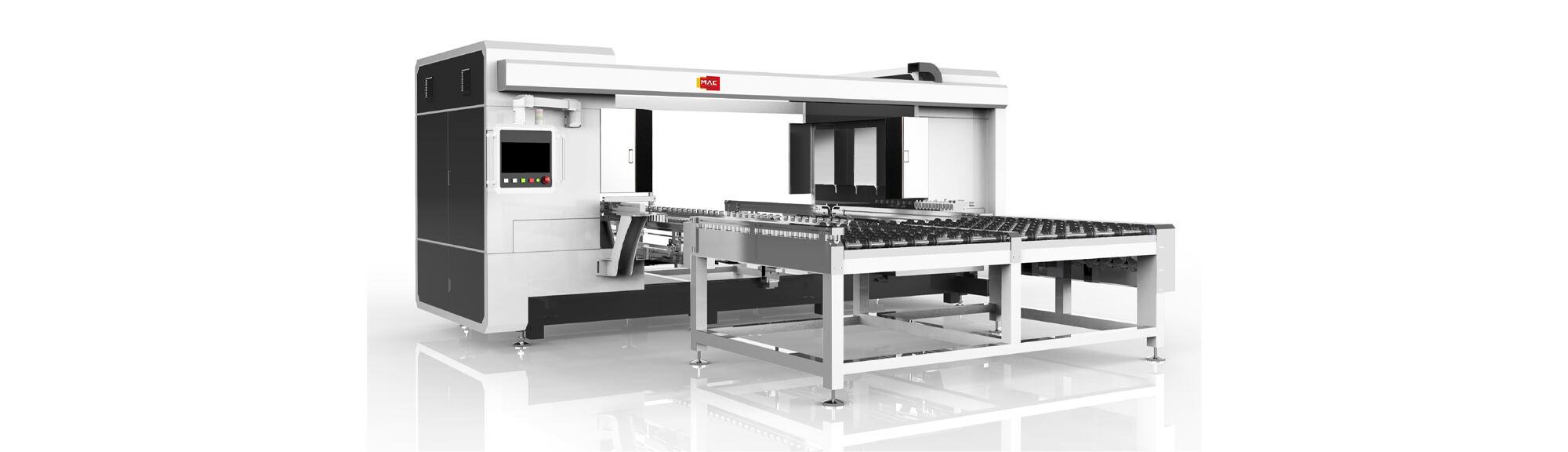
A glass edge grinding machine represents an essential piece of equipment in modern glass processing facilities, designed to transform rough glass edges into smooth, polished, and safe surfaces. This sophisticated machinery handles various glass types and thicknesses, making it indispensable for manufacturers producing architectural glass, automotive components, furniture pieces, and decorative items. The primary function of a glass edge grinding machine centers on removing sharp edges from cut glass panels while creating specific edge profiles that meet aesthetic and safety requirements. These machines utilize diamond grinding wheels rotating at controlled speeds to achieve precise edge finishing. The technological features incorporated into contemporary glass edge grinding machines include programmable logic controllers that enable operators to set exact parameters for different glass specifications. Advanced models feature multiple grinding heads arranged in sequence, each performing a distinct operation such as rough grinding, fine grinding, and polishing. The automated conveyor systems transport glass sheets through various processing stages, ensuring consistent results across production runs. Water cooling systems prevent glass from cracking due to heat generated during grinding operations while simultaneously washing away glass particles. Touch screen interfaces simplify machine operation, allowing workers to select pre-programmed edge profiles or customize settings for unique requirements. Applications for glass edge grinding machines span numerous industries. In construction, these machines prepare glass panels for windows, doors, curtain walls, and skylights. Furniture manufacturers rely on them to finish glass tabletops, shelving units, and cabinet doors. The automotive sector uses specialized grinding machines to process windshields and windows. Mirror production facilities employ these machines to create beveled edges and decorative profiles. Even the electronics industry benefits from precision glass edge grinding when manufacturing display screens and protective covers. The versatility of modern glass edge grinding machines accommodates various edge styles including flat edges, pencil edges, beveled edges, and ogee profiles, making them adaptable to diverse customer demands and market trends.

New Product Releases

Investing in a glass edge grinding machine delivers substantial benefits that directly impact your bottom line and production capabilities. First and foremost, these machines dramatically increase workplace safety by eliminating dangerous sharp edges that pose injury risks to workers and end-users alike. Every processed glass piece exits the machine with smooth, rounded edges that meet safety standards and reduce liability concerns for your business. The precision achieved through mechanical grinding surpasses manual methods, ensuring every edge matches exact specifications without variation between pieces. This consistency proves invaluable when producing large batches where uniformity determines product quality and customer satisfaction. Production speed represents another significant advantage, as automated grinding processes multiple glass sheets per hour compared to the laborious pace of hand grinding. Your workforce becomes more productive, focusing on skilled tasks rather than repetitive manual grinding that causes fatigue and repetitive strain injuries. The economic benefits extend beyond labor savings, as glass edge grinding machines minimize material waste by reducing breakage rates. Properly ground edges strengthen glass panels, decreasing the likelihood of chips and cracks during handling, transportation, and installation. This durability translates to fewer customer complaints, reduced replacement costs, and enhanced reputation for quality craftsmanship. Flexibility in edge profile options allows your business to diversify product offerings without purchasing multiple specialized tools. A single machine equipped with various grinding wheels can produce different edge styles, enabling you to respond quickly to changing customer preferences and market demands. The professional finish achieved by machine grinding commands premium pricing in the marketplace, improving profit margins on each sale. Energy efficiency in modern designs keeps operational costs manageable, with water recirculation systems reducing consumption and environmental impact. Maintenance requirements remain straightforward, with accessible components and clear service protocols that minimize downtime. Training new operators proves relatively simple thanks to intuitive controls and safety features that prevent costly mistakes. The compact footprint of many models fits into existing production spaces without requiring expensive facility modifications. Noise reduction technologies incorporated into recent designs create a more comfortable working environment while complying with occupational health regulations. Digital monitoring systems track machine performance, alerting operators to potential issues before they cause breakdowns, thus protecting your investment through predictive maintenance. The return on investment typically materializes within months as increased throughput, reduced labor costs, and premium product pricing offset the initial purchase price. Long-term durability ensures years of reliable service, making a glass edge grinding machine a sound capital investment that grows alongside your business operations.

Practical Tips

How Does a Glass Sorting System Integrate with Other Glass Lines?

24

Sep

How Does a Glass Sorting System Integrate with Other Glass Lines?

Seamless Integration of Modern Glass Sorting Technologies The integration of a glass sorting system into existing production lines represents a significant advancement in glass manufacturing and recycling operations. These sophisticated systems utili...
View More
Why Are Glass Drilling Machines Vital in Automotive and Construction Industries?

28

Oct

Why Are Glass Drilling Machines Vital in Automotive and Construction Industries?

The Evolution of Glass Processing Technology in Modern Industries The landscape of industrial manufacturing has been transformed by the advent of sophisticated glass drilling machines, revolutionizing how we process and manipulate glass materials. Th...
View More
How to Select the Right Hub Glass Furnace for Your Facility?

24

Nov

How to Select the Right Hub Glass Furnace for Your Facility?

Selecting the appropriate hub glass furnace for your manufacturing facility represents one of the most critical decisions that will impact your production efficiency, product quality, and long-term operational costs. A hub glass furnace serves as the...
View More
How Can Grinding Machines Enhance Surface Finish and Dimensional Accuracy?

19

Dec

How Can Grinding Machines Enhance Surface Finish and Dimensional Accuracy?

Manufacturing precision has reached unprecedented levels in modern industrial applications, where surface finish quality and dimensional accuracy determine product performance and market competitiveness. Advanced grinding machines represent the corne...
View More

Get a Free Quote

Our representative will contact you soon.
Email
Name
Company Name
Message
0/1000

glass edge grinding machine

Advanced Multi-Head Grinding System for Superior Edge Quality

Advanced Multi-Head Grinding System for Superior Edge Quality

The multi-head grinding configuration stands as the defining feature that separates professional glass edge grinding machines from basic equipment. This sophisticated system arranges multiple grinding wheels in a sequential layout, with each head performing a specialized function in the edge finishing process. The first head typically handles rough grinding, removing the bulk of excess glass material and establishing the basic edge shape. This aggressive initial stage uses coarse-grit diamond wheels that quickly cut through glass without concern for surface smoothness. The second and third heads progressively refine the edge using medium-grit wheels that eliminate scratches left by the rough grinding stage while further defining the edge profile. Subsequent heads employ fine-grit wheels that create increasingly smoother surfaces, removing microscopic imperfections that would otherwise remain visible. The final polishing head uses specialized wheels or felt pads with polishing compounds to achieve a crystal-clear, reflective edge finish that rivals the original glass surface quality. This graduated approach ensures optimal results because each grinding stage operates at its ideal efficiency level without compromising subsequent operations. The spacing between heads accommodates proper cooling and cleaning, with water jets positioned to wash away glass particles before they contaminate finer grinding stages. Adjustable pressure systems on each head allow operators to customize grinding intensity based on glass thickness and hardness, preventing over-grinding on delicate pieces while ensuring thorough processing of robust materials. Independent motor drives for each head enable speed variations that optimize grinding performance for different edge profiles and glass compositions. The modular design facilitates maintenance, as individual heads can be serviced or replaced without dismantling the entire machine, minimizing production disruptions. Angle adjustments on certain heads permit the creation of beveled edges and complex profiles that add decorative appeal to finished products. This versatility transforms a glass edge grinding machine from a simple finishing tool into a creative instrument capable of producing distinctive designs that differentiate your products in competitive markets. The precision engineering behind multi-head systems ensures consistent pressure distribution across the entire edge length, eliminating the waves and irregularities common with manual grinding or single-head machines. This uniformity proves especially critical for large architectural glass panels where even slight variations become visually apparent when installed.
Intelligent Automation and Digital Control for Effortless Operation

Intelligent Automation and Digital Control for Effortless Operation

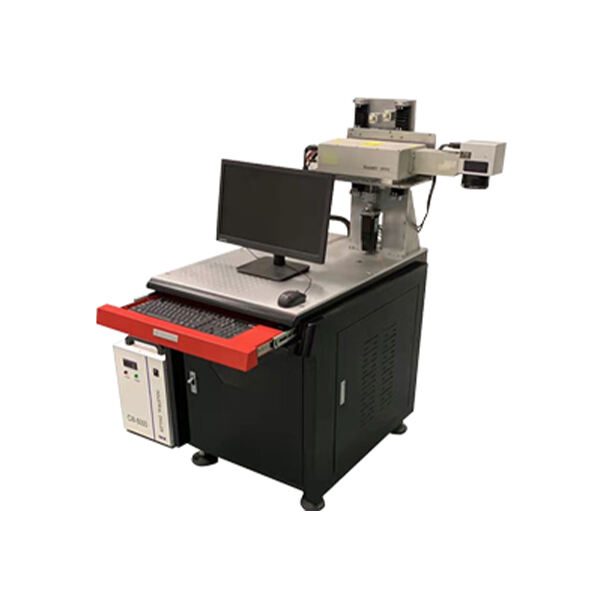
Modern glass edge grinding machines incorporate intelligent automation systems that revolutionize how operators interact with and control the grinding process. At the heart of these systems lies a programmable logic controller that manages every aspect of machine operation, from conveyor speeds to grinding wheel rotation rates. Touch screen interfaces replace complicated button panels, presenting operators with intuitive graphical displays that visualize machine status and processing parameters. Pre-programmed edge profiles stored in the machine memory allow workers to select desired finishes with a simple touch, eliminating guesswork and reducing setup time between production runs. The digital control system automatically adjusts grinding head positions, pressure settings, and processing speeds based on inputted glass dimensions and edge specifications. This automation ensures consistency across thousands of pieces, as the machine executes identical parameters for every glass sheet without deviation caused by human judgment or fatigue. Recipe management functions enable operators to save custom settings for frequently produced items, building a library of proven configurations that streamline repeat orders. Real-time monitoring displays provide immediate feedback on grinding wheel condition, water flow rates, and motor performance, alerting operators to potential issues before they affect product quality. Diagnostic systems identify specific problems when malfunctions occur, often suggesting corrective actions that maintenance personnel can implement quickly. The integration of sensors throughout the machine creates a comprehensive feedback loop that continuously optimizes processing conditions. Thickness sensors detect variations in glass dimensions and automatically adjust grinding parameters to maintain consistent edge quality despite material inconsistencies. Position encoders ensure precise glass placement on the conveyor, preventing misalignment that could result in uneven grinding or damaged corners. Emergency stop systems with multiple activation points prioritize operator safety, immediately halting all machine functions when triggered. Password-protected access levels prevent unauthorized changes to critical settings while allowing experienced operators full control over advanced features. Network connectivity in newer models enables remote monitoring and diagnostics, allowing technical support teams to troubleshoot issues without on-site visits. Production data logging records output quantities, processing times, and efficiency metrics that inform business decisions about capacity planning and resource allocation. The learning curve for operating these automated glass edge grinding machines remains remarkably short, with most workers achieving proficiency within days rather than the weeks required for manual grinding mastery. This accessibility reduces training costs and enables flexible workforce deployment across multiple production areas.
Robust Construction and Precision Engineering for Long-Term Reliability

Robust Construction and Precision Engineering for Long-Term Reliability

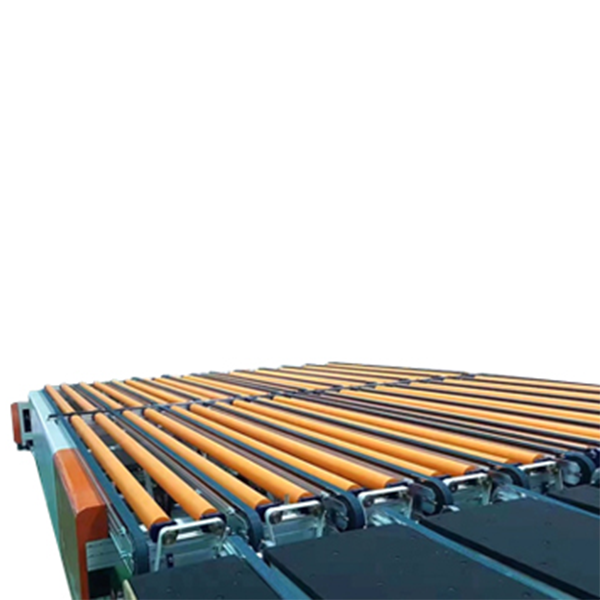
The structural integrity and engineering precision built into professional glass edge grinding machines directly determine their operational lifespan and consistent performance over years of demanding use. Manufacturers construct these machines using heavy-gauge steel frames that resist vibration and maintain alignment even under continuous operation. The rigid framework prevents flexing that would otherwise cause variations in grinding pressure and edge quality, especially when processing large, heavy glass panels. Precision-machined components throughout the machine ensure tight tolerances that minimize play in moving parts, contributing to accuracy and reducing premature wear. The grinding head assemblies mount on linear guide rails engineered to aerospace standards, providing smooth, precise movement without lateral deviation. These rails feature sealed bearing systems that exclude contaminants while retaining lubrication, ensuring consistent performance in the wet, abrasive environment characteristic of glass grinding operations. Motor selections emphasize industrial-grade units rated for continuous duty cycles, delivering reliable power without overheating during extended production runs. Variable frequency drives control motor speeds with precision, enabling smooth acceleration and deceleration that protects both the machine components and the glass being processed. The water circulation system incorporates corrosion-resistant materials throughout, from stainless steel piping to chemical-resistant pumps designed for continuous operation. Filtration units remove glass particles from the coolant water before recirculation, preventing abrasive contamination that could damage pumps and grinding wheels while maintaining optimal cooling efficiency. The conveyor system utilizes materials specifically selected for their combination of durability and gentleness on glass surfaces, transporting panels securely without causing scratches or pressure marks. Drive mechanisms for the conveyor employ timing belts or chains with automatic tension adjustment, eliminating slippage and ensuring synchronized movement through all grinding stages. Electrical components meet international safety standards, with proper ingress protection ratings that guard against moisture and dust intrusion in the challenging workshop environment. Cable management systems route wiring through protected channels, preventing damage from moving parts or accidental contact during maintenance procedures. Accessibility considerations influence the design, with removable panels and strategic component placement that simplify routine servicing and part replacement. Lubrication points feature clearly marked service intervals and easily accessible locations that encourage proper maintenance schedules. The combination of robust construction and precision engineering results in a glass edge grinding machine that maintains its performance characteristics over decades rather than deteriorating into an unreliable production bottleneck. This longevity protects your capital investment while providing the consistent quality output that builds customer loyalty and business reputation.