 EN
EN
 AR
AR
 BG
BG
 HR
HR
 CS
CS
 DA
DA
 NL
NL
 FI
FI
 FR
FR
 DE
DE
 EL
EL
 HI
HI
 IT
IT
 JA
JA
 KO
KO
 PL
PL
 PT
PT
 RO
RO
 RU
RU
 ES
ES
 SV
SV
 TL
TL
 IW
IW
 LV
LV
 LT
LT
 SK
SK
 SL
SL
 UK
UK
 VI
VI
 ET
ET
 HU
HU
 MT
MT
 TH
TH
 TR
TR
 FA
FA
 MS
MS
 SW
SW
 GA
GA
 AZ
AZ

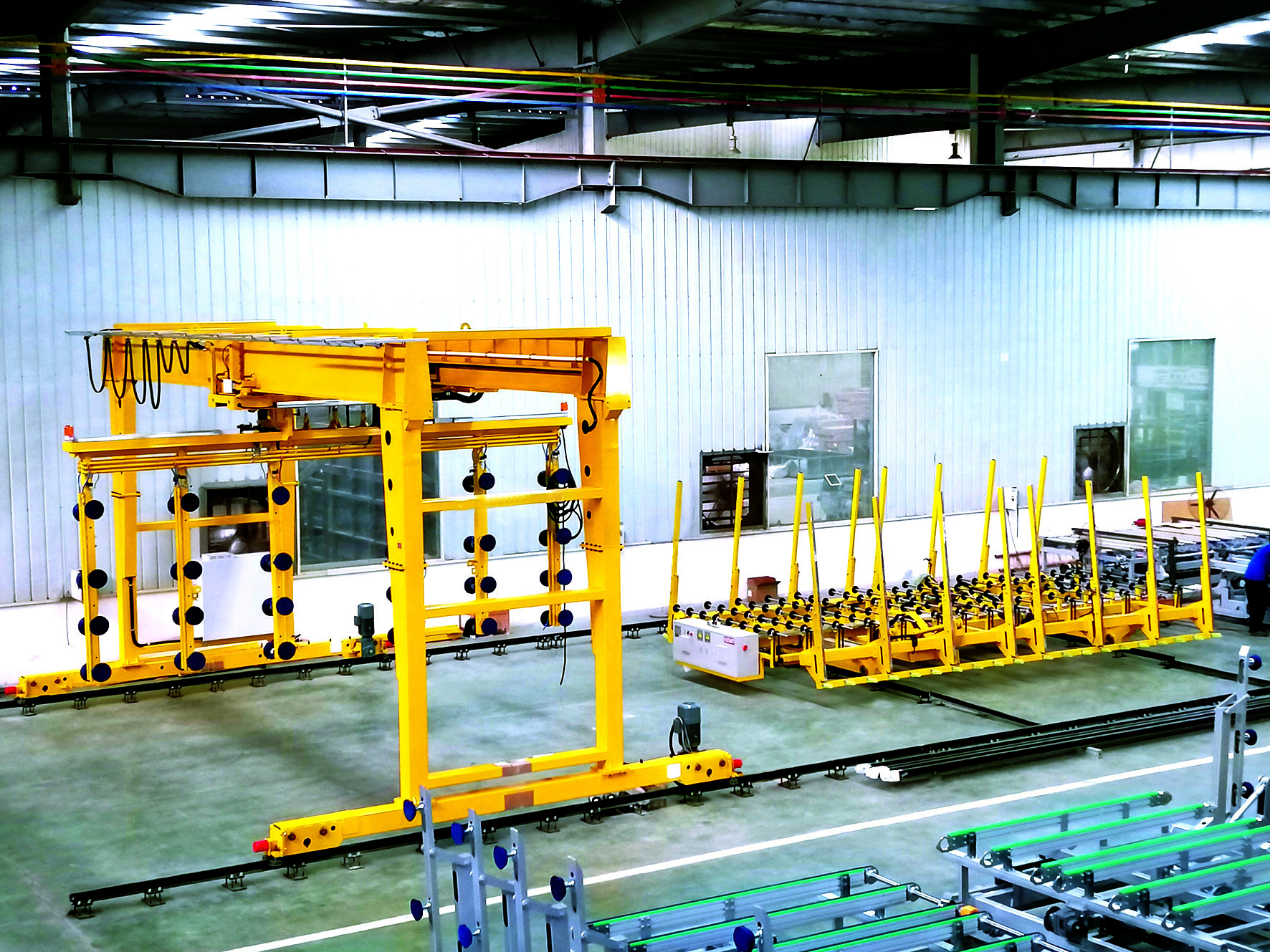
Industrial glass processing plants operate in a highly competitive environment where efficiency directly impacts profitability and market competitiveness. A glass automation solution represents a transformative approach to manufacturing that addresses the fundamental challenges of labor costs, production variability, and operational bottlenecks. The question of whether such systems can genuinely improve efficiency is no longer theoretical—modern glass factory automation has demonstrated measurable results across cutting, tempering, lamination, and coating operations.
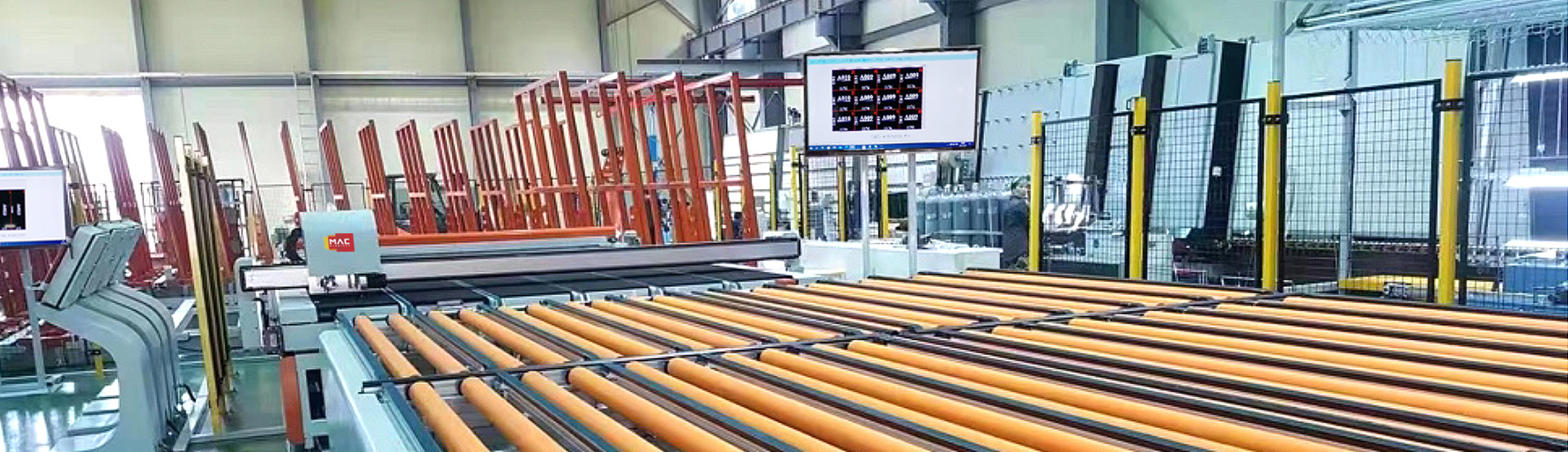
Modern plants that implement glass production automation experience tangible gains in throughput, consistency, and resource utilization. The transition from manual processes to an automated glass processing system is not simply about replacing workers; it involves fundamentally redesigning workflows to eliminate waste, reduce cycle times, and maintain tighter tolerances. Plants that adopt these technologies report improvements ranging from 25 percent to 50 percent in overall production capacity, depending on the scale and sophistication of the glass automation system deployed.
How Glass Factory Automation Enhances Operational Efficiency
Streamlining Production Workflows
Glass factory automation replaces fragmented manual steps with coordinated, continuous processes. In a traditional glass processing environment, sheets move through cutting, edge finishing, hole drilling, and coating stages with human operators making positioning decisions at each step. These handoffs introduce delays, alignment errors, and inconsistent quality. An automated glass processing system performs these tasks with robotic precision, moving materials directly from one operation to the next without repositioning delays. Load times drop from minutes to seconds per operation, and the elimination of manual handoff errors means fewer defects that require rework.
The glass production automation infrastructure also enables real-time monitoring of every step. Sensors track glass position, temperature, pressure, and coating thickness throughout processing. When a parameter drifts outside acceptable ranges, the glass automation solution automatically adjusts equipment settings or flags the product for inspection before it progresses further. This closed-loop control prevents entire batches of substandard glass from being completed, saving material and processing time that would otherwise be wasted.
Reducing Labor Intensity and Operational Costs
Labor represents one of the largest controllable costs in glass manufacturing. A glass factory automation system reduces direct labor requirements by 40 to 60 percent in processing areas, freeing skilled workers to focus on maintenance, quality oversight, and process optimization rather than repetitive material handling. The remaining workforce operates the glass automation solution through operator interfaces and responds to alerts rather than performing manual cutting, stacking, or transport tasks. This shift improves both job satisfaction and safety; workers spend less time in high-risk environments and more time in technical roles that command higher compensation and greater engagement.
Beyond direct labor savings, glass production automation reduces consumable waste. Automated cutting paths are optimized by software to maximize yield from each glass sheet. Automated edge finishing produces consistent edge quality with minimal over-grinding, reducing material loss. Precision coating application systems ensure paint or protective layers are applied at exactly the thickness needed—no more, no less—which reduces material consumption per unit by 10 to 20 percent depending on the coating process and the efficiency gains of the glass automation system.
Capacity and Quality Improvements from Automated Glass Processing
Scaling Production Without Proportional Cost Increases
An automated glass processing system can operate continuously with minimal downtime for changeovers between product types. While manual lines must stop, reset tooling, and adjust operator positioning for different glass sizes or specifications, glass factory automation completes these transitions in minutes through software adjustments and robotic repositioning. This capability allows plants to fulfill diverse customer orders from a single production line, reducing inventory and enabling faster order fulfillment. A facility that historically produced 1000 units per shift with manual labor can achieve 1500 to 2000 units with glass production automation, assuming the equipment and upstream supply are scaled accordingly.
The reliability of automated systems also extends equipment lifecycle. Manual handling introduces impact, misalignment, and operator error that damage equipment and finished products. Glass automation solutions minimize these incidents through gentle, precision handling. Downstream equipment experiences less vibration and stress, resulting in longer maintenance intervals and extended service life. Over a ten-year planning horizon, these operational efficiencies compound into substantial cost reductions that justify the initial investment in the glass automation system.
Consistency and Quality Assurance
Consistency is a competitive requirement in industrial glass processing. Customers expect identical dimensions, edge quality, coating thickness, and strength across all units in an order. Manual processing introduces inherent variability because operator technique, fatigue, and attention fluctuate throughout a shift. A glass factory automation system follows the same programmed sequence for every piece, producing statistical consistency that manual processes cannot match. This reduces customer returns, warranty claims, and the need for rework, each of which carries substantial hidden costs in addition to material and labor.
Traceability is another quality advantage of glass production automation. Every piece processed through an automated glass processing system can be tracked by production timestamp, equipment parameters, operator ID, and quality checks at multiple stages. If a defect surfaces after delivery, plants can identify the root cause—whether operator error, equipment malfunction, or batch contamination—and implement corrective action. This data-driven quality management prevents systemic failures and supports continuous improvement initiatives that further optimize the glass automation solution's performance.
Strategic Implementation and Business Impact
Planning and Risk Mitigation in Automation Adoption
Transitioning to a glass automation solution requires careful planning to manage disruption and ensure return on investment. Most plants implement automation incrementally, automating high-volume processes first to generate cash flow that funds subsequent installations. A phased approach allows staff to develop familiarity with glass factory automation before full deployment. Training programs build operator confidence and reduce resistance to change. Plants that communicate the business rationale—protecting jobs through efficiency rather than replacing workers—typically experience smoother adoption and higher utilization of the glass production automation system.
Financial analysis of glass factory automation must account for total cost of ownership, not just capital expense. Integration costs, employee training, vendor support contracts, and temporary production disruption during installation all impact the true investment required. However, most plants recoup the investment within two to four years through labor savings, reduced material waste, and increased throughput. After payback, the automated glass processing system generates incremental profit for the remainder of its useful life, typically fifteen to twenty years. This compelling economics motivates reinvestment in additional glass production automation capabilities as the business grows.
Competitive Advantage and Market Positioning
Plants equipped with modern glass automation solutions command competitive advantages in speed, pricing, and flexibility. They can accept rush orders with shorter lead times because capacity constraints are less severe than manual operations. They can price products more competitively because labor and material costs are lower. They can accommodate custom specifications—different sizes, coatings, or edge types—without extensive retooling or production delays. These capabilities attract quality-focused customers and open market segments where manual operations cannot compete. Over time, glass factory automation becomes a strategic necessity rather than an optional efficiency improvement; competitors who fail to adopt glass production automation risk losing market share to more efficient rivals.
FAQ
What specific production processes benefit most from glass automation solutions?
Cutting, edge finishing, hole drilling, tempering, lamination, and coating operations show the most dramatic efficiency gains from glass factory automation. These processes involve repetitive motions, tight tolerances, and high volumes where automated glass processing systems excel. Inspection and packaging also benefit from automation, though the return may vary based on product size and complexity. Smaller, custom-order processes may not justify the same level of glass production automation investment.
How long does it typically take to implement a glass automation solution?
Implementation timelines for glass factory automation typically range from six to eighteen months, depending on the scope and complexity of the project. Initial assessment and design take two to three months. Equipment procurement and manufacturing require four to six months. Installation and commissioning usually span two to four months. Staff training and gradual production ramp-up extend another two to three months. Careful project management and vendor partnership are essential to keep glass production automation deployment on schedule and within budget.
What is the typical return on investment for an automated glass processing system?
Most plants achieve return on investment within two to four years after deploying a glass automation solution, driven by labor savings, reduced material waste, and increased throughput. The glass factory automation payback period depends on current labor costs, production volume, product mix, and equipment pricing in the local market. A detailed financial model comparing baseline costs with post-automation projections provides the most accurate estimate for a specific facility's glass automation system investment.