 EN
EN
 AR
AR
 BG
BG
 HR
HR
 CS
CS
 DA
DA
 NL
NL
 FI
FI
 FR
FR
 DE
DE
 EL
EL
 HI
HI
 IT
IT
 JA
JA
 KO
KO
 PL
PL
 PT
PT
 RO
RO
 RU
RU
 ES
ES
 SV
SV
 TL
TL
 IW
IW
 LV
LV
 LT
LT
 SK
SK
 SL
SL
 UK
UK
 VI
VI
 ET
ET
 HU
HU
 MT
MT
 TH
TH
 TR
TR
 FA
FA
 MS
MS
 SW
SW
 GA
GA
 AZ
AZ

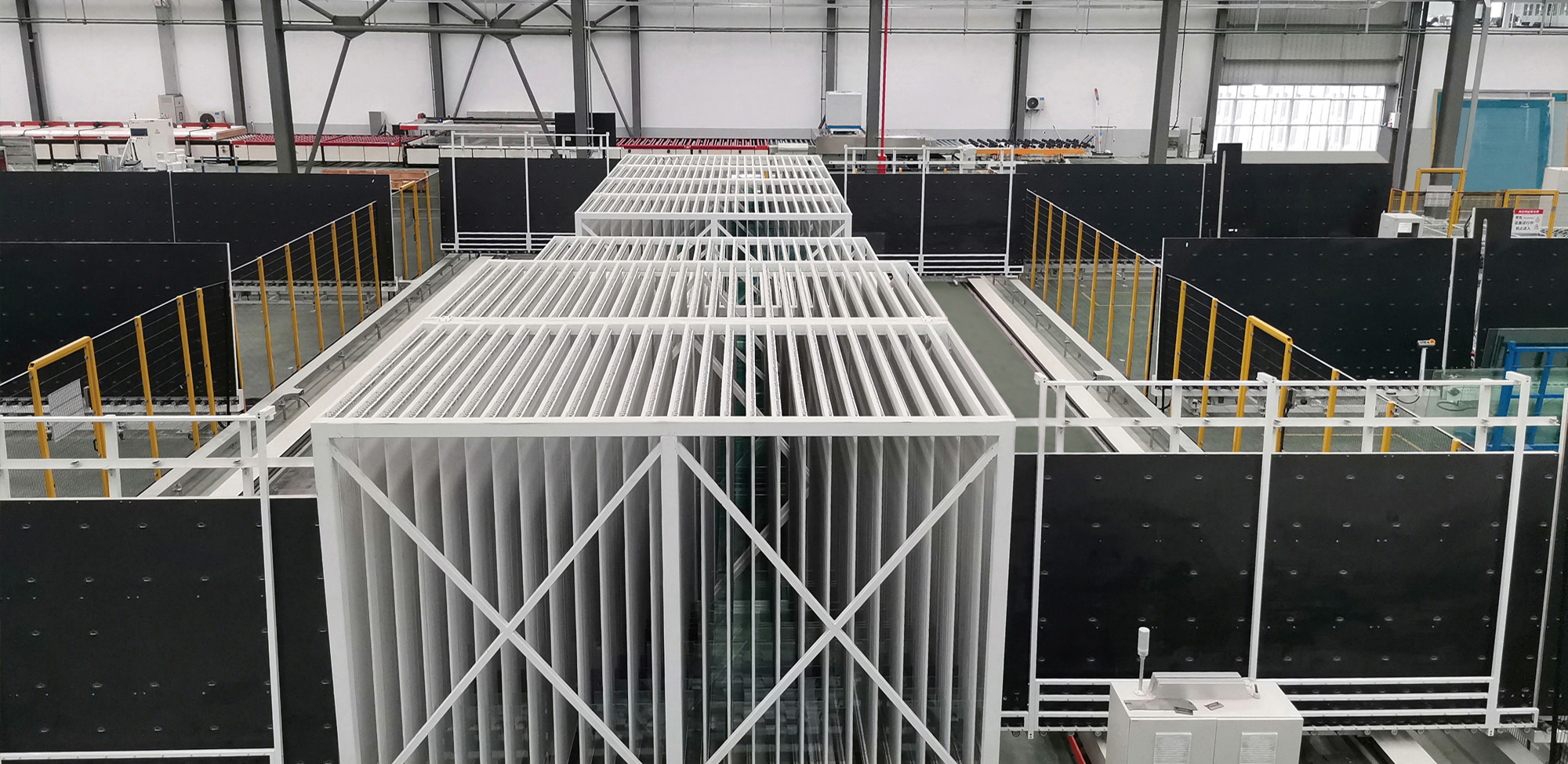
Modern glass manufacturers face intensifying pressure to boost efficiency, reduce waste, and maintain competitive advantage in an increasingly digital landscape. A glass automation solution represents far more than a simple upgrade to production lines—it is a foundational technology for achieving Industry 4.0 readiness and unlocking the full potential of smart manufacturing environments. The question is not whether glass automation fits into Industry 4.0, but rather how effectively it integrates with your operational strategy and digital transformation roadmap.
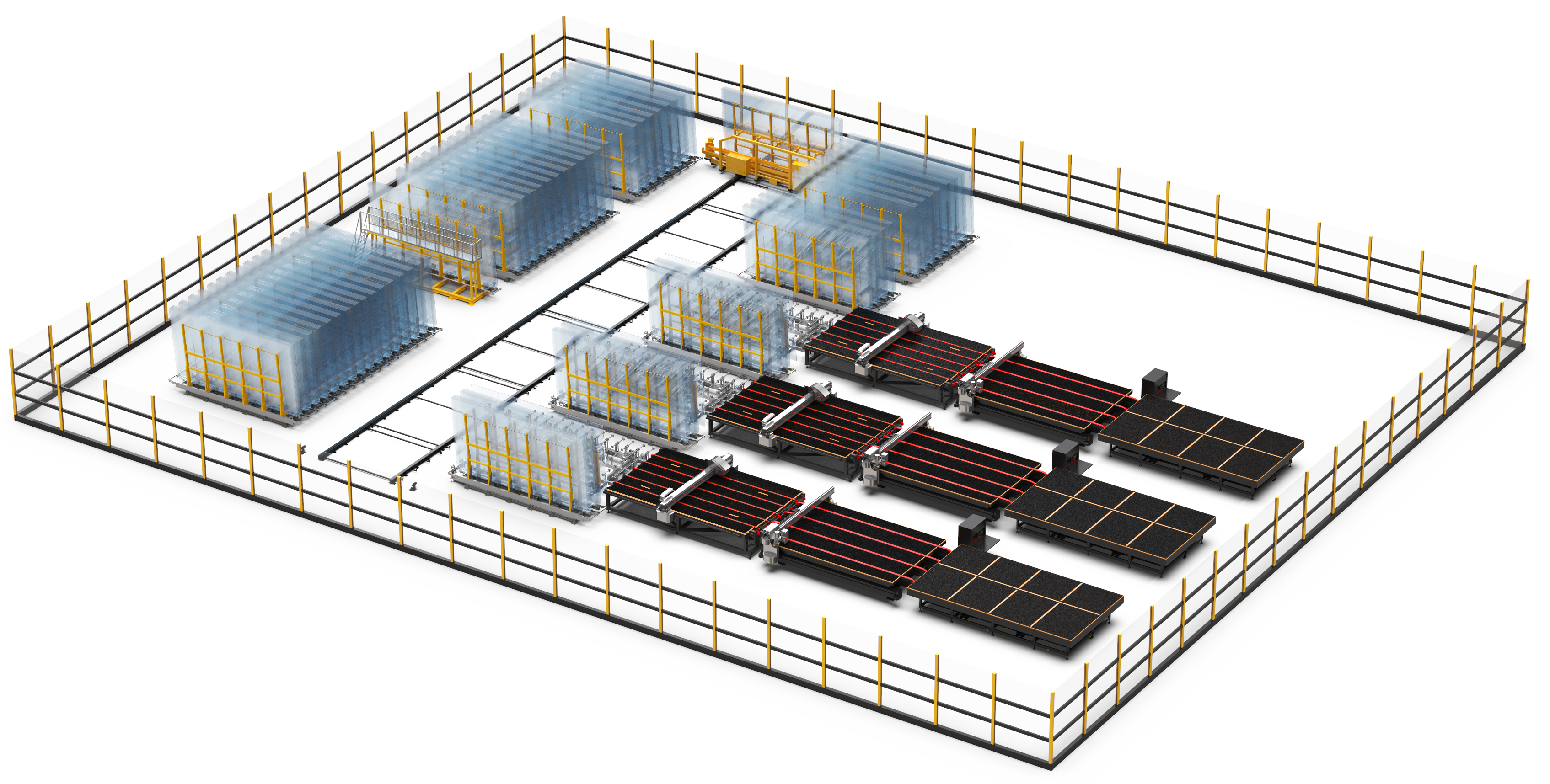
Yes, a glass automation solution is not only suitable for smart manufacturing and Industry 4.0 projects—it is essential. Advanced glass production automation enables real-time data collection, predictive maintenance, adaptive quality control, and seamless integration with enterprise resource planning systems. These capabilities form the backbone of Industry 4.0 ecosystems, where interconnected equipment communicates autonomously, learns from operational patterns, and drives continuous improvement at scale.
Glass Production Automation and Industry 4.0 Integration
Connectivity and Real-Time Data Flow
Glass factory automation systems designed for Industry 4.0 capture granular production data at every stage of the manufacturing process. Sensors embedded throughout the production line feed information into centralized monitoring platforms, creating a live digital twin of your glass production operation. This real-time visibility enables managers to identify bottlenecks, track energy consumption, monitor quality metrics, and respond immediately to deviations before they cascade into defects or downtime. Glass production automation that lacks this connectivity cannot participate meaningfully in Industry 4.0 ecosystems.
Integration with manufacturing execution systems (MES) and enterprise resource planning (ERP) platforms transforms raw glass factory automation data into actionable business intelligence. Automated glass processing workflows synchronize directly with inventory management, supply chain logistics, and customer order systems, eliminating manual data entry, reducing errors, and accelerating order fulfillment cycles. This end-to-end connectivity is the hallmark of Industry 4.0 maturity.
Predictive Maintenance and Machine Learning
Advanced automated glass processing systems incorporate machine learning algorithms that learn equipment behavior patterns over time. These algorithms detect subtle changes in vibration, temperature, pressure, and acoustic signals that signal emerging mechanical problems long before failure occurs. Predictive maintenance powered by glass automation systems reduces unplanned downtime, extends asset lifespan, and shifts maintenance from reactive to proactive models—a core principle of smart manufacturing.
When glass production automation platforms predict maintenance needs, they automatically alert technicians, reserve parts, and schedule interventions during planned maintenance windows. This coordination minimizes production interruptions and maximizes overall equipment effectiveness (OEE), directly improving your bottom line profitability and manufacturing responsiveness.
Smart Manufacturing Capabilities Through Glass Automation Systems
Adaptive Quality Control and Defect Prevention
A glass automation system designed for smart manufacturing continuously monitors dimensional accuracy, surface quality, optical properties, and structural integrity throughout production. Machine vision systems, spectroscopy sensors, and multidimensional measuring equipment operated by glass factory automation platforms enable zero-defect or near-zero-defect manufacturing. Unlike manual quality inspection, which is labor-intensive and inconsistent, automated quality control through glass production automation operates 24/7 at consistent precision levels.
Automated glass processing that integrates quality feedback directly into production parameters enables real-time corrective adjustments. When the system detects a drift in thickness, refractive index, or surface finish, it automatically modifies processing conditions to bring the next batch into specification. This closed-loop quality assurance is impossible without automation and is fundamental to Industry 4.0 philosophy.
Energy Efficiency and Sustainability Optimization
Glass production is historically energy-intensive, with furnaces and thermal processing consuming significant electrical and fuel resources. A glass automation solution that includes energy monitoring and optimization algorithms can reduce consumption by identifying inefficiencies, optimizing batch sizes, and adjusting thermal profiles dynamically. Smart manufacturing in glass production leverages automated glass processing to balance throughput, quality, and energy use simultaneously.
Sustainability reporting and carbon footprint tracking become automated and verifiable when glass factory automation systems collect and analyze energy data continuously. This capability increasingly matters for manufacturers serving environmentally conscious customers or operating under regulatory compliance frameworks that mandate transparent emissions reporting.
Implementation Readiness and Practical Deployment
Existing Equipment Integration and Phased Rollout
Many glass manufacturers worry that adopting a glass automation solution requires replacing entire production facilities. In reality, modern automated glass processing systems can integrate with legacy equipment through retrofitting, middleware platforms, and modular component upgrades. Phased implementation approaches allow you to deploy glass production automation incrementally, starting with high-value bottleneck operations and expanding to encompass entire production networks over time.
This flexibility means that Industry 4.0 readiness through glass factory automation is achievable regardless of equipment age or initial automation maturity level. Organizations can preserve existing capital investments while progressively upgrading to smart manufacturing capabilities.
Data Security, Workforce Skills, and Change Management
Deploying a glass automation system in an Industry 4.0 context introduces cybersecurity responsibilities that extend beyond traditional operational technology. Connected glass production automation platforms require robust network segmentation, access controls, encryption, and threat monitoring to protect production data and prevent malicious interference. Organizations must invest in cybersecurity infrastructure and personnel training alongside technical system deployment.
Equally important, your workforce must develop competencies in operating, maintaining, and troubleshooting automated glass processing systems. This includes upskilling technicians in sensor calibration, data interpretation, and machine learning concepts. Change management that positions automation as a tool augmenting human expertise—rather than replacing workers—drives higher adoption rates and sustained operational success in smart manufacturing environments.
FAQ
Can existing glass plants transition to glass automation without complete facility rebuild?
Yes. Modern glass automation systems and glass factory automation upgrades are designed to integrate with existing equipment through phased retrofitting, edge computing platforms, and modular component replacements. Most facilities can achieve Industry 4.0 readiness through incremental glass production automation improvements rather than wholesale replacement, protecting your capital investments while advancing smart manufacturing maturity.
What specific measurable benefits result from implementing automated glass processing for Industry 4.0?
Organizations deploying glass automation solutions typically achieve 15–30% improvements in overall equipment effectiveness, 20–40% reductions in quality defects, 10–25% energy consumption decreases, and faster time-to-market for new products. Glass production automation also enables predictive maintenance that reduces unplanned downtime by up to 50%, substantially lowering operational costs and improving customer satisfaction through more reliable delivery.
How does glass factory automation support compliance and sustainability reporting?
A glass automation solution with integrated data analytics platforms provides continuous, verifiable tracking of energy consumption, waste streams, emissions, and production efficiency metrics. This automated glass processing capability simplifies compliance reporting for environmental regulations and enables transparent sustainability communication with customers, investors, and regulatory agencies—increasingly critical for competitive positioning in smart manufacturing markets.