 EN
EN
 AR
AR
 BG
BG
 HR
HR
 CS
CS
 DA
DA
 NL
NL
 FI
FI
 FR
FR
 DE
DE
 EL
EL
 HI
HI
 IT
IT
 JA
JA
 KO
KO
 PL
PL
 PT
PT
 RO
RO
 RU
RU
 ES
ES
 SV
SV
 TL
TL
 IW
IW
 LV
LV
 LT
LT
 SK
SK
 SL
SL
 UK
UK
 VI
VI
 ET
ET
 HU
HU
 MT
MT
 TH
TH
 TR
TR
 FA
FA
 MS
MS
 SW
SW
 GA
GA
 AZ
AZ

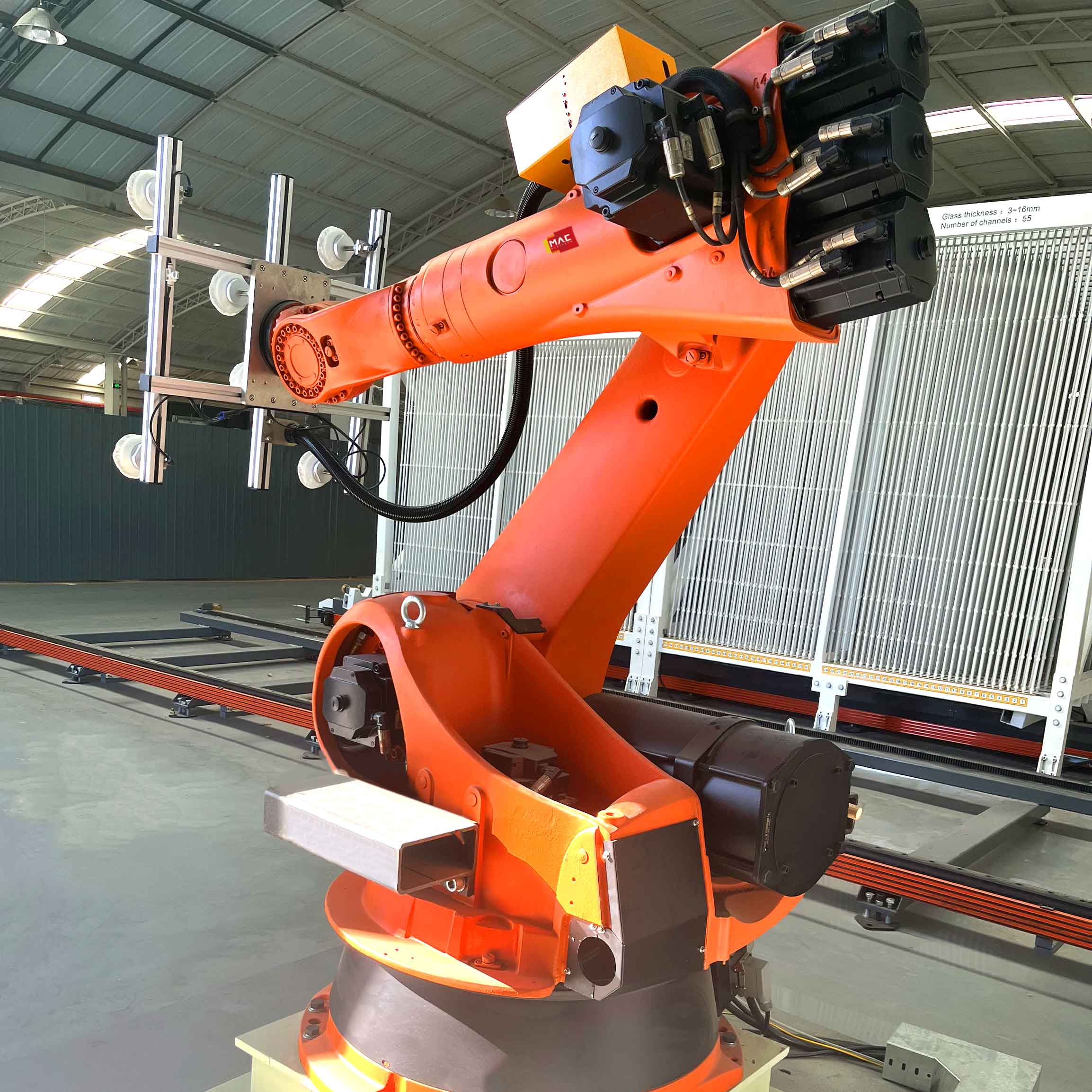
Smart glass manufacturing facilities face significant production bottlenecks when relying solely on manual labor for handling and processing glass components. A glass robot represents a transformative solution that addresses these challenges by automating repetitive, precision-critical tasks throughout the production workflow. Modern manufacturing environments require both speed and accuracy, two attributes where automated systems excel. The integration of a glass robot into your production line can substantially reduce cycle times, minimize material waste, and improve overall operational consistency.
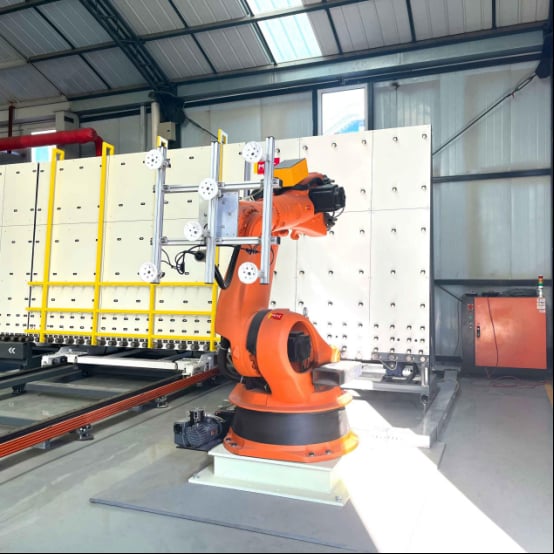
The decision to implement a glass handling robot in your smart glass factory depends on understanding both the operational benefits and the specific production requirements of your facility. Glass processing involves inherent risks to human workers and demands consistent precision that automated systems deliver reliably. An automatic glass robot can handle delicate material transfers, cutting operations, and quality inspections without fatigue degradation or human error. This article explores how an industrial glass robot contributes to manufacturing efficiency and what factors determine successful implementation in your operation.
How Glass Robots Transform Production Efficiency
Accelerating Production Throughput
An glass robot operates continuously without breaks, substantially increasing the volume of glass products your facility can process daily. Traditional manual handling involves inherent delays caused by worker fatigue, shift changes, and safety protocols. Automated glass handling robot systems execute repetitive tasks with consistent speed, reducing production cycle time by up to fifty percent in many applications. This throughput improvement directly translates to higher revenue generation and better capacity utilization across your manufacturing lines.
Eliminating Quality Inconsistencies
Glass processing demands micron-level precision that varies significantly when executed by different human operators. An automatic glass robot maintains identical positioning, pressure, and movement parameters across every single cycle. This consistency prevents warping, scratches, and alignment errors that commonly occur in manual operations. The glass processing robot's repeatability ensures that finished products meet strict quality specifications consistently, reducing rejection rates and rework costs that typically represent five to fifteen percent of total production expenses in facilities using manual methods.
Operational Advantages in Smart Glass Manufacturing
Reducing Material Waste and Associated Costs
Glass manufacturing inherently involves material waste through breakage, misalignment, and handling errors during production. An industrial glass robot minimizes these losses through precise handling techniques and optimized material flow. The glass handling robot's gentle grip pressure and calculated movement patterns protect delicate glass sheets from damage during transfer and processing stages. Facilities implementing automatic glass robot systems report material waste reductions of twenty to forty percent, which compounds significantly when multiplied across annual production volumes and material costs.
Enhancing Worker Safety and Workplace Environment
Glass processing involves occupational hazards including sharp edges, heavy lifting, and repetitive strain injuries that affect worker health and facility liability. By deploying a glass processing robot for these dangerous tasks, manufacturers remove workers from hazardous environments and reassign them to higher-value supervision and maintenance roles. The industrial glass robot handles cutting, edge detection, and heavy transfer operations that pose the greatest injury risk. This transition improves workplace safety metrics, reduces workers' compensation claims, and creates a more positive workplace culture focused on technical supervision rather than dangerous manual labor.
Integration Considerations and Implementation Strategy
Assessing Facility Readiness and Production Line Configuration
Successful glass handling robot implementation requires careful evaluation of your existing production infrastructure and workflow patterns. Automated glass robot systems perform optimally in facilities with standardized product dimensions and consistent processing sequences. Your facility's floor space, utility connections, and existing conveyor systems must accommodate the glass processing robot's dimensional footprint and operational requirements. Conduct a detailed production audit to identify bottleneck points where an automatic glass robot delivers the highest efficiency gains relative to implementation costs.
ROI Calculations and Financial Justification
The economic case for deploying an industrial glass robot depends on analyzing labor cost reductions, material waste elimination, throughput improvements, and quality enhancement benefits. Most glass manufacturing facilities achieve return on investment within eighteen to thirty-six months when implementing automatic glass robot systems in high-volume production environments. Calculate your facility's specific financial scenario by multiplying daily production volume by percentage improvements in cycle time, quality yield, and material utilization. The glass processing robot investment typically pays for itself through measurable operational improvements before equipment maintenance or technology obsolescence becomes a concern.
FAQ
What types of glass products can be handled by a glass robot?
An industrial glass robot can process a wide range of glass products including flat sheets for windows, tempered glass for automotive applications, and specialty glass for architectural installations. The glass handling robot's versatility depends on gripper customization and end-effector programming to match your specific product geometry and material properties. Most automatic glass robot systems accommodate product variations through quick-change tooling and reprogrammable control sequences without requiring extensive equipment modifications.
How does an automatic glass robot compare to manual labor productivity?
A glass processing robot typically increases production throughput by forty to sixty percent compared to manual handling teams, while simultaneously improving quality consistency and reducing material waste. The industrial glass robot eliminates downtime associated with worker breaks, shift changes, and fatigue-related performance degradation. Glass handling robot productivity advantages compound over extended production runs, making automation particularly valuable for high-volume manufacturing environments operating multiple shifts daily.
What training and maintenance does a glass robot require?
An automatic glass robot requires initial operator training focused on programming, troubleshooting, and routine maintenance procedures rather than intensive technical certification. The glass processing robot maintenance schedule typically involves periodic gripper inspection, actuator calibration, and software updates to maintain optimal performance. Most industrial glass robot systems include comprehensive support documentation and manufacturer training resources to ensure your maintenance team can handle routine servicing without external technical consultants.