 EN
EN
 AR
AR
 BG
BG
 HR
HR
 CS
CS
 DA
DA
 NL
NL
 FI
FI
 FR
FR
 DE
DE
 EL
EL
 HI
HI
 IT
IT
 JA
JA
 KO
KO
 PL
PL
 PT
PT
 RO
RO
 RU
RU
 ES
ES
 SV
SV
 TL
TL
 IW
IW
 LV
LV
 LT
LT
 SK
SK
 SL
SL
 UK
UK
 VI
VI
 ET
ET
 HU
HU
 MT
MT
 TH
TH
 TR
TR
 FA
FA
 MS
MS
 SW
SW
 GA
GA
 AZ
AZ

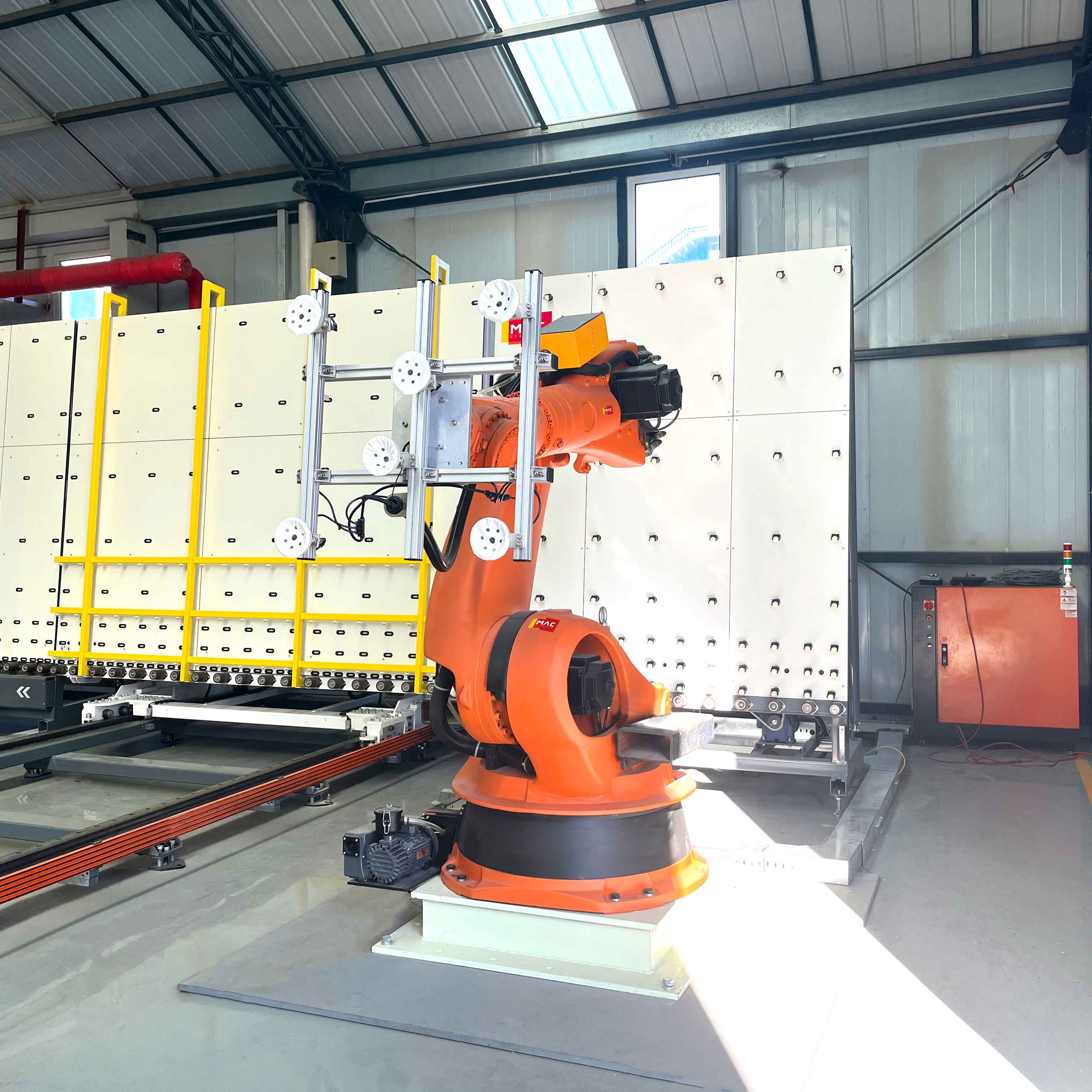
The modern manufacturing landscape demands precision, speed, and consistency in handling delicate materials. A glass robot has become essential equipment in industrial facilities where glass sheets, panels, and components require careful processing, cutting, and assembly. These automated systems eliminate human error, reduce damage, and significantly increase throughput in glass production environments. Understanding how a glass handling robot operates and integrates into existing workflows is critical for manufacturers seeking competitive advantage and operational efficiency.
Industrial environments employing an automatic glass robot benefit from improved safety and predictable production metrics. Glass handling robots are engineered to manage heavy loads, navigate confined spaces, and perform repetitive tasks without fatigue or quality degradation. The integration of industrial glass robots into automated workflows transforms how manufacturers approach glass cutting, lamination, tempering, and packaging operations.
Core Functionality of Glass Handling Robots
Precision Positioning and Load Management
A glass handling robot operates with mechanical precision that surpasses manual labor. These systems feature advanced gripper technology designed specifically for holding glass without creating stress concentrations that could cause breakage. The automatic glass robot uses vacuum or soft-grip mechanisms to distribute pressure evenly across the glass surface, protecting edges and preventing micro-fractures. Load capacity ranges typically span from 50 to 300 kilograms, accommodating everything from thin architectural glass to heavy safety-laminated panels. Positioning accuracy of plus-or-minus two millimeters ensures that each piece aligns perfectly with downstream processing equipment.
Integration with Processing Equipment
Glass processing robots work seamlessly alongside cutting tables, tempering furnaces, coating systems, and assembly stations. The glass processing robot communicates via networked controllers that synchronize timing between stations, eliminating bottlenecks and reducing idle time. Multiple robots coordinate movements to transfer glass from one operation to the next without manual intervention. This orchestrated workflow dramatically reduces cycle times and ensures consistent part orientation throughout the manufacturing sequence.
Applications Across Industrial Glass Operations
Automated Cutting and Edge Treatment
Industrial glass robot systems excel at repetitive cutting tasks where precision matters critically. An automatic glass robot positions blanks on cutting tables, triggers cutting processes, and retrieves finished pieces within exact time windows. Glass handling robots equipped with specialized end-effectors can perform edge chamfering, polishing, and sealing operations immediately after cutting. This integrated approach minimizes material handling delays and keeps production schedules predictable. In architectural glass manufacturing, these robots handle both flat sheets and curved components, adapting gripper configurations based on material specifications.
Tempering, Coating, and Lamination
Glass processing robots manage the thermal and chemical sensitivity of specialized glass products. During tempering cycles, industrial glass robots position glass into heating chambers with precise timing, ensuring uniform temperature exposure. For coating applications, glass handling robots load and unload vacuum chambers or spray stations at exact intervals that maximize coating quality and equipment utilization. In lamination operations, a glass robot alternates between two surfaces, applying adhesive layers and pressing sheets together with controlled force. The speed and repeatability prevent air pockets and ensure bond integrity in safety glass and insulated units.
Operational Benefits and Performance Metrics
Quality Consistency and Damage Reduction
Manual glass handling introduces variability in grip pressure, positioning, and timing that degrades quality metrics. An automatic glass robot eliminates these variables by executing identical motions with mechanical consistency. Breakage rates drop significantly because glass processing robots apply precisely calibrated force and avoid the sudden movements that cause fractures. Defect rates from misalignment, contamination, or operator error fall dramatically in facilities deploying industrial glass robots. Documentation systems record every movement, creating traceability for quality audits and enabling rapid troubleshooting if anomalies occur.
Production Throughput and Labor Efficiency
A glass handling robot operates continuously through shifts, holidays, and weekends without fatigue or mistakes. Cycle times typically drop by 30 to 50 percent compared to manual operations, directly improving revenue per square meter of production capacity. Glass robots reduce labor requirements for repetitive tasks, allowing human workers to focus on quality inspection, equipment maintenance, and process optimization. This reallocation creates safer work environments by removing employees from heavy lifting duties and tedious, error-prone activities. Operating costs decline as facilities maximize equipment utilization rates and minimize material waste from mishandling.
FAQ
What types of glass can an automatic glass robot handle?
Industrial glass robots handle flat glass, curved glass, tempered glass, laminated glass, coated glass, and specialty compositions. The gripper technology adapts to different thicknesses ranging from 2mm to 25mm, and surface finishes from textured to smooth. Vacuum-based systems work effectively on glass with various coatings, while soft-grip mechanisms protect delicate finishes on high-end architectural glass.
How does a glass processing robot improve safety in manufacturing?
Glass handling robots eliminate manual handling of heavy, sharp-edged materials that cause workplace injuries. Automated systems work in harsh environments—extreme heat, chemical exposure, and tight spaces—where human presence creates significant risks. The glass robot reduces repetitive strain injuries, cuts, and burns while maintaining consistent quality standards that protect worker wellbeing downstream in the production chain.
What is the typical ROI timeline for implementing a glass handling robot?
Most industrial facilities achieve positive ROI within 18 to 36 months through reduced breakage, labor savings, and increased throughput. The glass processing robot pays for itself faster in high-volume operations where cycle time improvements compound across thousands of units annually. Additional value emerges from reduced scrap, fewer customer complaints, and premium pricing for products manufactured with superior consistency.