 EN
EN
 AR
AR
 BG
BG
 HR
HR
 CS
CS
 DA
DA
 NL
NL
 FI
FI
 FR
FR
 DE
DE
 EL
EL
 HI
HI
 IT
IT
 JA
JA
 KO
KO
 PL
PL
 PT
PT
 RO
RO
 RU
RU
 ES
ES
 SV
SV
 TL
TL
 IW
IW
 LV
LV
 LT
LT
 SK
SK
 SL
SL
 UK
UK
 VI
VI
 ET
ET
 HU
HU
 MT
MT
 TH
TH
 TR
TR
 FA
FA
 MS
MS
 SW
SW
 GA
GA
 AZ
AZ

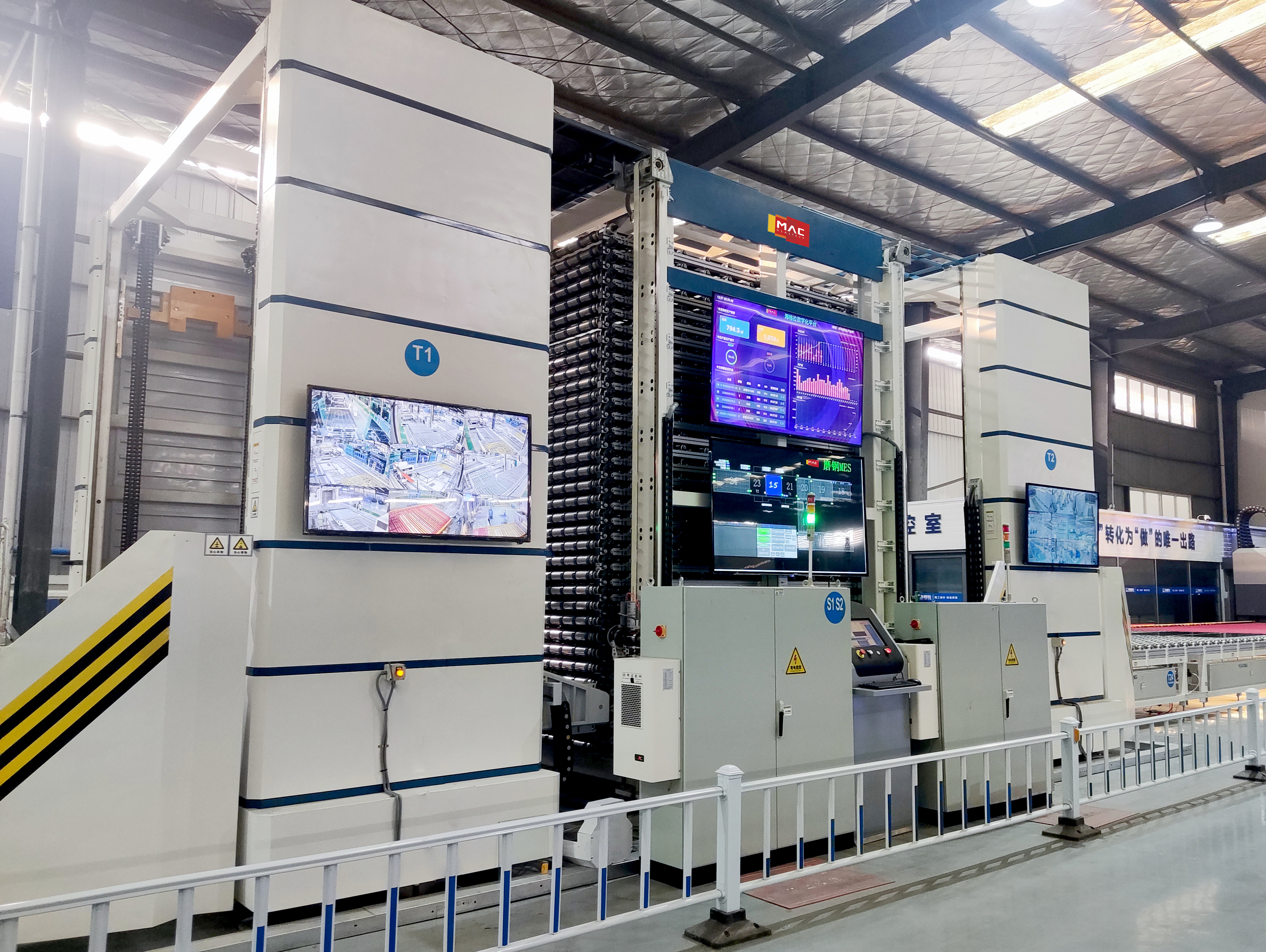
The modern glass manufacturing industry faces unprecedented pressure to increase output while maintaining precision and consistency. A glass automation solution has become essential for manufacturers seeking to optimize production workflows and reduce operational costs. Today's intelligent glass factory production systems integrate advanced robotics, computer vision, and real-time monitoring to streamline every stage of the manufacturing process, from raw material handling through final quality inspection.
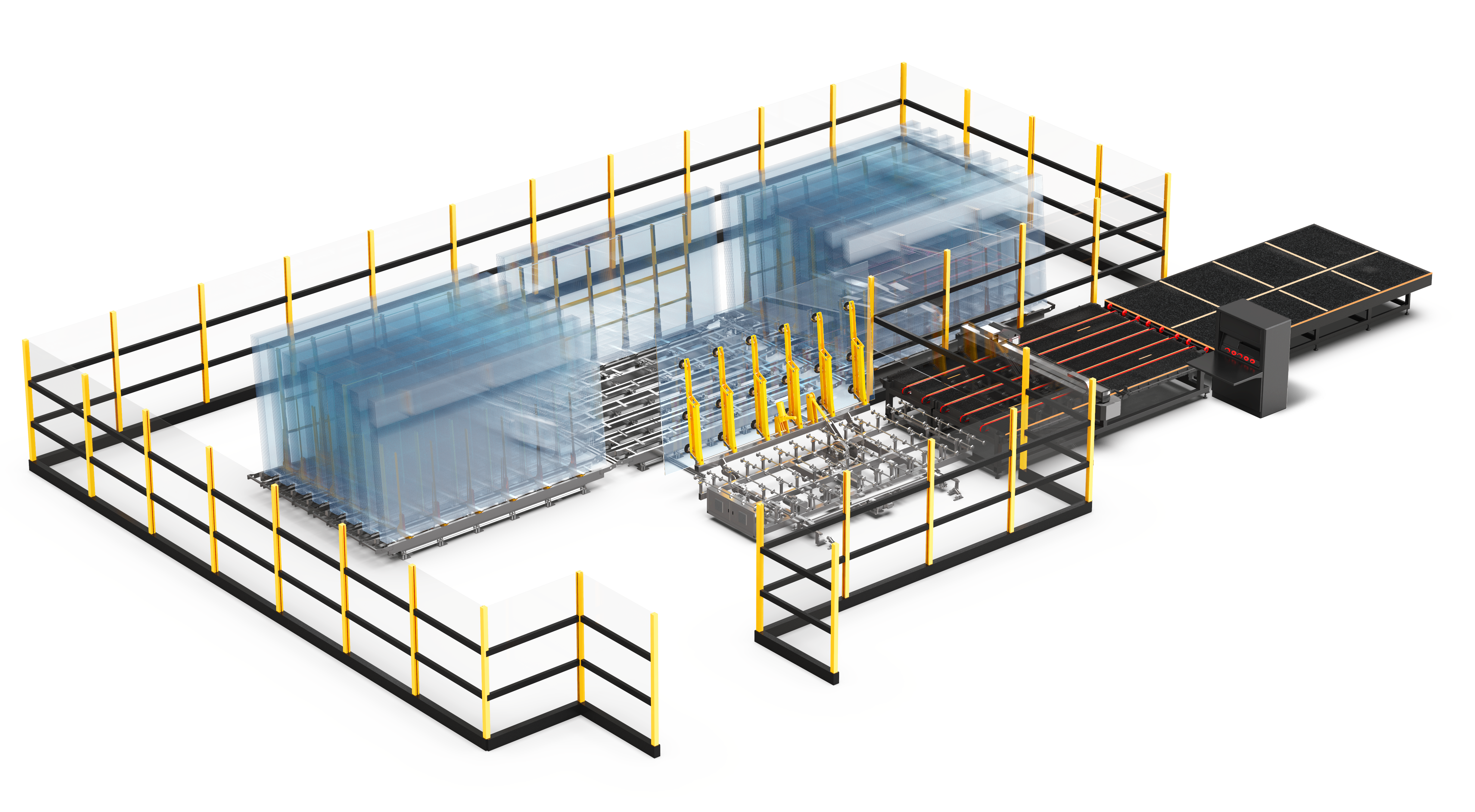
Understanding how glass production automation integrates into facility operations is critical for decision-makers evaluating capital investments. Modern glass factory automation systems perform repetitive tasks with greater accuracy than manual labor while freeing skilled technicians to focus on quality management and process optimization. This comprehensive guide explores the practical applications, operational benefits, and strategic considerations for implementing automated glass processing systems in contemporary manufacturing environments.
Core Functions of Glass Factory Automation Systems
Material Handling and Transport
Glass factory automation begins with intelligent material handling systems that move raw materials, intermediate components, and finished products throughout the facility. Automated conveyors, robotic arms, and guided transport systems eliminate manual handling errors and reduce product damage. These glass production automation components work continuously without fatigue, ensuring consistent flow rates across cutting, tempering, and assembly stations. Precision positioning sensors enable automated glass processing equipment to align each piece exactly for downstream operations, minimizing scrap rates and rework requirements.
Quality Inspection and Measurement
Modern glass factory automation incorporates advanced vision systems and dimensional measurement technology to inspect every piece during production. Automated glass processing systems use camera arrays and laser measurement devices to detect surface defects, check thickness uniformity, and verify edge quality before products reach customer sites. This real-time inspection capability enables glass production automation systems to flag defective items immediately, preventing defects from advancing to later production stages where correction becomes more costly.
Integration with Intelligent Production Systems
Data Collection and Process Control
Intelligent glass factory production systems collect continuous data from every automated glass processing station, feeding information into centralized control platforms. These glass automation solution platforms analyze production metrics, equipment performance indicators, and quality measurements to optimize process parameters in real time. Machine learning algorithms embedded in glass factory automation software identify patterns that indicate upcoming maintenance needs, equipment drift, or quality issues before they impact production output. This predictive capability significantly extends equipment life and reduces unexpected downtime.
Workflow Optimization and Scheduling
Glass production automation systems coordinate multiple production lines and work stations through intelligent scheduling algorithms that adapt to changing demand and equipment availability. When a glass factory automation component experiences reduced throughput, the system automatically rebalances workload across parallel lines to maintain overall facility output. Automated glass processing scheduling considers product specifications, material inventory levels, and energy consumption patterns to minimize waste and operational expenses while meeting customer delivery commitments.
Practical Implementation and Operational Benefits
Consistency and Quality Improvement
Repetitive manual tasks create natural variation in glass manufacturing, affecting dimensional accuracy and surface quality. Glass factory automation eliminates human inconsistency by executing identical processes thousands of times with precision tolerances measured in fractions of millimeters. When glass production automation systems handle cutting, grinding, coating, and assembly operations, defect rates typically decrease by 40 to 60 percent compared to facilities relying primarily on manual labor. This improvement directly enhances brand reputation and reduces warranty-related costs for manufacturers serving demanding customer segments.
Labor and Cost Efficiency
While glass automation solution implementation requires significant capital investment, operational cost reductions emerge quickly through reduced labor requirements and decreased scrap rates. Automated glass processing systems operate continuously across multiple shifts without premium wage requirements, making facility capacity scalable without proportional labor cost increases. Glass factory automation investments typically achieve payback periods of three to five years while generating ongoing operational savings that extend throughout the equipment lifecycle. Facility managers benefit from lower utility costs as automated systems operate at consistent optimal efficiency levels.
Production Flexibility and Responsiveness
Modern glass production automation platforms support rapid product changeovers by storing multiple configuration profiles and executing them through software updates rather than physical adjustments. When customer specifications change or new product variants enter the portfolio, glass factory automation systems adapt in minutes rather than hours. This flexibility enables manufacturers to serve diverse customer requirements without maintaining separate dedicated production lines, improving return on invested capital and market responsiveness.
FAQ
What specific tasks does a glass automation solution perform in manufacturing?
Glass production automation handles material movement, positioning, cutting, edge processing, surface treatment application, quality inspection, and packaging. Automated glass processing systems measure dimensions, detect surface defects, verify coating uniformity, and sort finished products by quality grade. Glass factory automation coordinates these operations sequentially while collecting data for process optimization and predictive maintenance, eliminating gaps that typically occur in manually managed facilities.
How does glass factory automation improve production consistency?
Automated glass processing systems execute identical processes with precision tolerances and eliminate human variables that introduce variation. Glass production automation maintains optimal processing parameters across temperature, pressure, speed, and positioning variables for every piece produced. This consistency produces glass products with uniform dimensions, surface quality, and coating properties that manual operations cannot reliably achieve, enabling manufacturers to meet strict customer specifications consistently.
What is the typical return on investment timeline for glass automation solutions?
Glass factory automation typically achieves financial payback within three to five years through labor cost reduction, decreased scrap rates, and improved production efficiency. Glass production automation systems often increase output by 30 to 50 percent while reducing defects by 40 to 60 percent, directly improving profitability. Ongoing operational savings continue throughout the equipment lifespan, which typically extends 15 to 20 years, making the long-term financial impact extremely favorable for manufacturers seeking sustained competitive advantage.